Yueqing Ruihong Filtration Technology Co., Ltd.
Pioneering Material Innovations to Deliver Filtration Solutions Beyond Limits — Powering Purity and Efficiency for the World’s Critical Industries.

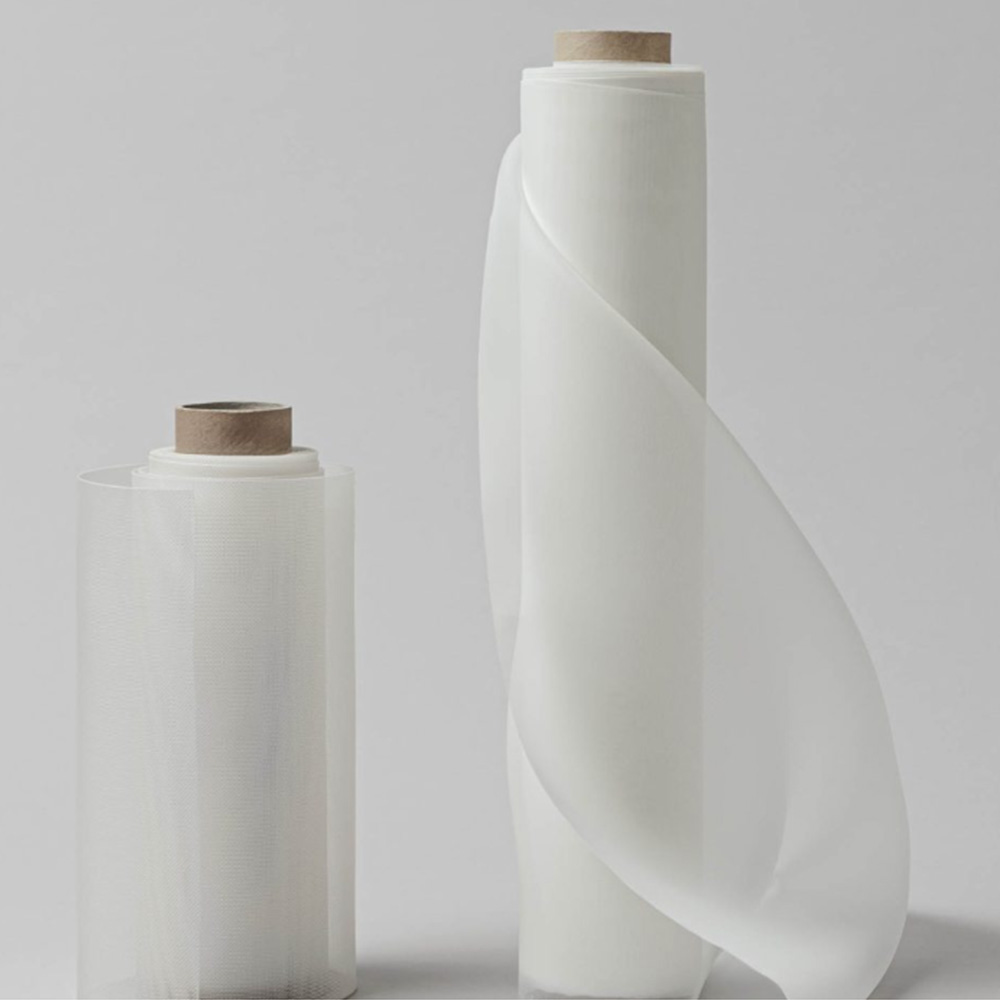
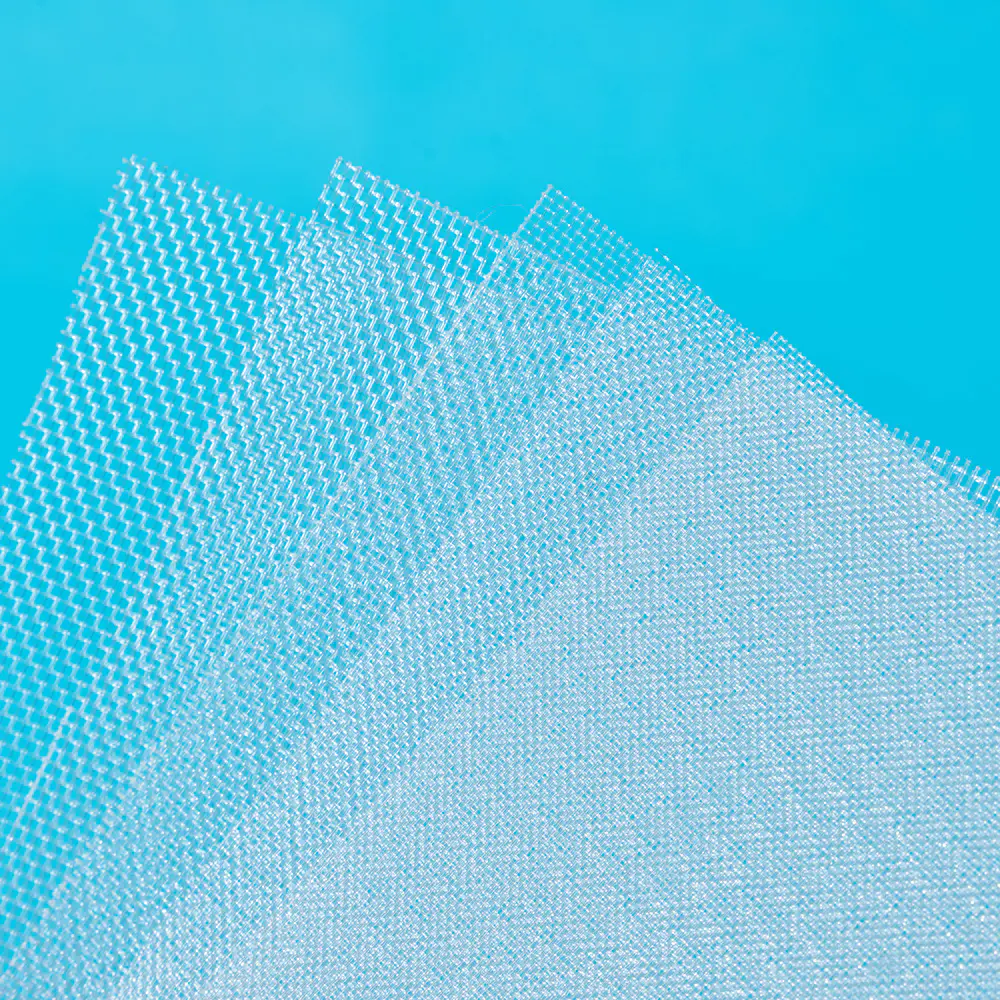
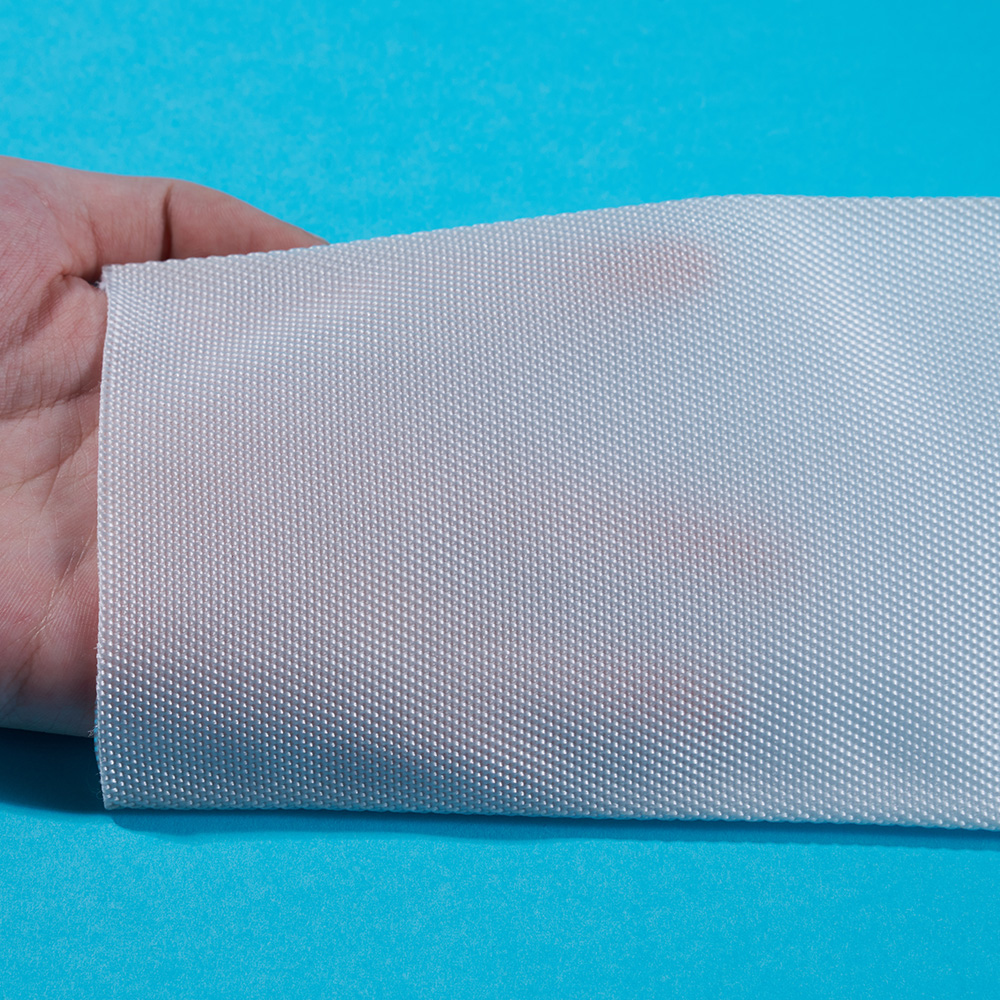
The company has professional and technical personnel, focusing on a variety of monofilament screens, multifilament filter cloth products, products suitable for strong acid and alkali resistance, wear resistance, high temperature resistance. We are committed to providing professional technical services for global users.

View More
Yueqing Ruihong Filtration Technology Co., Ltd.
  • +
More than 600 Global
Cooperative Customers
Yueqing Ruihong Filtration Technology Co., Ltd.
Engineering Precision Filtration Proven in
Extreme Conditions Worldwide.
  • Yueqing Ruihong Filtration Technology Co., Ltd.
    5+ Patented
    Materials Since 2022
  • Yueqing Ruihong Filtration Technology Co., Ltd.
    Resists 98% Concentrated
    Acids at 200°C
  • Yueqing Ruihong Filtration Technology Co., Ltd.
    50 Countries Served with
    Local Support
  • Yueqing Ruihong Filtration Technology Co., Ltd.
    Enterprise-Grade
    Customized Services
Yueqing Ruihong Filtration Technology Co., Ltd.
Design and Manufacturing on Demand
The high durability and practicality of our filter screens and filter cloths are based on our full understanding of your needs and actual conditions to ensure that our product performance exceeds your expectations.
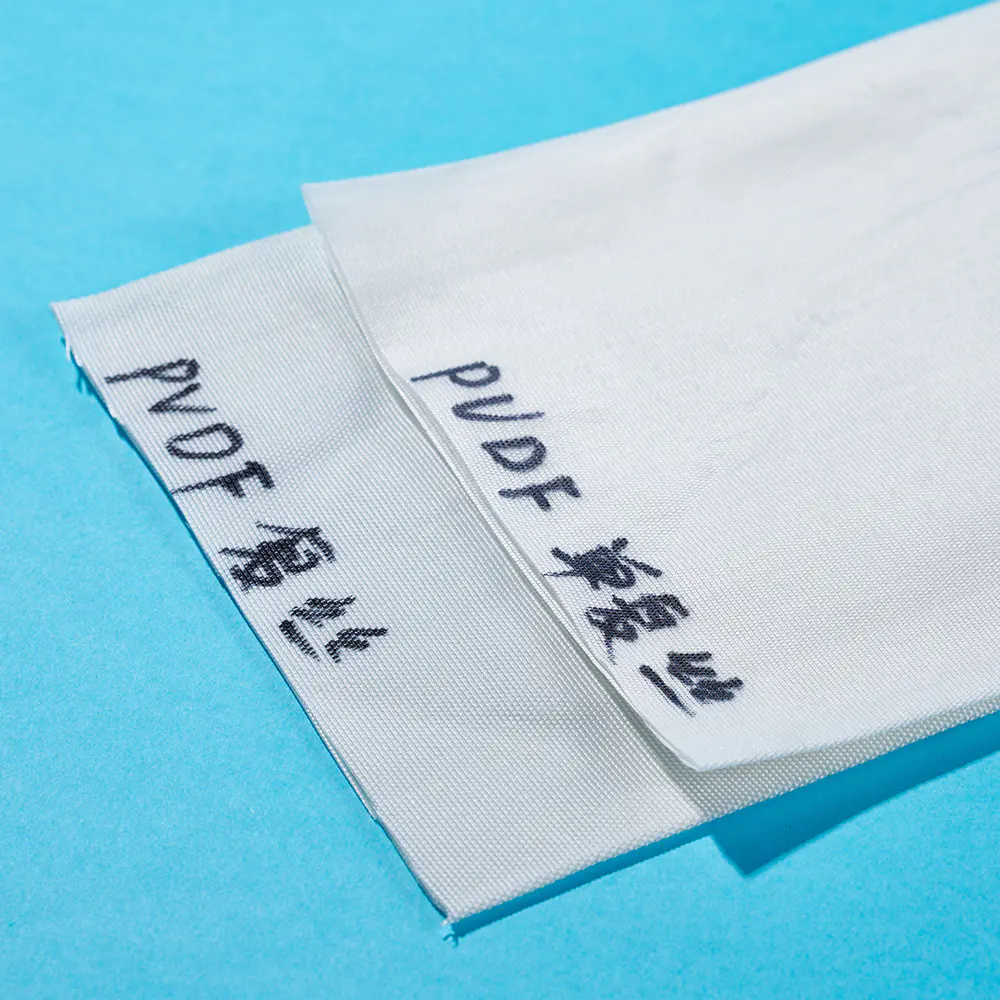
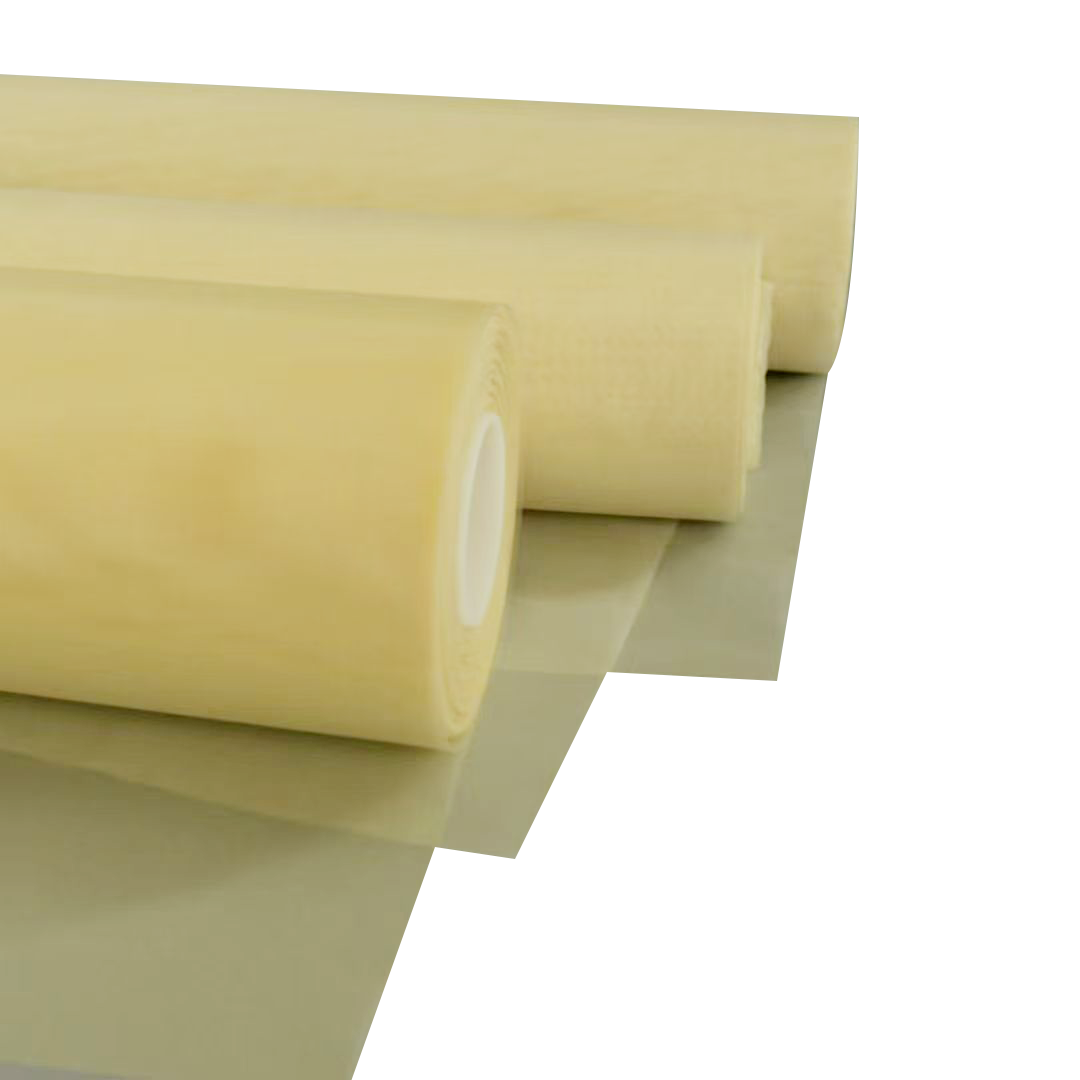
  • PVDF (Polyvinylidene Fluoride) Woven Filter Mesh
  • PFA (Polyfluoroalkoxy) Woven Filter Mesh
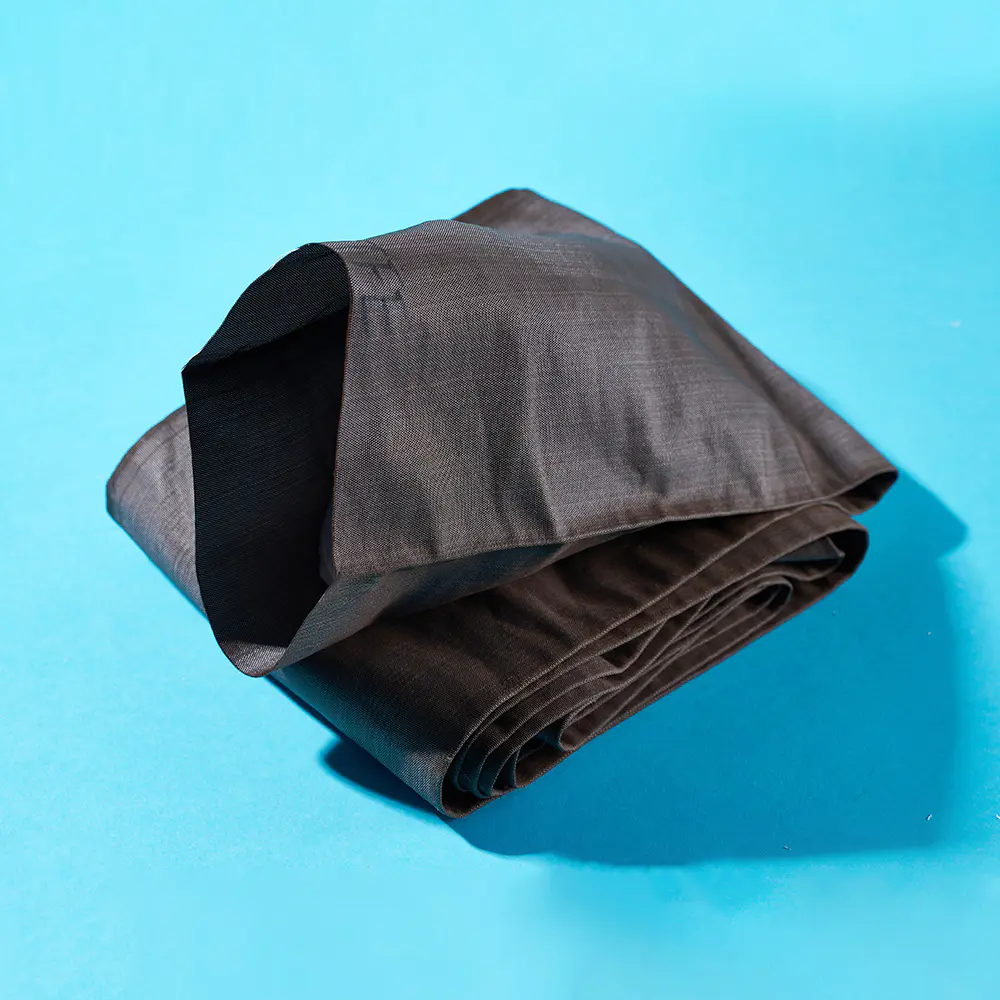
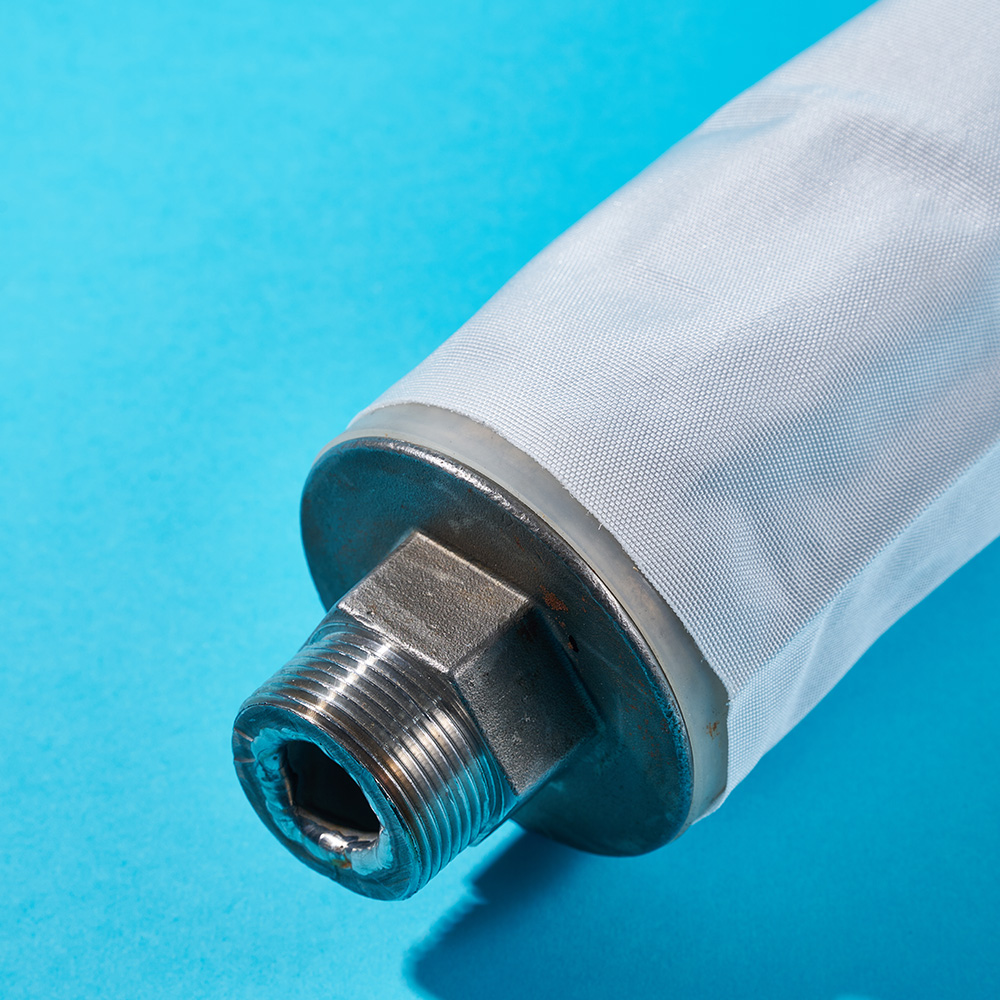
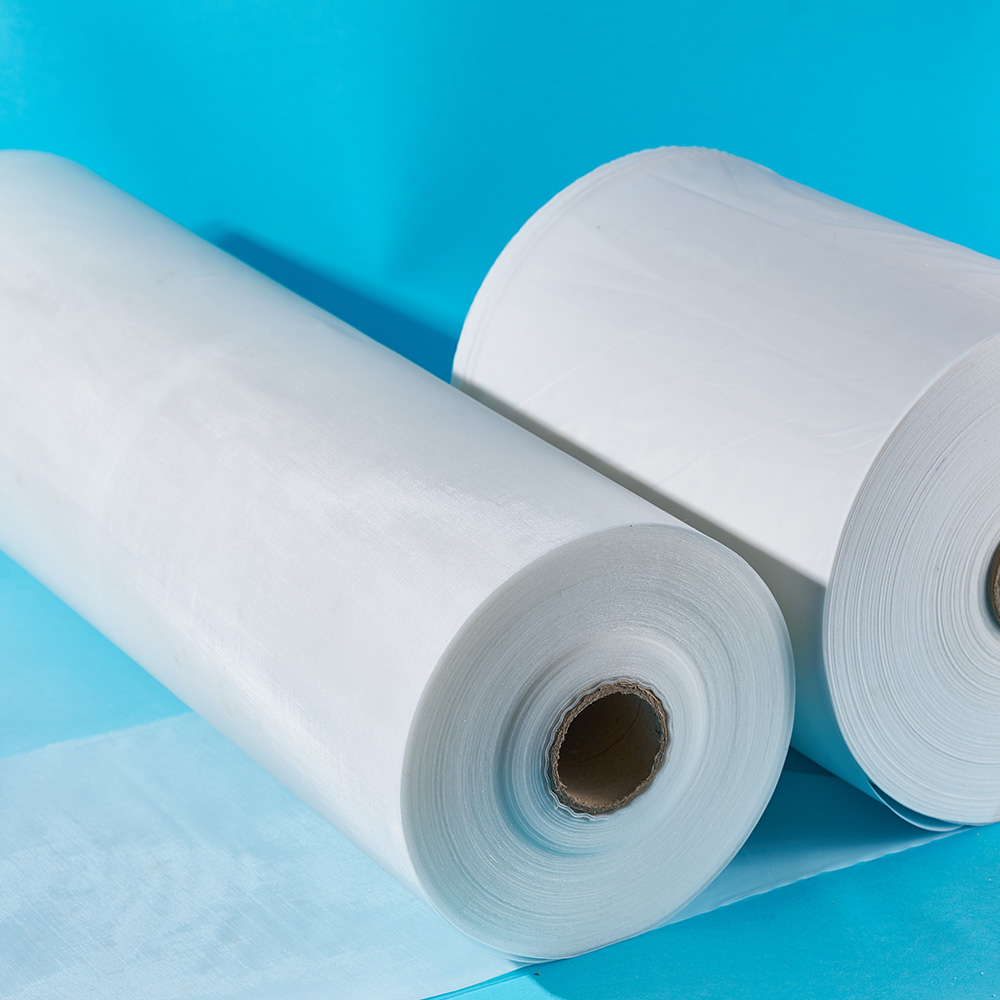
  • PA (Nylon) Seamless Filter Cloth for Candle Filter
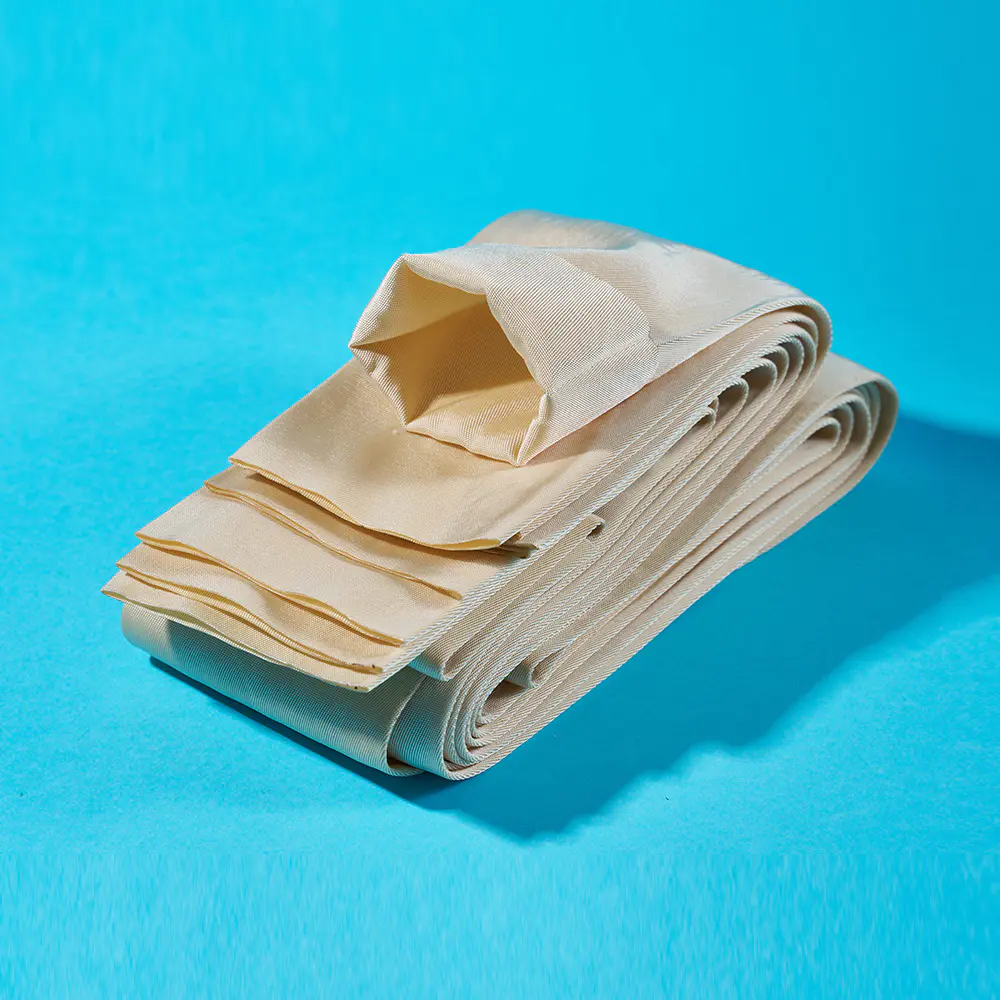
  • PVDF (Polyvinylidene Fluoride) Seamless Filter Cloth for Candle Filter
  • PTFE (Polytetrafluoroethylene) Seamless Filter Cloth for Candle Filter
  • PPS (Polyphenylene Sulfide) Seamless Filter Cloth for Candle Filter
  • PVDF (Polyvinylidene Fluoride) Woven Filter Mesh
  • PFA (Polyfluoroalkoxy) Woven Filter Mesh
  • PA (Nylon) Seamless Filter Cloth for Candle Filter
  • PVDF (Polyvinylidene Fluoride) Seamless Filter Cloth for Candle Filter
  • PTFE (Polytetrafluoroethylene) Seamless Filter Cloth for Candle Filter
  • PPS (Polyphenylene Sulfide) Seamless Filter Cloth for Candle Filter
Filtering Innovation into
the Future of Critical Industries.
Having served 50 countries and regions worldwide with our products
and technical solutions, we welcome inquiries and collaboration
opportunities.
Yueqing Ruihong Filtration Technology Co., Ltd.
LATEST NEWS
View More
  • Nylon (PA) mesh filter screen is a versatile separation material used across industries, from printing and painting to water treatment and food processing. This synthetic fabric, made from polyamide fibers woven into precise grid patterns, allows liquids and gases to pass through while trapping particles above a specific size.

    The key characteristic of a nylon mesh filter screen is its uniform opening size. During manufacturing, nylon monofilaments are woven on specialized looms that control the spacing between threads. The resulting mesh is described by its mesh count—the number of openings per linear inch. A 100-mesh screen has about 100 openings per inch, each opening roughly 150 microns wide. A 400-mesh screen has much finer openings, around 37 microns, capable of trapping very small particles.

    Nylon offers several advantages over other filter materials. Unlike metal mesh, nylon does not corrode when exposed to saltwater or many chemicals. Unlike paper filters, nylon mesh can be cleaned and reused many times without tearing. Nylon also has good abrasion resistance, meaning the fibers do not break down quickly when particles rub against them during filtration. The material remains flexible, which helps the filter screen form a tight seal in filter housings.

    The weave pattern of a nylon mesh filter screen affects its performance. Plain weave, where each thread passes alternately over and under the next thread, is the common pattern. This weave produces a stable screen with good particle retention. Twill weave, where threads pass over two and under two, creates a slightly smoother surface that releases trapped solids more easily. Dutch weave uses thicker warp threads and thinner weft threads, creating a filter with finer retention than the mesh count would suggest.

    Temperature limits matter when selecting a nylon mesh filter screen. Standard nylon begins to soften around 180 to 200 degrees Celsius, or 356 to 392 degrees Fahrenheit. For applications involving hot liquids or sterilization, users must ensure the operating temperature stays below this range. Some nylon formulations offer improved heat resistance, but standard nylon remains suitable for ambient temperature filtration and many industrial processes.

    Chemical compatibility of nylon mesh varies by fluid. Nylon resists many hydrocarbons, oils, and solvents but degrades in strong acids, especially mineral acids like sulfuric or hydrochloric acid. Strong bases also attack nylon over time. For acidic or alkaline filtration applications, polyester or polypropylene mesh may be more appropriate. Users should check compatibility charts before selecting nylon for a specific chemical environment.

    Cleaning and reuse extend the life of a nylon mesh filter screen. After use, the screen can be rinsed with water or a suitable solvent to remove trapped solids. For stubborn deposits, ultrasonic cleaning or gentle brushing with a soft brush removes particles without damaging the mesh. Autoclaving or chemical sterilization is possible for applications requiring sanitary conditions, provided the temperature and chemical limits are respected.

    For laboratories, factories, and workshops that need reliable particle separation, the nylon (PA) mesh filter screen provides a reusable, chemically resistant, and precisely graded filtering surface. It catches what should be caught, lets through what should pass, and cleans up for the next batch. When the mesh count matches the application, a nylon filter screen does its job shift after shift.

    +  READ MORE

  • The industrial filtration sector relies on a variety of materials to separate solids from liquids and gases across numerous applications. Among the options available to engineers and facility operators is the polypropylene (PP) mesh filter screen, a filtration medium valued for its chemical resistance and mechanical properties. The polypropylene (PP) mesh filter screen provides a reliable solution for applications requiring consistent filtration performance in environments where other materials may degrade.

    The material characteristics of polypropylene (PP) mesh filter screen contribute significantly to its widespread use. Polypropylene offers resistance to a broad range of chemicals, including acids, bases, and many organic solvents, making the polypropylene (PP) mesh filter screen suitable for use in aggressive industrial environments. The material also exhibits low moisture absorption, which helps maintain dimensional stability when the polypropylene (PP) mesh filter screen is exposed to aqueous solutions. These properties allow the polypropylene (PP) mesh filter screen to perform consistently across diverse operating conditions.

    The construction of a polypropylene (PP) mesh filter screen involves weaving or knitting polypropylene fibers into a uniform grid pattern. The mesh size of a polypropylene (PP) mesh filter screen determines the particle retention capability, with finer meshes capturing smaller particulates. Manufacturers produce polypropylene (PP) mesh filter screen in various opening sizes, allowing users to select the appropriate grade for specific separation requirements. The consistent opening geometry of a quality polypropylene (PP) mesh filter screen supports predictable filtration outcomes.

    Applications for polypropylene (PP) mesh filter screen span multiple industries. Water treatment facilities utilize polypropylene (PP) mesh filter screen for pre-filtration and solids separation processes. Chemical processing operations employ polypropylene (PP) mesh filter screen for product purification and recovery applications. Food and beverage producers incorporate polypropylene (PP) mesh filter screen into their processing lines, taking advantage of the material’s compliance with food contact regulations. The versatility of polypropylene (PP) mesh filter screen allows it to serve diverse sectors with varying filtration demands.

    The mechanical properties of polypropylene (PP) mesh filter screen support its use in both static and dynamic filtration systems. The material offers adequate tensile strength for typical filtration applications while maintaining flexibility that facilitates installation and handling. A polypropylene (PP) mesh filter screen can be fabricated into various shapes, including flat sheets, filter bags, and custom configurations suited to specific equipment designs. This adaptability allows engineers to specify polypropylene (PP) mesh filter screen for both new installations and retrofits.

    Temperature considerations influence the selection of polypropylene (PP) mesh filter screen for particular applications. Polypropylene maintains its structural integrity within a defined temperature range, making polypropylene (PP) mesh filter screen suitable for ambient and moderately elevated temperature processes. For applications exceeding these temperature parameters, alternative materials may be considered. Users evaluating polypropylene (PP) mesh filter screen assess operating temperatures alongside chemical exposure to ensure compatibility.

    Maintenance practices for polypropylene (PP) mesh filter screen focus on cleaning and inspection to extend service life. Depending on the application, polypropylene (PP) mesh filter screen can be cleaned through backwashing, rinsing, or mechanical agitation to remove accumulated solids. Regular inspection of polypropylene (PP) mesh filter screen helps identify areas of wear or damage that could affect filtration performance. Properly maintained polypropylene (PP) mesh filter screen can provide consistent filtration over extended periods.

    The polypropylene (PP) mesh filter screen market is expected to continue serving industrial filtration needs as processes require reliable separation media. Advances in fiber technology and weaving methods may yield polypropylene (PP) mesh filter screen products with improved uniformity and mechanical characteristics. For engineers and operators seeking filtration media that combine chemical resistance with consistent performance, polypropylene (PP) mesh filter screen remains a practical choice across numerous industrial applications.

    +  READ MORE

  • Within the advanced materials sector of filtration technology, a specialized product is addressing the needs of highly aggressive process conditions: polyfluoroalkoxy (PVDF) woven filter mesh. This engineered fabric, constructed from monofilaments of PVDF polymer, is designed for applications where bad chemical resistance, thermal stability, and purity are required. The growing adoption of polyfluoroalkoxy (PVDF) woven filter mesh highlights its critical role in industries such as pharmaceuticals, high-purity chemical processing, and aggressive wastewater treatment, where conventional polymer meshes would be unsuitable.

    The defining characteristic of polyfluoroalkoxy (PVDF) woven filter mesh is its exceptional inertness. PVDF as a material is renowned for its outstanding resistance to a wide range of strong acids, bases, oxidizers, halogens, and organic solvents. This makes the polyfluoroalkoxy (PVDF) woven filter mesh a reliable choice for filtering corrosive and reactive media without risk of degradation or contamination. Furthermore, PVDF maintains its mechanical properties across a broad temperature spectrum, allowing the polyfluoroalkoxy (PVDF) woven filter mesh to perform consistently in both elevated and cryogenic process conditions. Its inherent hydrophobicity and low surface energy also contribute to good release properties and resistance to fouling.

    The application scope for polyfluoroalkoxy (PVDF) woven filter mesh is specialized and vital. In the pharmaceutical and biotech industries, it is used in processes requiring ultra-pure filtration, such as the sterile filtration of solvents or aggressive buffers, where extractables and leachables must be lessd. Within the chemical industry, polyfluoroalkoxy (PVDF) woven filter mesh is employed for filtering concentrated acids, chlorinated compounds, and other reactive chemicals during production or recovery stages. It is also a key material in membrane bioreactors (MBRs) for harsh industrial wastewater treatment, where its durability in the face of challenging biological and chemical loads is important.

    Manufacturing polyfluoroalkoxy (PVDF) woven filter mesh involves precise textile engineering. High-quality PVDF resin is extruded into consistent monofilament yarns, which are then woven on specialized looms. The weaving pattern for polyfluoroalkoxy (PVDF) woven filter mesh is carefully selected to achieve the desired filtration rating (micron retention), mechanical strength, and open area for ideal flow. The resulting fabric is typically heat-set to stabilize the weave and ensure dimensional stability under operational stress. Quality control for polyfluoroalkoxy (PVDF) woven filter mesh is stringent, focusing on pore size uniformity, chemical purity, and the absence of defects that could compromise performance in critical processes.

    Compared to other high-performance filter media like PTFE (polytetrafluoroethylene) coated fabrics, polyfluoroalkoxy (PVDF) woven filter mesh offers a distinct balance of properties. While PVDF may not match PTFE's up to continuous use temperature in some grades, it generally offers predominant mechanical strength, abrasion resistance, and weldability. This makes polyfluoroalkoxy (PVDF) woven filter mesh particularly suitable for applications involving mechanical stress, such as in filter press cloths, centrifuge liners, or as a backing support for finer membrane filters in demanding environments. Its ability to be thermally welded facilitates the fabrication of robust filter bags and sealed seams.

    Innovation in polyfluoroalkoxy (PVDF) woven filter mesh is likely to focus on enhancing its already strong performance profile. Developments may include yarn modifications to further improve tensile strength or create gradients in surface energy for specific separation tasks. Polyfluoroalkoxy (PVDF) woven filter mesh, through its unique combination of chemical resilience and mechanical durability, is positioned to remain an important enabling material for filtration processes operating at the edge of material science capabilities.

    +  READ MORE

  • The industrial filtration sector continues to advance with multifilament filter cloth serving as an important component in solid-liquid separation applications across numerous manufacturing industries. This specialized textile, constructed from continuous filament yarns woven into precise fabric structures, offers significant advantages in applications requiring consistent performance, mechanical durability, and efficient cake discharge. The engineering behind multifilament filter cloth represents practical application of material science to address real-world industrial separation challenges.

    Industrial sectors including chemical processing, mineral beneficiation, and wastewater treatment have increasingly adopted multifilament filter cloth for its predominant performance characteristics. In filter press operations, the fabric must withstand significant pressure while allowing filtrate passage and retaining solid particles. Multifilament filter cloth maintains its structural integrity through repeated cycles of pressing, cake formation, and discharge, providing reliable operation over extended service periods.

    The mechanical properties of multifilament filter cloth contribute substantially to its selection in demanding applications. Continuous filament construction provides tensile strength and resistance to deformation under load, ensuring that critical dimensions and filtration characteristics remain stable throughout use. This stability proves important in automated filtration equipment where consistent performance depends on predictable fabric behavior.

    Surface characteristics significantly influence multifilament filter cloth performance, particularly regarding cake release efficiency. Manufacturers employ finishing techniques that modify fabric surface properties for ideal performance with specific filter cake types. Properly engineered multifilament filter cloth releases filter cake cleanly, small cycle time and big production throughput.

    Chemical resistance represents another important advantage of multifilament filter cloth in aggressive processing environments. These fabrics are produced from polymers selected for compatibility with specific process conditions including exposure to acids, alkalis, and elevated temperatures. Polyester, polyamide, and polypropylene variants of multifilament filter cloth offer distinct chemical resistance profiles enabling appropriate material selection for particular applications.

    Environmental applications represent a significant market for multifilament filter cloth. Wastewater treatment facilities utilize these materials in belt filter presses and sludge dewatering equipment processing large volumes daily. The durability and consistent performance of multifilament filter cloth help facilities maintain discharge standards while operating efficiently.

    The mining industry relies on multifilament filter cloth for dewatering operations separating valuable concentrates from waste slurries. The abrasion resistance of these fabrics under challenging conditions, combined with their ability to achieve low moisture content in filtered solids, makes them valuable in mineral processing operations.

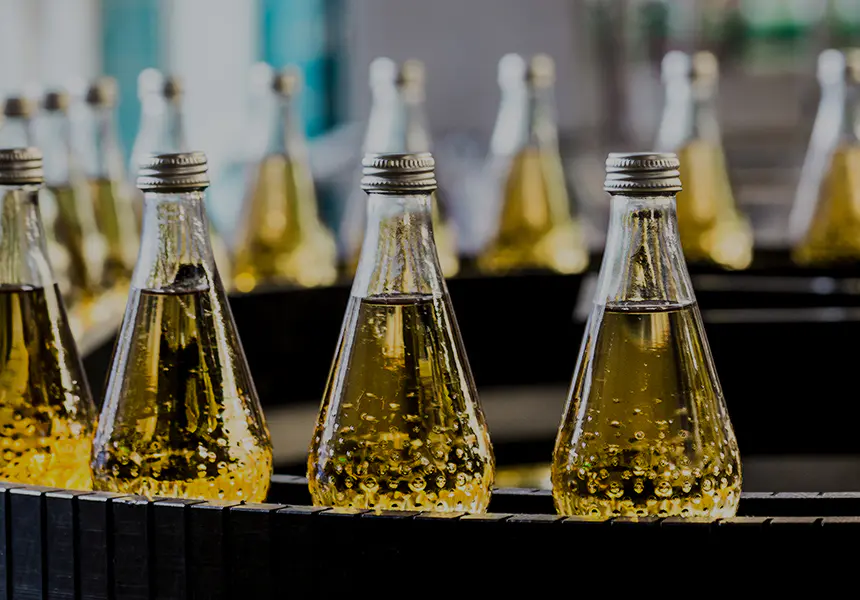
    Food and beverage producers specify multifilament filter cloth for applications requiring health regulation compliance. Cleanable surface characteristics facilitate thorough sanitation between production runs, supporting protocols important for food safety. Applications include juice clarification and edible oil filtration where product purity affects consumer health.

    Chemical manufacturing operations utilize multifilament filter cloth in catalyst recovery and product purification applications. Chemical compatibility ensures reliable performance without degradation that could compromise filtration efficiency or contaminate products.

    Research continues advancing multifilament filter cloth technology toward improved capabilities. New polymer blends and weaving patterns address emerging filtration challenges including finer particle retention and higher temperature resistance required by evolving industrial processes.

    The global supply chain for multifilament filter cloth serves diverse markets across all continents. Technical support includes assistance with fabric selection and optimization of replacement schedules to balance performance against operating costs, ensuring this filtration medium continues meeting industrial requirements worldwide.

    +  READ MORE

  • The industrial filtration landscape continues to evolve with monofilament filter screen emerging as a critical technology for precision separation across diverse manufacturing sectors. This specialized screening medium, constructed from single continuous filaments rather than multifilament yarns, offers distinct advantages in applications requiring consistent particle retention, high flow rates, and exceptional durability. The engineering behind monofilament filter screen represents a sophisticated intersection of polymer science and textile technology that addresses increasingly demanding industrial requirements.

    The fundamental structure of monofilament filter screen distinguishes it from other filtration media through its simplicity and precision. Each individual filament runs continuously throughout the screen, creating smooth, uniform surfaces that resist particle adhesion and facilitate thorough cleaning between operational cycles. This characteristic proves particularly valuable in processes where contamination between batches must be eliminated and where consistent performance directly impacts product quality and production efficiency.

    Industrial sectors ranging from chemical processing to food production have increasingly adopted monofilament filter screen for its predominant performance characteristics. In liquid filtration applications, the precisely controlled openings between monofilaments enable accurate particle size separation while maintaining ideal throughput rates. This balance between retention efficiency and flow capacity proves important for operations where productivity and quality standards must be simultaneously satisfied.

    The mechanical properties of monofilament filter screen contribute significantly to its growing preference in demanding applications. Single filament construction imparts exceptional tensile strength and dimensional stability, allowing the screen to withstand significant pressure differentials and mechanical stresses inherent in continuous industrial operations. Unlike materials that stretch, deform, or blind over time, well-engineered monofilament filter screen maintains its critical dimensions and filtration characteristics throughout extended service life.

    The manufacturing process for monofilament filter screen involves sophisticated weaving technologies capable of producing precise mesh constructions. Modern looms create consistent, reproducible patterns that determine filtration characteristics including opening size, open area percentage, and particle retention ratings. Quality control throughout production ensures that each roll of monofilament filter screen meets specified parameters, providing customers with reliable performance batch after batch.

    Surface characteristics of monofilament filter screen enhance its functionality across numerous applications. The smooth filament surfaces prevent particle entrapment within the screen structure, reducing blinding tendencies that plague other filtration media. This cleanability factor extends operational cycles between maintenance interventions, improving overall equipment effectiveness and reducing labor costs associated with screen cleaning or replacement.

    Environmental applications have emerged as a significant growth area for monofilament filter screen. Water treatment facilities utilize these materials in traveling screens, drum filters, and belt filtration systems that remove solids from intake water, process streams, and discharge flows. Industrial wastewater treatment incorporates monofilament filter screen in various configurations to capture suspended solids before discharge or further processing. As environmental regulations become increasingly stringent worldwide, demand for reliable screening media continues to expand.

    The global supply chain for monofilament filter screen has matured to serve diverse markets across all continents. Specialized producers maintain inventories of standard mesh constructions while offering custom development services for unique applications. Technical support includes assistance with screen selection, troubleshooting filtration problems, and optimizing replacement schedules to balance performance against operating costs. This comprehensive approach ensures that monofilament filter screen continues meeting evolving industrial requirements worldwide while maintaining the reliability that process industries demand.

    +  READ MORE

  • The industrial filtration sector is experiencing significant transformation through the adoption of multifilament filter fabric, a specialized textile product that has become important across numerous manufacturing and processing applications. This engineered material, constructed from continuous filament yarns rather than spun staple fibers, offers distinct advantages in separation processes where precision, durability, and consistent performance are paramount. The evolution of multifilament filter fabric represents a convergence of textile engineering and industrial chemistry that addresses increasingly stringent requirements for purity and efficiency.

    The fundamental structure of multifilament filter fabric distinguishes it from conventional filtration media in ways that prove critical for demanding applications. Each filament within the yarn runs continuously throughout the fabric, creating smooth surfaces that resist particle entrapment and facilitate easy cleaning between filtration cycles. This characteristic makes multifilament filter fabric particularly valuable in processes requiring repeated use and strict hygiene standards, as the absence of loose fibers eliminates concerns about media migration contaminating filtered products.

    Industrial sectors ranging from chemical processing to food and beverage production have embraced multifilament filter fabric for its predominant performance characteristics. In liquid filtration applications, the uniform pore structure achieved through precise weaving of multifilament yarns enables consistent particle retention while maintaining ideal flow rates. This balance between filtration efficiency and throughput proves important for operations where productivity and product quality directly impact profitability.

    The mechanical properties of multifilament filter fabric contribute significantly to its growing adoption in heavy-duty applications. Continuous filament construction imparts exceptional tensile strength and dimensional stability, allowing the fabric to withstand the pressure differentials and mechanical stresses inherent in industrial filtration processes. Unlike materials that stretch or deform under load, well-engineered multifilament filter fabric maintains its critical dimensions and filtration characteristics throughout extended service life.

    Chemical resistance represents another advantage driving preference for multifilament filter fabric in aggressive environments. Manufacturers produce these textiles from polymers selected for compatibility with specific process conditions, including exposure to acids, alkalis, solvents, and elevated temperatures. Polyester, polyamide, polypropylene, and fluoropolymer variants of multifilament filter fabric each offer distinct chemical resistance profiles that engineers match to application requirements for ideal performance and longevity.

    The manufacturing process for multifilament filter fabric involves sophisticated weaving technologies capable of producing precise fabric constructions. Modern looms create consistent, reproducible patterns that determine filtration characteristics including pore size, permeability, and particle retention efficiency. Quality control throughout production ensures that each roll of multifilament filter fabric meets specified parameters, providing customers with reliable performance batch after batch.

    Surface finishing treatments enhance the functionality of multifilament filter fabric for specialized applications. Calendering processes smooth fabric surfaces to improve cake release in filter press operations, while heat setting stabilizes dimensions against shrinkage during use. Additional treatments can impart hydrophobic or hydrophilic properties, antistatic characteristics, or enhanced cleanability depending on end-use requirements. These refinements demonstrate how multifilament filter fabric can be tailored to meet diverse industrial needs.

    The global supply chain for multifilament filter fabric has matured to serve diverse markets across all continents. Specialized producers maintain inventories of standard constructions while offering custom development services for unique applications. Technical support includes assistance with fabric selection, troubleshooting filtration problems, and optimizing replacement schedules to balance performance against operating costs. This comprehensive approach ensures that multifilament filter fabric continues meeting evolving industrial requirements worldwide.

    +  READ MORE

Ready for Extreme Filtration Challenges?
Consult Our Engineers for Custom Solutions