عربى
عربى
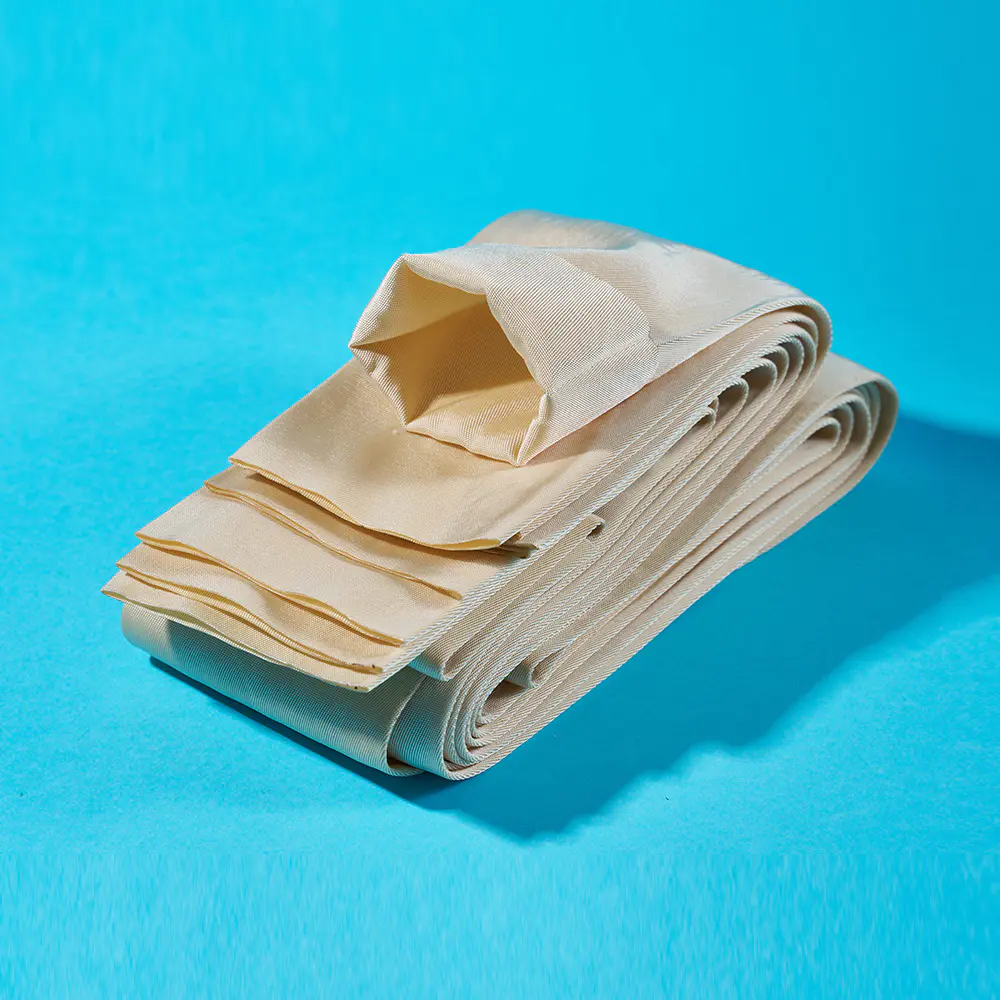
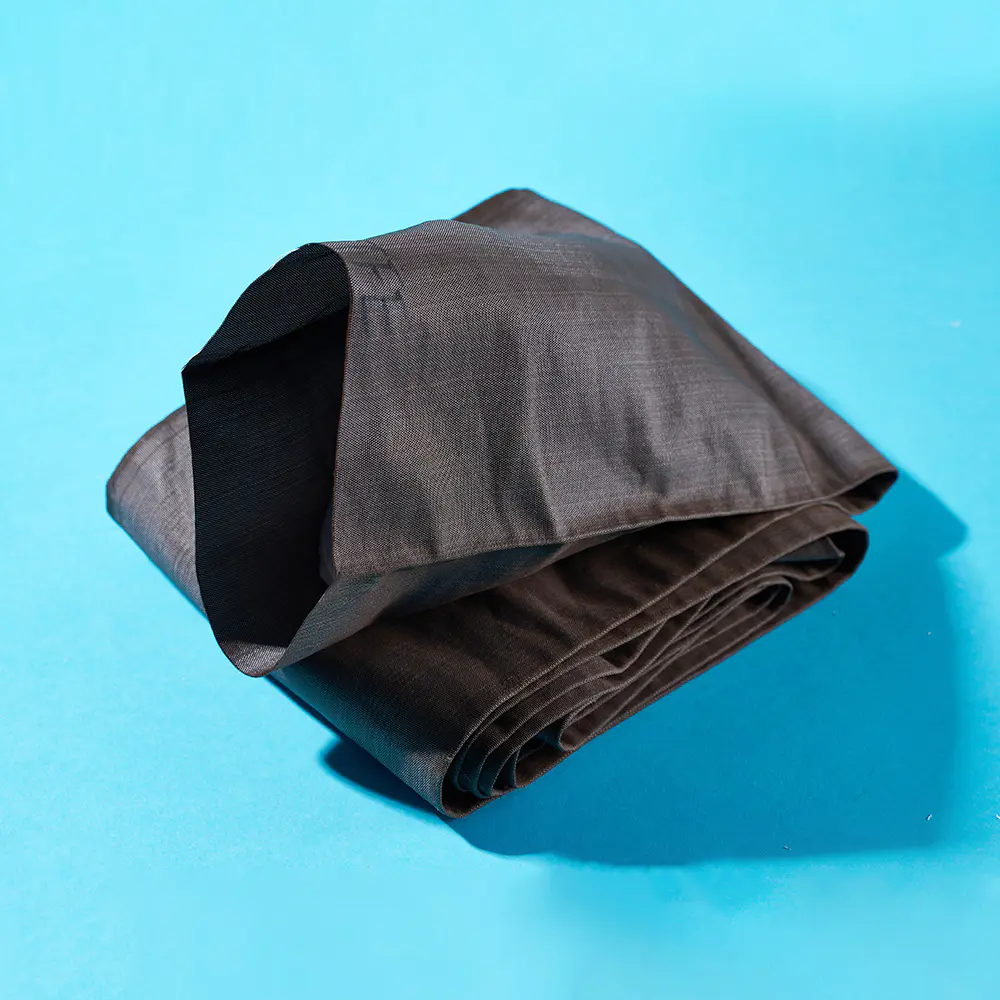
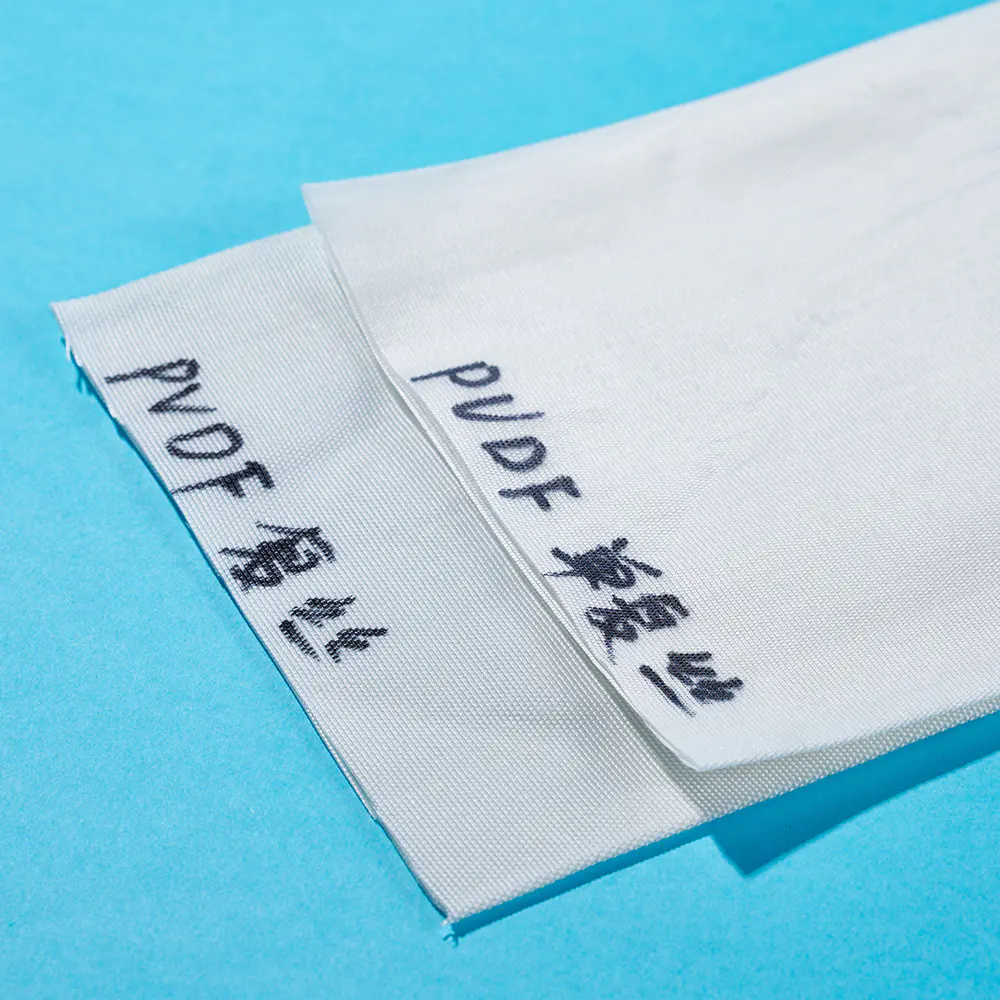
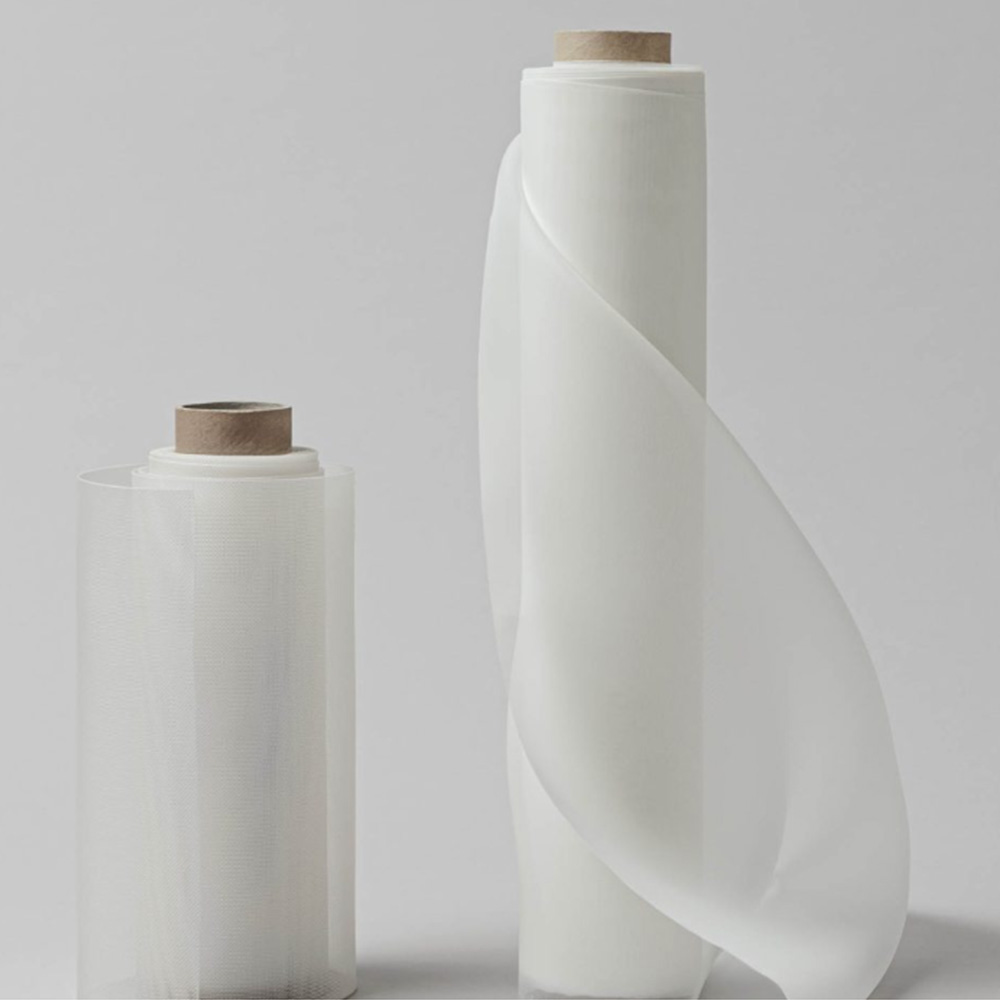
Polypropylene (PP) seamless filter cloth for candle filter is a specialized filtration medium used in industrial liquid-solid separation processes. Unlike standard filter cloths with seams, this seamless design eliminates potential leak paths and weak points, providing more reliable filtration for demanding applications such as chemical processing, mining, and wastewater treatment.
The defining feature of this filter cloth is its seamless construction. Traditional filter cloths are woven as flat sheets and sewn or welded into cylindrical shapes. The seam creates a potential failure point where particles can bypass the filter or where the cloth can tear under pressure. A polypropylene (PP) seamless filter cloth for candle filter is woven directly into a tubular shape on specialized looms, resulting in a continuous tube with no seam. This seamless design provides uniform filtration across the entire surface and higher burst strength.
The material selection of polypropylene for this filter cloth offers important benefits. Polypropylene resists many chemicals, including acids, alkalis, and organic solvents. It does not absorb water, so the cloth does not swell or change dimensions when wet. Polypropylene has good abrasion resistance, important for applications where the filter cake is scraped or blown off the cloth. The material is also lightweight and flexible, conforming easily to the candle filter elements.
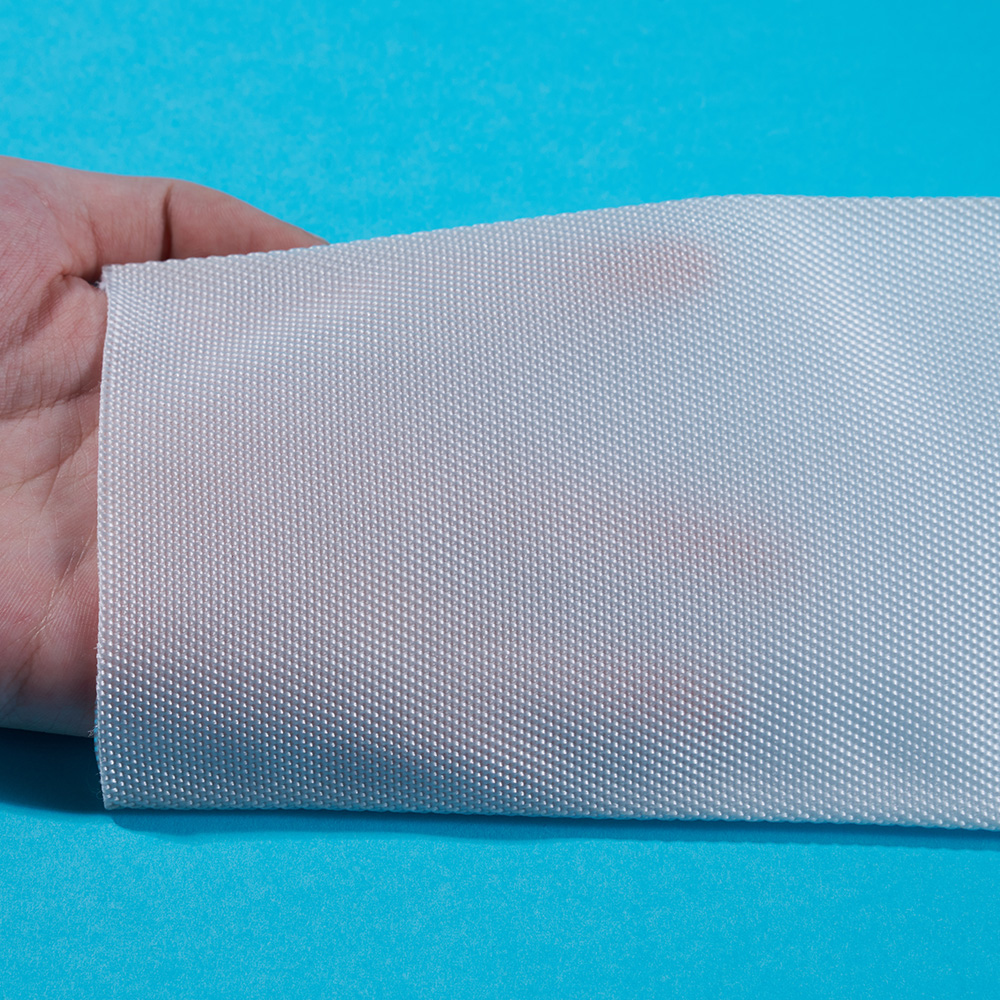
The weave pattern of a polypropylene (PP) seamless filter cloth for candle filter determines its filtration characteristics. Plain weave provides a stable cloth with good particle retention and is suitable for applications. Twill weave creates a smoother surface that releases filter cake more easily, useful for sticky or cohesive solids. Dutch weave uses thicker warp threads and thinner weft threads, producing a cloth with finer retention than the mesh count would suggest. The weave pattern is selected based on the particle size and the nature of the solids being filtered.
The permeability of the filter cloth is a critical specification. Measured in cubic centimeters per square centimeter per second at a given pressure drop, permeability indicates how easily liquid flows through the cloth. A cloth with high permeability allows faster flow but may pass fine particles. A cloth with low permeability captures finer particles but reduces flow rate. The proper permeability balances filtration efficiency and production throughput. For candle filters, the cloth must also provide good cake release so the accumulated solids can be removed easily.
The seamless construction improves the durability of the filter cloth. Without a seam, there is no weak point where the cloth can tear under pressure or where particles can bypass. The uniform structure also means that the cloth wears evenly across its surface, extending service life. A polypropylene (PP) seamless filter cloth for candle filter typically lasts longer than a seamed cloth in the same application, reducing replacement frequency and downtime.
For industrial filtration systems requiring high reliability, a polypropylene (PP) seamless filter cloth for candle filter delivers uniform performance and long service life. The seamless design eliminates weak points, while the polypropylene material resists chemicals and moisture. From mining to chemical plants, this filter cloth keeps filtration systems running efficiently.