Yueqing Ruihong Filtration Technology Co., Ltd.
Pioneering Material Innovations to Deliver Filtration Solutions Beyond Limits — Powering Purity and Efficiency for the World’s Critical Industries.

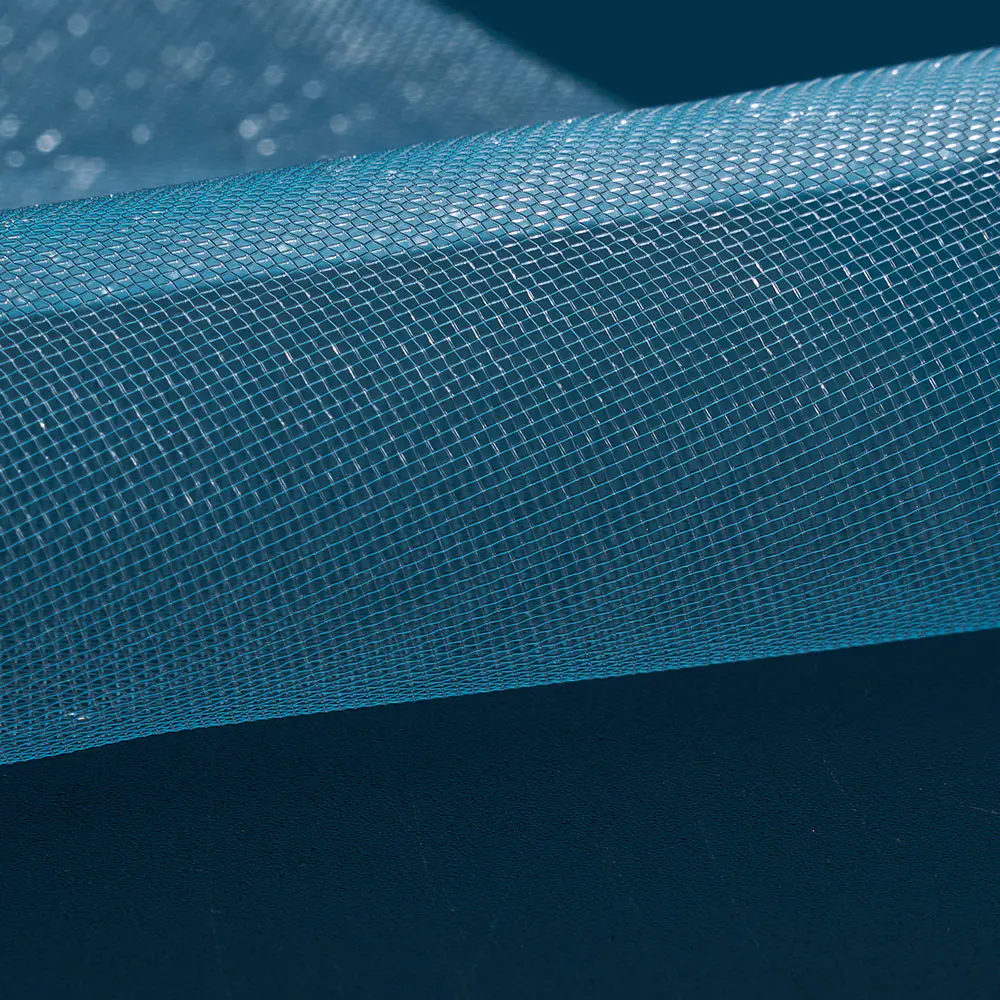
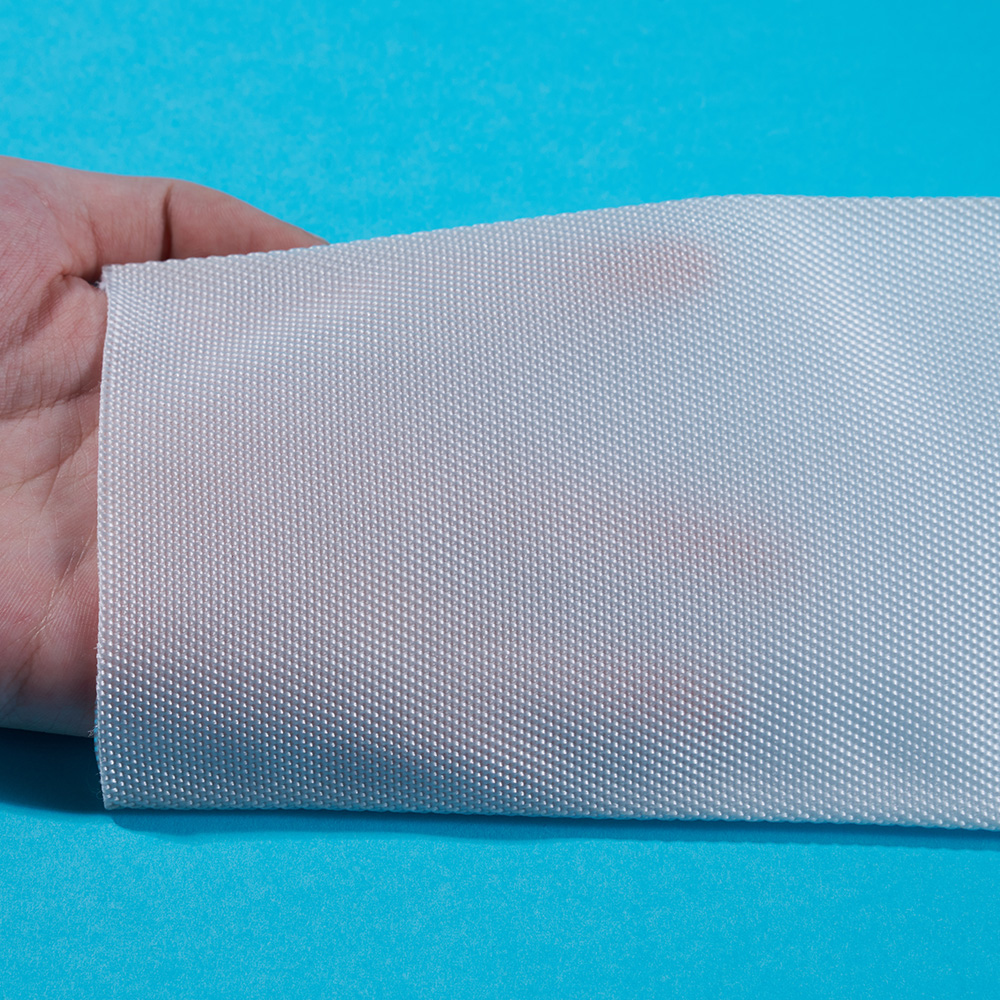
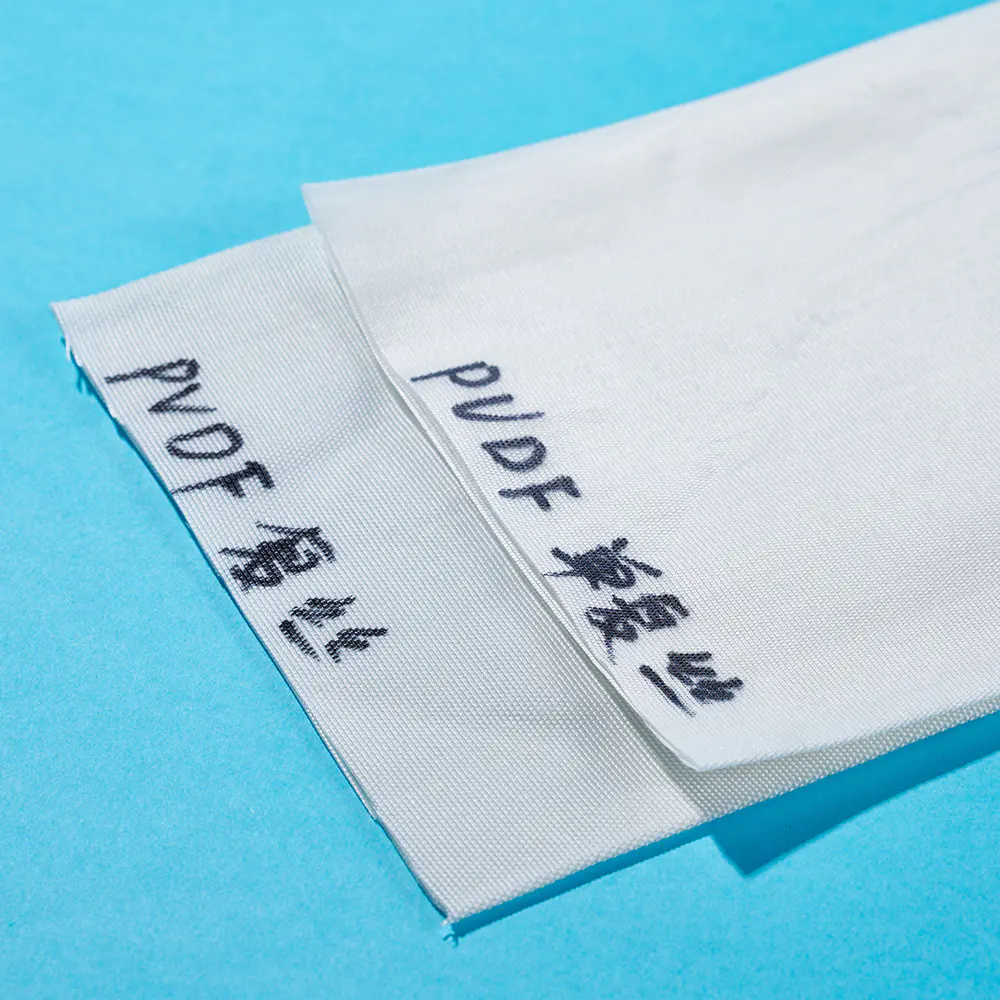
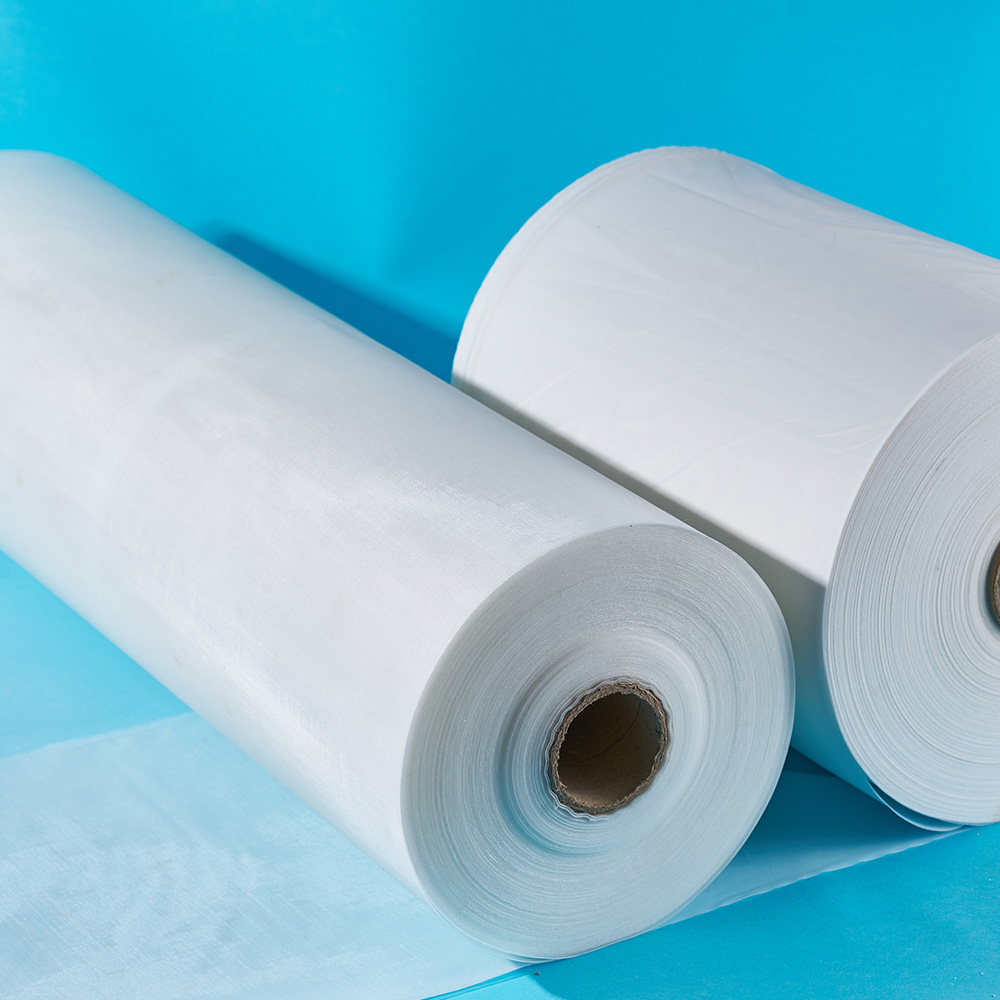
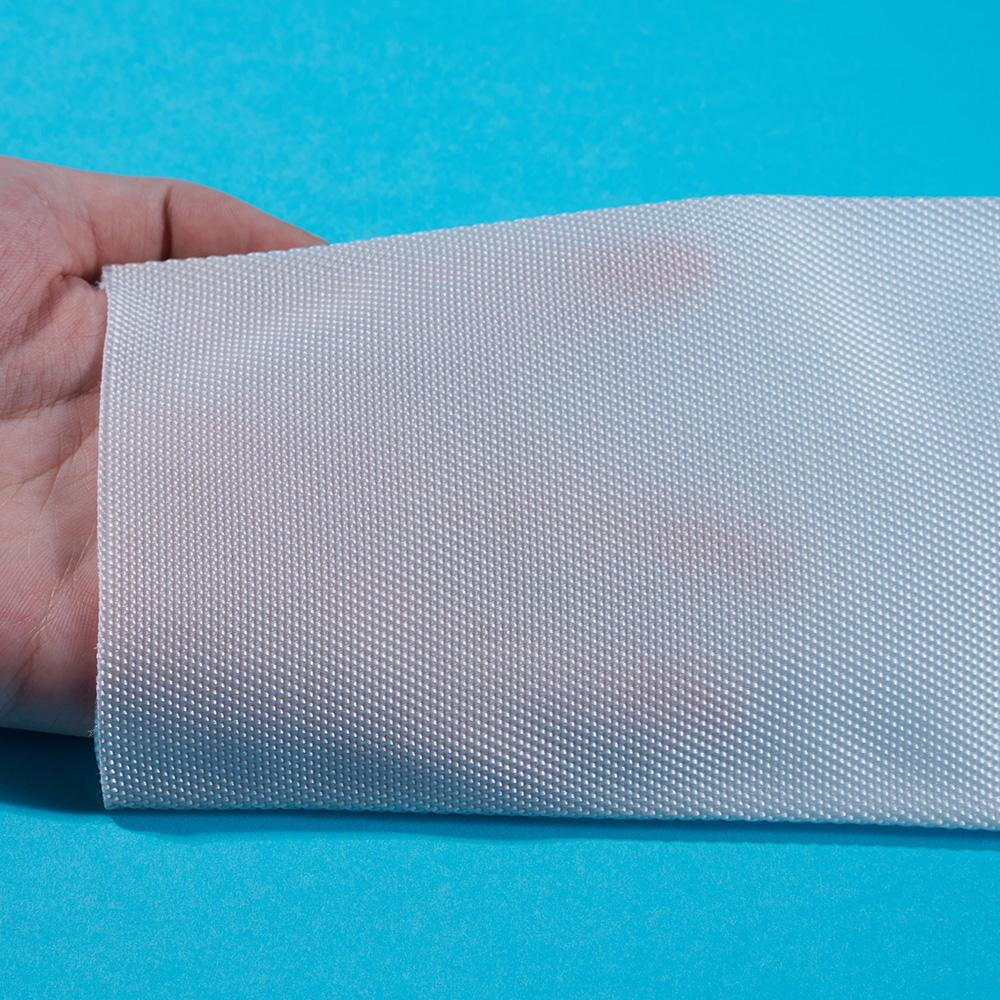
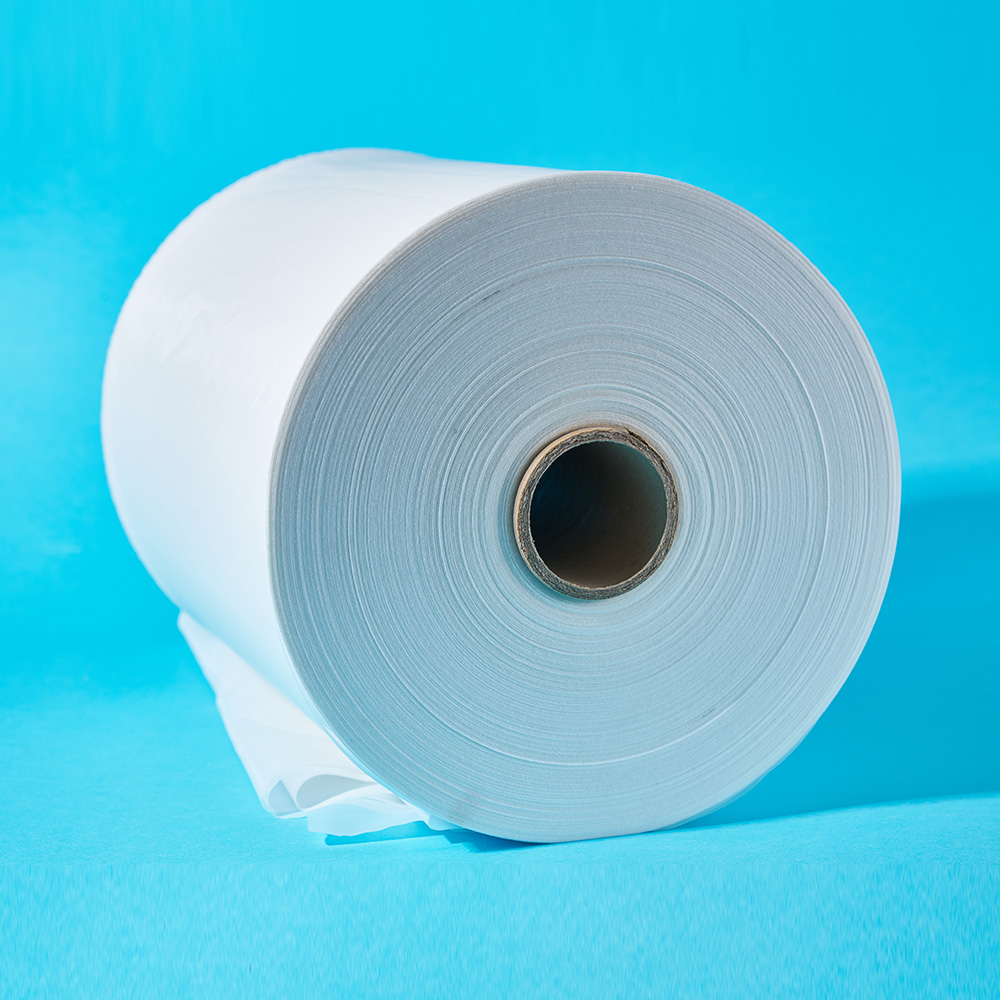
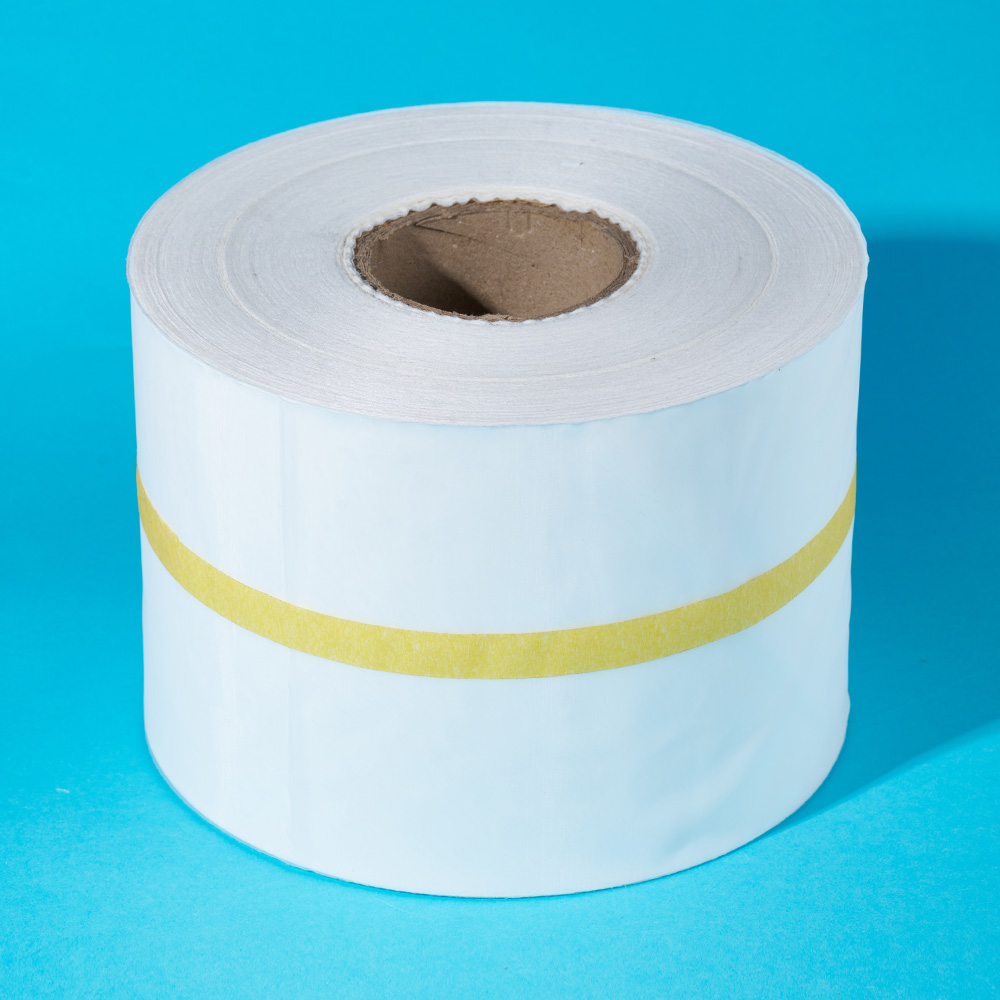
The company has professional and technical personnel, focusing on a variety of monofilament screens, multifilament filter cloth products, products suitable for strong acid and alkali resistance, wear resistance, high temperature resistance. We are committed to providing professional technical services for global users.

View More
Yueqing Ruihong Filtration Technology Co., Ltd.
  • +
More than 600 Global
Cooperative Customers
Yueqing Ruihong Filtration Technology Co., Ltd.
Engineering Precision Filtration Proven in
Extreme Conditions Worldwide.
  • Yueqing Ruihong Filtration Technology Co., Ltd.
    5+ Patented
    Materials Since 2022
  • Yueqing Ruihong Filtration Technology Co., Ltd.
    Resists 98% Concentrated
    Acids at 200°C
  • Yueqing Ruihong Filtration Technology Co., Ltd.
    50 Countries Served with
    Local Support
  • Yueqing Ruihong Filtration Technology Co., Ltd.
    Enterprise-Grade
    Customized Services
Yueqing Ruihong Filtration Technology Co., Ltd.
Design and Manufacturing on Demand
The high durability and practicality of our filter screens and filter cloths are based on our full understanding of your needs and actual conditions to ensure that our product performance exceeds your expectations.
  • PVDF (Polyvinylidene Fluoride) Woven Filter Mesh
  • PFA (Polyfluoroalkoxy) Woven Filter Mesh
  • PA (Nylon) Seamless Filter Cloth for Candle Filter
  • PVDF (Polyvinylidene Fluoride) Seamless Filter Cloth for Candle Filter
  • PTFE (Polytetrafluoroethylene) Seamless Filter Cloth for Candle Filter
  • PPS (Polyphenylene Sulfide) Seamless Filter Cloth for Candle Filter
  • PVDF (Polyvinylidene Fluoride) Woven Filter Mesh
  • PFA (Polyfluoroalkoxy) Woven Filter Mesh
  • PA (Nylon) Seamless Filter Cloth for Candle Filter
  • PVDF (Polyvinylidene Fluoride) Seamless Filter Cloth for Candle Filter
  • PTFE (Polytetrafluoroethylene) Seamless Filter Cloth for Candle Filter
  • PPS (Polyphenylene Sulfide) Seamless Filter Cloth for Candle Filter
Filtering Innovation into
the Future of Critical Industries.
Having served 50 countries and regions worldwide with our products
and technical solutions, we welcome inquiries and collaboration
opportunities.
Yueqing Ruihong Filtration Technology Co., Ltd.
LATEST NEWS
View More
  • In the vast field of industrial separation and filtration, a specific type of material is valued for its clarity, durability, and straightforward functionality: the monofilament filter screen. Woven from single, continuous strands of synthetic polymer, the monofilament filter screen presents a distinct structural and performance profile compared to multifilament fabrics. Its design prioritizes defined aperture size, smooth surface flow, and resistance to blinding, making it a fundamental component in applications ranging from mineral processing and water intake to food production and architectural shading.

    The defining feature of a monofilament filter screen is its construction from individual, solid filaments—typically of materials like polypropylene, polyester, or nylon. These filaments are woven together in precise patterns, commonly a plain or twill weave, to create a sheet with uniform, geometrically defined openings or apertures. This structure is inherently rigid and stable. Unlike fabrics made from bundled fine threads, the openings in a monofilament filter screen are clear and unobstructed, allowing for precise size-based separation. Particles larger than the aperture are retained on the surface, while smaller particles pass through, making the monofilament filter screen an ideal tool for screening, sizing, and dewatering tasks.

    A primary advantage of the monofilament filter screen is its outstanding cake release and resistance to blinding. Because the weaving points are where the filaments cross, the surface remains relatively smooth. This smoothness prevents fine particles from becoming deeply entangled in the fabric, a common issue with rougher, textured surfaces. When used as a filter medium, solids tend to form a cake on top of the monofilament filter screen rather than within it. This cake can often be discharged more cleanly and completely, making the monofilament filter screen highly effective for continuous processes like vibrating screens, belt filters, and centrifugal separators where maintaining high throughput is critical.

    The application scope for monofilament filter screen products is exceptionally broad. In mining and aggregates, they are used on vibrating screens to size crushed ore, gravel, and sand. In food processing, monofilament filter screen panels made from food-grade polymers separate solids from liquids or classify products like starch or sugar. They serve as intake screens for water pumps and irrigation systems, protecting machinery from debris. Beyond filtration, the precise weave and durability of monofilament filter screen materials make them suitable for architectural uses, such as solar shading and privacy screens, and for safety applications like machine guards.

    Material selection and manufacturing precision are crucial to the performance of a monofilament filter screen. The diameter of the filament and the tightness of the weave determine the aperture size and the screen's open area—a key factor influencing flow rate and capacity. Manufacturers offer monofilament filter screen products in a wide range of micron ratings and mesh counts to suit specific separation criteria. The synthetic polymers used provide good resistance to abrasion, many chemicals, and moisture, ensuring long service life in demanding environments. For specialized needs, monofilament filter screen products can be heat-set for dimensional stability or treated with coatings to alter surface properties.

    Innovation in monofilament filter screen technology focuses on enhancing performance for specific challenges. Developments include the use of advanced engineering plastics that offer higher temperature resistance or improved wear characteristics for badly abrasive materials. As industries continue to seek more efficient, reliable, and low-maintenance separation solutions, the monofilament filter screen will remain a versatile and indispensable tool, valued for its simple yet highly effective principle of providing a clear, consistent barrier for size-based separation.

    +  READ MORE

  • In the critical processes of industrial filtration, wastewater treatment, and mineral processing, the selection of the filtration medium is paramount. A technology that provides a balance of strength, precise particle retention, and clean operation is multifilament filter fabric. This material, woven from yarns comprised of multiple fine filaments twisted together, stands in contrast to monofilament fabrics made from single, coarse strands. The unique structure of multifilament filter fabric offers distinct advantages for applications demanding fine filtration, smooth surface finish, and reliable performance under various pressures and chemical conditions.

    The defining characteristic of multifilament filter fabric lies in its yarn construction. Each yarn is made from dozens of badly fine synthetic filaments, typically of materials like polypropylene, polyester, or nylon. These filaments are bundled and twisted to form a single, cohesive yarn. When woven, these yarns create a dense network with a high number of interstitial spaces. This structure results in a fabric with a smoother surface texture compared to monofilament weaves. The primary filtration mechanism in multifilament filter fabric is depth filtration, where particles are trapped within the three-dimensional maze of the fabric, not just on its surface. This allows for outstanding particle retention and often leads to the formation of a more stable filter cake, which itself becomes part of the filtering medium.

    A key advantage of multifilament filter fabric is its ability to achieve very fine levels of particle retention. The dense weave of fine filaments can be engineered to specific pore sizes, making it highly effective for applications where clarity of the filtrate is essential. This makes multifilament filter fabric a preferred choice in sectors such as chemical processing, where it filters catalysts and pigments, in food and beverage production for clarifying liquids, and in municipal sludge dewatering where capturing fine solids is critical for environmental compliance. The fabric's structure also provides good resistance to blinding, as particles can lodge within the fabric's depth without completely sealing the surface.

    Durability and dimensional stability are important attributes of quality multifilament filter fabric. The twisted yarn construction contributes to high tensile strength and resistance to elongation under the significant tension experienced on filter presses, belt presses, and other dewatering equipment. Manufacturers can treat the fabric with calendering processes, where heat and pressure are applied to flatten the yarns. This further smooths the surface, can reduce pore size slightly, and enhances cake release properties, making the multifilament filter fabric easier to clean and extending its service life in continuous operations.

    The application of multifilament filter fabric is versatile but often leans towards processes requiring fine filtration and a clean filtrate. It is extensively used in filter press cloths, where its ability to form a tight seal and produce a clear effluent is valued. In belt filter presses for wastewater treatment, multifilament filter fabric provides the necessary strength and fine retention to efficiently dewater biosolids. The choice between a multifilament or monofilament fabric depends on the specific slurry characteristics; multifilament filter fabric is often selected for finer, slimy, or compressible materials.

    Innovation in multifilament filter fabric technology focuses on enhancing performance and longevity. Developments include the use of advanced polymer blends for improved chemical and thermal resistance, hybrid weaves that combine multifilament and monofilament yarns to optimize both cake release and fine retention, and surface treatments that impart anti-static or easy-clean properties.

    +  READ MORE

  • In recent years, the filtration sector has witnessed a quiet yet profound evolution, driven largely by advancements in material science and engineering. Among these developments, multifilament filter cloth has steadily risen to prominence, establishing itself as a cornerstone technology for a diverse array of industrial applications. Unlike its monofilament counterpart, which is woven from single, continuous strands, multifilament filter cloth is constructed from multiple fine filaments twisted or bundled together into a single yarn. This fundamental structural difference unlocks a unique combination of properties that is proving indispensable for modern separation processes.

    The inherent advantage of multifilament filter cloth lies in its predominant performance profile. The dense network of fine filaments creates a smoother surface with a greater number of interstitial spaces, allowing for exceptionally fine particle retention. This makes it particularly effective in applications where clarity of the filtrate is paramount. Furthermore, the complex yarn structure offers outstanding stability and durability under pressure, resisting elongation and maintaining precise pore size distribution over extended operational cycles. This consistency is critical for ensuring predictable and reliable filtration outcomes, small product loss and process variability.

    The material versatility of multifilament filter cloth further broadens its appeal. It can be manufactured from a wide range of synthetic polymers, including polypropylene, polyester, and nylon, each selected for its specific chemical resistance, thermal stability, and mechanical strength. Polypropylene multifilament cloth, for instance, is widely favored for its outstanding resistance to acids and alkalis, making it a mainstay in chemical processing and mineral dewatering. Polyester variants, known for their robustness and resistance to abrasion, find heavy use in demanding sectors like ceramics and pigments. This adaptability allows engineers to specify a fabric superb tailored to the chemical and physical challenges of their specific process.

    In practical application, multifilament filter cloth is demonstrating significant impact across key industries. In the environmental sector, it is crucial for municipal and industrial wastewater treatment, where its fine filtration capabilities help meet stringent discharge regulations by efficiently removing suspended solids. The mining and metallurgy industries rely on it for dewatering concentrates and tailings, where its ability to handle abrasive slurries and produce dry cake is invaluable for resource recovery and waste management. Similarly, in food and beverage production, specific grades of multifilament cloth ensure hygienic separation, contributing to product purity and safety.

    The operational benefits extend beyond mere separation efficiency. The robust nature of high-quality multifilament filter cloth contributes to longer service life and reduced downtime. When maintenance is required, many modern weaves are designed for easier cake release and cleaning, enhancing overall operational productivity. These factors collectively contribute to a lower total cost of ownership, making it an economically sound investment despite potentially higher initial costs compared to some alternatives.

    Innovation in multifilament filter cloth technology continues. Developments are focused on enhancing surface treatments to further improve cake release properties, integrating composite materials for specialized applications, and refining weaving patterns to optimize flow rates and durability simultaneously. As global industries face increasing pressure to improve efficiency, sustainability, and product quality, the role of advanced filtration media becomes ever more critical. Within this landscape, multifilament filter cloth stands out not merely as a component, but as a key enabler of cleaner processes, higher yields, and more responsible industrial operations, solidifying its status as an essential material for the future of filtration.

    +  READ MORE

  • Industrial filtration systems are essential for maintaining stable production, protecting equipment, and meeting environmental requirements. Whether dealing with liquids, gases, or airborne particles, filtration performance largely depends on the textile materials used. Industrial Liquid Filter Cloth, Gas Filtration Filter Mesh, and Dust Collection Filter Fabric are widely applied across different industries, each designed to address specific filtration challenges. Understanding how these materials function and where they are applied helps manufacturers choose suitable solutions for long-term operation.

    Why Filtration Textiles Matter in Industrial Processes

    Filtration textiles act as the physical barrier between contaminants and the process stream. Their structure determines how particles are captured, how fluids or gases flow, and how often the system needs maintenance. In industrial settings, filtration materials must handle continuous operation, variable pressure, and exposure to chemicals or heat.

    Unlike disposable filters used in consumer products, industrial filtration textiles are selected with durability and consistency in mind. The choice between cloth, mesh, or fabric is often influenced by the phase being filtered—liquid, gas, or dust—and by operational priorities such as cleaning method and service life.

    What Defines Industrial Liquid Filter Cloth?

    Industrial Liquid Filter Cloth is designed to separate solid particles from liquid streams. It is commonly used in processes such as wastewater treatment, mining slurry filtration, and chemical processing. The cloth structure allows liquid to pass through while retaining solids on the surface or within the fabric.

    This type of filter cloth is often woven or needle-punched using synthetic fibers such as polyester or polypropylene. These materials provide resistance to moisture, chemicals, and mechanical stress, which is critical in continuous liquid filtration environments.

    Common Characteristics

    • Controlled pore size for consistent separation
    • Stable performance under wet conditions
    • Compatibility with pressure or vacuum filtration
    • Suitability for repeated cleaning cycles

    In many filtration presses and belt filters, industrial liquid filter cloth plays a central role in maintaining stable flow and solid capture efficiency.

    How Gas Filtration Filter Mesh Works

    Gas Filtration Filter Mesh is used to remove particles from air or process gases. Unlike liquid filtration, gas filtration must consider airflow resistance, particle rebound, and static pressure. Mesh-based structures offer predictable airflow behavior and mechanical strength.

    Gas filter mesh is often made from woven synthetic fibers or metal wires, depending on temperature and chemical exposure. The open structure allows gas to flow freely while intercepting dust, mist, or solid contaminants.

    Typical Applications

    • Industrial ventilation systems
    • Chemical process gas filtration
    • Compressor air intake protection
    • Emission control equipment

    Gas filtration mesh is frequently used as a pre-filter or support layer in multi-stage filtration systems, extending the service life of finer downstream filters.

    What Makes Dust Collection Filter Fabric Different?

    Dust Collection Filter Fabric is specifically designed for capturing airborne particles in industrial environments. It is commonly used in baghouse systems, cartridge collectors, and central dust extraction units. The fabric structure supports surface or depth filtration, depending on the application.

    Dust collection fabrics often rely on a dust cake forming on the surface, which enhances filtration efficiency over time. The fabric must balance particle capture with air permeability to maintain stable system pressure.

    Key Performance Factors

    • Particle release during pulse cleaning
    • Resistance to abrasion from dust
    • Stability under continuous airflow
    • Compatibility with temperature and humidity

    In industries such as cement production, woodworking, and metal processing, dust collection fabric is critical for maintaining clean working conditions.

    Comparing Filtration Textile Types

    Although these materials serve different purposes, understanding their general differences helps guide selection. The table below provides a simple comparison:

    Feature Liquid Filter Cloth Gas Filter Mesh Dust Collection Fabric
    Filtration Medium Liquids Gases Airborne particles
    Structure Woven or nonwoven cloth Woven mesh Felt or fabric
    Pressure Conditions Medium to high Low to medium Low
    Cleaning Method Washing, backflush Air purge, washing Pulse jet, shaking
    Typical Use Slurry, wastewater Ventilation, process gas Dust control systems

    Each textile type supports a different stage of industrial filtration rather than competing directly with one another.

    Selecting the Right Industrial Liquid Filter Cloth

    Choosing the appropriate industrial liquid filter cloth involves evaluating particle size, chemical exposure, and operating pressure. Fine particles may require tighter weaves, while higher flow rates benefit from more open structures.

    Cloth weight and weave pattern also influence cake release during cleaning. In press filters, easy cake discharge improves efficiency and reduces downtime. Proper cloth selection can significantly affect filtration cycle times and overall productivity.

    Performance Considerations for Gas Filtration Filter Mesh

    When selecting Gas Filtration Filter Mesh, airflow resistance is a primary concern. A mesh that is too dense may restrict flow, increasing energy consumption. A mesh that is too open may allow fine particles to pass through.

    Mesh strength and rigidity are also important, especially in systems exposed to vibration or fluctuating pressure. In some applications, layered mesh designs are used to balance particle capture and airflow stability.

    How Dust Collection Filter Fabric Supports System Stability

    Dust collection systems rely heavily on consistent fabric performance. Dust Collection Filter Fabric must release dust efficiently during cleaning cycles while maintaining structural integrity. If dust remains embedded, pressure drop increases and system efficiency declines.

    Fabric selection often considers dust type, particle abrasiveness, and moisture content. Some fabrics are treated to improve anti-static behavior or moisture resistance, helping them adapt to specific industrial conditions.

    Maintenance and Service Life Expectations

    Maintenance strategies differ depending on the filtration textile used. Industrial liquid filter cloth is often cleaned with water or chemical solutions and reused multiple times. Regular inspection ensures that the cloth maintains its permeability and mechanical strength.

    Gas filter mesh may require periodic washing or replacement depending on contamination levels. In contrast, dust collection fabrics depend heavily on effective pulse cleaning to maintain airflow. Monitoring pressure drop across the system helps determine when maintenance or replacement is needed.

    Industry Applications Across Sectors

    These filtration textiles are widely used across industries:

    • Water treatment: Liquid filter cloth supports solid-liquid separation.
    • Chemical processing: Gas filtration mesh protects downstream equipment.
    • Cement and mining: Dust collection fabric controls airborne particles.
    • Food processing: Textile filters help maintain clean production environments.

    Each application emphasizes different performance requirements, reinforcing the need for material-specific filtration solutions.

    Customization and System Integration

    Modern filtration systems often require customized textiles. Pore size, fabric weight, and surface treatment can be adjusted to meet specific process demands. Dust collection fabric may be tailored for temperature resistance, while gas mesh may be reinforced for mechanical stability.

    Customization allows filtration systems to adapt to changes in production volume, material properties, or environmental regulations without redesigning the entire system.

    Future Directions in Filtration Textiles

    Advances in fiber technology and textile engineering continue to influence filtration materials. Hybrid structures combining woven and nonwoven layers are becoming more common. Surface treatments that improve cleanability or chemical resistance are also gaining attention.

    As industries aim to reduce emissions and improve resource efficiency, filtration textiles will continue to evolve, supporting cleaner and more stable operations.

    Filtration textiles form the foundation of many industrial separation processes. Industrial Liquid Filter Cloth supports reliable solid-liquid separation, Gas Filtration Filter Mesh ensures stable airflow and equipment protection, and Dust Collection Filter Fabric manages airborne particles in demanding environments.

    By understanding how these materials differ in structure, performance, and maintenance needs, operators can select filtration solutions that align with their process conditions. Thoughtful material selection contributes to consistent performance, manageable maintenance, and long-term operational stability across a wide range of industrial applications.

    +  READ MORE

  • Industrial filtration plays a vital role in maintaining stable operations across manufacturing, energy, chemical processing, and environmental management. As production processes become more complex, Industrial Filtration Solutions must adapt to handle varying particle sizes, flow rates, and operating conditions. Among the materials used in filtration systems, mesh-based media remain widely applied due to their durability, adaptability, and consistent performance. In particular, monofilament and multifilament structures offer distinct characteristics that influence filtration efficiency and service life.

    Understanding Industrial Filtration in Practical Applications

    Filtration systems are designed to separate unwanted particles from liquids, gases, or process streams. In industrial settings, these systems protect equipment, maintain product quality, and support regulatory compliance. Industrial Filtration Solutions are not one-size-fits-all; they are usually customized based on operating pressure, temperature, chemical exposure, and maintenance requirements.

    Mesh-based filters are often selected when repeatability and mechanical stability are needed. Compared to nonwoven materials, woven mesh allows more predictable pore sizes and flow behavior, which is important for processes that demand stable performance over long operating cycles.

    What Is Monofilament Filter Mesh?

    Monofilament Filter Mesh is woven using single, continuous synthetic filaments. Each strand has a uniform diameter, creating a smooth and consistent surface. This structure allows for precise pore control, making monofilament mesh suitable for applications where accurate particle separation is required.

    Because of its smooth filament surface, monofilament mesh tends to release captured particles more easily during cleaning. This feature supports reuse and reduces maintenance downtime in industrial filtration systems.

    Key Characteristics of Monofilament Structures

    • Consistent pore geometry
    • Low flow resistance
    • Good mechanical stability
    • Easy cleaning and backwashing

    These features make monofilament mesh common in water treatment, chemical processing, and solid-liquid separation systems.

    How Multifilament Filter Mesh Differs in Structure

    In contrast, Multifilament Filter Mesh is woven from yarns composed of multiple fine filaments twisted together. This construction creates a more complex surface structure with increased internal voids. As a result, multifilament mesh can retain finer particles through depth filtration rather than surface filtration alone.

    The textured surface of multifilament yarns increases particle capture efficiency, particularly in applications where fine or irregular contaminants must be removed from process streams.

    Typical Benefits of Multifilament Mesh

    • Higher particle retention capacity
    • Enhanced depth filtration behavior
    • Suitable for viscous fluids
    • Stable performance under varying flow conditions

    Multifilament mesh is often used in applications such as food processing, pharmaceutical production, and specialty chemical filtration.

    Comparing Mesh Types in Industrial Filtration Solutions

    Choosing between monofilament and multifilament mesh depends on the specific demands of the filtration process. The table below outlines general differences to help guide selection:

    Feature Monofilament Mesh Multifilament Mesh
    Filament Structure Single continuous strand Multiple fine strands twisted
    Filtration Type Surface filtration Depth and surface filtration
    Cleaning Behavior Easy particle release Higher dirt-holding capacity
    Flow Resistance Lower Moderate
    Typical Applications Water, chemicals, coarse solids Fine particles, viscous media

    Both structures play important roles within Industrial Filtration Solutions, and selection is often based on performance balance rather than preference.

    Material Selection and Performance Considerations

    The effectiveness of Monofilament Filter Mesh depends not only on weave structure but also on material choice. Common materials include polyester, polyamide, and polypropylene. These polymers offer resistance to moisture, chemicals, and mechanical stress, making them suitable for industrial environments.

    Material selection influences temperature tolerance, chemical compatibility, and long-term durability. In aggressive environments, mesh materials must withstand repeated exposure without deforming or degrading.

    Where Multifilament Filter Mesh Excels

    Multifilament Filter Mesh performs well in processes where contaminant loads vary or where finer particles need to be captured without sacrificing throughput. The layered structure of multifilament yarns creates multiple contact points for particles, allowing gradual accumulation within the mesh depth.

    This characteristic is especially useful in batch filtration processes, where longer service intervals are preferred. Multifilament mesh also adapts well to applications involving oils, syrups, or high-viscosity fluids.

    Role of Mesh Filters in System Design

    When designing Industrial Filtration Solutions, engineers consider how the filter integrates with the overall system. Factors such as housing design, flow direction, pressure limits, and cleaning methods influence mesh selection.

    Monofilament mesh is often chosen for systems with automated backwashing, as particles detach easily from the smooth surface. Multifilament mesh may be selected for cartridge or bag filters, where extended filtration cycles are more important than frequent cleaning.

    Maintenance and Service Life Expectations

    Maintenance requirements differ between mesh types. Monofilament Filter Mesh generally supports frequent cleaning cycles without significant wear, which can extend operational life in continuous systems. Regular inspection ensures that mesh openings remain consistent and free from damage.

    For Multifilament Filter Mesh, maintenance focuses on monitoring particle loading and pressure drop. While cleaning is possible, replacement intervals may depend on how deeply contaminants embed within the yarn structure. Proper maintenance planning helps avoid unexpected downtime.

    Industry Applications and Use Cases

    Mesh-based filtration supports a wide range of industries:

    • Water and wastewater treatment: Monofilament mesh is used for screening and pre-filtration.
    • Food and beverage processing: Multifilament mesh helps remove fine particles without affecting product flow.
    • Chemical manufacturing: Both mesh types are used depending on particle size and solvent compatibility.
    • Mining and mineral processing: Durable mesh supports solid-liquid separation under heavy loads.

    These examples highlight how Industrial Filtration Solutions adapt mesh design to real-world operating conditions.

    Balancing Efficiency and Cost

    Cost considerations extend beyond initial material pricing. Filtration efficiency, service life, cleaning frequency, and system downtime all influence total operating cost. Monofilament Filter Mesh may reduce labor costs due to easier cleaning, while multifilament structures can lower replacement frequency in fine filtration tasks.

    A balanced evaluation considers long-term performance rather than short-term savings. Many systems combine different mesh types at various filtration stages to achieve stable results.

    Customization and Process Flexibility

    Modern filtration systems often require customized mesh specifications. Weave pattern, thread diameter, and mesh count can all be adjusted to match process requirements. Multifilament Filter Mesh allows additional flexibility in depth filtration design, while monofilament mesh supports precise pore targeting.

    This adaptability helps filtration systems respond to changing production demands without major redesigns.

    Future Directions in Mesh-Based Filtration

    As industries push for cleaner processes and tighter quality control, Industrial Filtration Solutions continue to evolve. Developments in synthetic fibers and weaving technology allow more consistent mesh structures and improved durability. Hybrid designs that combine monofilament and multifilament layers are also gaining attention for multi-stage filtration tasks.

    These trends suggest that mesh filtration will remain a core component of industrial systems, supported by ongoing material and design improvements.

    Mesh selection plays a significant role in shaping filtration performance across industrial applications. Monofilament Filter Mesh provides stable, easy-to-clean solutions for surface filtration, while Multifilament Filter Mesh supports deeper particle retention in more demanding environments. Together, these structures form a flexible foundation for modern Industrial Filtration Solutions.

    By understanding structural differences, material behavior, and system requirements, manufacturers and operators can make informed decisions that support consistent filtration performance, manageable maintenance, and long-term operational stability.

    +  READ MORE

  • In modern industrial operations, filtration plays a critical role in ensuring clean air, liquids, and fuels. The choice of Liquid/Gas/Fuel Filter Medium can greatly affect system performance, maintenance costs, and operational safety. Companies producing filters rely on different types of media to meet the specific demands of applications, ranging from industrial machinery to automotive engines. Understanding the characteristics and applications of each type is essential for designing effective filtration systems.

    What Is Filter Medium and Why Is It Important?

    A filter medium is the core material responsible for removing contaminants from liquids, gases, or fuels. It acts as a barrier, capturing particles while allowing the fluid or air to pass through. Selecting the right medium can improve equipment lifespan, maintain efficiency, and reduce downtime.

    Different applications require different media characteristics. For instance, Industrial Filter Medium is often designed for heavy-duty operations with high flow rates, while High Efficiency Filter Medium targets finer particles in sensitive systems. Liquid/Gas/Fuel Filter Medium is a broad category that addresses the diverse needs of air, water, and fuel filtration.

    How Does Liquid/Gas/Fuel Filter Medium Work?

    Liquid/Gas/Fuel Filter Medium serves to trap contaminants such as dust, dirt, rust, or microbial matter. Its effectiveness depends on factors like pore size, material composition, and layer thickness.

    • Liquid filtration: Captures suspended particles and protects pumps, engines, and hydraulic systems.
    • Gas filtration: Removes airborne particles that could damage sensitive equipment or compromise air quality.
    • Fuel filtration: Ensures clean fuel delivery, preventing engine wear or injector clogging.

    The performance of the medium is measured by efficiency ratings, pressure drop, and dirt-holding capacity. A well-designed filter medium can balance high efficiency with minimal flow resistance.

    Why Choose Industrial Filter Medium?

    Industrial Filter Medium is tailored for robust applications such as manufacturing plants, chemical processing, and large-scale HVAC systems. It is designed to handle high flow volumes and extended operational periods without significant pressure drop.

    Advantages

    • Durability: Able to withstand mechanical stress and prolonged exposure to fluids or gases.
    • Adaptability: Can be customized for specific contaminants or operating conditions.
    • Cost-effectiveness: Reduces maintenance frequency and replacement costs over time.
    • Versatility: Suitable for oil, water, air, and gas filtration systems.

    Industrial filter media often utilize synthetic fibers, cellulose blends, or metal mesh, depending on the filtration requirements. These materials ensure reliability in environments with varying temperatures, pressures, and chemical exposures.

    How Does High Efficiency Filter Medium Differ?

    High Efficiency Filter Medium focuses on capturing finer particles that standard industrial media may not retain. It is commonly used in environments where contamination control is critical, such as laboratories, pharmaceutical production, clean rooms, and precision manufacturing.

    Key features of high-efficiency media include:

    • Fine pore structure: Captures small dust, microbes, or submicron particles.
    • Low pressure drop: Maintains airflow or fluid movement without straining equipment.
    • Consistent performance: Retains filtering capacity over extended periods, even in high-load conditions.
    • Chemical and thermal resistance: Suitable for processes involving solvents, oils, or hot gases.

    By incorporating high-efficiency media, operators can improve overall system cleanliness and protect sensitive components from damage or contamination.

    Comparing Filter Media Types

    The following table highlights differences between common filter media types:

    Feature Industrial Filter Medium High Efficiency Filter Medium Liquid/Gas/Fuel Filter Medium
    Particle Retention Moderate Fine Varies by application
    Durability High Medium High
    Pressure Drop Moderate Low Depends on flow
    Applications Factories, plants Clean rooms, labs Automotive, HVAC, fuel systems
    Material Types Synthetic fibers, cellulose, metal mesh Microfiber, pleated media Blend of synthetic and natural fibers

    Understanding these differences helps engineers and operators select the right medium for their specific needs.

    How to Select the Right Filter Medium?

    Choosing the appropriate medium involves assessing application requirements, operational conditions, and maintenance expectations.

    • Contaminant Type and Size: Identify particles, microbes, or chemicals that need removal. High-efficiency media are preferable for submicron particles, while industrial media handle coarser debris.
    • Flow Rate and Pressure: Ensure the medium allows adequate flow without excessive pressure drop.
    • Chemical Compatibility: Consider exposure to oils, solvents, or corrosive substances.
    • Temperature Range: Select a medium that can withstand operational temperatures without degrading.
    • Maintenance Cycle: Evaluate dirt-holding capacity and replacement frequency to optimize operational cost.

    By carefully evaluating these factors, companies can ensure consistent system performance and reduce the risk of equipment damage.

    Applications of Liquid/Gas/Fuel Filter Medium

    Automotive and Fuel Systems

    Fuel systems require Liquid/Gas/Fuel Filter Medium to remove impurities that could clog injectors or damage engines. High-quality media ensure longer engine life and stable performance, even under high pressure and temperature fluctuations.

    Industrial Manufacturing

    Factories rely on Industrial Filter Medium to protect machinery and maintain air and water quality. Proper filtration prevents dust accumulation, reduces corrosion, and ensures that sensitive processes run smoothly.

    Healthcare and Laboratories

    In pharmaceutical labs and hospitals, High Efficiency Filter Medium removes tiny particles and microbial contaminants. These media maintain sterility, improve product quality, and meet strict regulatory standards.

    HVAC and Environmental Control

    HVAC systems in office buildings or industrial facilities benefit from a combination of industrial and high-efficiency media. Industrial media handle dust and large particles, while high-efficiency media capture finer particles, improving indoor air quality.

    Material Considerations for Filter Media

    The choice of material directly affects the performance of the filter medium:

    • Cellulose-based media: Affordable, widely used in liquid filtration.
    • Synthetic fibers: Durable, resistant to chemical exposure, suitable for industrial applications.
    • Microfiber or nanofiber layers: Used in high-efficiency applications for capturing submicron particles.
    • Metal meshes: Provide structural support and are reusable in some industrial systems.

    Selecting the right material ensures that the medium performs effectively without clogging, breaking down, or losing efficiency over time.

    Maintenance and Longevity

    Proper maintenance extends the life of filter media and improves system reliability. Key steps include:

    • Regular inspection: Check for clogging, tears, or chemical damage.
    • Scheduled replacement: Follow manufacturer recommendations to avoid performance loss.
    • Cleaning procedures: Some industrial or metal media can be cleaned and reused, while synthetic or high-efficiency media may require complete replacement.

    Maintenance planning is essential to avoid unexpected downtime and maintain consistent filtration quality.

    Future Trends in Filter Media

    Advancements in filter media technology continue to improve efficiency and adaptability:

    • Nanofiber media: Enhance high-efficiency performance without increasing pressure drop.
    • Hybrid media: Combine multiple layers or materials to capture a wider range of contaminants.
    • Sustainable materials: Develop biodegradable or recyclable media to reduce environmental impact.
    • Smart filters: Sensors integrated with filters can monitor flow, pressure drop, and contamination levels in real time.

    These innovations allow filtration systems to adapt to stricter environmental regulations, higher operational demands, and more sensitive applications.


    Choosing the right filter medium is critical for reliable filtration performance. Liquid/Gas/Fuel Filter Medium ensures clean fuels, air, and liquids for safe and efficient operation. Industrial Filter Medium supports robust, high-flow applications, while High Efficiency Filter Medium captures fine particles for sensitive environments.

    By understanding material properties, application requirements, and operational conditions, engineers and operators can select media that improve system longevity, reduce maintenance costs, and maintain efficiency. Incorporating proper maintenance and considering emerging technologies further enhances performance, ensuring that filtration systems meet the demands of modern industry.

    +  READ MORE

Ready for Extreme Filtration Challenges?
Consult Our Engineers for Custom Solutions