عربى
عربى
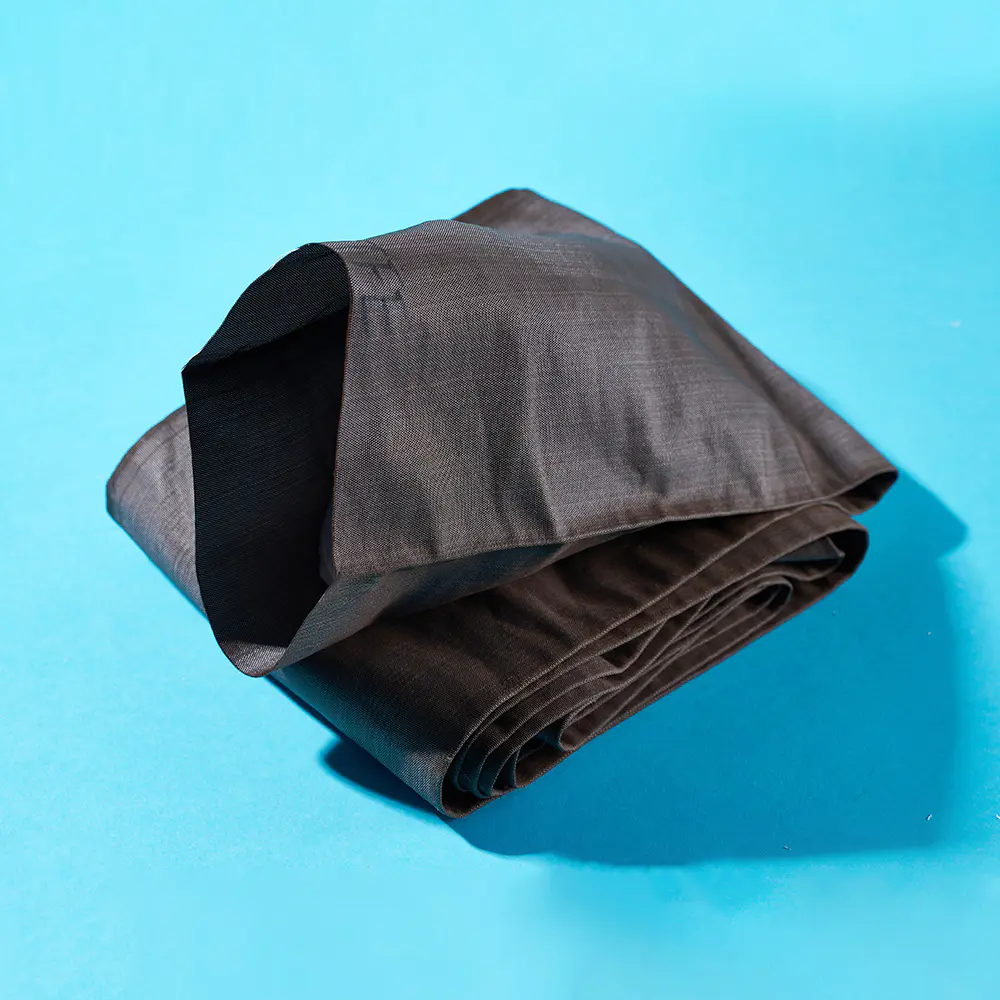
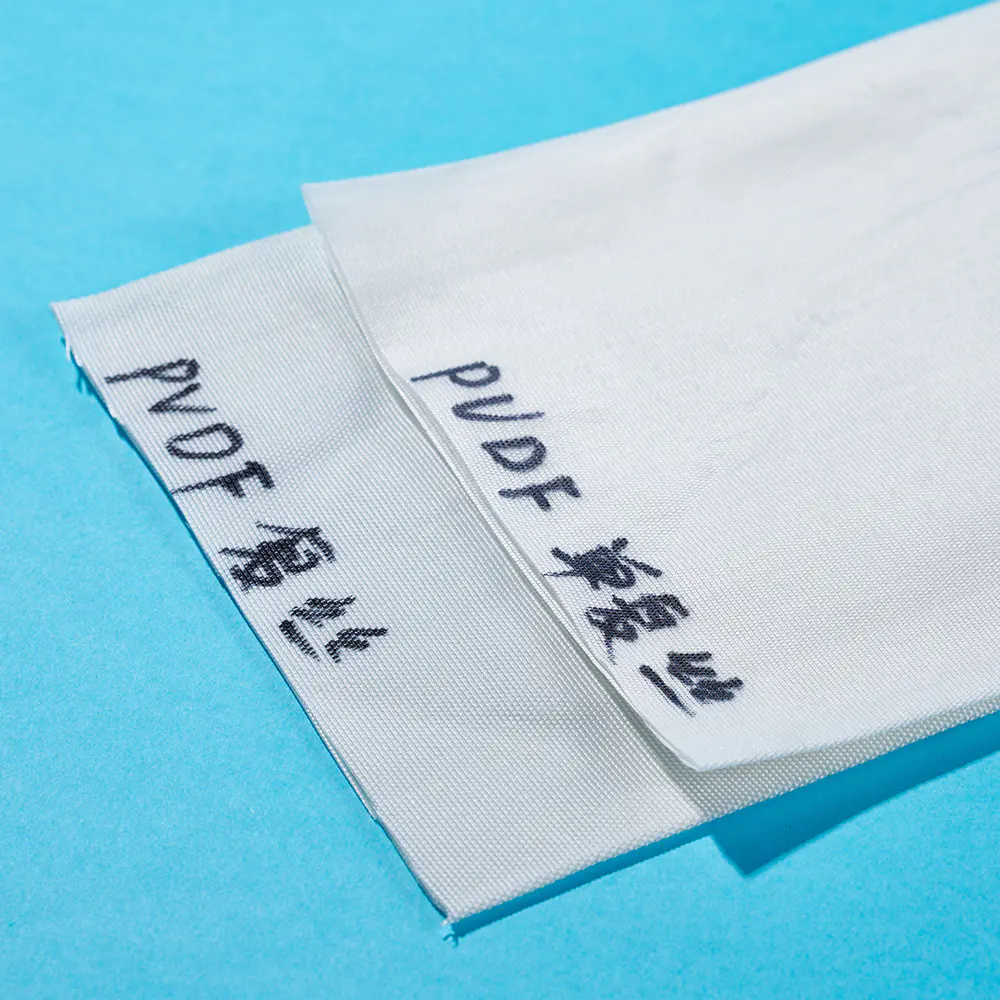
Across numerous industrial, commercial, and residential applications, a specific material solution is integral to effective separation and filtration processes: the nylon (PA) mesh filter screen. This engineered product, crafted from woven or extruded strands of polyamide (nylon), offers a versatile and durable solution for tasks requiring the screening of solids from liquids or gases. The widespread use of the nylon (PA) mesh filter screen underscores its advantages, including chemical resistance, flexibility, and consistent mesh precision, making it a standard component in sectors ranging from water treatment to food processing.
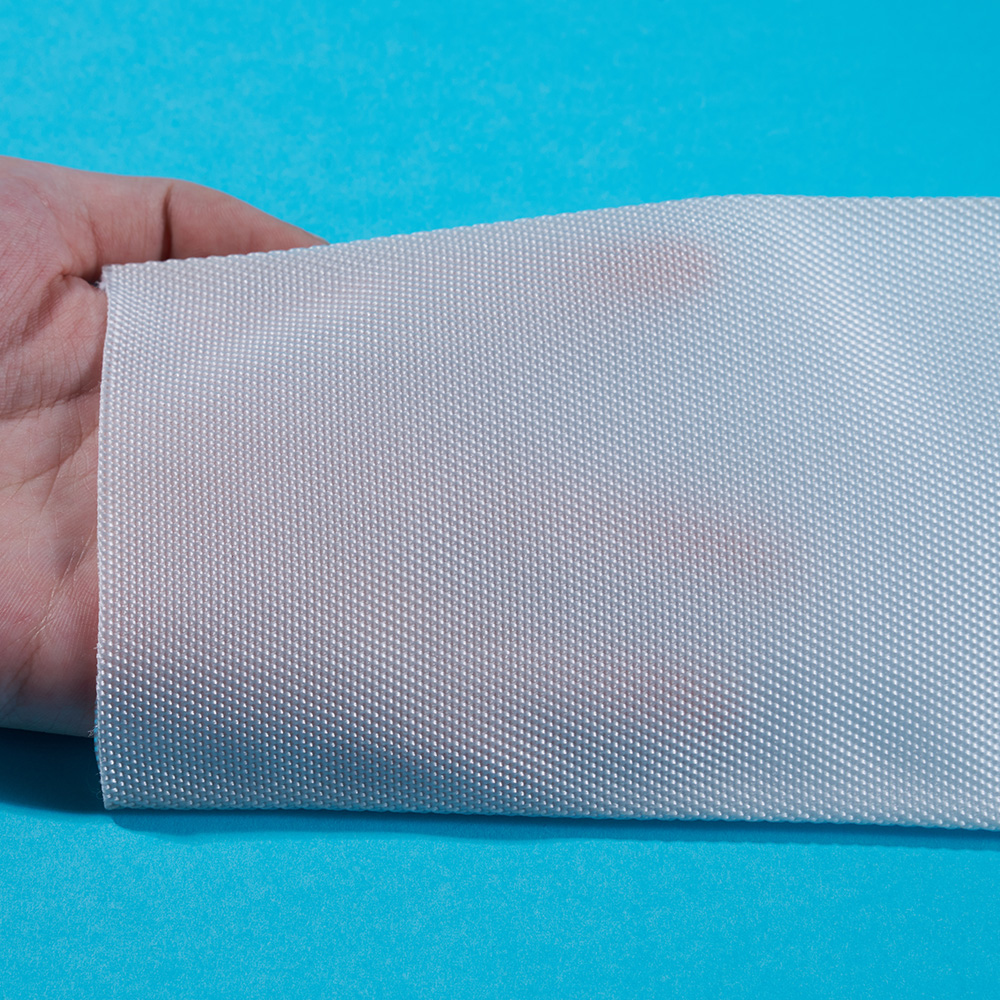
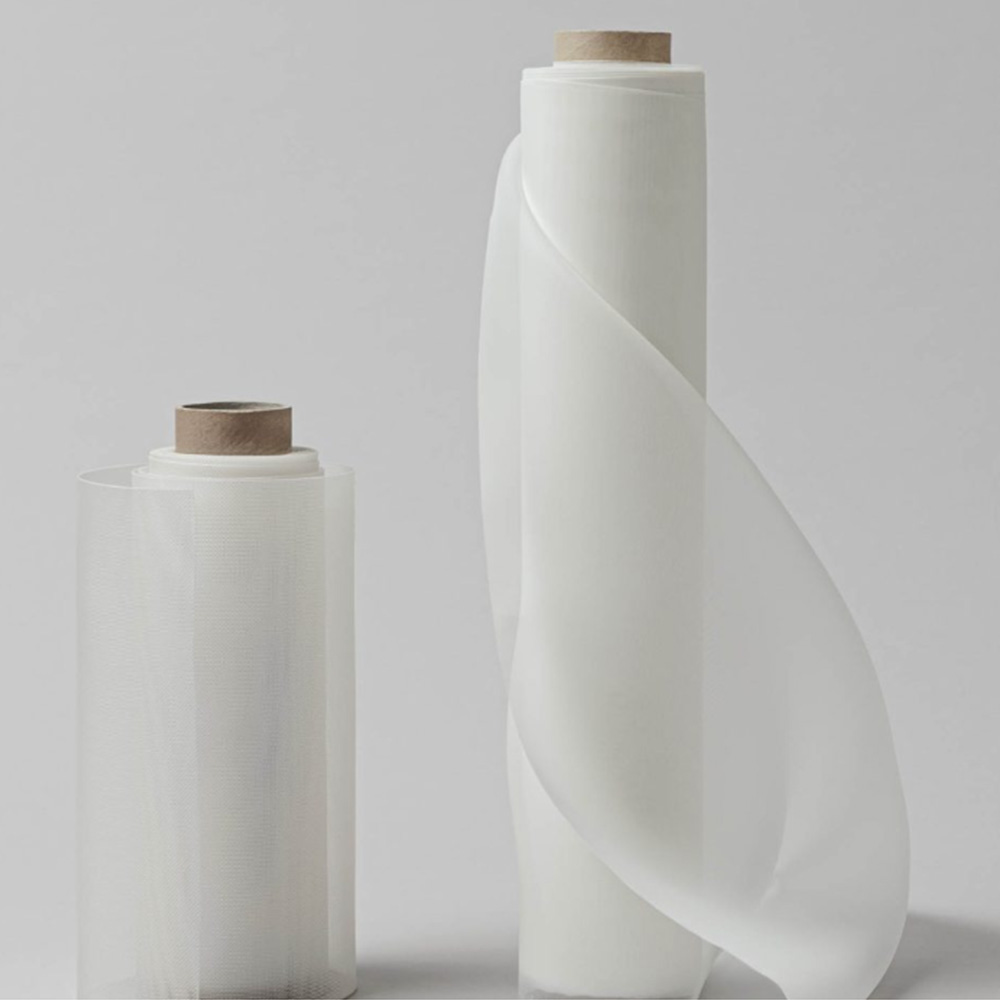
The primary function of a nylon (PA) mesh filter screen is to act as a physical barrier, allowing certain substances to pass while capturing others based on particle size. The effectiveness of a nylon (PA) mesh filter screen is defined by its mesh count—the number of openings per linear inch—and the thickness of its monofilament fibers. These parameters determine the screen's nominal filtration rating. Nylon, as a polymer, provides inherent benefits for this role. It demonstrates good resistance to abrasion and many common chemicals, oils, and solvents. Furthermore, the nylon (PA) mesh filter screen maintains flexibility and dimensional stability across a useful temperature range, allowing it to be fabricated into various shapes, including flat sheets, bags, and cylindrical sleeves.
The application of the nylon (PA) mesh filter screen is extensive. In water filtration systems, from simple household strainers to complex industrial pretreatment stages, the nylon (PA) mesh filter screen is used to remove sediment, rust particles, and other suspended solids. Within the food and beverage industry, a nylon (PA) mesh filter screen is employed in processes like straining juices, filtering brewing ingredients, and sieving powders, where its non-toxic and often food-contact-compliant properties are essential. Other common uses for the nylon (PA) mesh filter screen include window and door screens for insect protection, safety guards on machinery, and sieving screens in construction for grading aggregates.
The production and specification of a nylon (PA) mesh filter screen involve considerations for both performance and longevity. Manufacturers produce it through precision weaving looms or extrusion processes to ensure uniform pore sizes. The material can be treated or manufactured with specific characteristics; for instance, a nylon (PA) mesh filter screen might be dyed for UV resistance in outdoor applications or calendared (heat-pressed) to achieve a flatter, more stable surface. When selecting a nylon (PA) mesh filter screen, engineers must balance the desired flow rate, which is higher with a more open mesh, against the required filtration fineness. The durability of the nylon (PA) mesh filter screen also makes it suitable for reusable applications where it can be backwashed or cleaned for repeated use.
The role of the nylon (PA) mesh filter screen remains secure, though its evolution continues. Innovations may focus on surface modifications to reduce fouling or to impart oleophobic or hydrophobic properties to specific versions of the nylon (PA) mesh filter screen. The integration of the nylon (PA) mesh filter screen into more complex, modular filter cartridge designs is also a constant development. As industries worldwide emphasize process efficiency, product purity, and resource management, the fundamental utility of a dependable, chemically resistant, and precisely woven filter medium ensures that the nylon (PA) mesh filter screen will persist as a fundamental and adaptable tool in filtration technology.