عربى
عربى
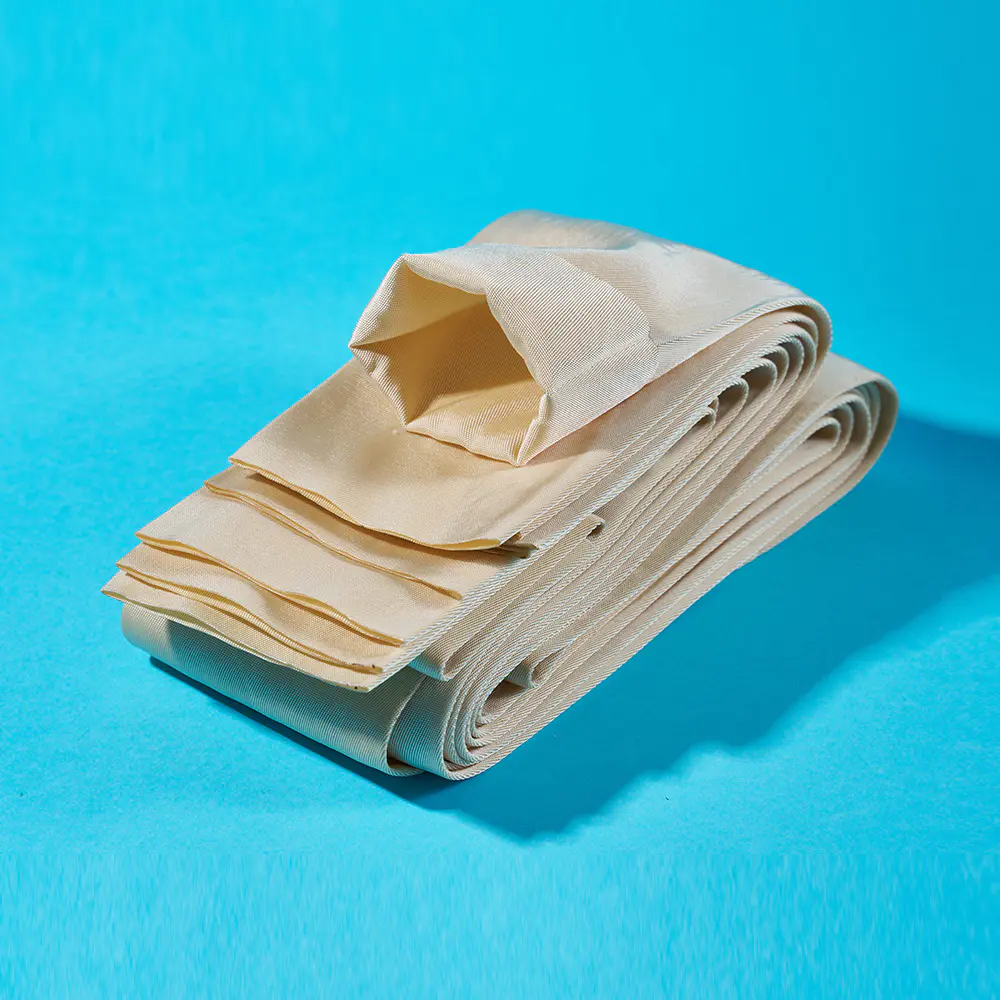
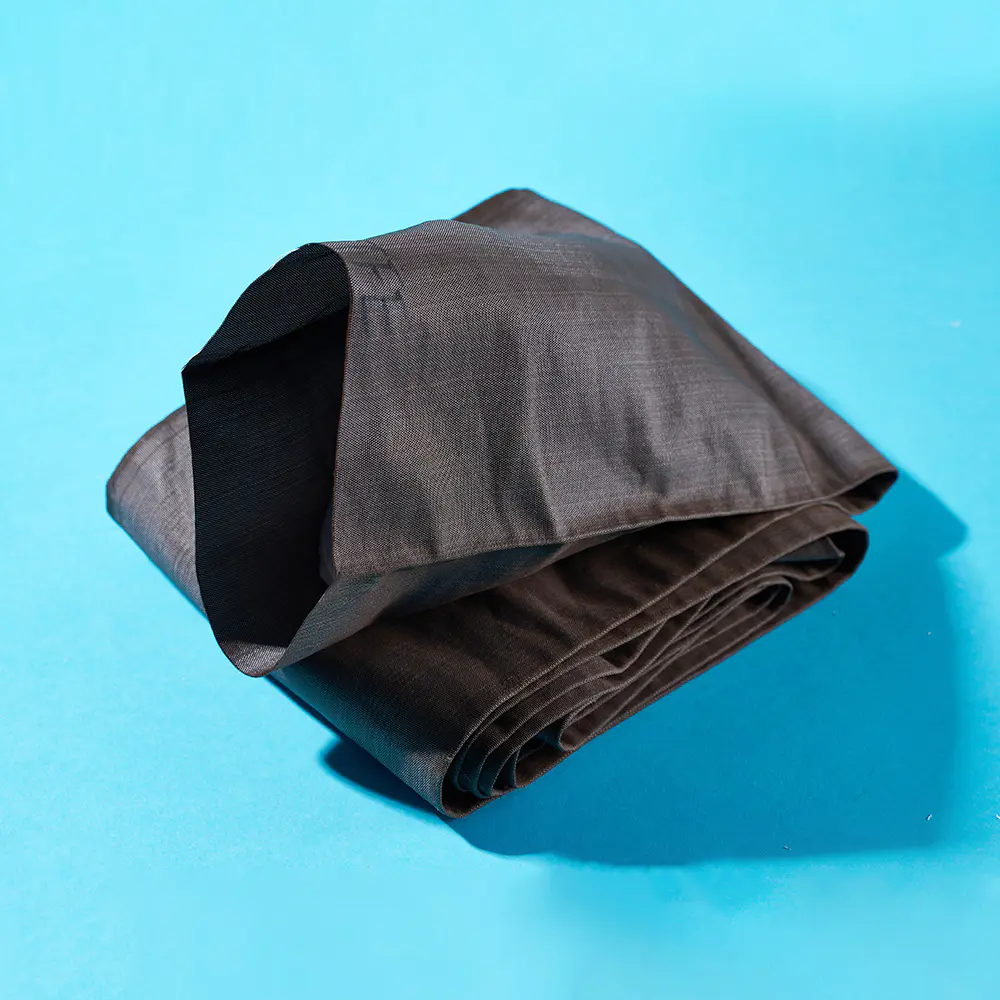
In filtration systems where continuous operation and small downtime are critical, a specialized type of medium has become essential: the backwash filter cloth. This fabric is not a disposable liner but a durable, engineered component designed to be cleaned in-place through a reverse flow process known as backwashing. Used in pressure filters, sand filters, and certain membrane systems, the backwash filter cloth enables automated regeneration, allowing filtration systems to run for extended periods without manual intervention to replace or clean the media.
The core function of a backwash filter cloth is to capture suspended solids from a liquid stream while being capable of efficient, repeated cleaning. During normal operation, the liquid flows through the cloth, which retains particles on its surface or within its depth. Over time, this accumulation increases pressure drop. To restore flow, the system initiates a backwash cycle: the flow is reversed, and clean liquid (often filtrate or a separate source) is forced backward through the backwash filter cloth at a higher velocity. This hydraulic action dislodges the trapped solids, flushing them out to waste and rejuvenating the cloth's permeability. The design of the backwash filter cloth is therefore a balance between effective filtration and ideal cleaning characteristics.
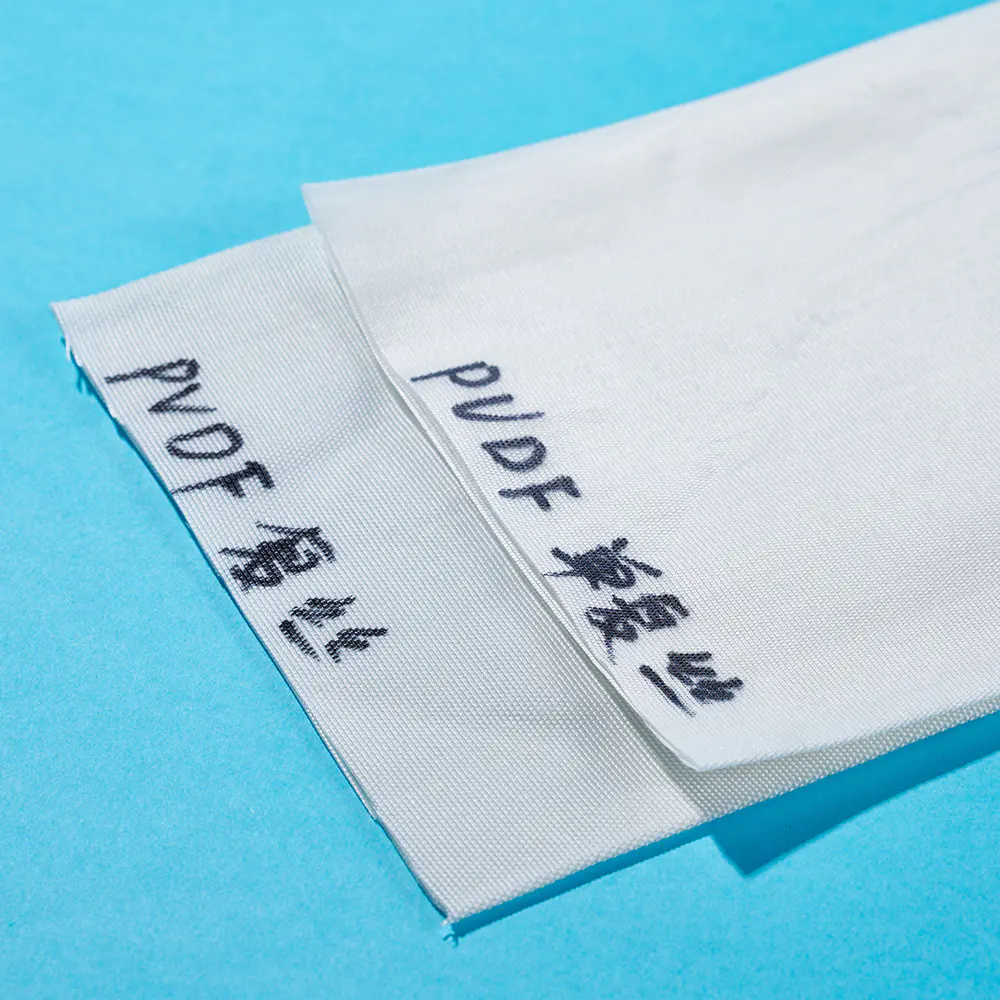
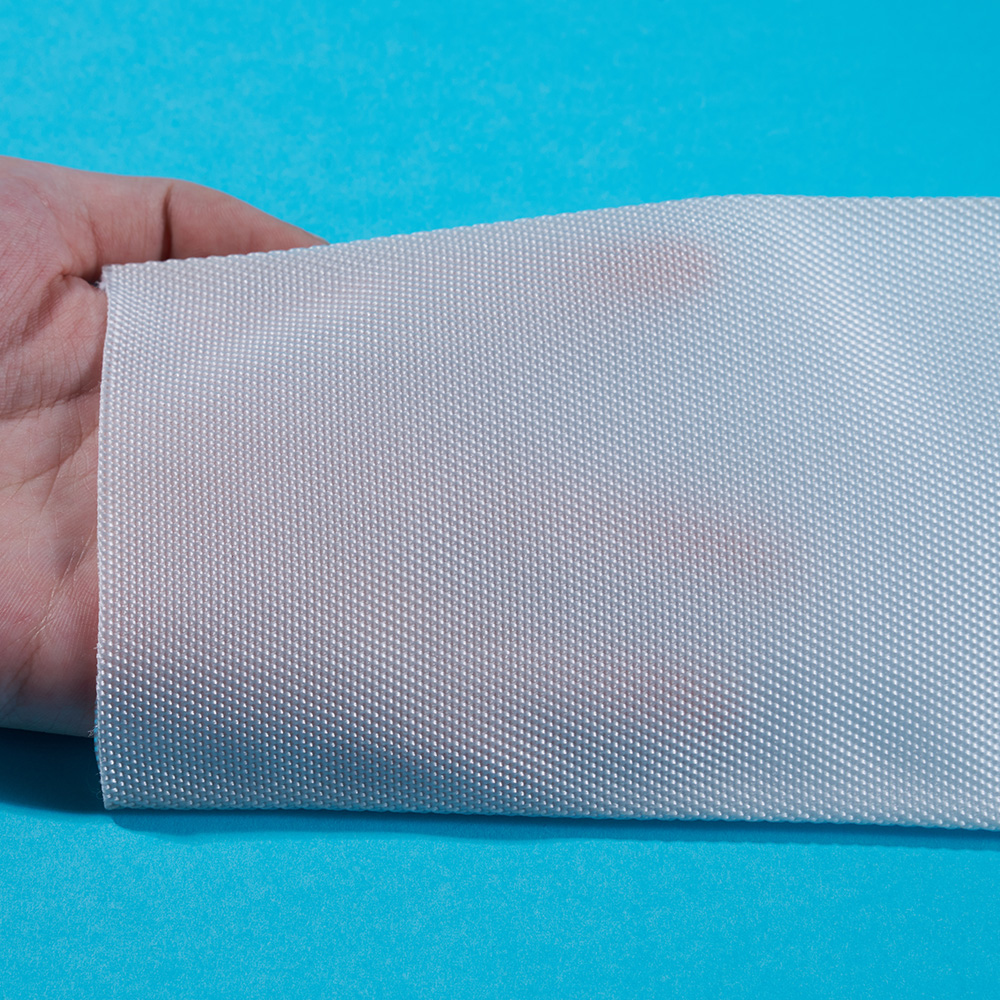
A key requirement for a successful backwash filter cloth is dimensional stability and resistance to mechanical stress. The fabric must withstand the significant forces of repeated reverse flow without stretching, tearing, or delaminating. This demands robust construction, often using high-tenacity synthetic yarns like polyester or polypropylene in tightly controlled weaves. The surface characteristics are also crucial; a smoother surface, often achieved with monofilament or calendered multifilament yarns, promotes better solids release during backwashing. The backwash filter cloth is typically mounted on a rigid frame or support grid within the filter vessel to maintain its shape and ensure uniform flow distribution during both filtration and cleaning cycles.
The application of backwash filter cloth is prominent in sectors requiring high-volume, continuous liquid clarification. In municipal and industrial water treatment, these cloths are used in disc filters and pressure filters to remove algae, silt, and other fine particulates from raw water or wastewater. In the food and beverage industry, backwash filter cloth systems clarify process water, juices, and other liquids. They are also employed in cooling water filtration for power plants and industrial facilities to protect heat exchangers from fouling. The ability to automate the cleaning process makes systems using backwash filter cloth highly suitable for large-scale operations where reliability is paramount.
Innovation in backwash filter cloth technology focuses on enhancing cleaning efficiency, extending service life, and adapting to new challenges. Developments include advanced surface treatments that reduce the adhesion of organic or sticky solids, hybrid fabric constructions that combine different yarn types for improved performance, and the integration of sensor technology to optimize backwash frequency based on actual cloth loading rather than timed intervals. As water scarcity and the need for efficient resource recovery increase, the role of regenerable filtration media becomes more important. The continuous refinement of the backwash filter cloth—making it more durable, easier to clean, and more effective—will support the development of smarter, more sustainable filtration systems that can operate autonomously for longer periods, ensuring consistent fluid quality with reduced operational overhead.