عربى
عربى
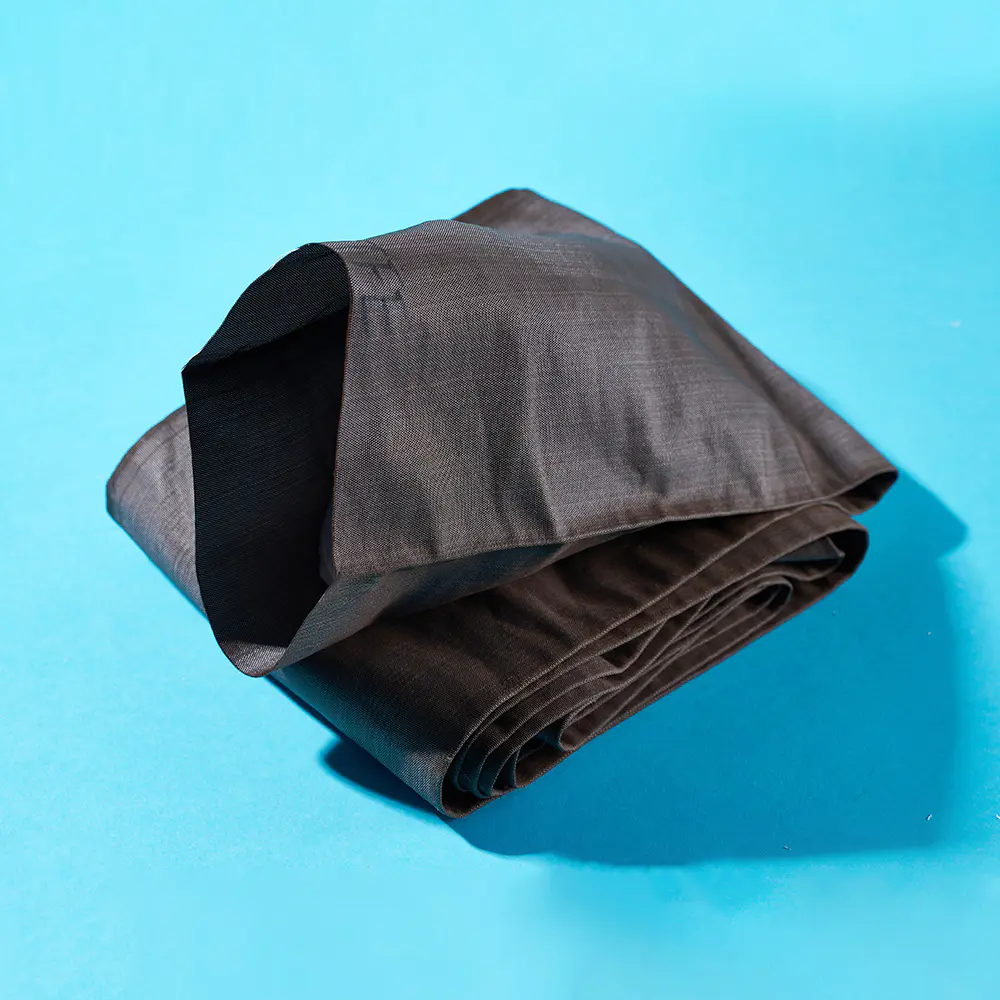
In numerous industrial processes involving liquids, from chemical manufacturing and food production to wastewater treatment and paint circulation, a common piece of equipment is the basket filter. At the functional heart of this simple yet effective device lies a specialized component: the basket filter cloth. This fabric is not merely draped over the filter; it is a precision-cut and often sewn liner that fits securely inside a perforated metal basket. The basket filter cloth acts as the primary filtering medium, capturing solid contaminants while allowing the clean liquid to pass through, protecting downstream equipment and ensuring product purity.
The primary role of a basket filter cloth is to provide surface filtration for liquid streams. As fluid is pumped through the pressurized or gravity-fed filter housing, it enters the basket lined with the basket filter cloth. Solids larger than the cloth's pore size are retained on its surface, forming a filter cake, while the clarified filtrate flows through the cloth and the basket's support structure to the outlet. This makes the basket filter cloth a consumable, yet critical, element in processes ranging from protecting spray nozzles and pumps to clarifying process chemicals and edible oils. Its effectiveness directly influences the frequency of maintenance cycles and the quality of the final product.
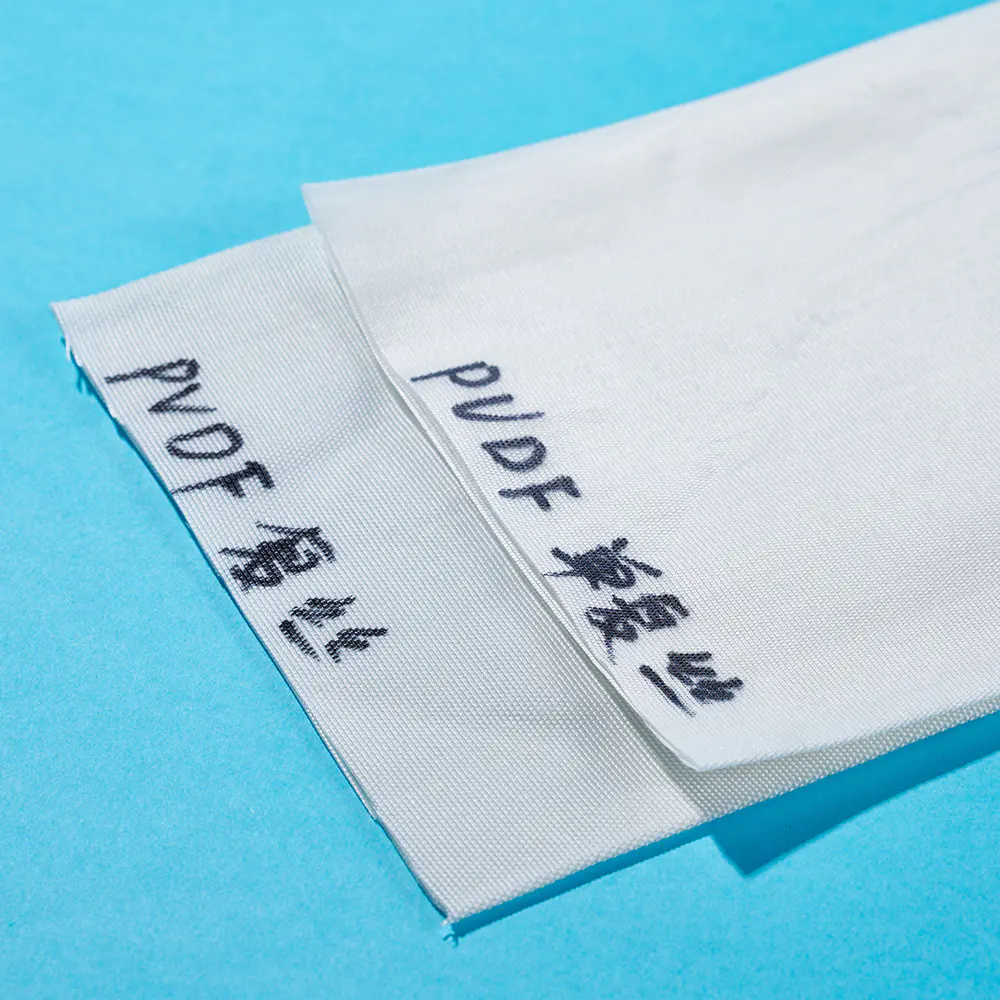
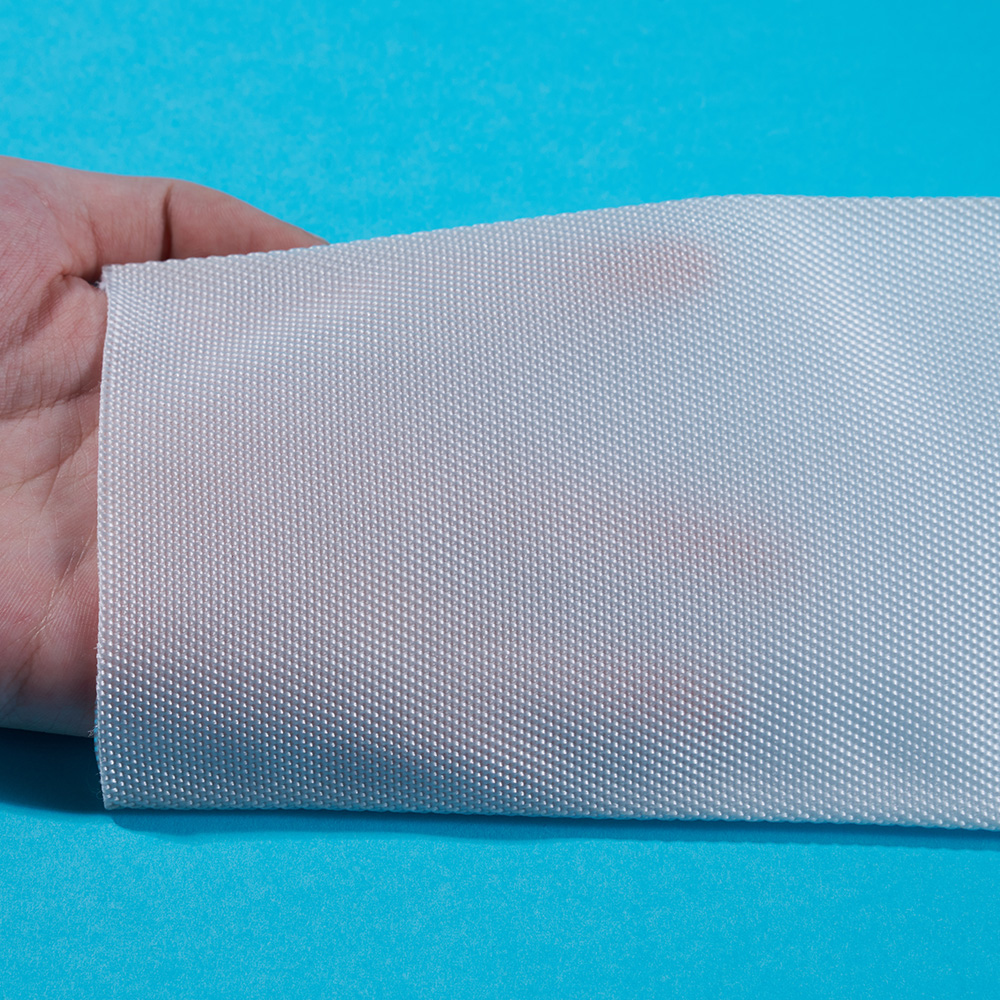
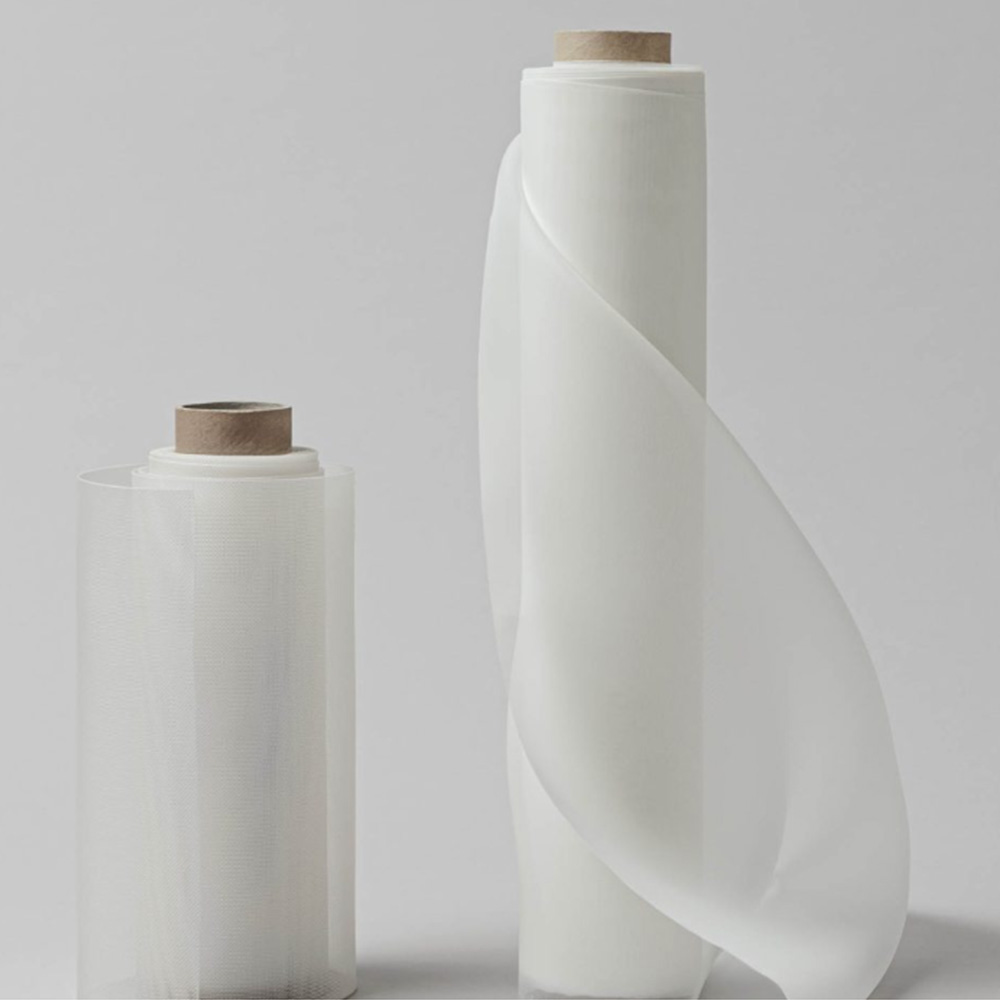
Material selection for a basket filter cloth is driven by the specific application's chemical, thermal, and physical demands. Common fabrics include polyester, polypropylene, and nylon, chosen for their balance of strength, chemical resistance, and pore size availability. For fine filtration, a tightly woven basket filter cloth made from multifilament yarns may be used. For applications with heavier solids or where cake discharge is a priority, a monofilament basket filter cloth with a smoother surface might be selected. In food and pharmaceutical settings, cloths must meet specific regulatory standards for material safety. The basket filter cloth is often fabricated with a sewn seam and sometimes a drawstring or elastic band to ensure a snug, secure fit within the basket, preventing bypass of unfiltered liquid.
The design and fabrication of a basket filter cloth go beyond simple material choice. It is engineered to match the exact dimensions and shape of the filter basket—whether it is a single, conical, or duplex design. Precision in cutting and sewing is vital to prevent gaps or loose fabric that could compromise filtration efficiency. Some basket filter cloth products incorporate support layers or mesh backings to provide extra strength and prevent fabric distortion under pressure, especially in large-diameter or high-pressure filter systems. This attention to fit and construction ensures reliable performance and improves the usable life of the basket filter cloth.
Innovation in basket filter cloth technology focuses on enhancing durability, ease of use, and sustainability. Developments include the use of advanced polymer blends for longer life in aggressive chemical environments, surface treatments to improve cake release and reduce blinding, and the creation of reusable or more easily cleanable cloth designs to reduce waste. Furthermore, the integration of sensor technology to monitor cloth loading is an area of exploration. As industries continue to prioritize process reliability, product quality, and operational cost control, the humble yet indispensable basket filter cloth will remain a key player, continually refined to provide efficient and dependable surface filtration in countless liquid-handling systems.