عربى
عربى
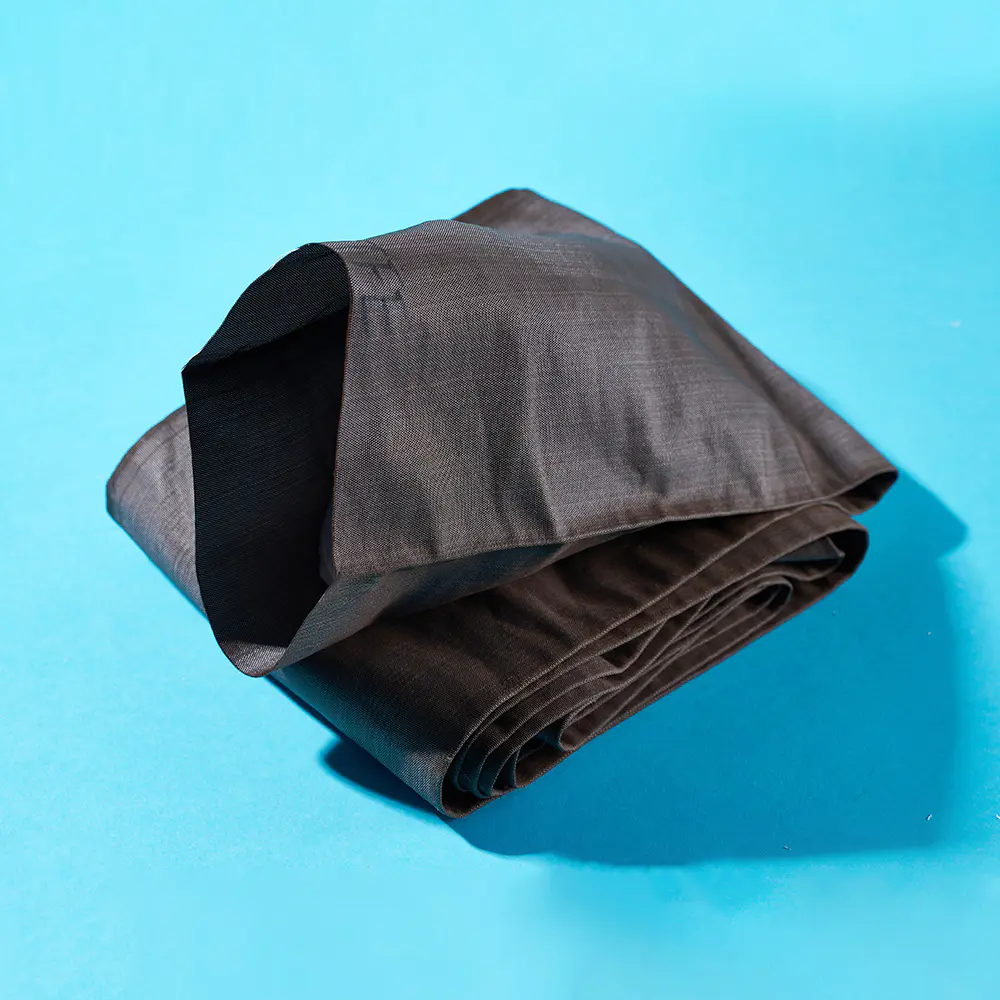
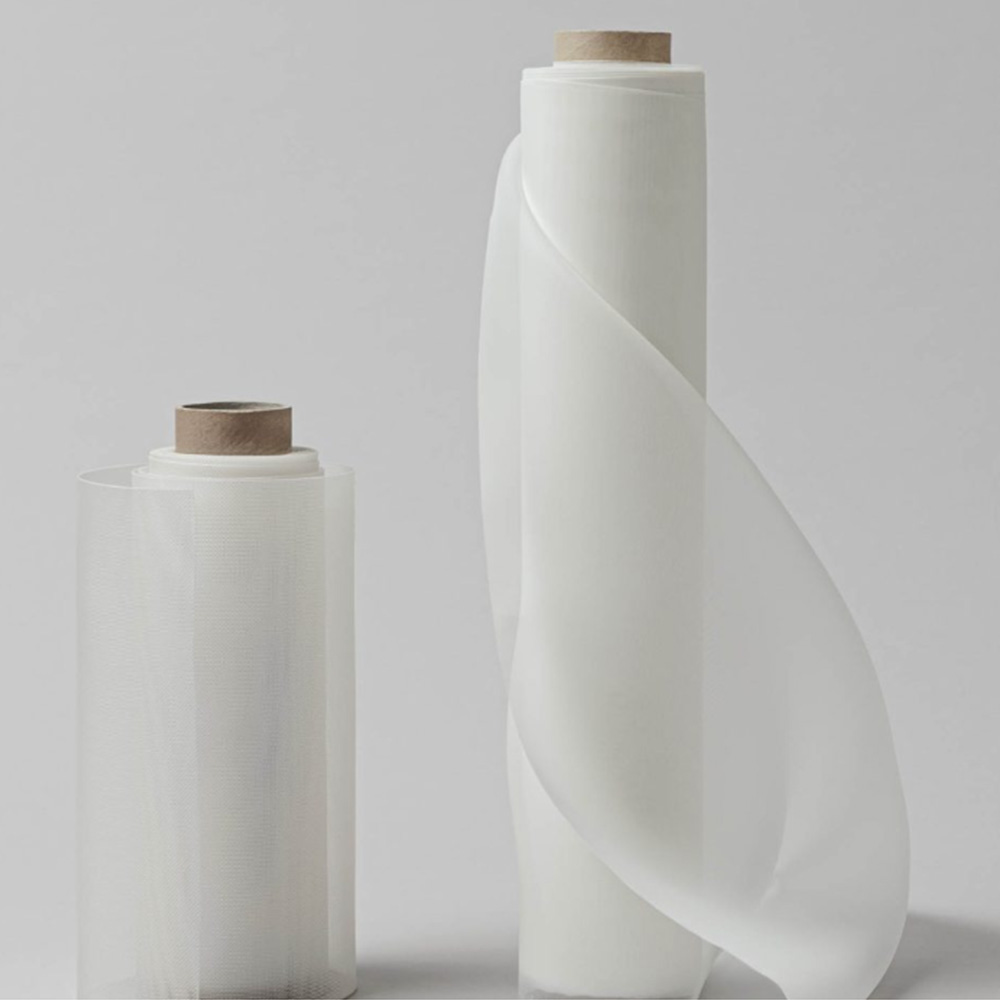
In the wide field of industrial, environmental, and consumer filtration, a durable synthetic material is frequently specified for demanding separation tasks: the polyester (PET) mesh filter screen. Woven from monofilament or multifilament yarns of polyethylene terephthalate (PET), this filter medium is recognized for its strength, dimensional stability, and resistance to stretching under load. The growing application of the polyester (PET) mesh filter screen highlights its role as a reliable solution for processes that require consistent performance, from screening aggregates to filtering industrial fluids.
The core advantage of a polyester (PET) mesh filter screen lies in its physical properties. Polyester fibers exhibit high tensile strength and outstanding resistance to abrasion, making the polyester (PET) mesh filter screen suitable for applications involving significant mechanical stress or repeated cleaning cycles. Unlike some other polymers, the polyester (PET) mesh filter screen demonstrates small elongation or creep under sustained tension, which is critical for maintaining precise mesh openings and filtration accuracy over time. This dimensional stability, combined with good resistance to many common chemicals, acids, and solvents, establishes the polyester (PET) mesh filter screen as a versatile and long-lasting component.
The operational scope for the polyester (PET) mesh filter screen is broad and varied. In construction and mining, heavy-duty polyester (PET) mesh filter screens are used for grading and separating sand, gravel, and crushed stone. Their robustness allows them to withstand the impact and abrasion of aggregate materials. Within the printing and graphics industry, a polyester (PET) mesh filter screen serves as the foundational fabric for screen printing, providing a stable and precise surface for ink deposition. For liquid filtration, the polyester (PET) mesh filter screen is employed in applications such as coolant filtration in machining, pool and spa filtration systems, and pretreatment stages in water treatment, where its chemical resistance is beneficial.
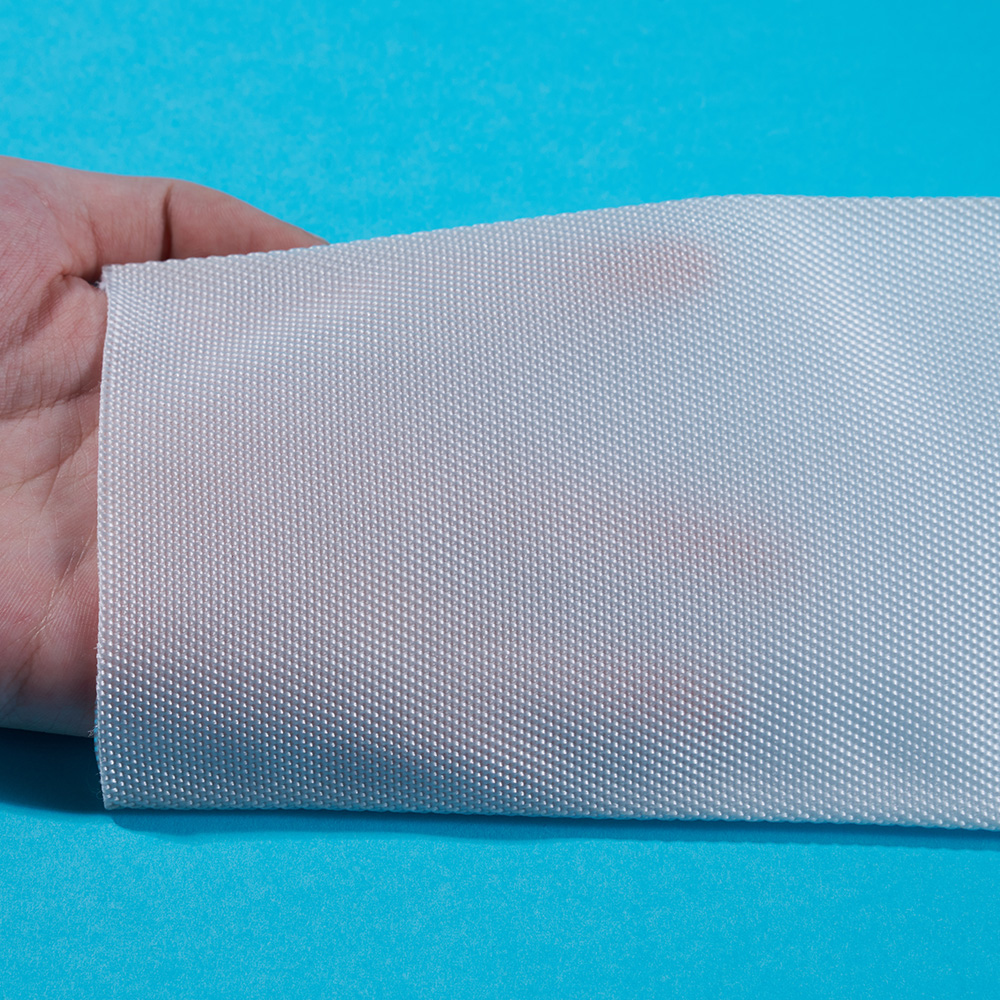
The manufacturing process for a quality polyester (PET) mesh filter screen focuses on precision and consistency. The weaving technique—whether plain, twill, or Dutch weave—is selected based on the required filtration rating and flow characteristics. The mesh count and filament diameter are carefully controlled to ensure each opening in the polyester (PET) mesh filter screen meets specified tolerances. For demanding environments, the polyester (PET) mesh filter screen may undergo heat-setting treatments to lock in its weave structure and enhance stability. These production controls are essential for the polyester (PET) mesh filter screen to perform its separating function reliably.
Innovation surrounding the polyester (PET) mesh filter screen is likely to involve enhancements in surface characteristics and sustainability. Developments may include coatings to reduce blinding (pore clogging) or to impart oleophobic properties for oil-water separation. There is also a growing interest in producing polyester (PET) mesh filter screens from recycled PET materials, aligning with circular economy principles. As industries continue to seek efficient, maintenance-friendly, and durable filtration solutions, the fundamental attributes of the polyester (PET) mesh filter screen ensure its ongoing relevance. By offering a combination of strength, stability, and chemical resistance, the polyester (PET) mesh filter screen will remain a foundational element in systems designed to separate, screen, and filter materials across a diverse spectrum of commercial and industrial activities.