عربى
عربى
A widely utilized synthetic material continues to serve as a fundamental component in diverse filtration and separation tasks: the polypropylene (PP) mesh filter screen. Woven or extruded from polypropylene monofilaments, this filter medium is recognized for its favorable chemical resistance, cost-effectiveness, and ease of fabrication. The consistent demand for the polypropylene (PP) mesh filter screen underscores its practicality in applications ranging from industrial processes and agriculture to consumer products and water management.
The core attributes of the polypropylene (PP) mesh filter screen stem from the properties of the polypropylene polymer. This material demonstrates notable resistance to a broad spectrum of acids, alkalis, and solvents, making the polypropylene (PP) mesh filter screen suitable for use in chemically active environments where metal screens might corrode. Furthermore, polypropylene is a lightweight and hydrophobic material, meaning the polypropylene (PP) mesh filter screen does not absorb water. This characteristic helps maintain consistent flow rates and allows for quick drying, which can be advantageous in many filtration and screening contexts.
The application range for the polypropylene (PP) mesh filter screen is extensive. In industrial settings, it is commonly used for straining process fluids, filtering coolants in machining operations, and acting as a support or drainage layer in various equipment. Within agriculture and landscaping, the polypropylene (PP) mesh filter screen finds use in irrigation systems to prevent clogging of drip emitters, as a windbreak or shade cloth, and for soil stabilization. Consumer products, such as filter bags for aquariums, home water filter replacements, and simple kitchen strainers, also frequently incorporate the polypropylene (PP) mesh filter screen due to its safety and durability.
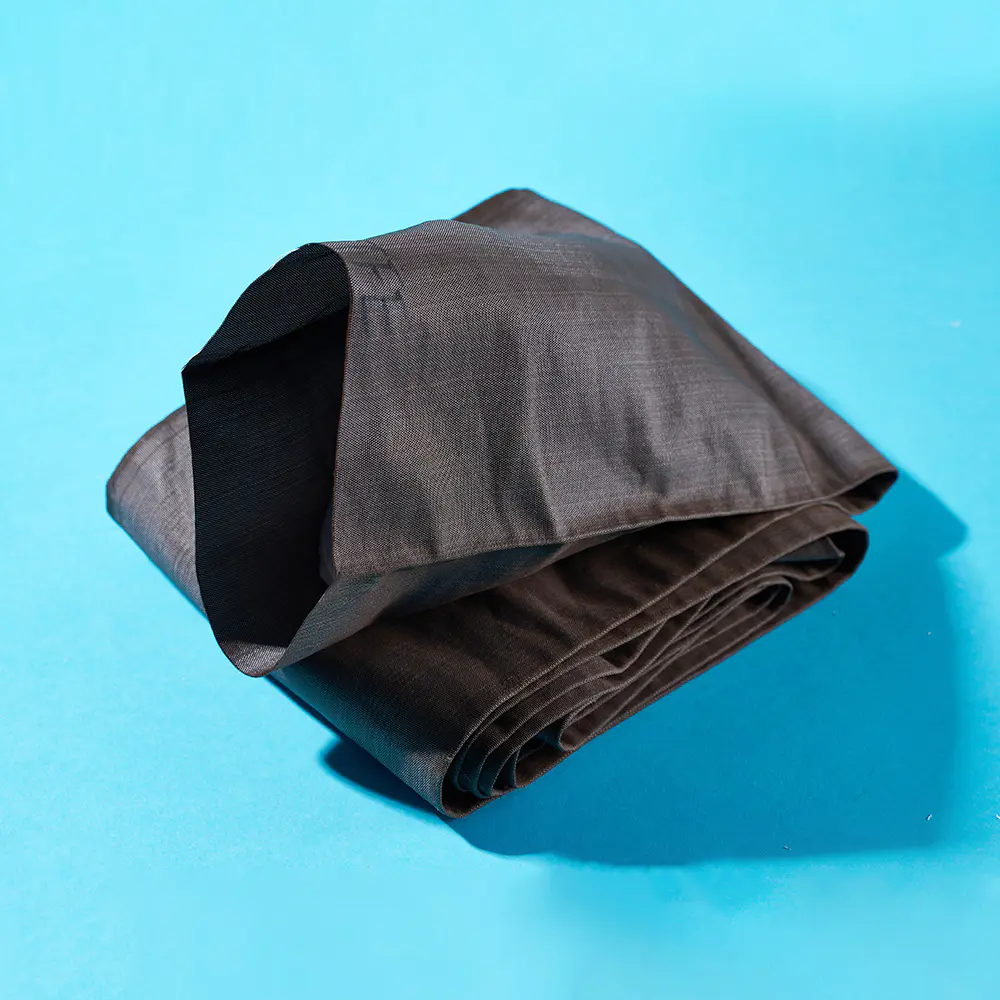
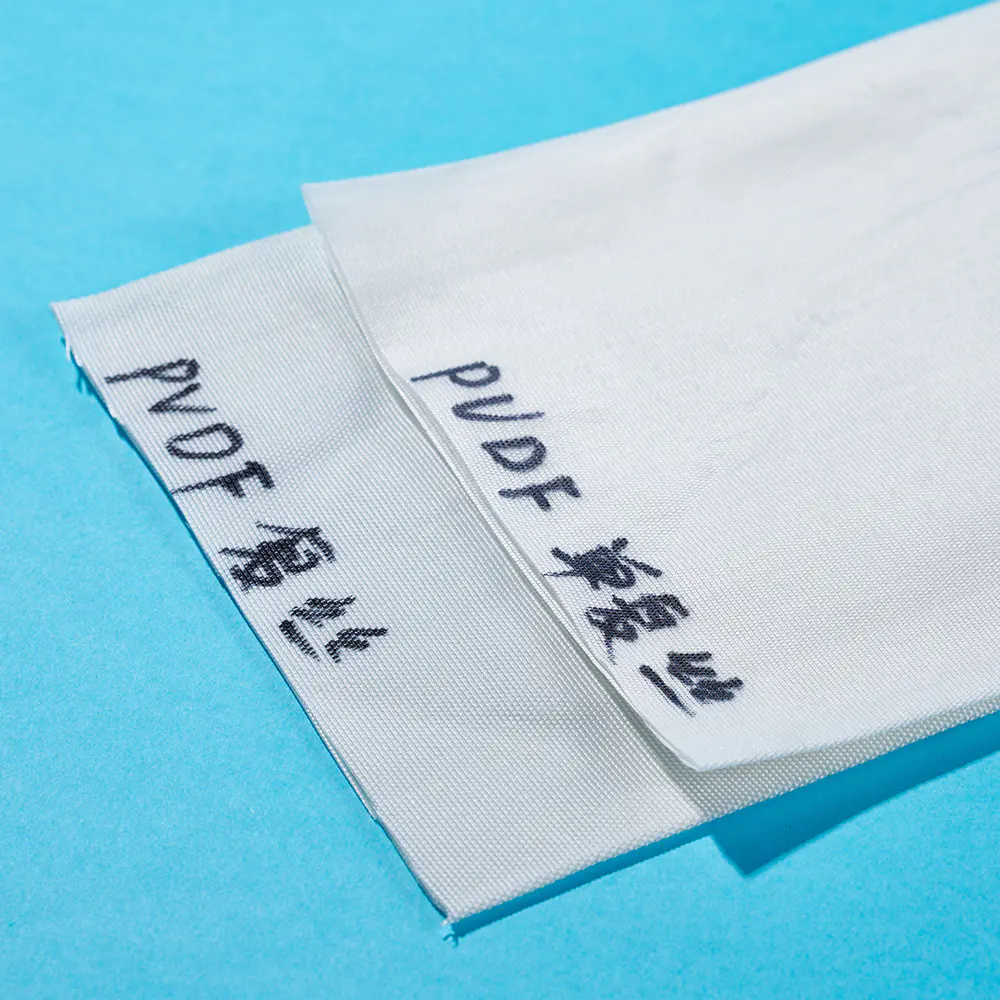
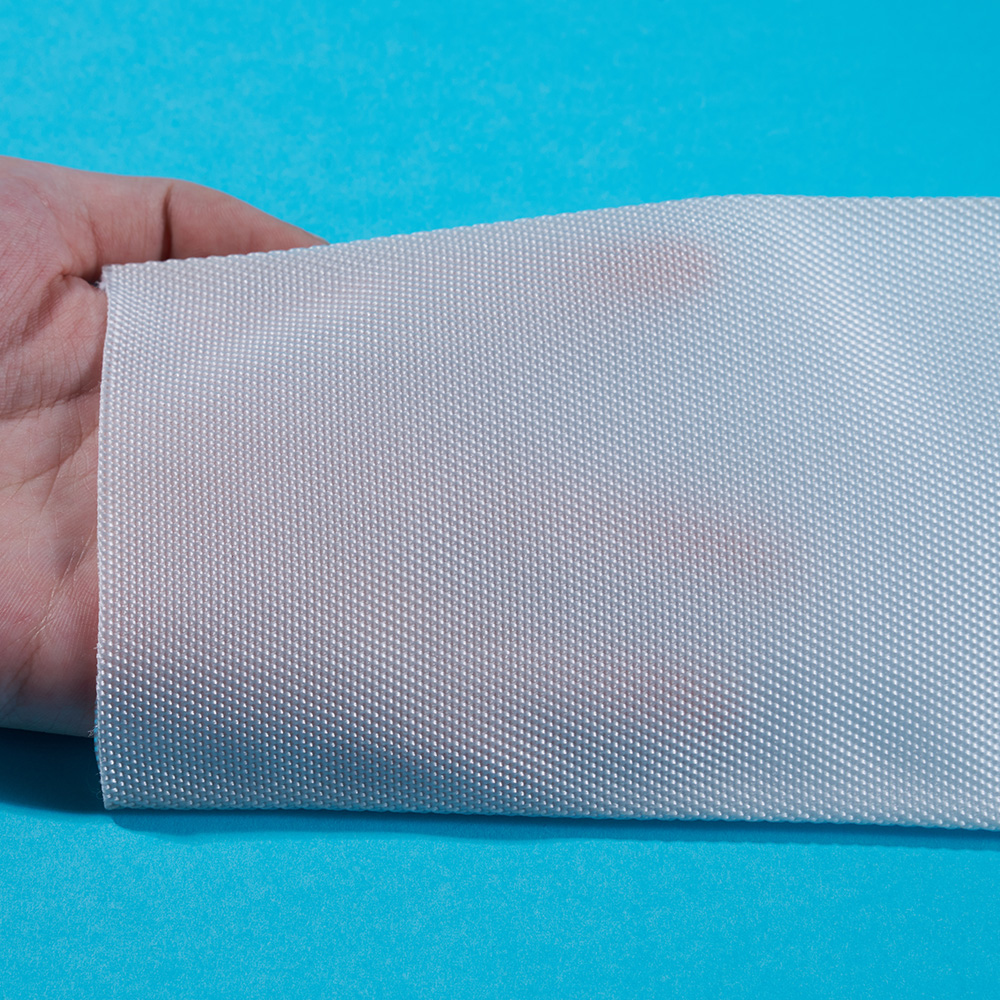
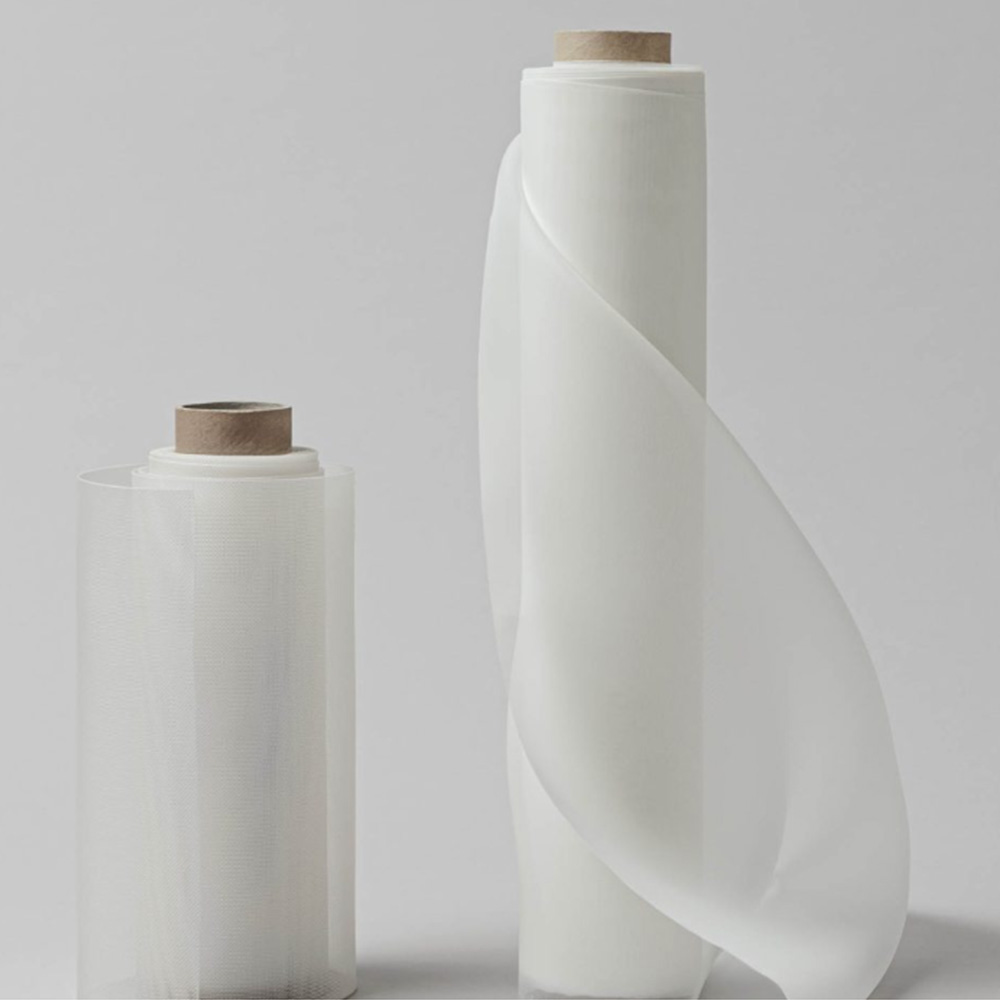
The manufacturing process for the polypropylene (PP) mesh filter screen allows for flexibility in specification. It can be produced with various mesh counts, which determine the size of the openings, and with different weave patterns to influence strength and filtration characteristics. The polypropylene (PP) mesh filter screen is available in both rigid and flexible forms. A rigid polypropylene (PP) mesh filter screen is often used as an insert or support in filter housings, while a more flexible version can be sewn into filter bags or sleeves. This adaptability makes the polypropylene (PP) mesh filter screen a versatile choice for engineers and designers.
When compared to other polymer mesh screens, such as those made from nylon or polyester, the polypropylene (PP) mesh filter screen often presents a compelling balance of performance and economy. While it may not exhibit the same level of high-temperature resistance as some other materials, the polypropylene (PP) mesh filter screen performs reliably within its specified temperature range. Its outstanding chemical inertness and lower cost frequently make it the preferred option for single-use or frequently replaced filter elements, as well as for applications where exposure to aggressive chemicals is a primary concern.
The role of the polypropylene (PP) mesh filter screen is expected to remain stable, with innovation focused on enhanced performance and sustainability. Developments may include improvements in UV stabilization for longer outdoor life and the creation of grades made from recycled polypropylene content. The basic utility of the polypropylene (PP) mesh filter screen as a chemically inert, non-absorbent, and cost-effective filter medium ensures its continued relevance. As industries and consumers seek reliable, practical, and affordable solutions for sorting, straining, and filtering, the polypropylene (PP) mesh filter screen will persist as a common and valuable tool, providing effective service in countless everyday and industrial applications.