عربى
عربى
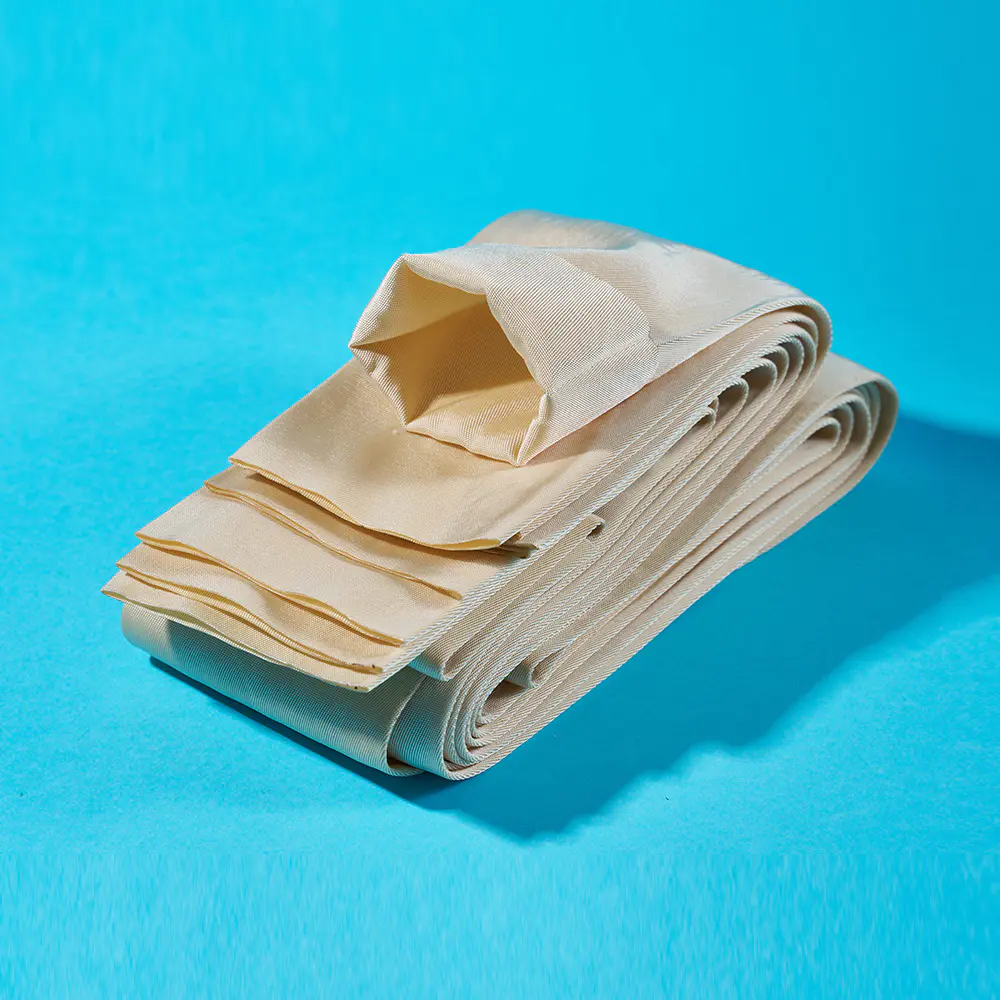
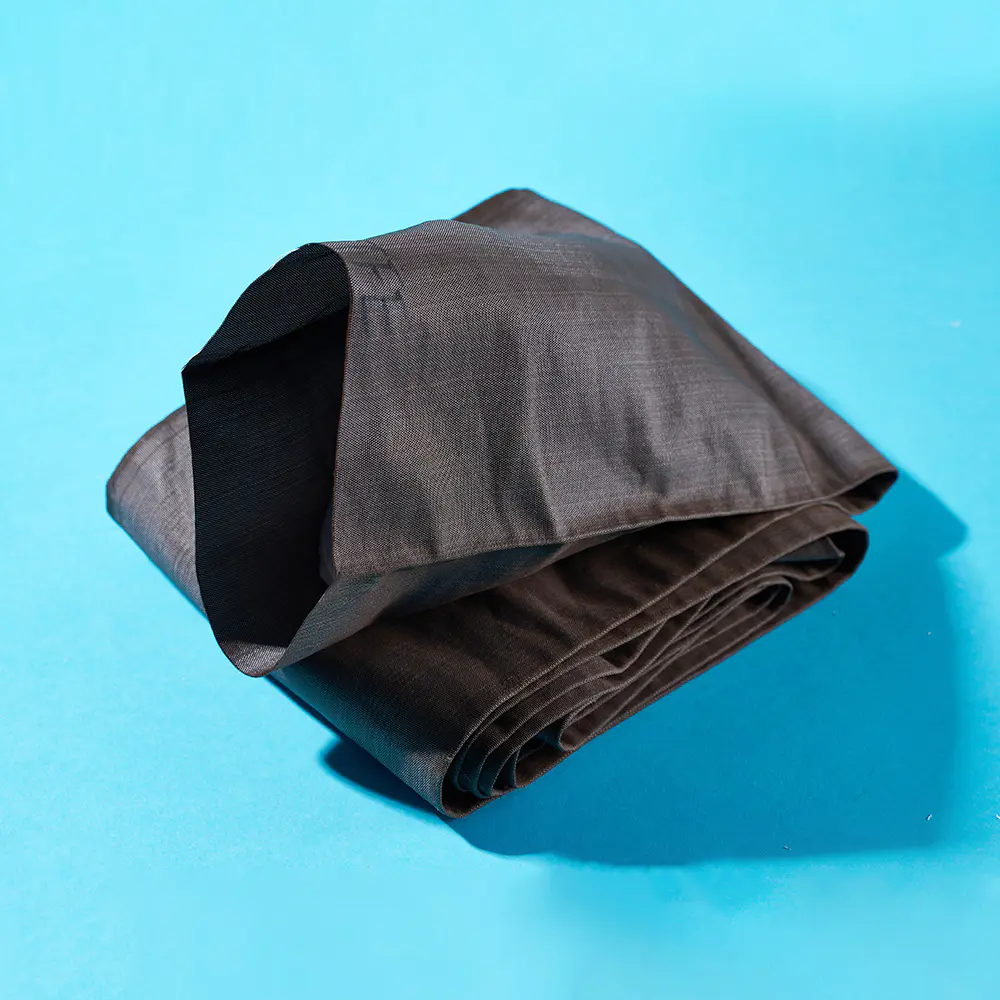
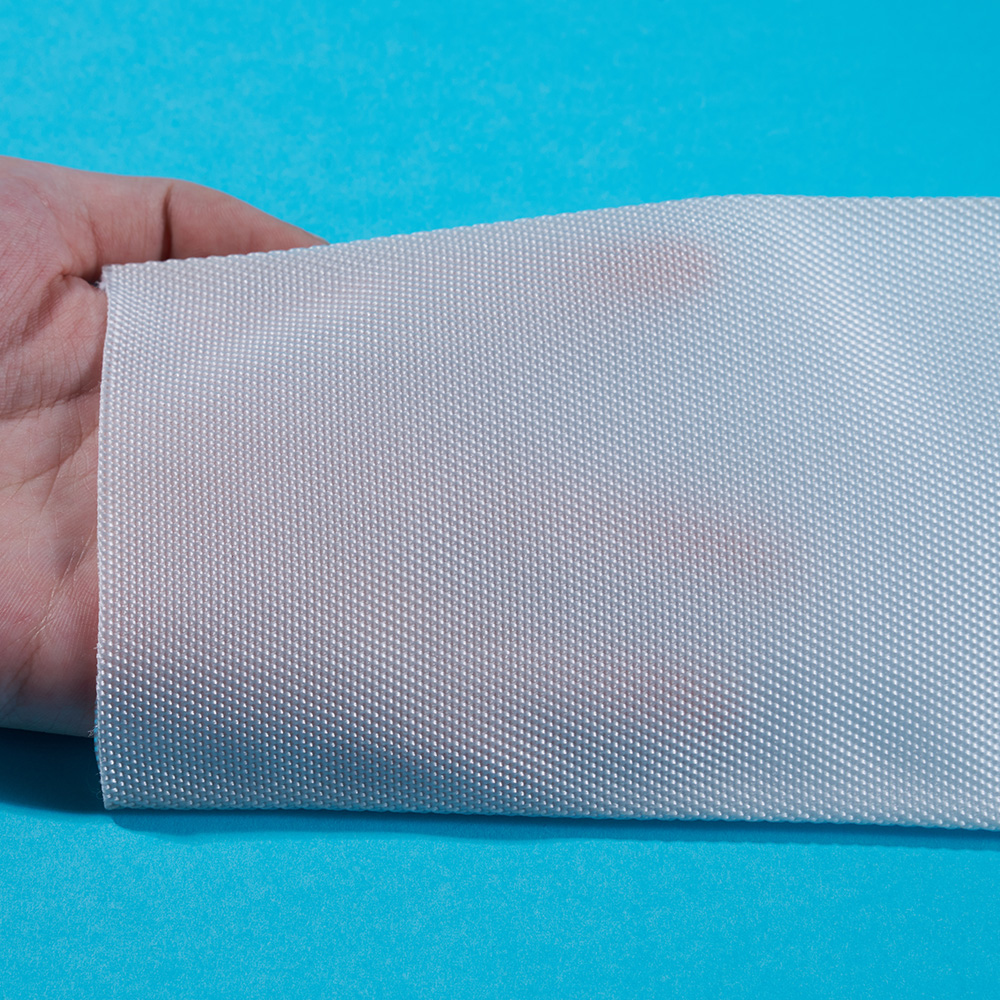
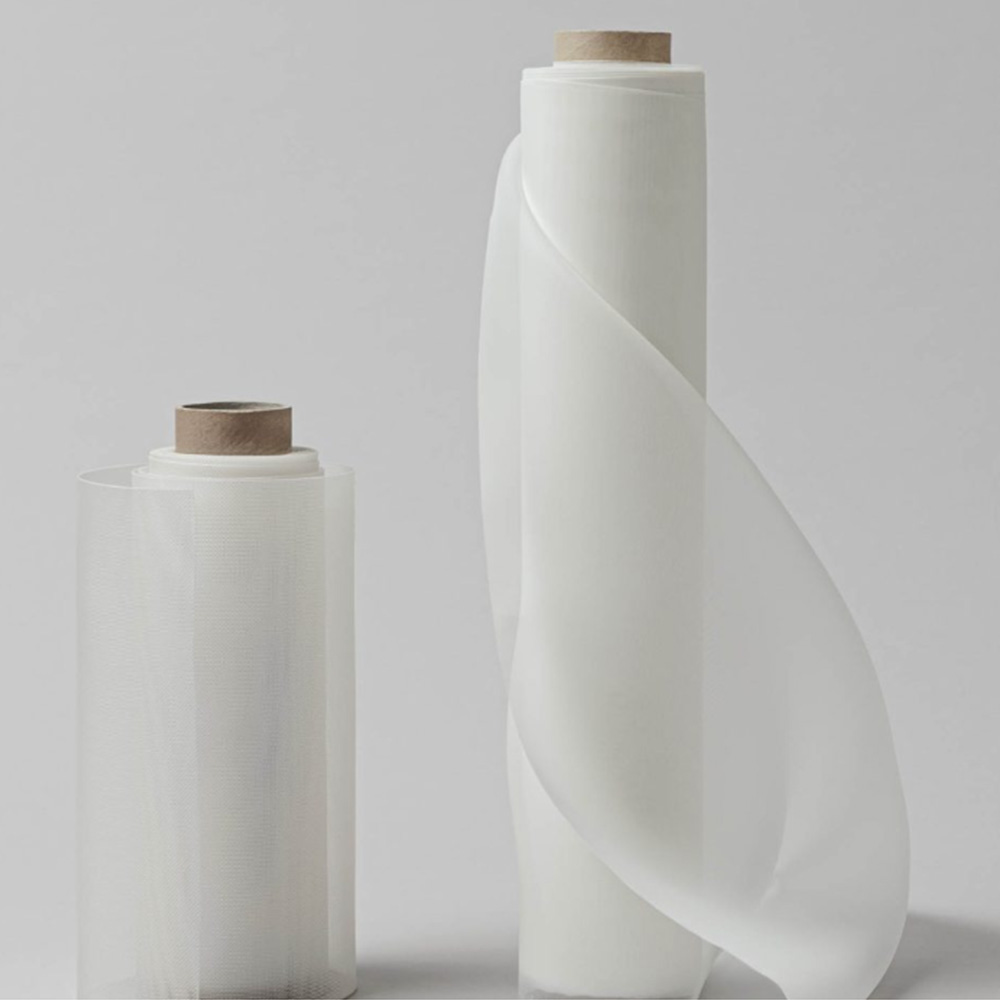
The multifilament filter fabric is a technical textile for industrial liquid filtration. A multifilament filter fabric is made from continuous strands of synthetic fibers twisted into yarns. These yarns are woven into a cloth that allows liquid to pass while holding back solids. The multifilament filter fabric has a fuzzy surface that helps capture small particles. This fabric is commonly used in mining, chemical processing, and wastewater treatment. The multifilament filter fabric differs from monofilament fabrics in its construction and performance.
The construction of a multifilament filter fabric begins with fiber selection. Polyester and polypropylene are common materials for multifilament filter fabric. Nylon multifilament filter fabric offers high strength for demanding applications. The fibers are extruded into filaments of 10 to 50 micrometers in diameter. These filaments are twisted together to form yarns for the multifilament filter fabric. The yarns are then woven on looms into a stable cloth structure. The weave pattern of a multifilament filter fabric affects its filtration performance.
The filtration mechanism of a multifilament filter fabric involves several methods. Particles larger than the openings are trapped on the surface of the multifilament filter fabric. Smaller particles become entangled in the fuzzy filaments of the multifilament filter fabric. A filter cake builds up on the surface of the multifilament filter fabric during operation. This cake becomes the primary filtration medium over time. The permeability of a multifilament filter fabric is measured in liters per square meter per second. Higher permeability allows faster flow but may let fine particles pass through the multifilament filter fabric.
The mechanical properties of a multifilament filter fabric determine its durability. A typical multifilament filter fabric handles differential pressures of 2 to 5 bar. The elongation of a multifilament filter fabric affects how it stretches under pressure. A low-stretch multifilament filter fabric maintains consistent pore size. The seam strength in a multifilament filter fabric is critical for belt filter applications. Seams are welded or sewn with special thread on the multifilament filter fabric. A weak seam will fail before the base multifilament filter fabric shows wear.
The chemical resistance of a multifilament filter fabric varies by fiber. Polyester multifilament filter fabric resists acids but degrades in strong alkalis. Polypropylene multifilament filter fabric handles both acids and alkalis well. Nylon multifilament filter fabric has good alkali resistance but poor acid resistance. The temperature limit for a multifilament filter fabric depends on the polymer. Polyester multifilament filter fabric operates at 120 degrees Celsius continuously. Polypropylene multifilament filter fabric is limited to 80 degrees Celsius big. A multifilament filter fabric exposed to incompatible chemicals will lose strength.
The applications for multifilament filter fabric span many industries. A recessed chamber filter press uses multifilament filter fabric for dewatering sludge. A belt filter uses multifilament filter fabric to remove solids from liquid streams. A drum filter wraps multifilament filter fabric around a rotating cylinder. The multifilament filter fabric also appears in bag filtration systems. Proper selection of multifilament filter fabric improves filtration efficiency. The multifilament filter fabric remains a standard choice for liquid-solid separation.