عربى
عربى
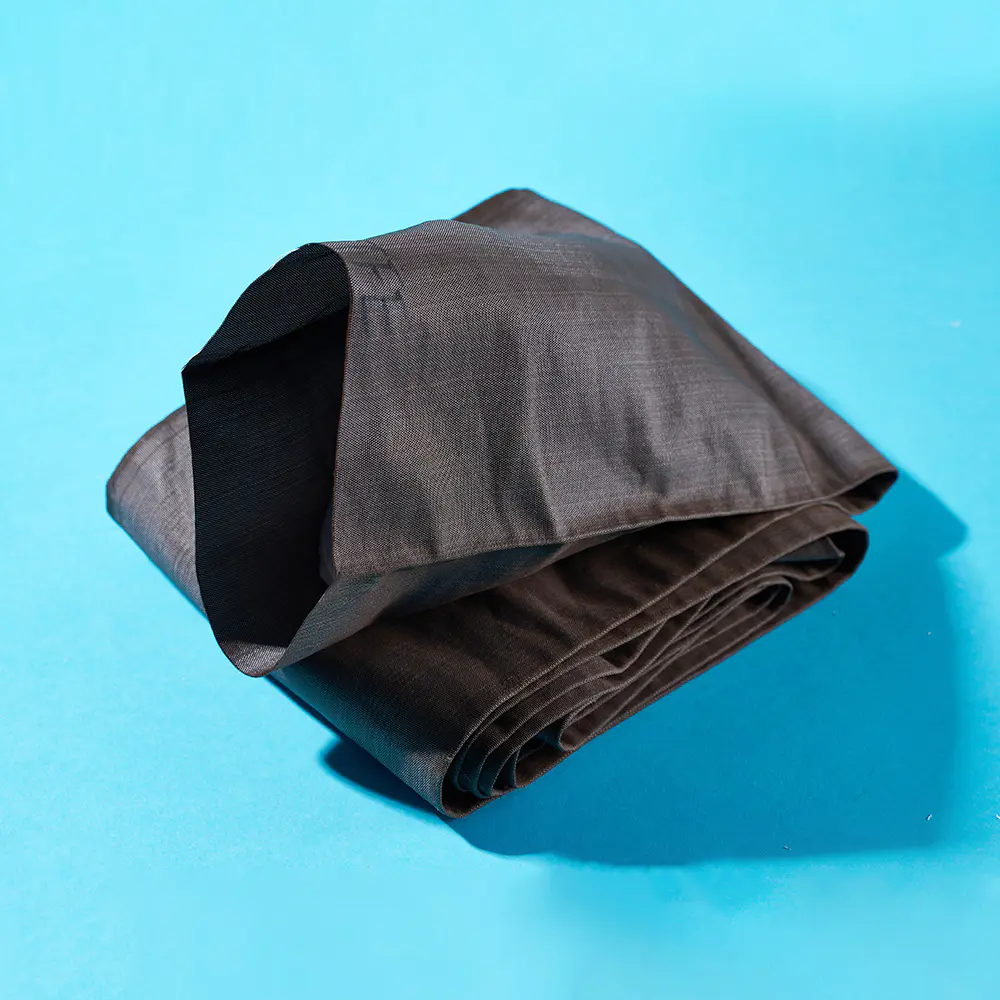
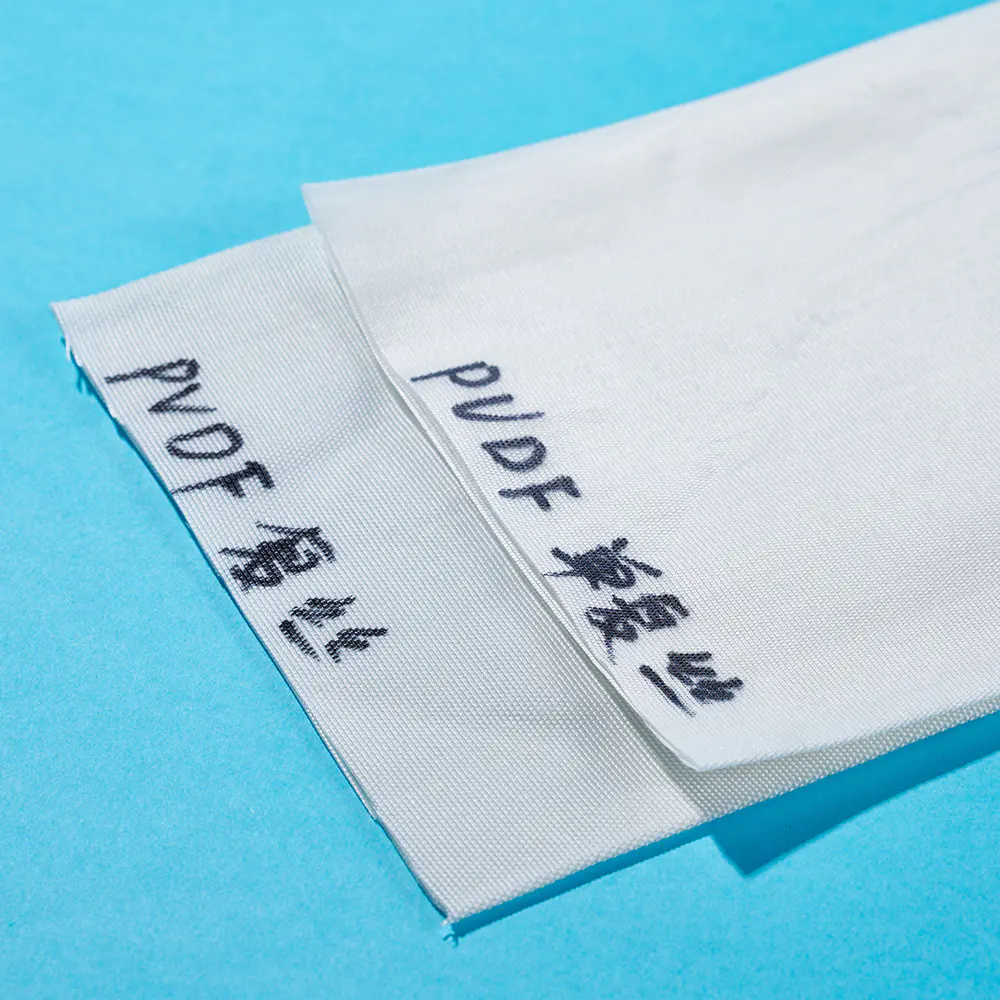
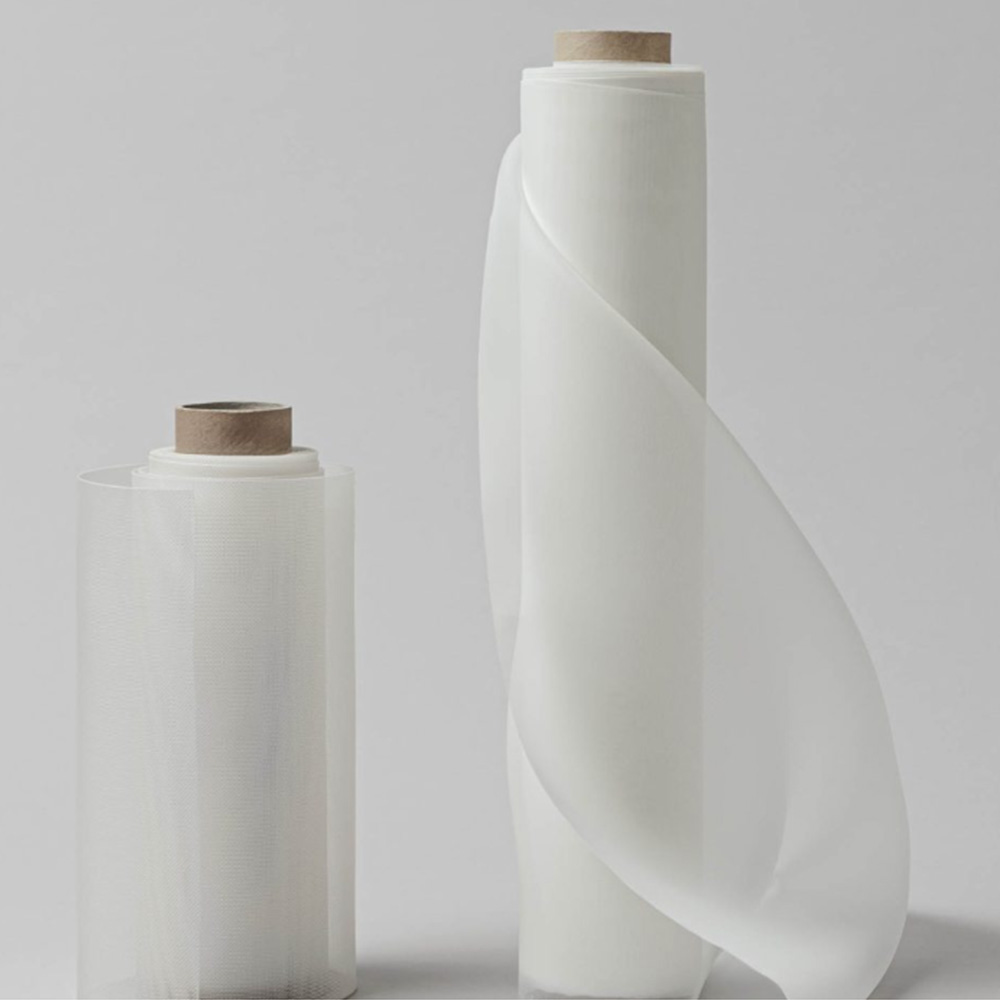
Polyester (PET) mesh filter screen is a widely used filtration material in industries ranging from water treatment to food processing, valued for its strength, chemical resistance, and dimensional stability. Unlike nylon mesh, a polyester (PET) mesh filter screen maintains its properties in wet conditions and resists stretching, making it a reliable choice for many filtration applications.
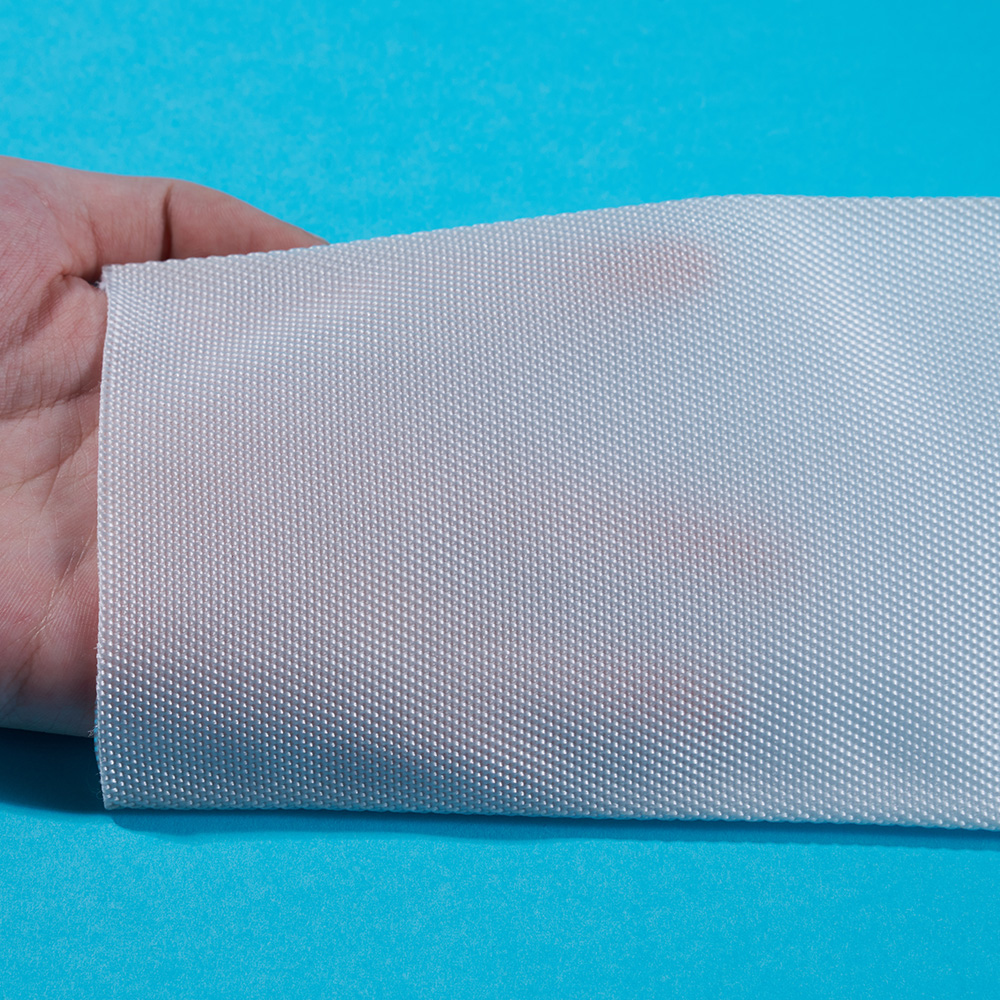
The key characteristic of a polyester mesh filter screen is its precise and uniform opening size. Polyester monofilaments are woven on specialized looms that control the spacing between threads. The resulting mesh is described by its mesh count, the number of openings per linear inch. A 100-mesh screen has about 100 openings per inch, each opening roughly 150 microns wide. A 500-mesh screen has much finer openings, capable of trapping very small particles. The uniformity of openings ensures consistent filtration results batch after batch.
The advantages of polyester over other filter materials are significant. Unlike nylon, polyester does not absorb water, so the mesh does not swell or change dimensions when wet. This stability is important for applications where precise filtration is required. Polyester also resists many chemicals, including dilute acids, oils, and solvents. The material has good abrasion resistance, meaning the fibers do not break down quickly when particles rub against them during filtration. Polyester mesh retains its strength in both dry and wet conditions.
The temperature range of a polyester mesh filter screen suits many industrial processes. Standard polyester withstands continuous operation up to 150 degrees Celsius, or 300 degrees Fahrenheit. This heat resistance allows the mesh to be used in hot liquid filtration, drying ovens, and sterilization processes. For higher temperature applications, other materials such as PEEK or stainless steel mesh are required, but for filtration tasks, polyester provides adequate heat resistance.
The weave patterns available for polyester mesh filter screens affect their performance. Plain weave, where each thread passes alternately over and under the next thread, is the common pattern. This weave produces a stable screen with good particle retention. Twill weave, where threads pass over two and under two, creates a smoother surface that releases trapped solids more easily, which is useful for applications where the filter cake needs to be removed. Dutch weave uses thicker warp threads and thinner weft threads, creating a filter with finer retention than the mesh count would suggest.
The chemical compatibility of polyester mesh is good for many fluids. Polyester resists hydrocarbons, oils, fuels, and many solvents. It has fair resistance to dilute acids but poor resistance to strong acids and bases. For alkaline or highly acidic filtration applications, polypropylene or PTFE mesh may be more appropriate. Users should check compatibility charts before selecting a polyester mesh for a specific chemical environment.
The cleaning and reuse of polyester mesh filter screens extend their service life. After use, the screen can be rinsed with water or a suitable solvent to remove trapped solids. For stubborn deposits, ultrasonic cleaning or gentle brushing with a soft brush removes particles without damaging the mesh.
For laboratories, factories, and processing plants, a polyester (PET) mesh filter screen provides a reusable, chemically resistant, and dimensionally stable filtering surface. It catches particles, lets fluids pass, and cleans up for the next use. With proper selection of mesh count and weave pattern, a polyester mesh filter screen performs reliably shift after shift.