عربى
عربى
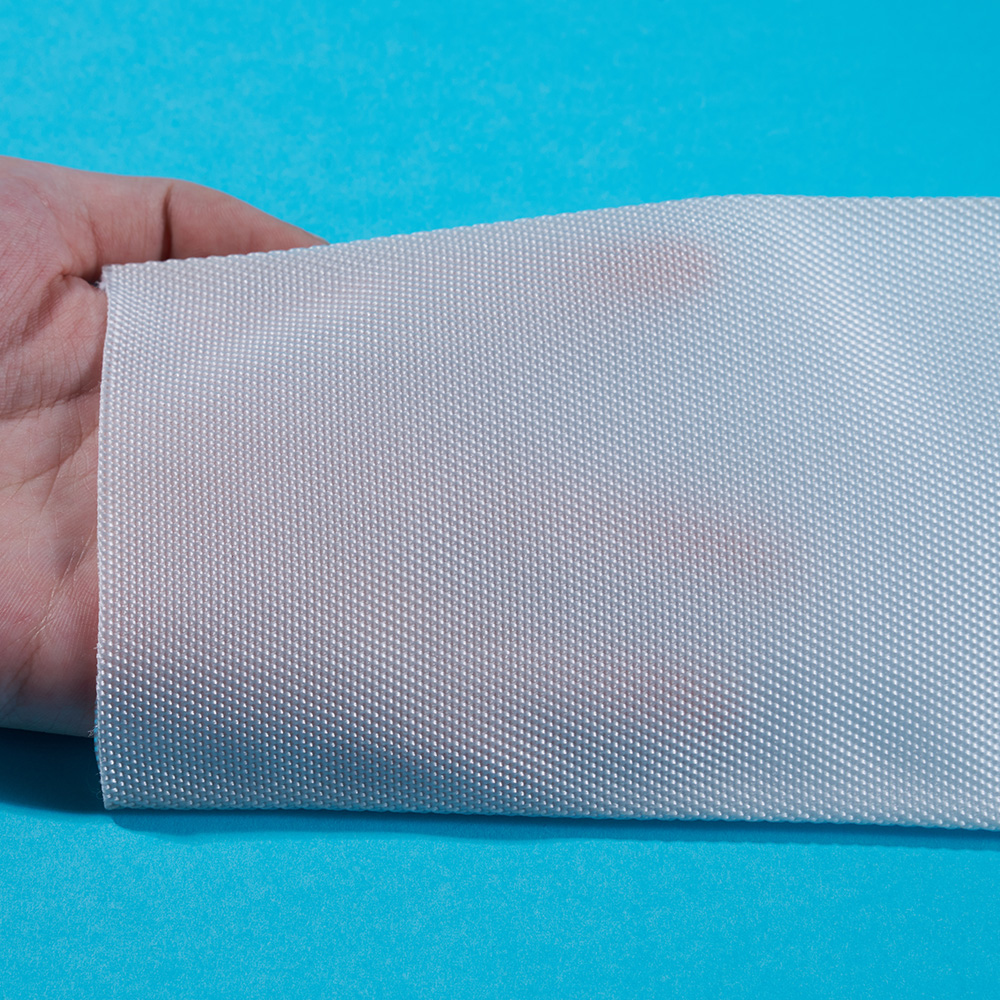
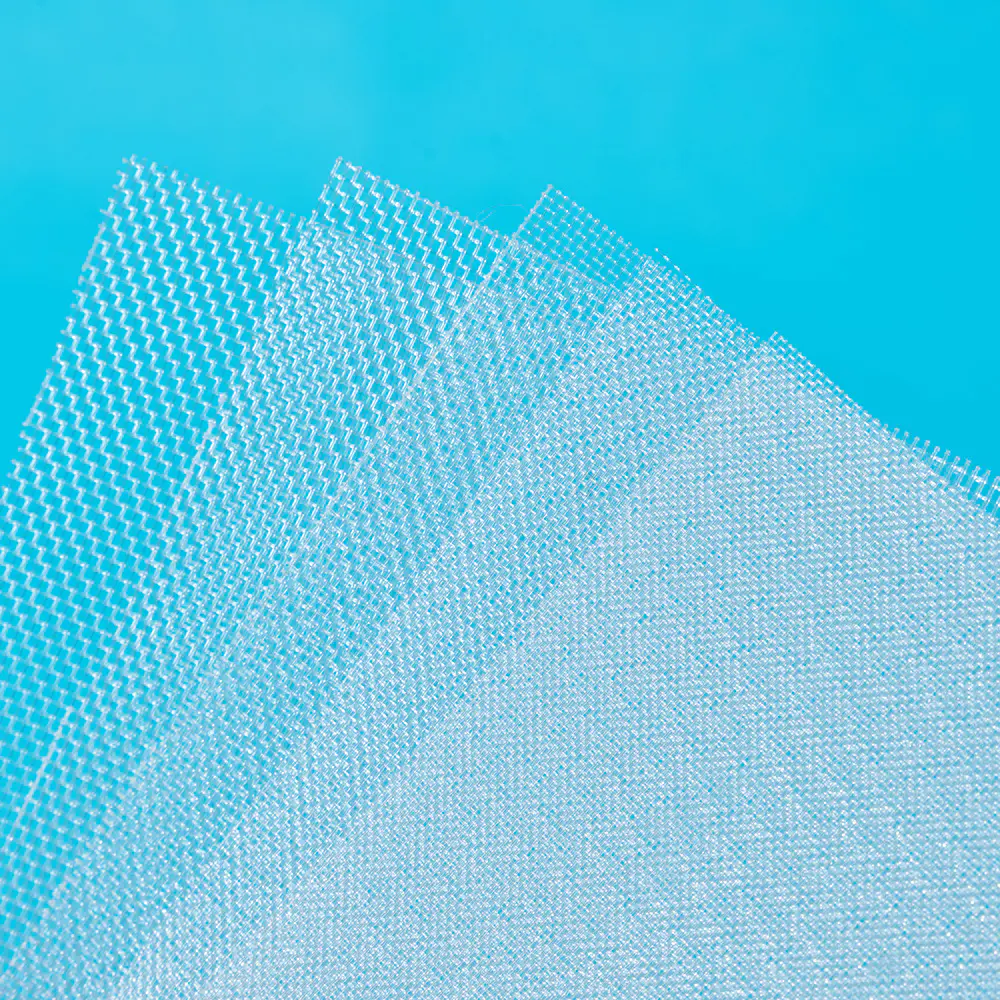
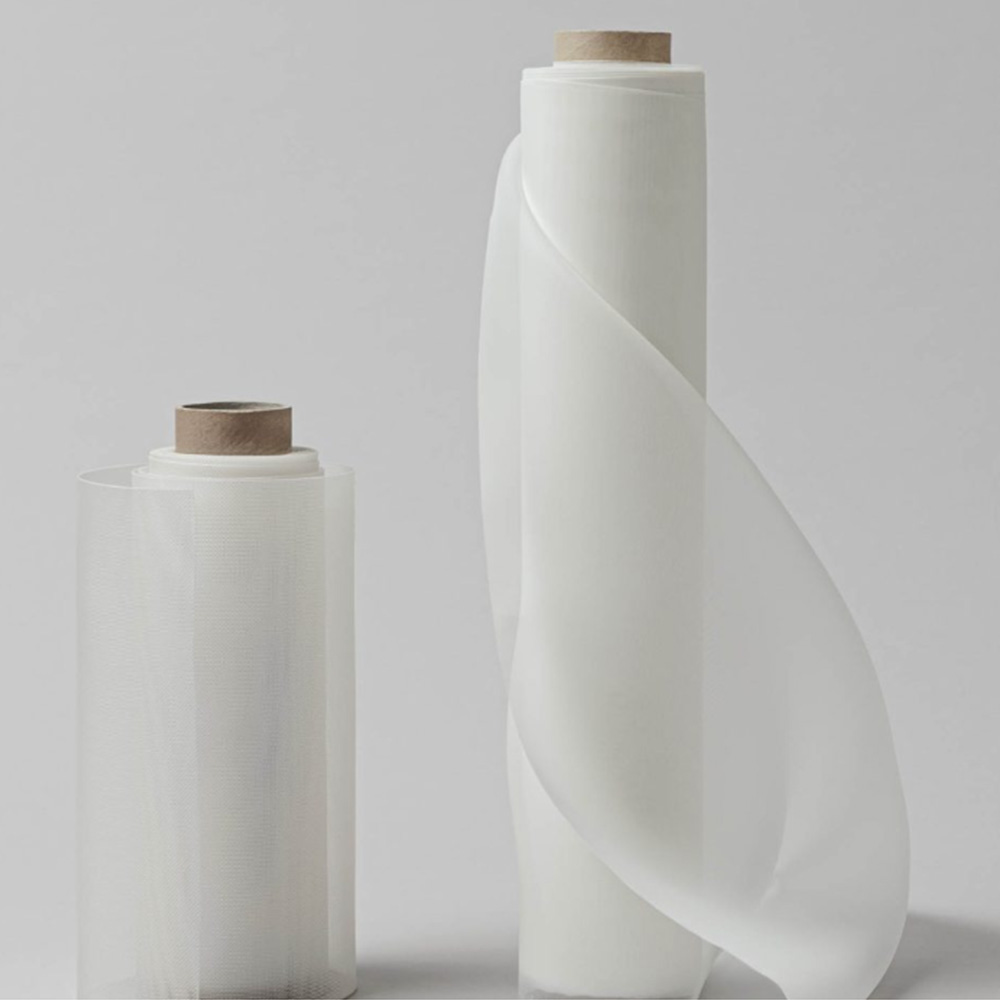
Nylon (PA) mesh filter screen is a versatile separation material used across industries, from printing and painting to water treatment and food processing. This synthetic fabric, made from polyamide fibers woven into precise grid patterns, allows liquids and gases to pass through while trapping particles above a specific size.
The key characteristic of a nylon mesh filter screen is its uniform opening size. During manufacturing, nylon monofilaments are woven on specialized looms that control the spacing between threads. The resulting mesh is described by its mesh count—the number of openings per linear inch. A 100-mesh screen has about 100 openings per inch, each opening roughly 150 microns wide. A 400-mesh screen has much finer openings, around 37 microns, capable of trapping very small particles.
Nylon offers several advantages over other filter materials. Unlike metal mesh, nylon does not corrode when exposed to saltwater or many chemicals. Unlike paper filters, nylon mesh can be cleaned and reused many times without tearing. Nylon also has good abrasion resistance, meaning the fibers do not break down quickly when particles rub against them during filtration. The material remains flexible, which helps the filter screen form a tight seal in filter housings.
The weave pattern of a nylon mesh filter screen affects its performance. Plain weave, where each thread passes alternately over and under the next thread, is the common pattern. This weave produces a stable screen with good particle retention. Twill weave, where threads pass over two and under two, creates a slightly smoother surface that releases trapped solids more easily. Dutch weave uses thicker warp threads and thinner weft threads, creating a filter with finer retention than the mesh count would suggest.
Temperature limits matter when selecting a nylon mesh filter screen. Standard nylon begins to soften around 180 to 200 degrees Celsius, or 356 to 392 degrees Fahrenheit. For applications involving hot liquids or sterilization, users must ensure the operating temperature stays below this range. Some nylon formulations offer improved heat resistance, but standard nylon remains suitable for ambient temperature filtration and many industrial processes.
Chemical compatibility of nylon mesh varies by fluid. Nylon resists many hydrocarbons, oils, and solvents but degrades in strong acids, especially mineral acids like sulfuric or hydrochloric acid. Strong bases also attack nylon over time. For acidic or alkaline filtration applications, polyester or polypropylene mesh may be more appropriate. Users should check compatibility charts before selecting nylon for a specific chemical environment.
Cleaning and reuse extend the life of a nylon mesh filter screen. After use, the screen can be rinsed with water or a suitable solvent to remove trapped solids. For stubborn deposits, ultrasonic cleaning or gentle brushing with a soft brush removes particles without damaging the mesh. Autoclaving or chemical sterilization is possible for applications requiring sanitary conditions, provided the temperature and chemical limits are respected.
For laboratories, factories, and workshops that need reliable particle separation, the nylon (PA) mesh filter screen provides a reusable, chemically resistant, and precisely graded filtering surface. It catches what should be caught, lets through what should pass, and cleans up for the next batch. When the mesh count matches the application, a nylon filter screen does its job shift after shift.