عربى
عربى
The industrial filtration sector relies on a variety of materials to separate solids from liquids and gases across numerous applications. Among the options available to engineers and facility operators is the polypropylene (PP) mesh filter screen, a filtration medium valued for its chemical resistance and mechanical properties. The polypropylene (PP) mesh filter screen provides a reliable solution for applications requiring consistent filtration performance in environments where other materials may degrade.
The material characteristics of polypropylene (PP) mesh filter screen contribute significantly to its widespread use. Polypropylene offers resistance to a broad range of chemicals, including acids, bases, and many organic solvents, making the polypropylene (PP) mesh filter screen suitable for use in aggressive industrial environments. The material also exhibits low moisture absorption, which helps maintain dimensional stability when the polypropylene (PP) mesh filter screen is exposed to aqueous solutions. These properties allow the polypropylene (PP) mesh filter screen to perform consistently across diverse operating conditions.
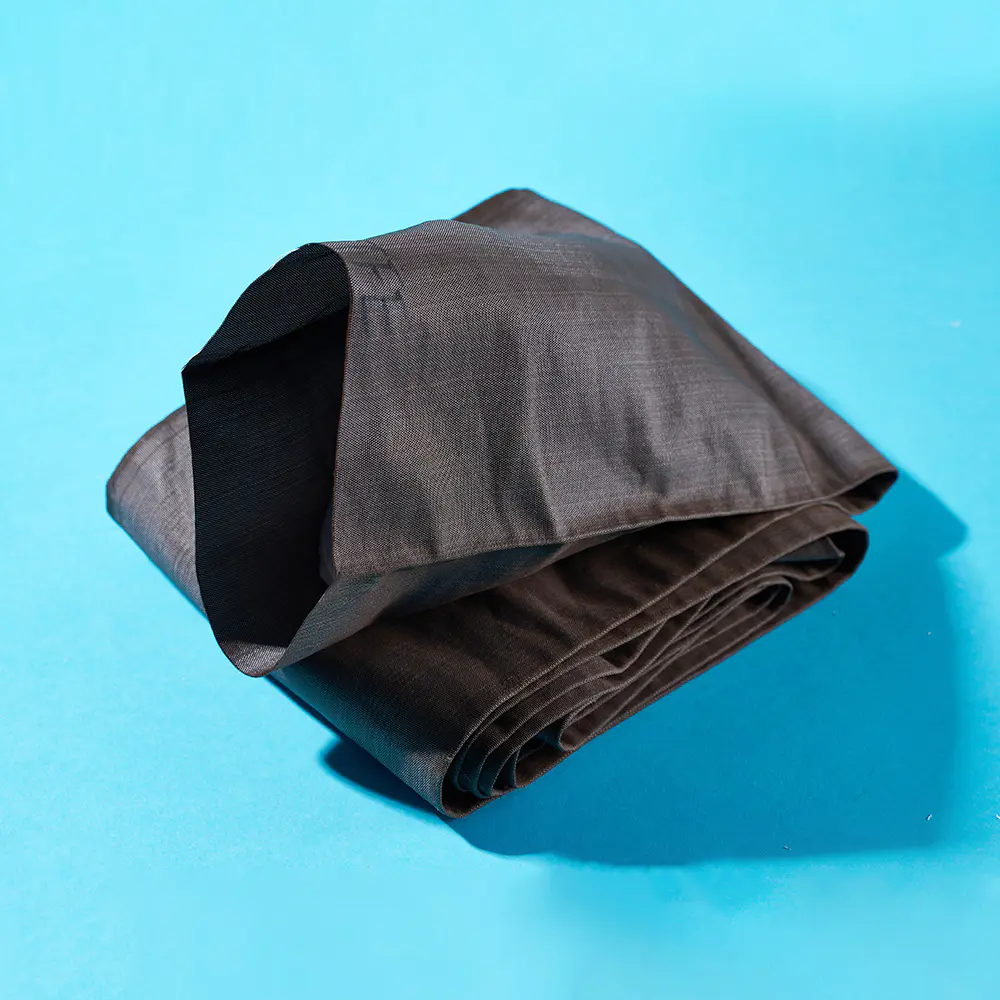
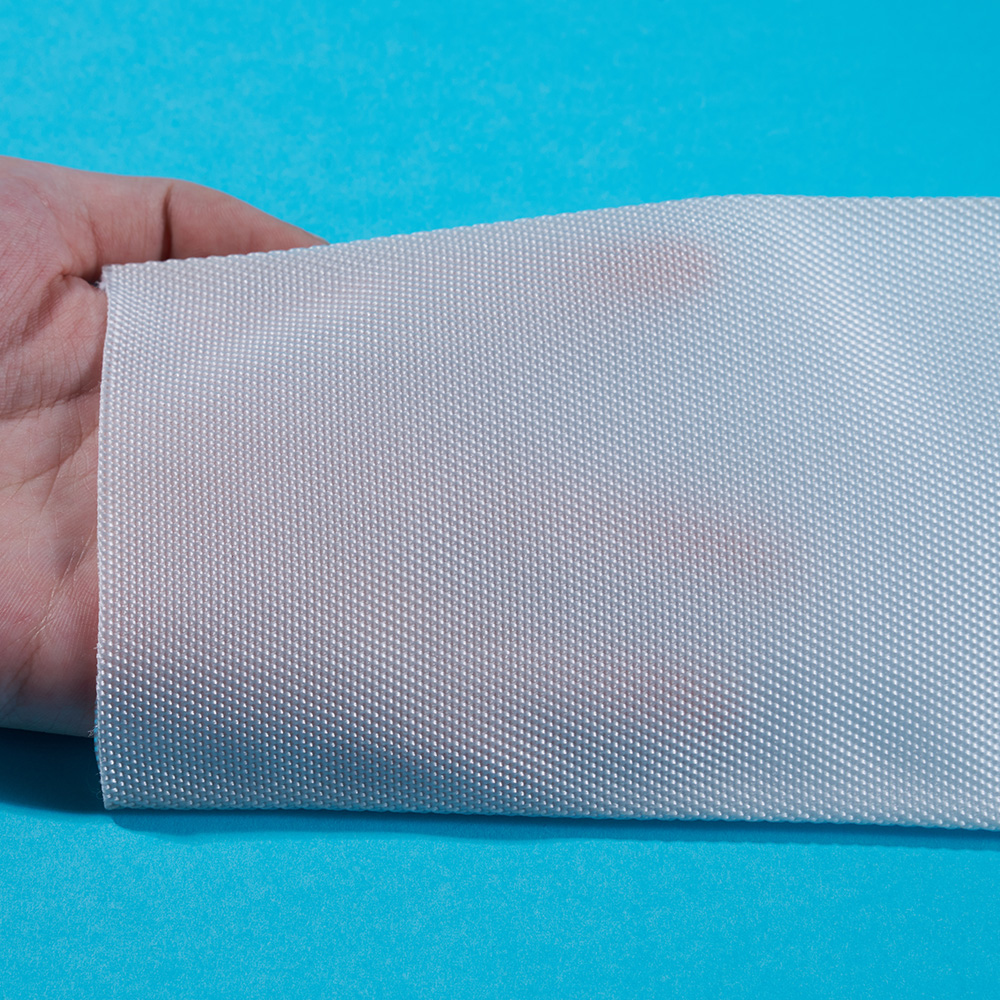
The construction of a polypropylene (PP) mesh filter screen involves weaving or knitting polypropylene fibers into a uniform grid pattern. The mesh size of a polypropylene (PP) mesh filter screen determines the particle retention capability, with finer meshes capturing smaller particulates. Manufacturers produce polypropylene (PP) mesh filter screen in various opening sizes, allowing users to select the appropriate grade for specific separation requirements. The consistent opening geometry of a quality polypropylene (PP) mesh filter screen supports predictable filtration outcomes.
Applications for polypropylene (PP) mesh filter screen span multiple industries. Water treatment facilities utilize polypropylene (PP) mesh filter screen for pre-filtration and solids separation processes. Chemical processing operations employ polypropylene (PP) mesh filter screen for product purification and recovery applications. Food and beverage producers incorporate polypropylene (PP) mesh filter screen into their processing lines, taking advantage of the material’s compliance with food contact regulations. The versatility of polypropylene (PP) mesh filter screen allows it to serve diverse sectors with varying filtration demands.
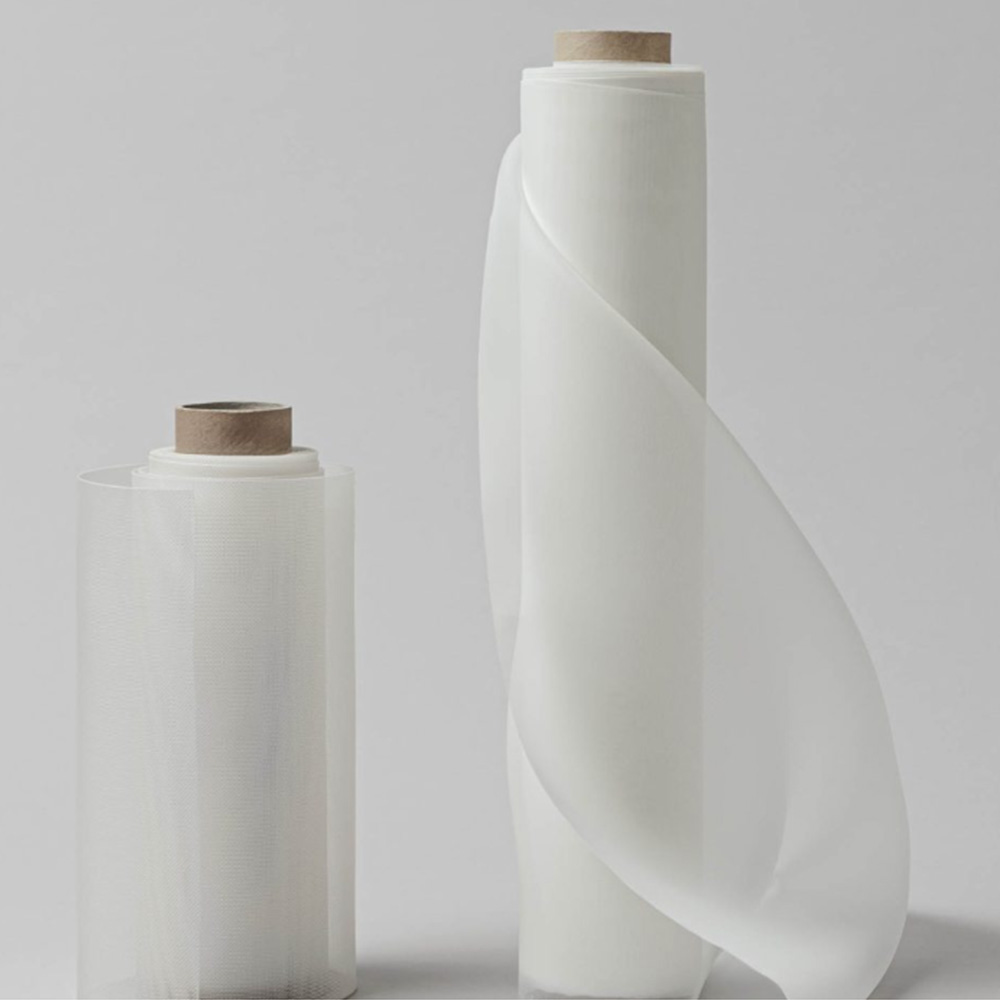
The mechanical properties of polypropylene (PP) mesh filter screen support its use in both static and dynamic filtration systems. The material offers adequate tensile strength for typical filtration applications while maintaining flexibility that facilitates installation and handling. A polypropylene (PP) mesh filter screen can be fabricated into various shapes, including flat sheets, filter bags, and custom configurations suited to specific equipment designs. This adaptability allows engineers to specify polypropylene (PP) mesh filter screen for both new installations and retrofits.
Temperature considerations influence the selection of polypropylene (PP) mesh filter screen for particular applications. Polypropylene maintains its structural integrity within a defined temperature range, making polypropylene (PP) mesh filter screen suitable for ambient and moderately elevated temperature processes. For applications exceeding these temperature parameters, alternative materials may be considered. Users evaluating polypropylene (PP) mesh filter screen assess operating temperatures alongside chemical exposure to ensure compatibility.
Maintenance practices for polypropylene (PP) mesh filter screen focus on cleaning and inspection to extend service life. Depending on the application, polypropylene (PP) mesh filter screen can be cleaned through backwashing, rinsing, or mechanical agitation to remove accumulated solids. Regular inspection of polypropylene (PP) mesh filter screen helps identify areas of wear or damage that could affect filtration performance. Properly maintained polypropylene (PP) mesh filter screen can provide consistent filtration over extended periods.
The polypropylene (PP) mesh filter screen market is expected to continue serving industrial filtration needs as processes require reliable separation media. Advances in fiber technology and weaving methods may yield polypropylene (PP) mesh filter screen products with improved uniformity and mechanical characteristics. For engineers and operators seeking filtration media that combine chemical resistance with consistent performance, polypropylene (PP) mesh filter screen remains a practical choice across numerous industrial applications.