عربى
عربى
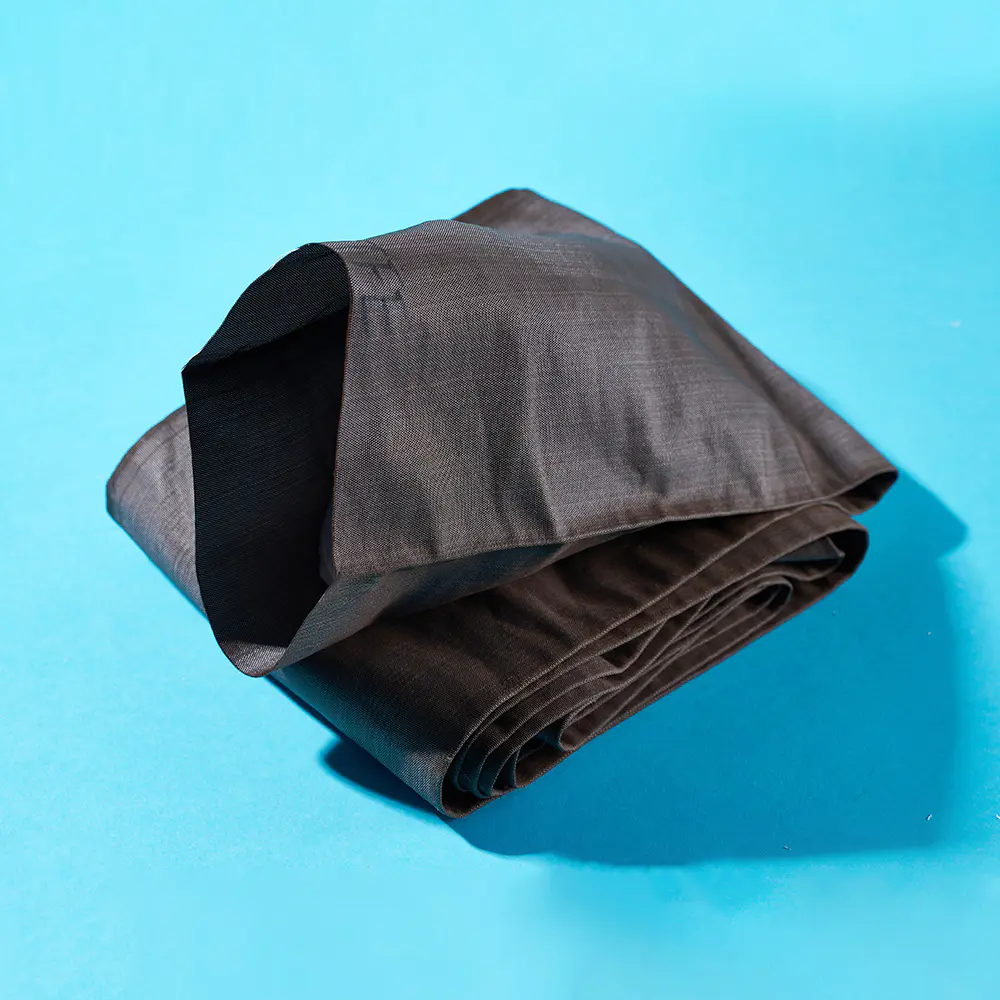
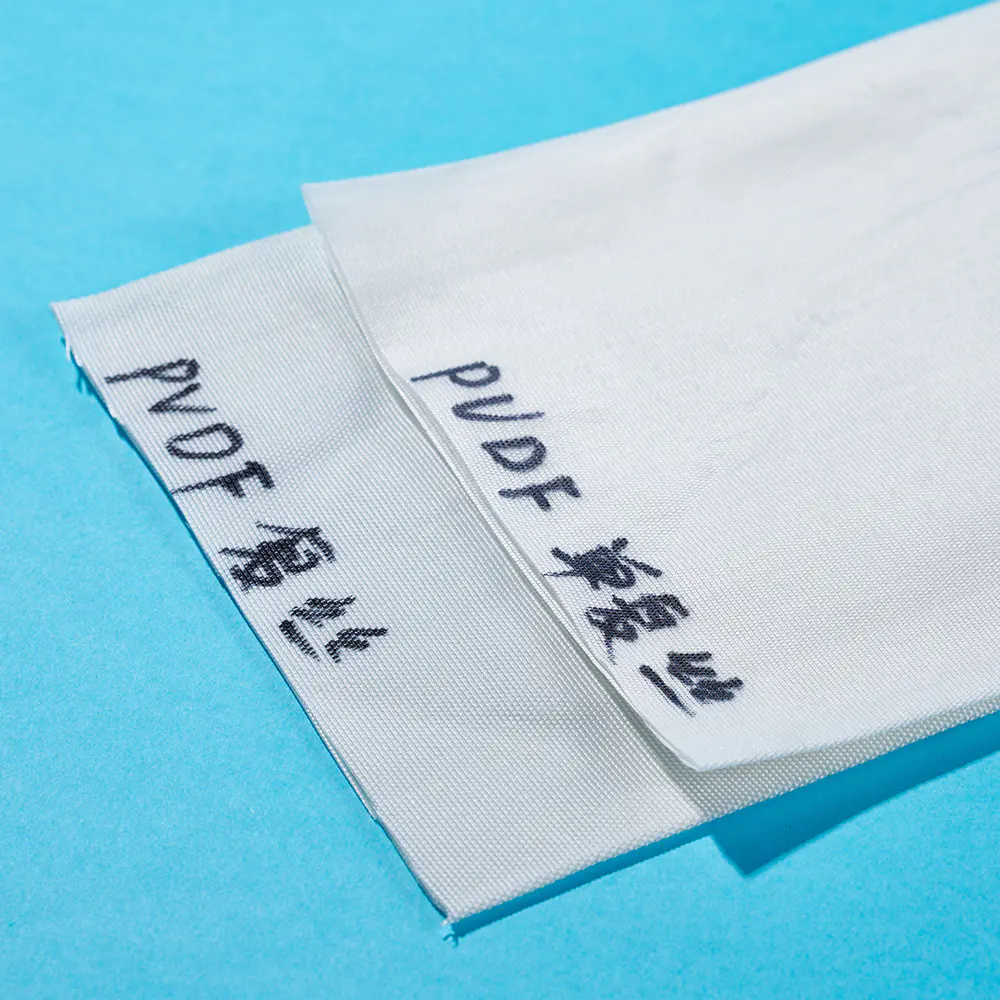
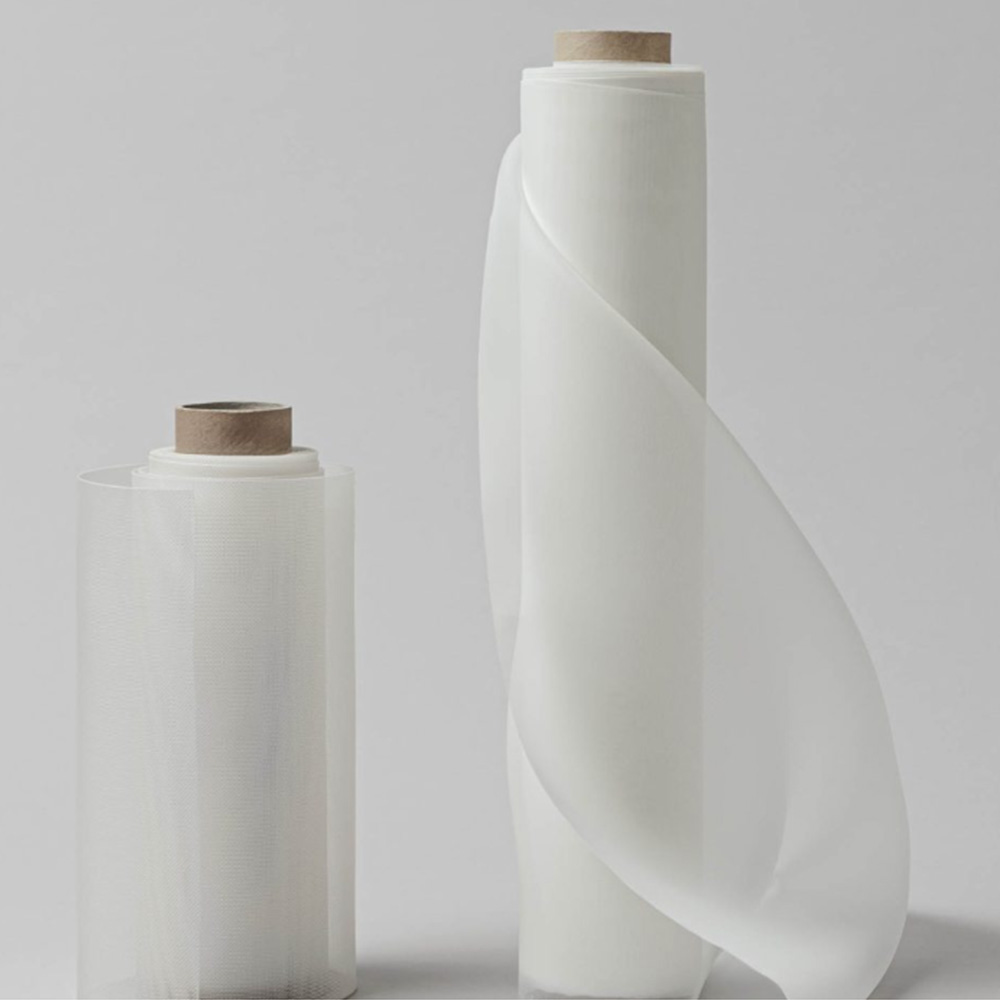
Within the advanced materials sector of filtration technology, a specialized product is addressing the needs of highly aggressive process conditions: polyfluoroalkoxy (PVDF) woven filter mesh. This engineered fabric, constructed from monofilaments of PVDF polymer, is designed for applications where bad chemical resistance, thermal stability, and purity are required. The growing adoption of polyfluoroalkoxy (PVDF) woven filter mesh highlights its critical role in industries such as pharmaceuticals, high-purity chemical processing, and aggressive wastewater treatment, where conventional polymer meshes would be unsuitable.
The defining characteristic of polyfluoroalkoxy (PVDF) woven filter mesh is its exceptional inertness. PVDF as a material is renowned for its outstanding resistance to a wide range of strong acids, bases, oxidizers, halogens, and organic solvents. This makes the polyfluoroalkoxy (PVDF) woven filter mesh a reliable choice for filtering corrosive and reactive media without risk of degradation or contamination. Furthermore, PVDF maintains its mechanical properties across a broad temperature spectrum, allowing the polyfluoroalkoxy (PVDF) woven filter mesh to perform consistently in both elevated and cryogenic process conditions. Its inherent hydrophobicity and low surface energy also contribute to good release properties and resistance to fouling.
The application scope for polyfluoroalkoxy (PVDF) woven filter mesh is specialized and vital. In the pharmaceutical and biotech industries, it is used in processes requiring ultra-pure filtration, such as the sterile filtration of solvents or aggressive buffers, where extractables and leachables must be lessd. Within the chemical industry, polyfluoroalkoxy (PVDF) woven filter mesh is employed for filtering concentrated acids, chlorinated compounds, and other reactive chemicals during production or recovery stages. It is also a key material in membrane bioreactors (MBRs) for harsh industrial wastewater treatment, where its durability in the face of challenging biological and chemical loads is important.
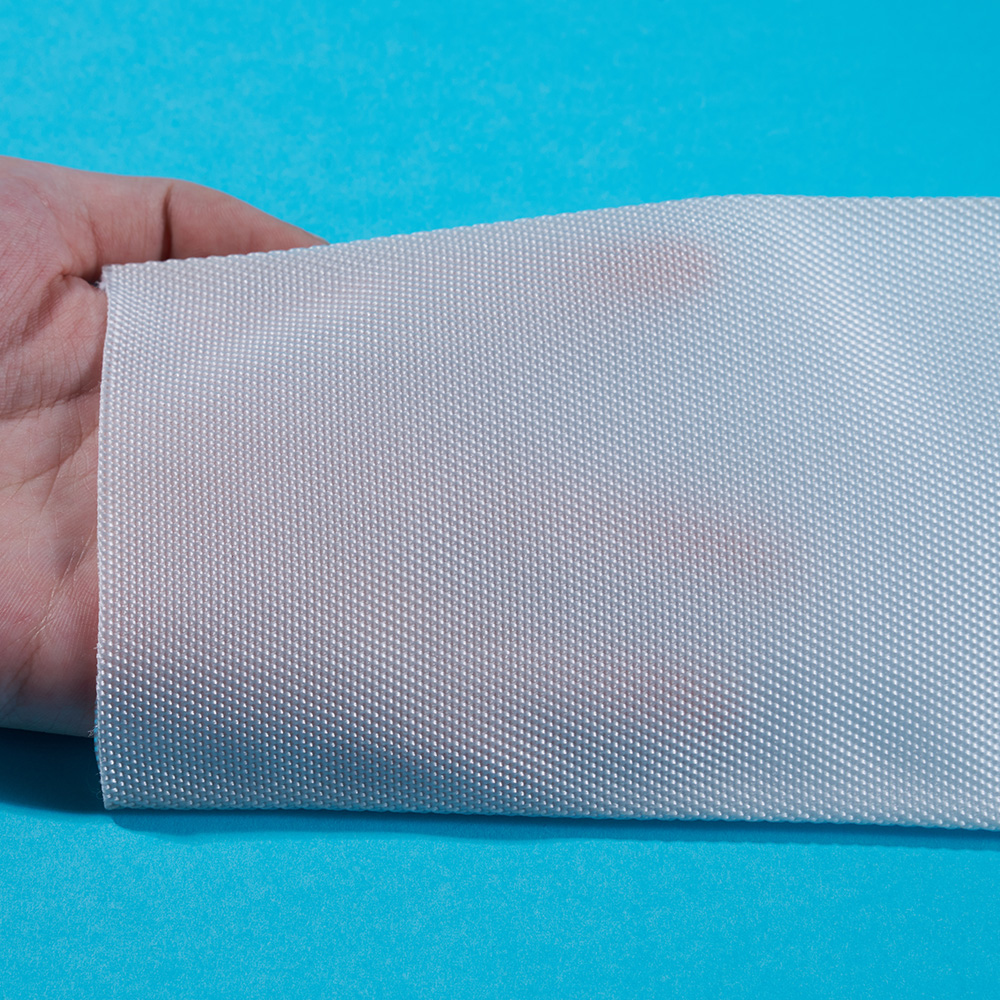
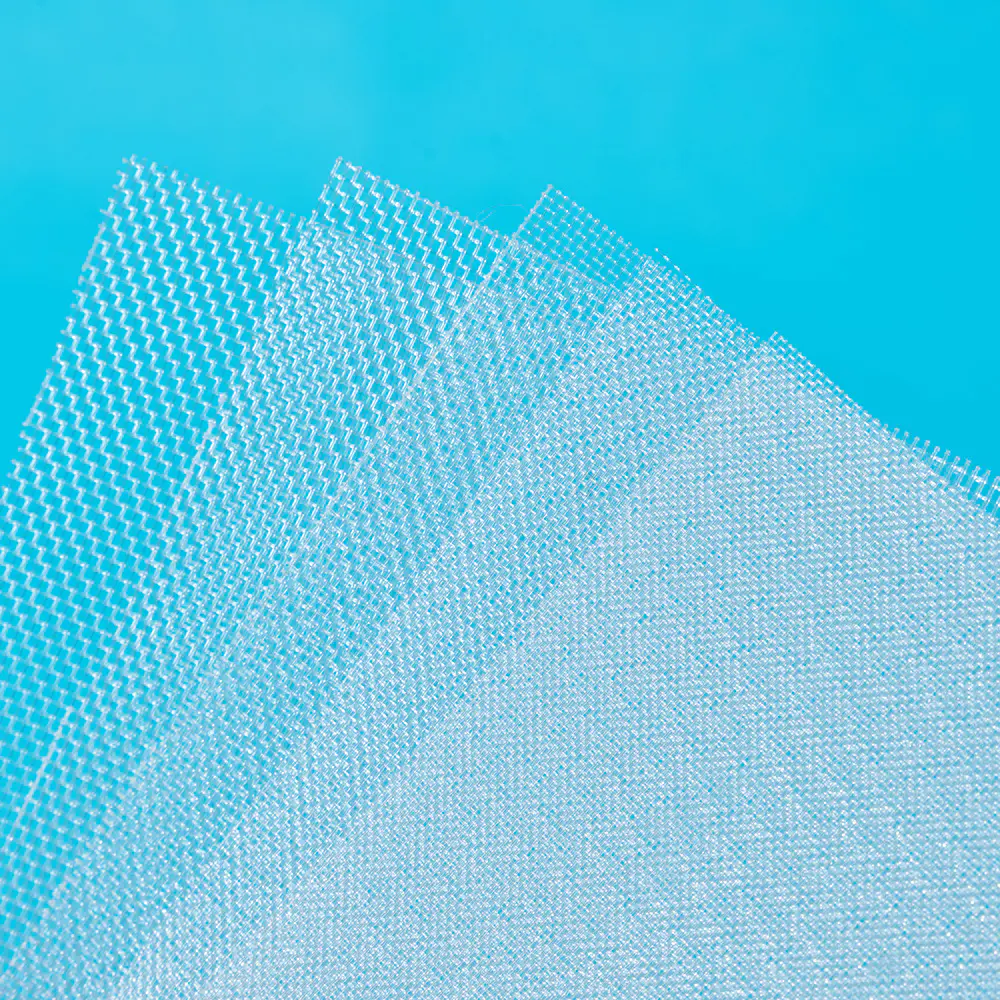
Manufacturing polyfluoroalkoxy (PVDF) woven filter mesh involves precise textile engineering. High-quality PVDF resin is extruded into consistent monofilament yarns, which are then woven on specialized looms. The weaving pattern for polyfluoroalkoxy (PVDF) woven filter mesh is carefully selected to achieve the desired filtration rating (micron retention), mechanical strength, and open area for ideal flow. The resulting fabric is typically heat-set to stabilize the weave and ensure dimensional stability under operational stress. Quality control for polyfluoroalkoxy (PVDF) woven filter mesh is stringent, focusing on pore size uniformity, chemical purity, and the absence of defects that could compromise performance in critical processes.
Compared to other high-performance filter media like PTFE (polytetrafluoroethylene) coated fabrics, polyfluoroalkoxy (PVDF) woven filter mesh offers a distinct balance of properties. While PVDF may not match PTFE's up to continuous use temperature in some grades, it generally offers predominant mechanical strength, abrasion resistance, and weldability. This makes polyfluoroalkoxy (PVDF) woven filter mesh particularly suitable for applications involving mechanical stress, such as in filter press cloths, centrifuge liners, or as a backing support for finer membrane filters in demanding environments. Its ability to be thermally welded facilitates the fabrication of robust filter bags and sealed seams.
Innovation in polyfluoroalkoxy (PVDF) woven filter mesh is likely to focus on enhancing its already strong performance profile. Developments may include yarn modifications to further improve tensile strength or create gradients in surface energy for specific separation tasks. Polyfluoroalkoxy (PVDF) woven filter mesh, through its unique combination of chemical resilience and mechanical durability, is positioned to remain an important enabling material for filtration processes operating at the edge of material science capabilities.