عربى
عربى
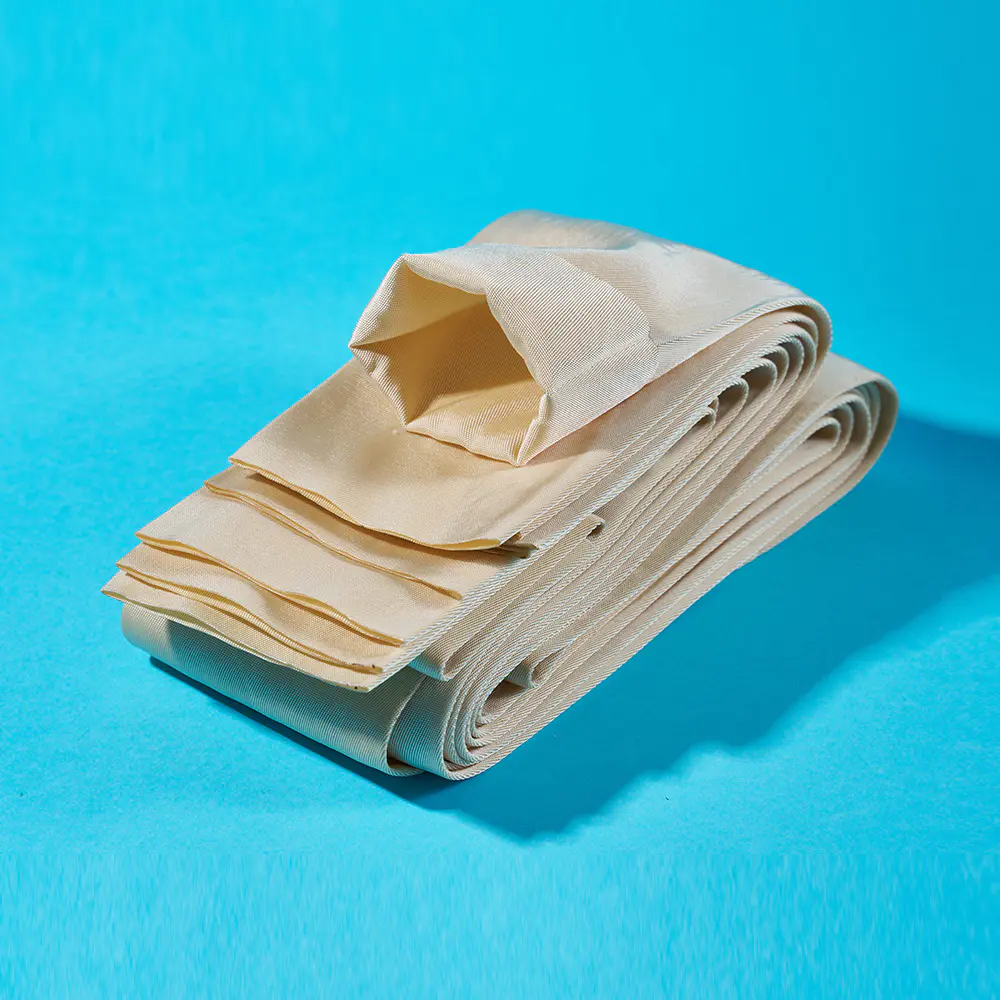
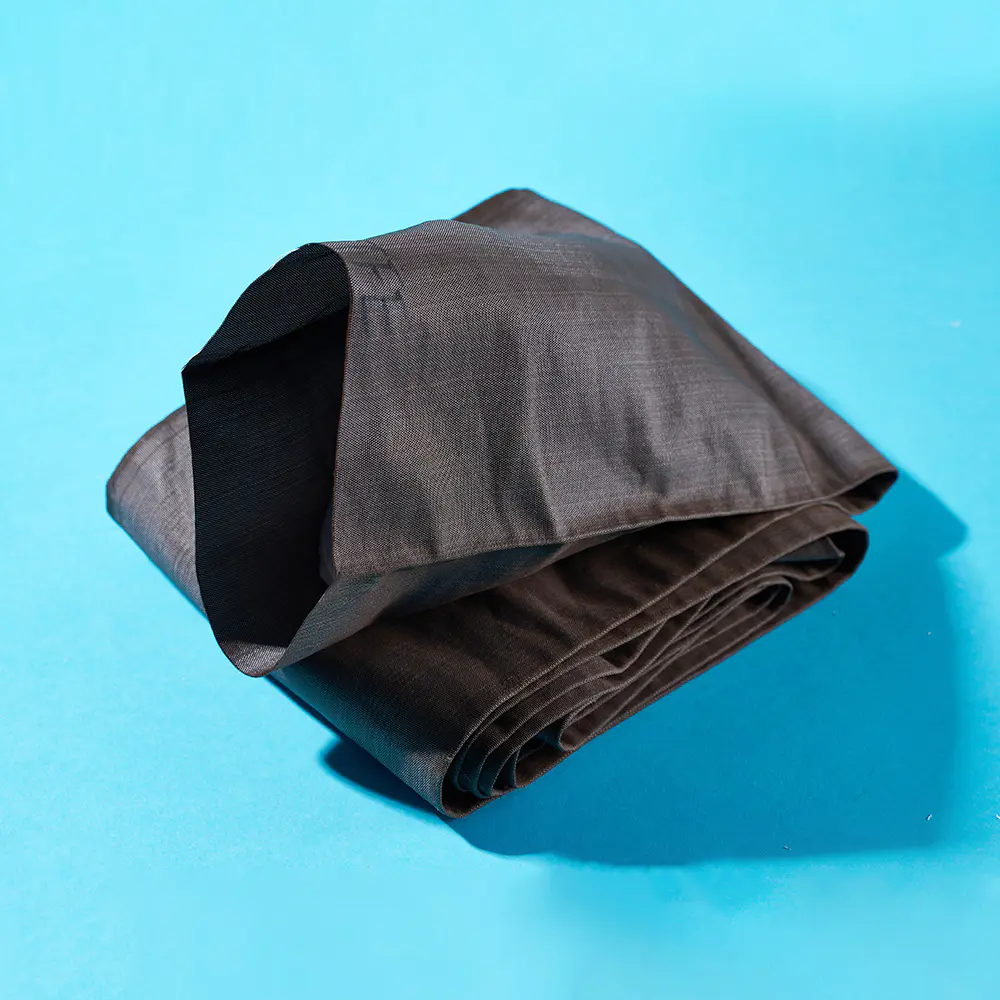
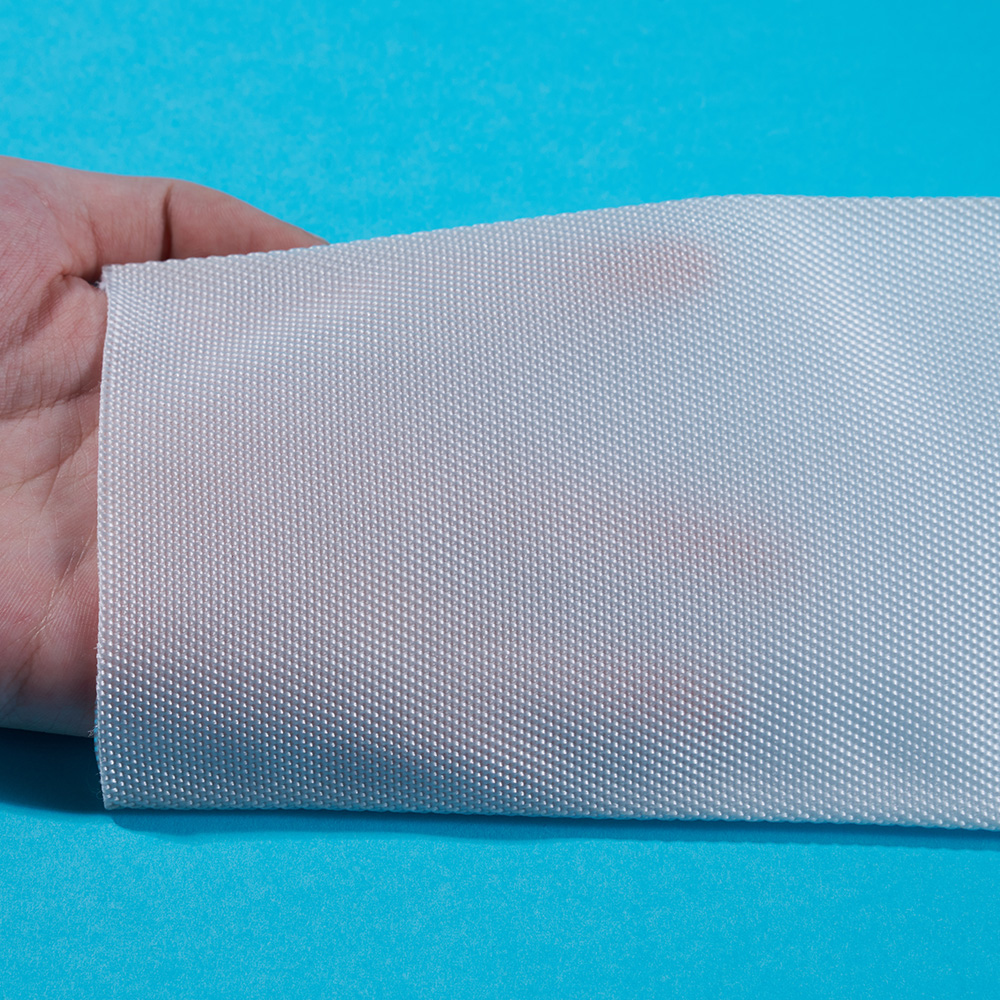
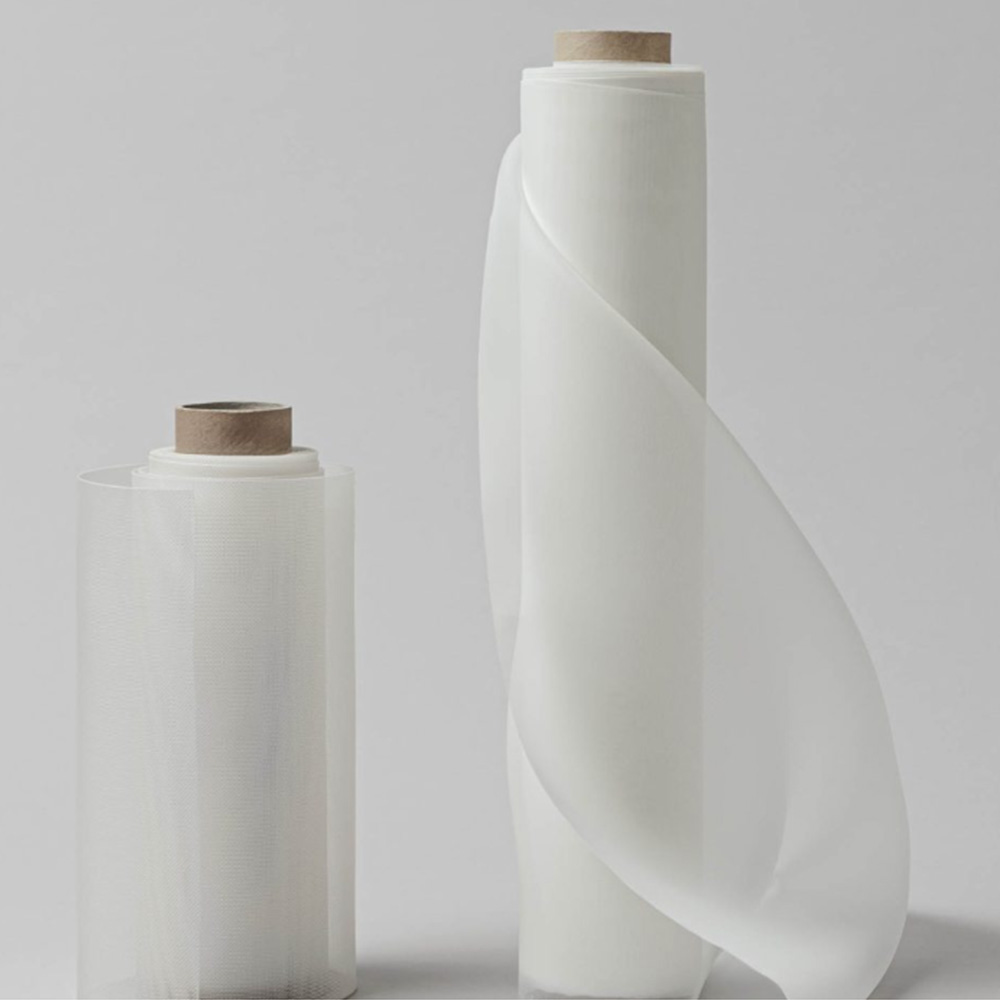
The industrial filtration sector continues to advance with multifilament filter cloth serving as an important component in solid-liquid separation applications across numerous manufacturing industries. This specialized textile, constructed from continuous filament yarns woven into precise fabric structures, offers significant advantages in applications requiring consistent performance, mechanical durability, and efficient cake discharge. The engineering behind multifilament filter cloth represents practical application of material science to address real-world industrial separation challenges.
Industrial sectors including chemical processing, mineral beneficiation, and wastewater treatment have increasingly adopted multifilament filter cloth for its predominant performance characteristics. In filter press operations, the fabric must withstand significant pressure while allowing filtrate passage and retaining solid particles. Multifilament filter cloth maintains its structural integrity through repeated cycles of pressing, cake formation, and discharge, providing reliable operation over extended service periods.
The mechanical properties of multifilament filter cloth contribute substantially to its selection in demanding applications. Continuous filament construction provides tensile strength and resistance to deformation under load, ensuring that critical dimensions and filtration characteristics remain stable throughout use. This stability proves important in automated filtration equipment where consistent performance depends on predictable fabric behavior.
Surface characteristics significantly influence multifilament filter cloth performance, particularly regarding cake release efficiency. Manufacturers employ finishing techniques that modify fabric surface properties for ideal performance with specific filter cake types. Properly engineered multifilament filter cloth releases filter cake cleanly, small cycle time and big production throughput.
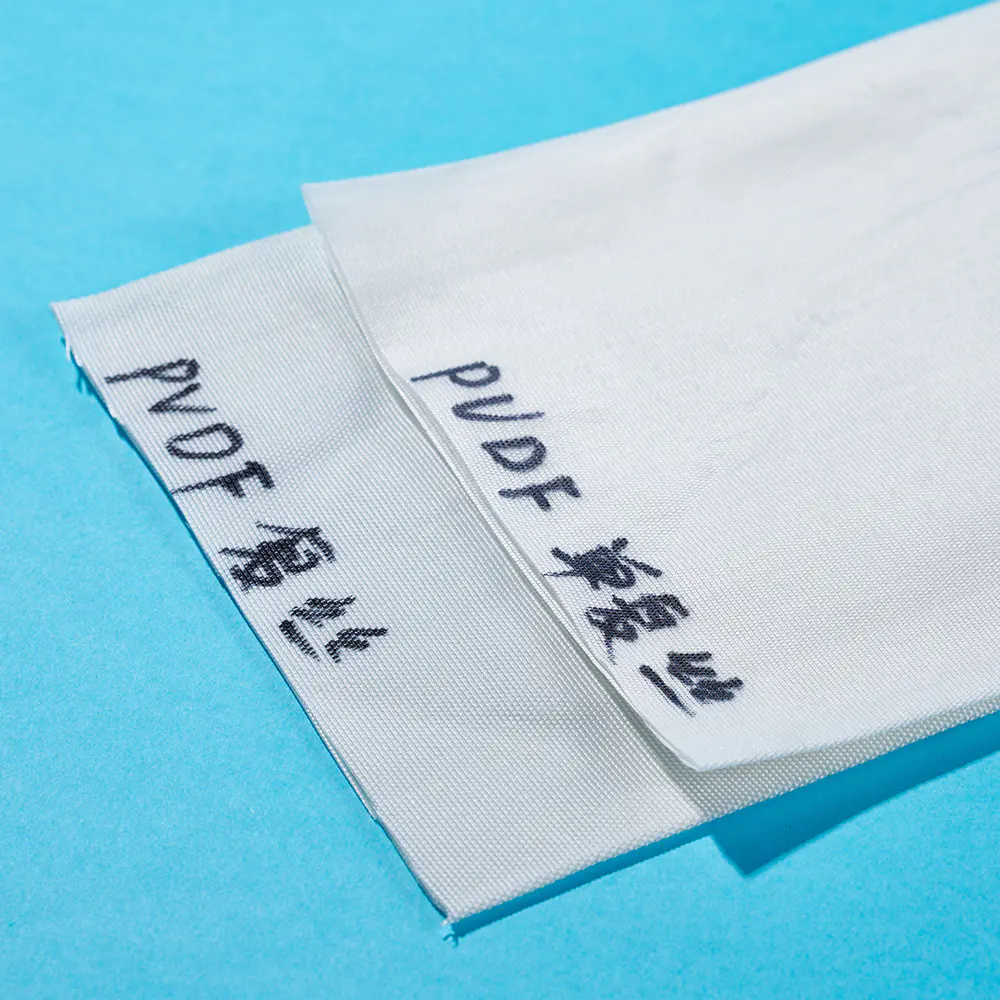
Chemical resistance represents another important advantage of multifilament filter cloth in aggressive processing environments. These fabrics are produced from polymers selected for compatibility with specific process conditions including exposure to acids, alkalis, and elevated temperatures. Polyester, polyamide, and polypropylene variants of multifilament filter cloth offer distinct chemical resistance profiles enabling appropriate material selection for particular applications.
Environmental applications represent a significant market for multifilament filter cloth. Wastewater treatment facilities utilize these materials in belt filter presses and sludge dewatering equipment processing large volumes daily. The durability and consistent performance of multifilament filter cloth help facilities maintain discharge standards while operating efficiently.
The mining industry relies on multifilament filter cloth for dewatering operations separating valuable concentrates from waste slurries. The abrasion resistance of these fabrics under challenging conditions, combined with their ability to achieve low moisture content in filtered solids, makes them valuable in mineral processing operations.
Food and beverage producers specify multifilament filter cloth for applications requiring health regulation compliance. Cleanable surface characteristics facilitate thorough sanitation between production runs, supporting protocols important for food safety. Applications include juice clarification and edible oil filtration where product purity affects consumer health.
Chemical manufacturing operations utilize multifilament filter cloth in catalyst recovery and product purification applications. Chemical compatibility ensures reliable performance without degradation that could compromise filtration efficiency or contaminate products.
Research continues advancing multifilament filter cloth technology toward improved capabilities. New polymer blends and weaving patterns address emerging filtration challenges including finer particle retention and higher temperature resistance required by evolving industrial processes.
The global supply chain for multifilament filter cloth serves diverse markets across all continents. Technical support includes assistance with fabric selection and optimization of replacement schedules to balance performance against operating costs, ensuring this filtration medium continues meeting industrial requirements worldwide.