عربى
عربى
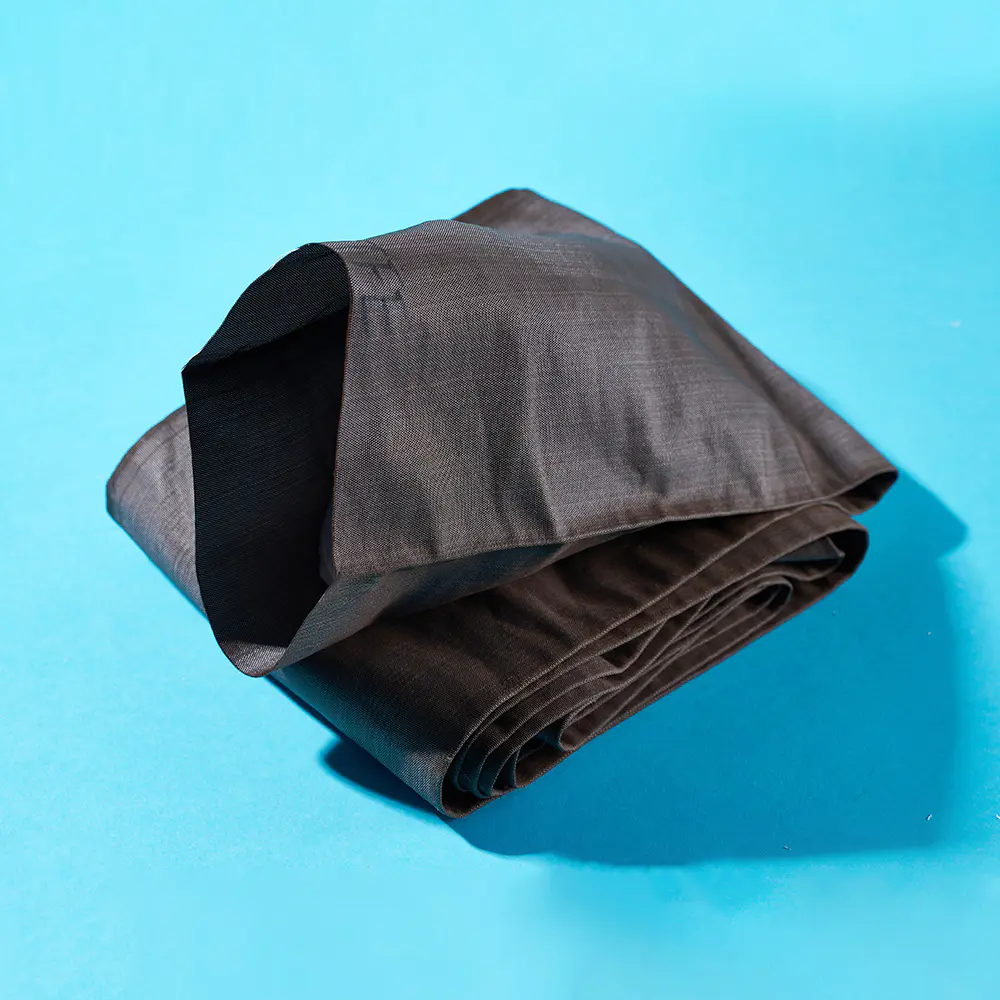
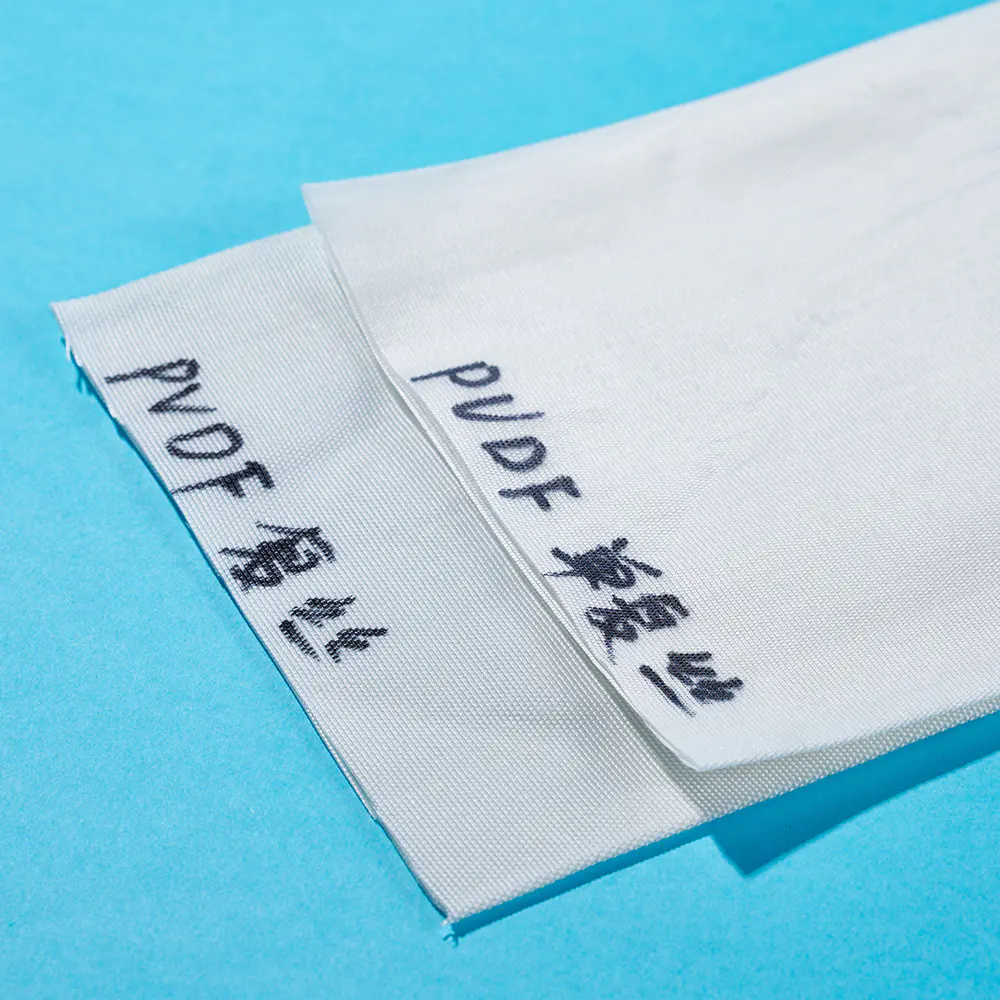
The industrial filtration landscape continues to evolve with monofilament filter screen emerging as a critical technology for precision separation across diverse manufacturing sectors. This specialized screening medium, constructed from single continuous filaments rather than multifilament yarns, offers distinct advantages in applications requiring consistent particle retention, high flow rates, and exceptional durability. The engineering behind monofilament filter screen represents a sophisticated intersection of polymer science and textile technology that addresses increasingly demanding industrial requirements.
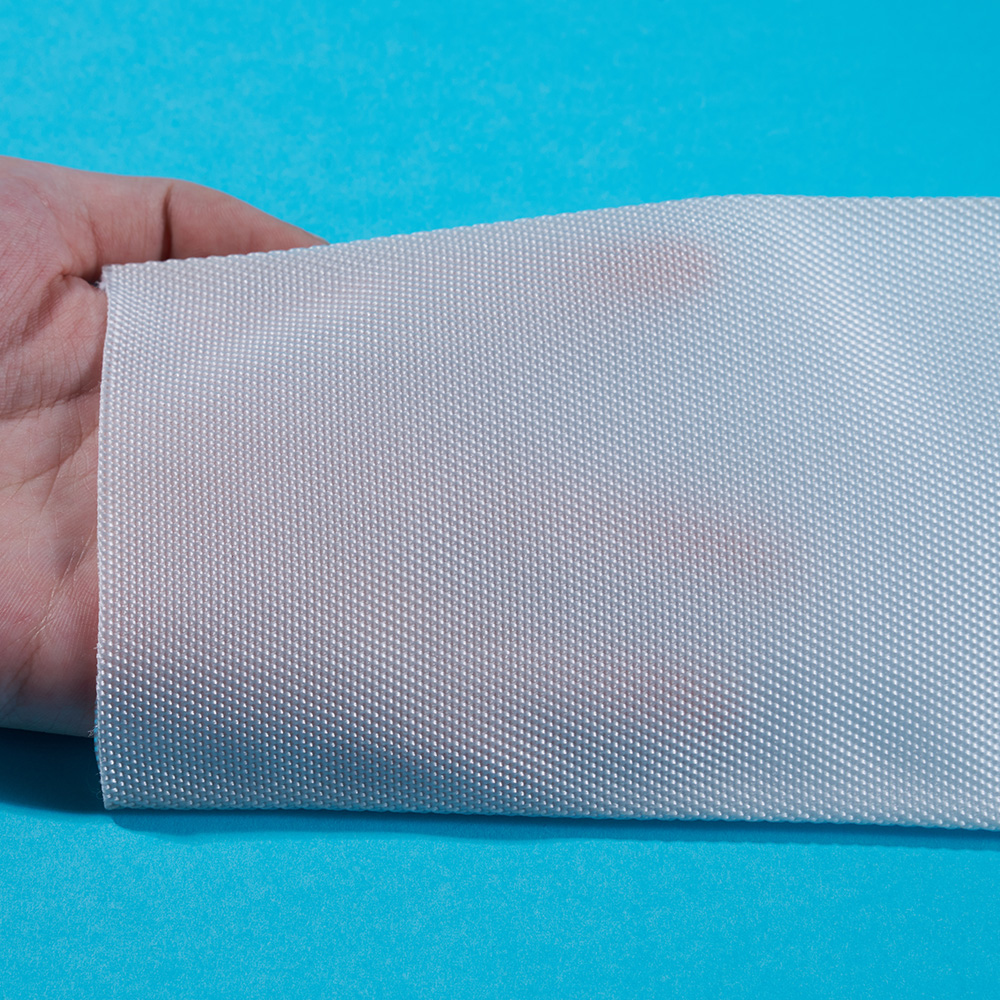
The fundamental structure of monofilament filter screen distinguishes it from other filtration media through its simplicity and precision. Each individual filament runs continuously throughout the screen, creating smooth, uniform surfaces that resist particle adhesion and facilitate thorough cleaning between operational cycles. This characteristic proves particularly valuable in processes where contamination between batches must be eliminated and where consistent performance directly impacts product quality and production efficiency.
Industrial sectors ranging from chemical processing to food production have increasingly adopted monofilament filter screen for its predominant performance characteristics. In liquid filtration applications, the precisely controlled openings between monofilaments enable accurate particle size separation while maintaining ideal throughput rates. This balance between retention efficiency and flow capacity proves important for operations where productivity and quality standards must be simultaneously satisfied.
The mechanical properties of monofilament filter screen contribute significantly to its growing preference in demanding applications. Single filament construction imparts exceptional tensile strength and dimensional stability, allowing the screen to withstand significant pressure differentials and mechanical stresses inherent in continuous industrial operations. Unlike materials that stretch, deform, or blind over time, well-engineered monofilament filter screen maintains its critical dimensions and filtration characteristics throughout extended service life.
The manufacturing process for monofilament filter screen involves sophisticated weaving technologies capable of producing precise mesh constructions. Modern looms create consistent, reproducible patterns that determine filtration characteristics including opening size, open area percentage, and particle retention ratings. Quality control throughout production ensures that each roll of monofilament filter screen meets specified parameters, providing customers with reliable performance batch after batch.
Surface characteristics of monofilament filter screen enhance its functionality across numerous applications. The smooth filament surfaces prevent particle entrapment within the screen structure, reducing blinding tendencies that plague other filtration media. This cleanability factor extends operational cycles between maintenance interventions, improving overall equipment effectiveness and reducing labor costs associated with screen cleaning or replacement.
Environmental applications have emerged as a significant growth area for monofilament filter screen. Water treatment facilities utilize these materials in traveling screens, drum filters, and belt filtration systems that remove solids from intake water, process streams, and discharge flows. Industrial wastewater treatment incorporates monofilament filter screen in various configurations to capture suspended solids before discharge or further processing. As environmental regulations become increasingly stringent worldwide, demand for reliable screening media continues to expand.
The global supply chain for monofilament filter screen has matured to serve diverse markets across all continents. Specialized producers maintain inventories of standard mesh constructions while offering custom development services for unique applications. Technical support includes assistance with screen selection, troubleshooting filtration problems, and optimizing replacement schedules to balance performance against operating costs. This comprehensive approach ensures that monofilament filter screen continues meeting evolving industrial requirements worldwide while maintaining the reliability that process industries demand.