عربى
عربى
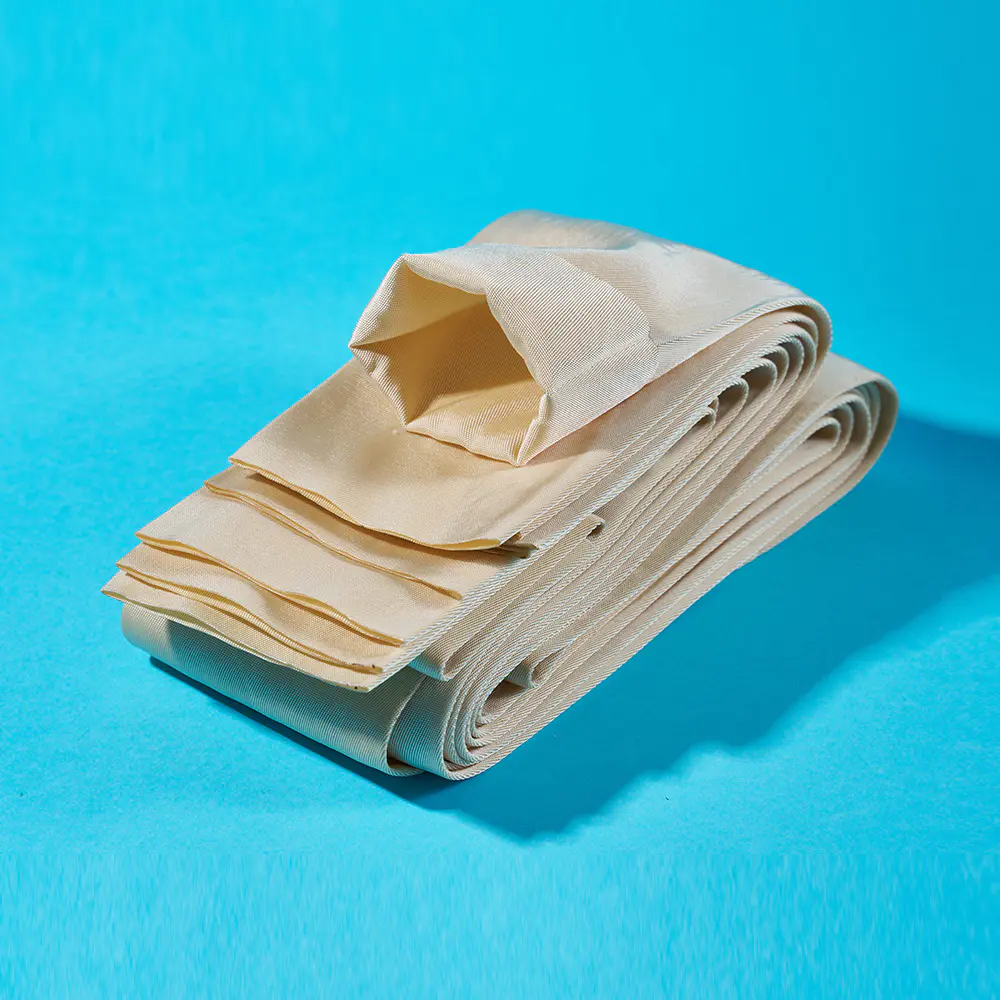
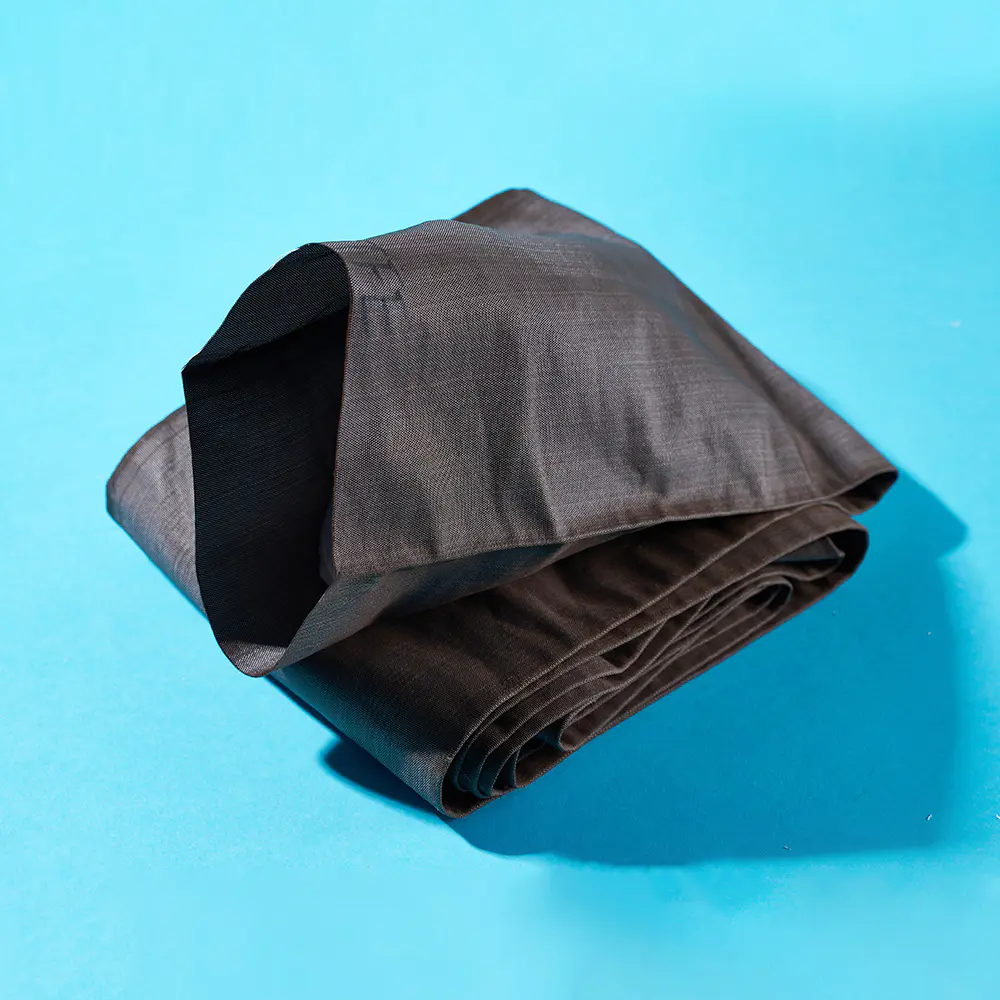
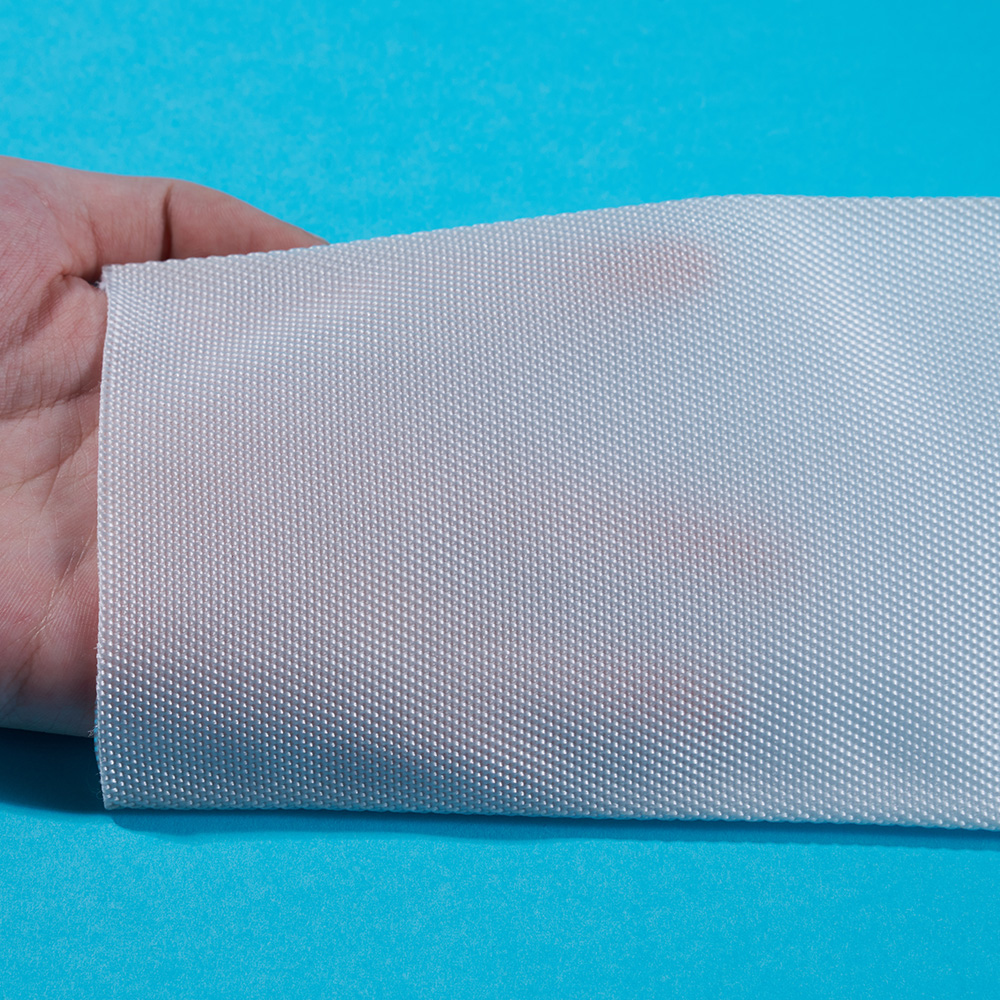
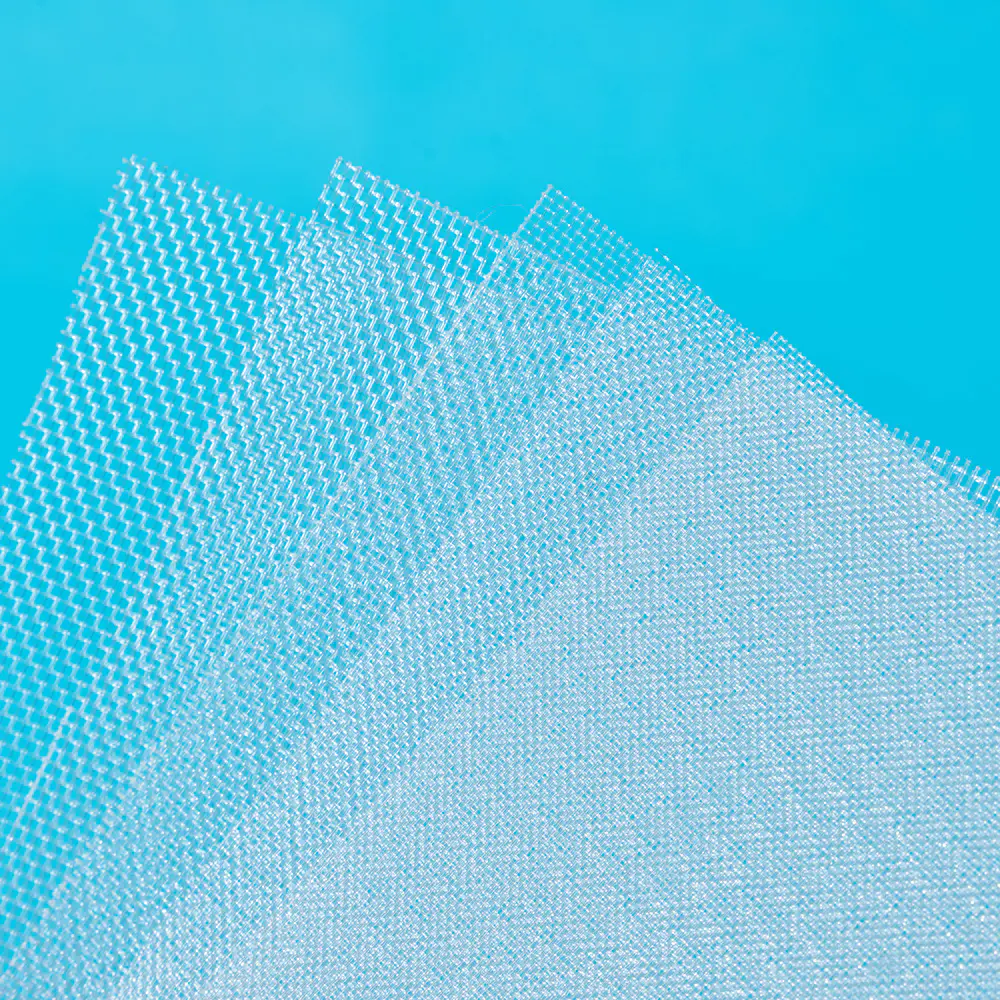
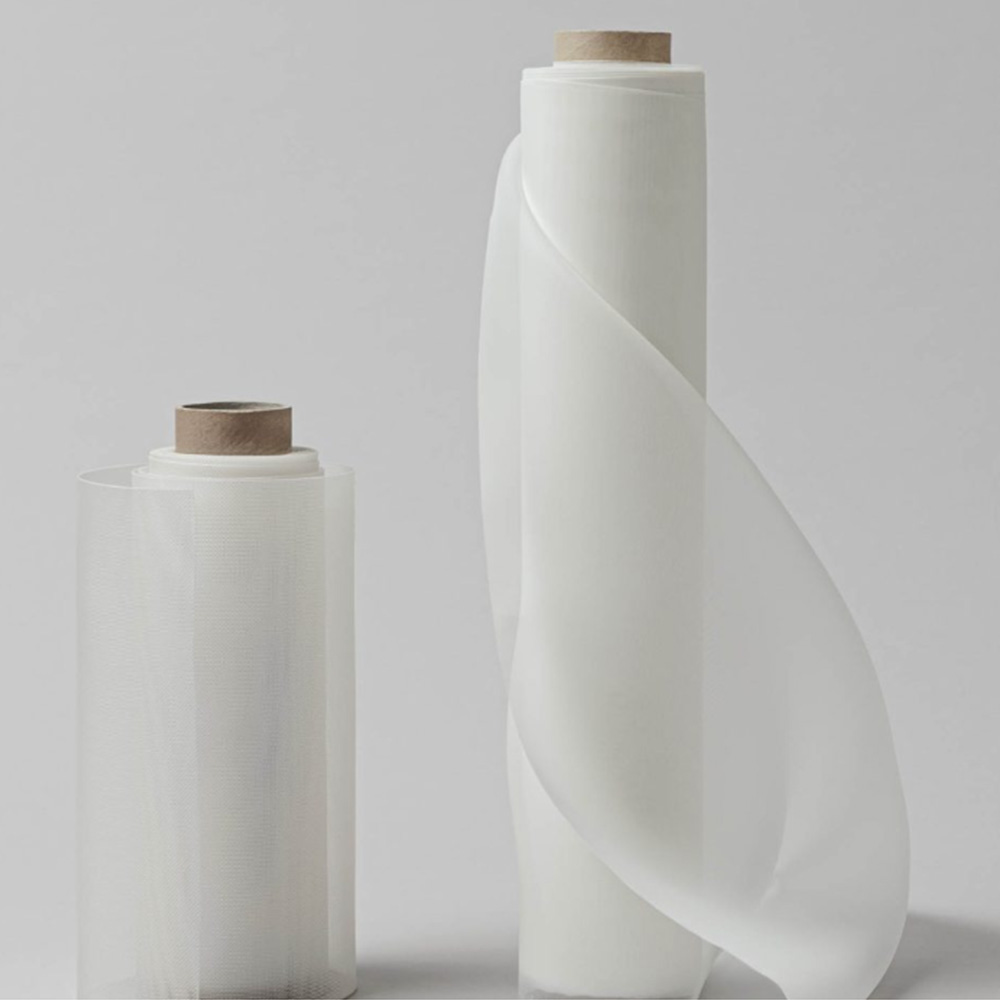
The multifilament filter cloth has remained a widely specified media for industrial filtration applications including mining dewatering, chemical processing, and wastewater treatment. Unlike monofilament fabrics woven from single continuous strands, a multifilament filter cloth uses twisted yarns composed of many fine fibers. This construction gives the multifilament filter cloth a higher surface area for particle capture compared to smoother monofilament alternatives. Engineers responsible for filter press operation and vacuum drum filtration have continued to specify the multifilament filter cloth for applications requiring fine particle retention. The fabric's ability to produce clear filtrate while maintaining reasonable flow rates explains its sustained presence in challenging filtration duties.
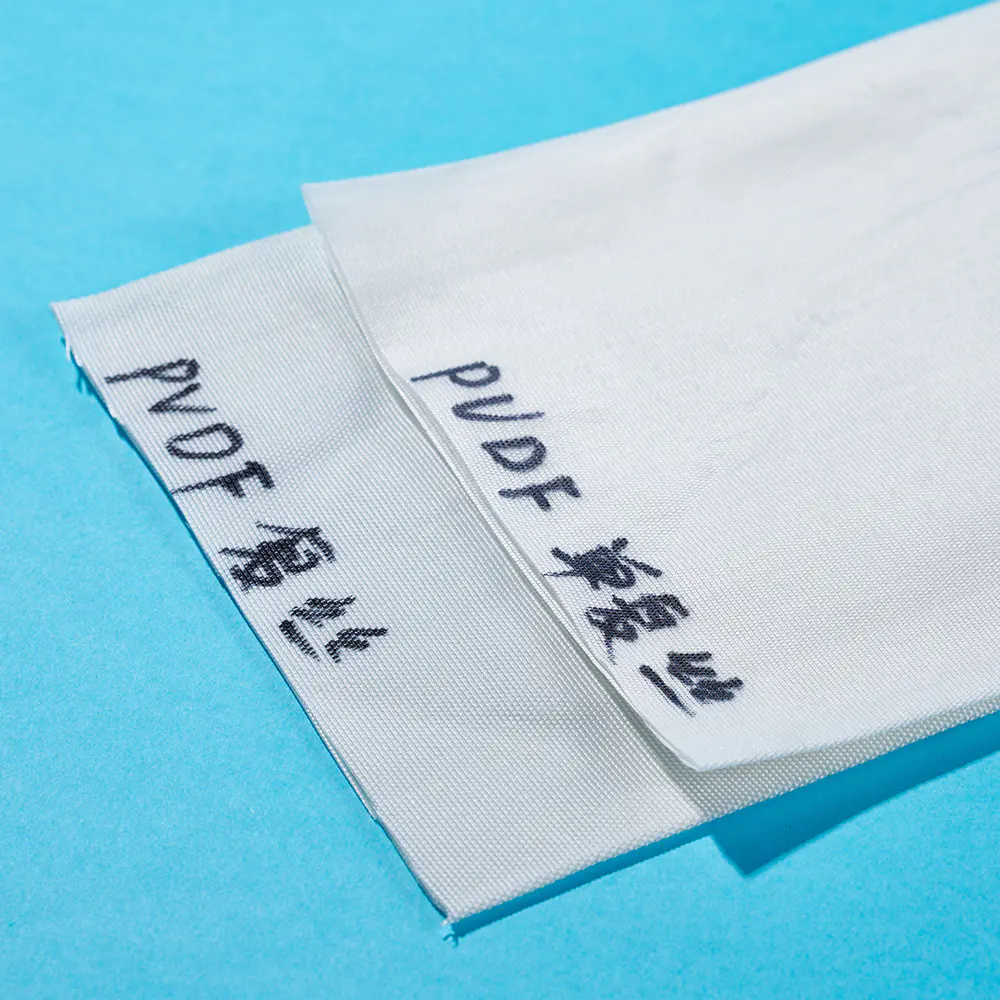
Material options for a multifilament filter cloth include polypropylene, polyester, polyamide, and fluoropolymers. A polypropylene multifilament filter cloth resists acidic and alkaline process streams while offering good release properties for filter cake discharge. Polyester multifilament filter cloth handles higher temperatures than polypropylene, suitable for applications such as hot oil filtration or food processing. For aggressive chemical environments, a fluoropolymer multifilament filter cloth provides extended service life at a higher initial cost. The fiber selection for a multifilament filter cloth must match both the chemical composition and the operating temperature of the process stream.
Weaving patterns for a multifilament filter cloth affect both particle retention and flow characteristics. A plain weave multifilament filter cloth offers balanced strength and permeability, suitable for general purpose dewatering. Twill weave multifilament filter cloth versions provide smoother surface finishes that aid cake release during filter press cycle completion. A multifilament filter cloth with a satin weave achieves higher flow rates but may pass finer particles compared to tighter weaves. The fabric thickness of a multifilament filter cloth influences both dirt holding capacity and the tendency for blinding by fine solids.
Surface treatment options for a multifilament filter cloth enhance performance in specific applications. Heat setting a multifilament filter cloth stabilizes the fabric dimensions, preventing stretching or distortion under tension. Calendering passes the multifilament filter cloth between heated rollers, reducing surface fiber protrusion and improving cake release. A glazed multifilament filter cloth achieves a smoother outer surface that resists particle adhesion during filtration cycles. Some multifilament filter cloth products receive oleophobic or hydrophilic coatings that modify wetting behavior for specialized separations.
Permeability ratings for a multifilament filter cloth guide selection for different slurry types. A low permeability multifilament filter cloth produces clear filtrate but requires longer cycle times to achieve acceptable cake dryness. High permeability multifilament filter cloth applications include fast filtering slurries where particle size distribution contains mostly coarse solids. Laboratory testing of a multifilament filter cloth sample using actual process slurry helps determine appropriate permeability specifications. The permeability of a multifilament filter cloth may change over time as particles lodge within the yarn structure.
The multifilament filter cloth will likely maintain its position in sectors where fine particle retention matters more than big flow rate. Advances in fiber technology may produce multifilament filter cloth with improved chemical resistance or longer service intervals. For filtration engineers seeking predictable performance with established materials, the multifilament filter cloth remains a practical choice.