عربى
عربى
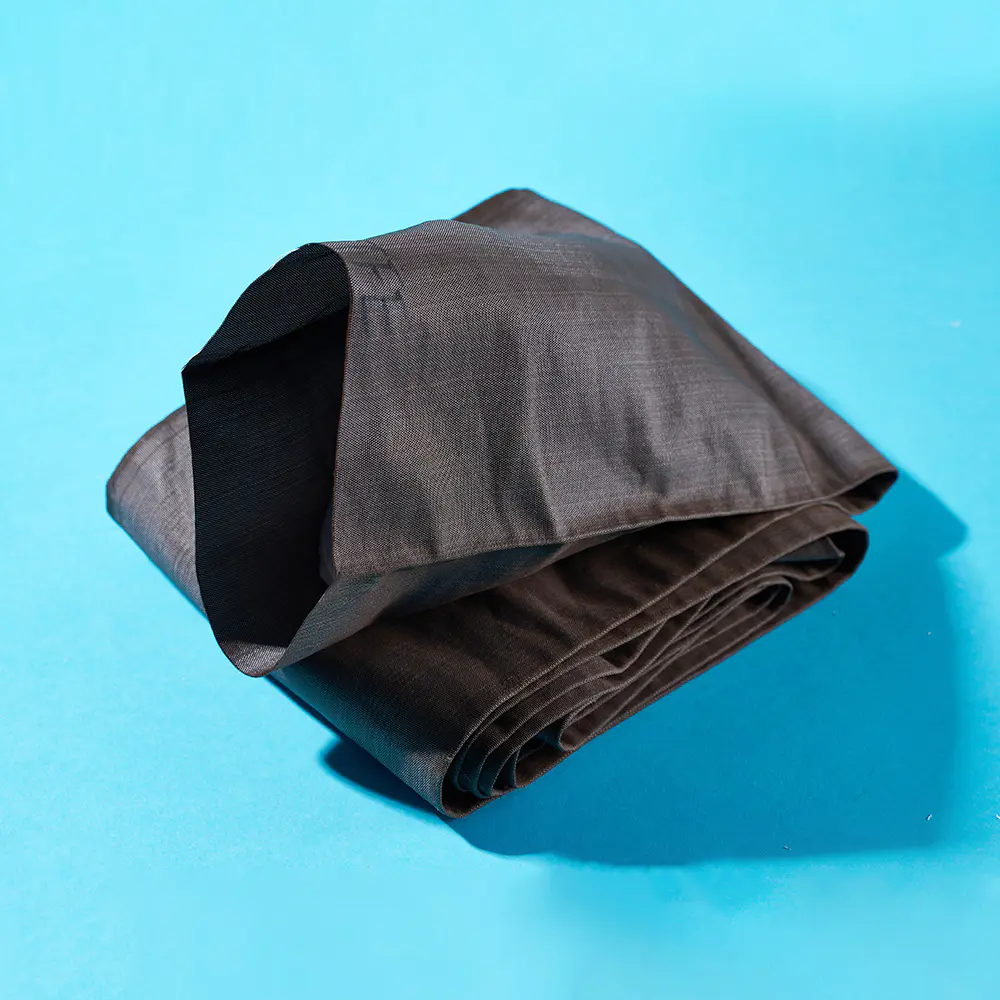
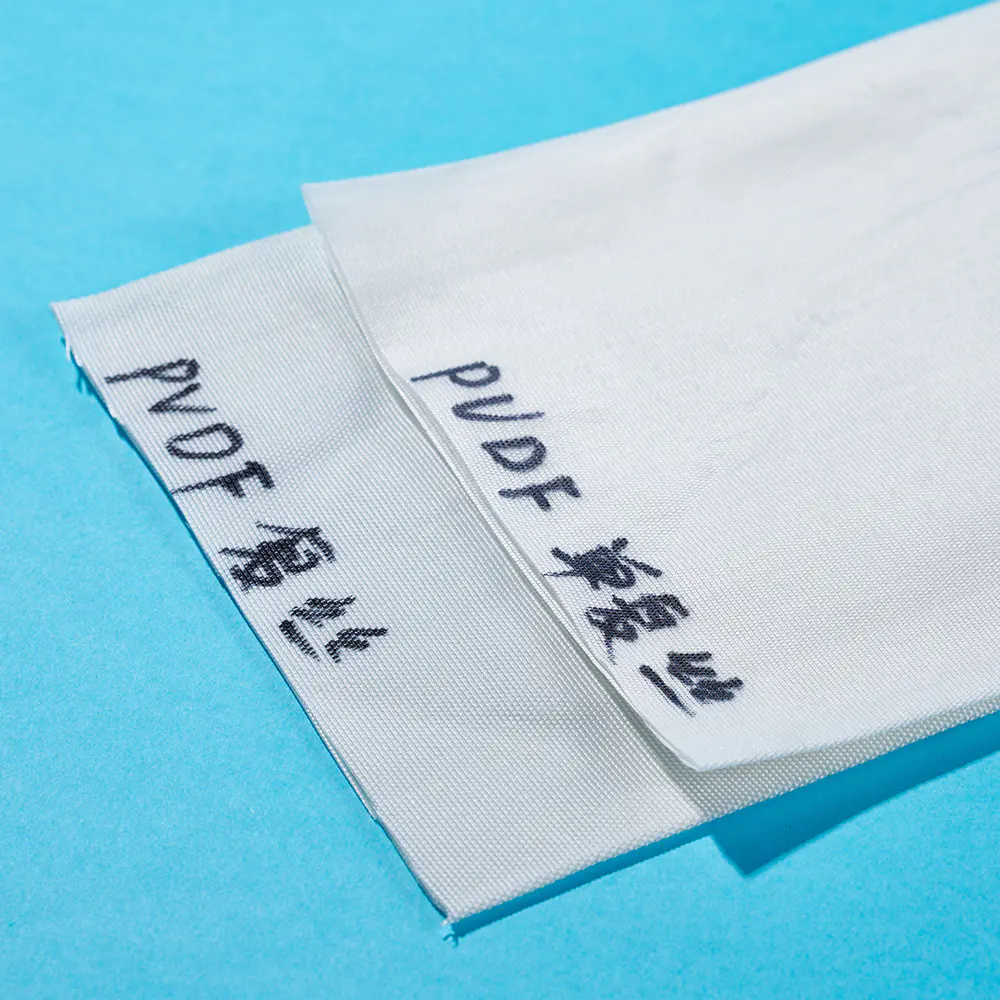
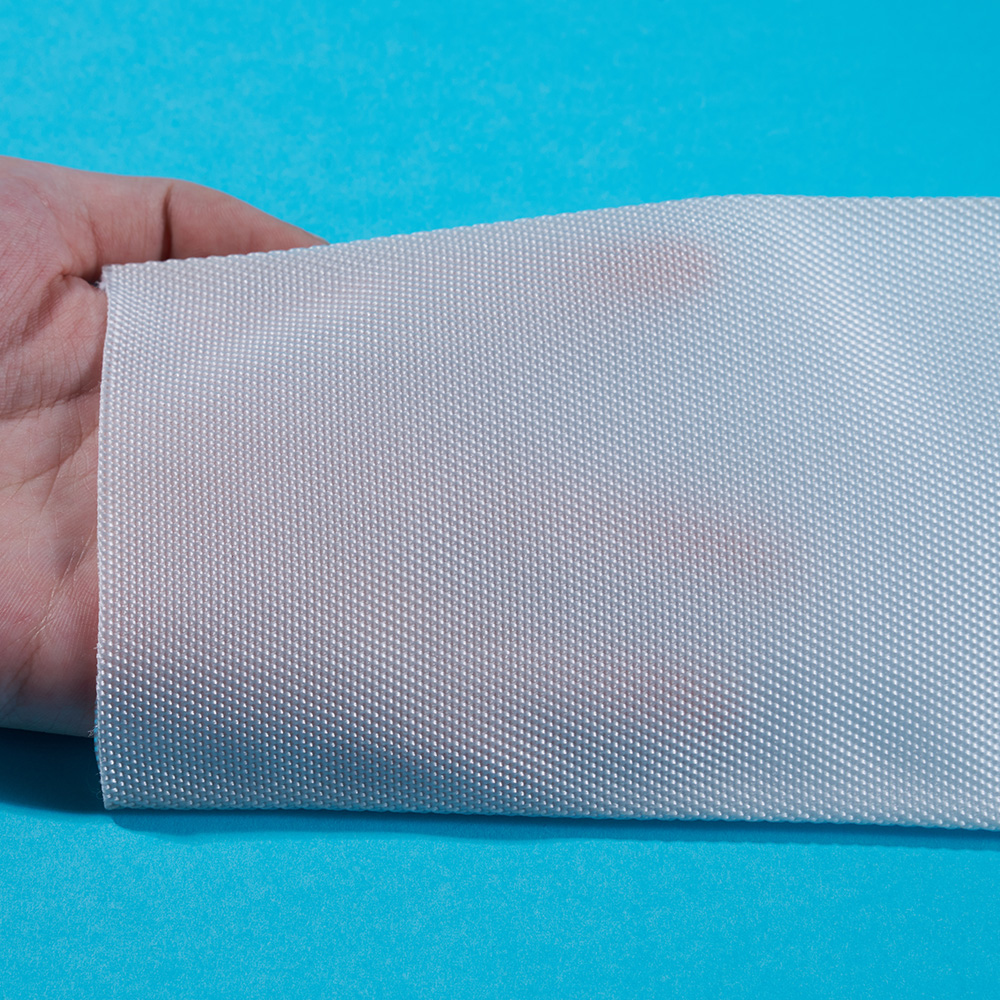
The monofilament filter screen has become a widely used media in applications requiring precise particle retention and easy cleaning. Unlike multifilament fabrics made from twisted yarns, a monofilament filter screen uses single continuous strands woven into a grid structure. This construction gives the monofilament filter screen a smooth surface that resists particle blinding and allows straightforward backwashing. Engineers in water treatment, food processing, and chemical manufacturing have specified the monofilament filter screen for applications where consistent pore size matters for product quality. The screen's ability to maintain its opening dimensions under operating pressure explains its continued use across multiple industries.
Material selection for a monofilament filter screen includes polyester, polypropylene, nylon, and stainless steel. A polyester monofilament filter screen offers good resistance to dilute acids and organic solvents while maintaining dimensional stability under tension. Polypropylene monofilament filter screen versions provide outstanding chemical resistance for aggressive alkaline or acidic process streams. Nylon monofilament filter screen handles higher temperatures than polyester but absorbs moisture in wet applications. Stainless steel monofilament filter screen suits high-temperature or bad chemical environments where polymer screens would fail.
Weaving patterns for a monofilament filter screen determine both filtration precision and flow capacity. A plain weave monofilament filter screen creates square openings with consistent dimensions across the fabric surface. Twill weave monofilament filter screen configurations offer slightly higher flow rates while maintaining reasonable particle retention. A Dutch weave monofilament filter screen uses different diameters for warp and weft threads, creating a dense filter surface with higher strength. The weave type selected for a monofilament filter screen influences both the initial pressure drop and the tendency for solids to pass through.
Pore size specifications for a monofilament filter screen range from coarse to very fine. A coarse monofilament filter screen with openings of 500 microns suits strainer applications where larger solids require removal from process streams. Medium-grade monofilament filter screen products with pores between 100 and 300 microns serve general filtration duties in water and chemical systems. Fine monofilament filter screen versions with openings below 50 microns capture small particles but require adequate pressure to maintain flow. Manufacturers of monofilament filter screen provide calibrated mesh counts corresponding to nominal opening sizes.
Applications for monofilament filter screen span solid-liquid separation, air filtration, and product sizing. A vibrating screen using monofilament filter screen separates dry granular materials by particle size in mining and food processing operations. Pressure leaf filters employ a monofilament filter screen as the support medium for diatomaceous earth or other filter aids. Centrifuge bags made from monofilament filter screen allow liquid passage while retaining solids in pharmaceutical and chemical production. Each application requires careful matching of monofilament filter screen specifications to process conditions and desired separation efficiency.
Cleaning methods for a monofilament filter screen take advantage of its non-blinding surface characteristics. Backwashing a monofilament filter screen with reverse flow dislodges trapped particles from the open mesh structure. Mechanical brushing of a monofilament filter screen removes surface deposits without damaging the individual strands.
The monofilament filter screen will likely see continued use in industries requiring reliable particle separation with easy cleaning. Advances in weaving technology may produce monofilament filter screen with more precise pore distributions. For engineers seeking a filtration media that combines consistent performance with straightforward maintenance, the monofilament filter screen remains a practical solution.