Q1: Why is multifilament construction widely used in industrial filter cloth?
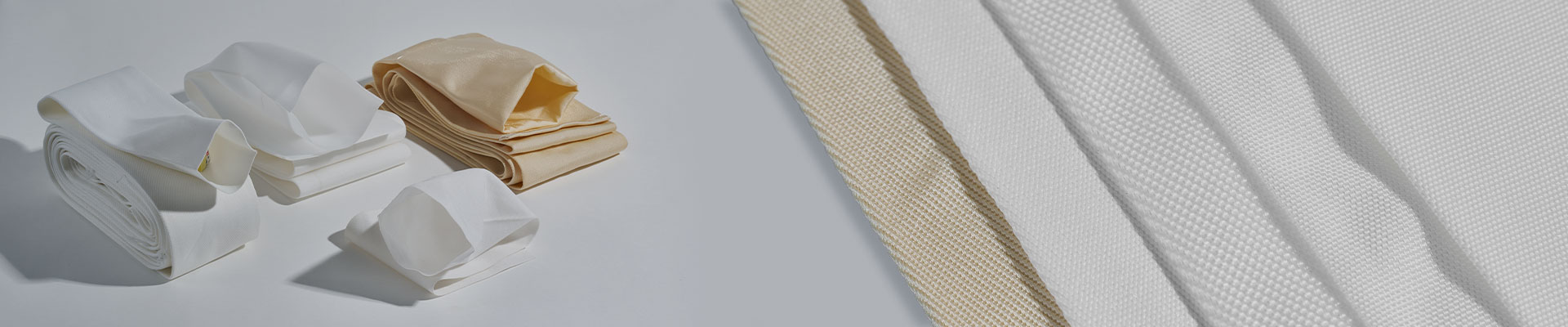
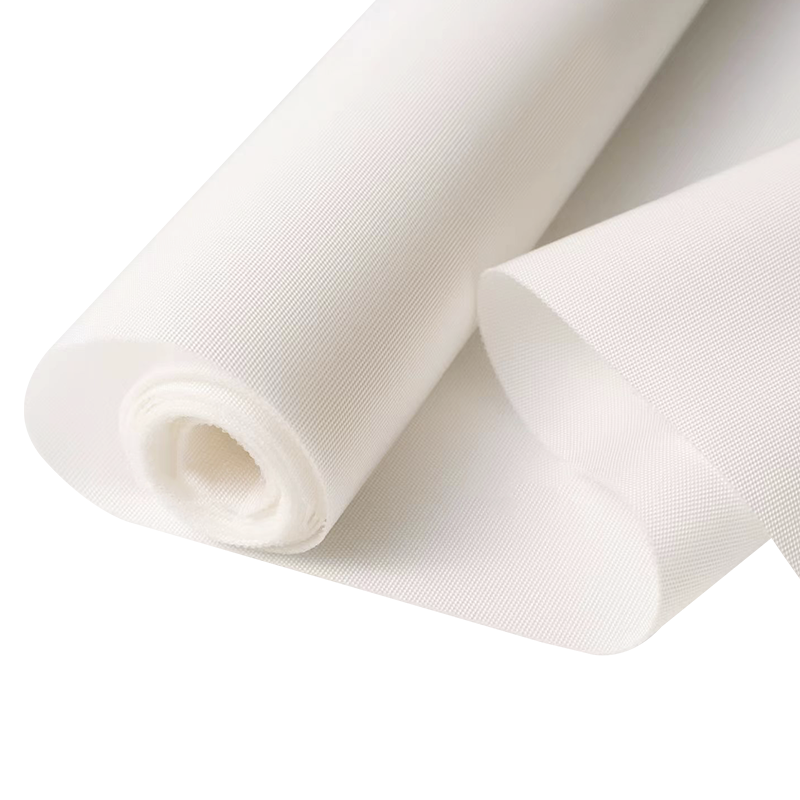
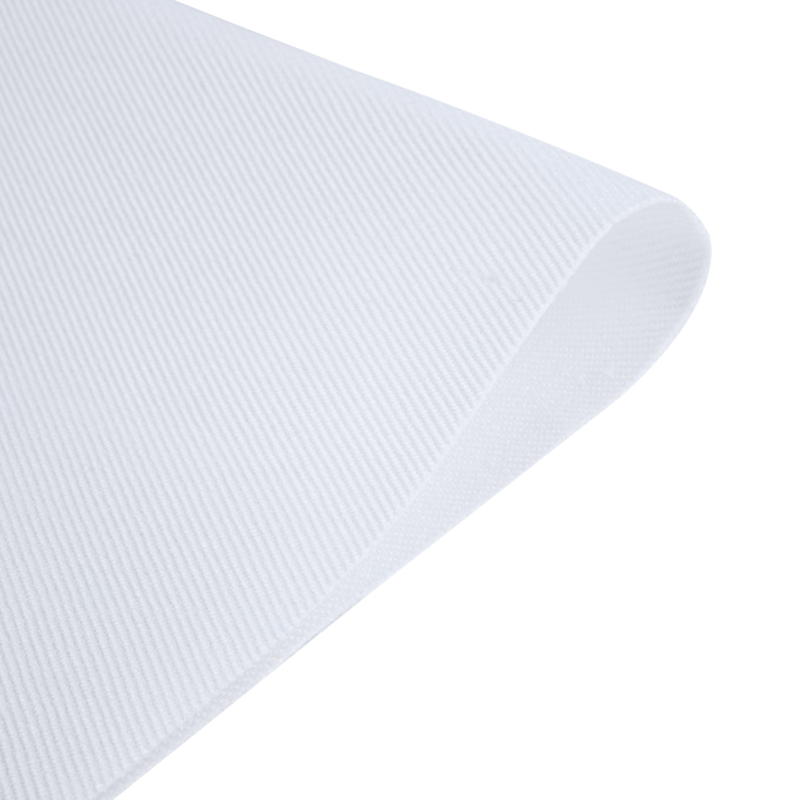
In the filter cloth industry, fabric structure strongly influences service stability. A Multifilament Filter Cloth is manufactured using yarns composed of multiple fine filaments twisted together. This construction provides balanced tensile strength and flexibility, which is important in systems exposed to repeated mechanical stress.
From a production perspective, multifilament yarns allow manufacturers to adjust fabric density without significantly increasing thickness. The resulting cloth maintains stable permeability while offering resistance to abrasion. During weaving, filament cohesion must be carefully controlled to ensure uniform pore distribution and consistent filtration behavior.
Because of its adaptable structure, multifilament-based fabric is often selected for filtration systems that operate continuously under variable flow conditions.
Q2: How does basket filter design influence cloth manufacturing requirements?
A Basket Filter Cloth is typically used in filtration housings designed to capture larger particles or protect downstream equipment. Unlike flat filter media, this type of cloth must conform to three-dimensional shapes while maintaining dimensional stability.
Manufacturers address this requirement by focusing on fabric drape and seam reinforcement. Yarn selection and weave pattern are adjusted so the cloth fits securely within the basket frame without sagging or distortion. In many cases, multifilament structures support this balance between flexibility and strength.
During fabrication, edge finishing and attachment methods are evaluated carefully. Improper finishing may reduce sealing efficiency, which can affect overall system performance.
Q3: What role does backwashing play in filter cloth performance?
In systems designed for repeated cleaning, a Backwash Filter Cloth must withstand reverse-flow pressure without structural damage. Backwashing removes trapped particles by forcing fluid through the cloth in the opposite direction of filtration.
To support this process, manufacturers emphasize yarn resilience and weave stability. Fabrics intended for backwash applications are often heat-set to improve dimensional recovery after pressure reversal. The cloth surface must also allow particles to detach easily during cleaning.
From an industry standpoint, backwash-compatible designs help extend service intervals and reduce maintenance frequency, provided the cloth structure is matched correctly to operating conditions.
Q4: Why is chemical resistance a critical consideration in filter cloth selection?
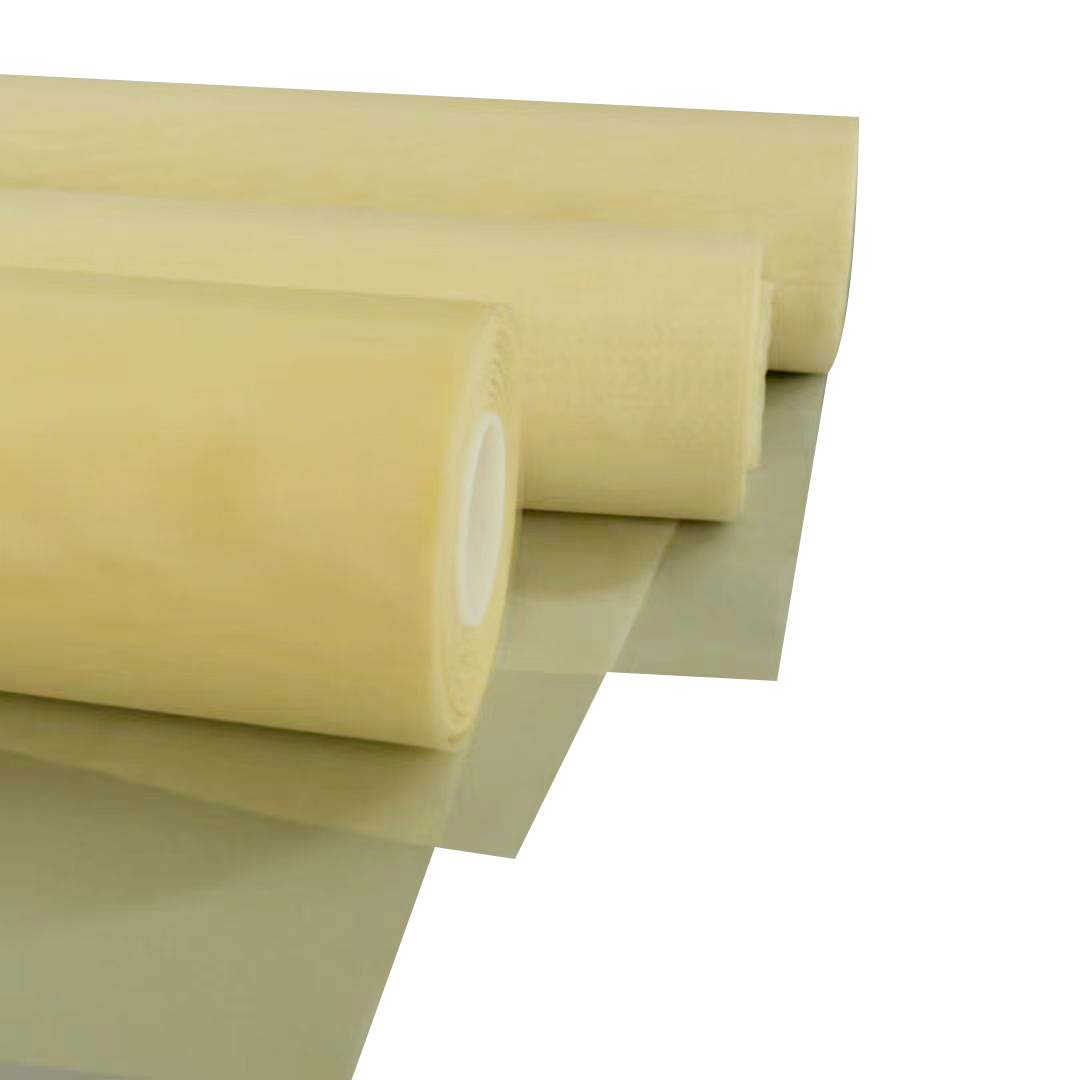
In chemical processing environments, exposure to aggressive substances can affect fabric integrity. A Chemical Resistant Filter Cloth is developed using fibers that maintain structural stability when exposed to acids, alkalis, or solvents.
Material selection is the primary focus during manufacturing. Synthetic fibers are commonly evaluated for their compatibility with specific chemical conditions. In addition, finishing treatments may be applied to reduce chemical absorption and surface degradation.
When combined with appropriate weaving techniques, chemical-resistant materials help ensure that filtration performance remains stable over extended exposure periods.
Q5: How do manufacturers align filter cloth types with system requirements?
Selecting the correct filter cloth involves evaluating operating conditions such as pressure, temperature, and cleaning method. Each cloth type addresses a specific functional need within the filtration system.
The table below summarizes general alignment considerations used in the filter cloth industry:
| System Requirement |
Fabric Focus |
Manufacturing Adjustment |
| Mechanical durability |
Multifilament structure |
Yarn cohesion control |
| Rigid housing fit |
Basket-style application |
Fabric drape tuning |
| Repeated cleaning |
Backwash compatibility |
Heat-setting process |
| Chemical exposure |
Resistant materials |
Fiber selection |
A Basket Filter Cloth supports structural fitting within housings, while a Backwash Filter Cloth is engineered for reverse-flow cleaning. In chemically aggressive environments, a Chemical Resistant Filter Cloth helps maintain service stability. Across these applications, a Multifilament Filter Cloth often provides the structural foundation required for adaptable designs.
Q6: What quality control measures support consistent filter cloth performance?
Quality control begins with raw yarn testing, including tensile behavior and chemical compatibility where applicable. During weaving, fabric density and pore distribution are monitored to ensure consistency across production batches.
Finished cloth undergoes inspection for dimensional accuracy and surface uniformity. For backwash applications, simulated cleaning cycles may be used to assess structural response. In chemical-resistant products, exposure tests help confirm material stability.
These structured checks allow manufacturers to deliver filter cloth solutions that align with industrial operating requirements.
Filter cloth manufacturing involves careful coordination between material selection, fabric structure, and system compatibility. Whether producing a Multifilament Filter Cloth for adaptable performance, developing a Basket Filter Cloth for structured housings, designing a Backwash Filter Cloth for repeat cleaning, or supplying a Chemical Resistant Filter Cloth for demanding environments, industry practices focus on reliability through controlled processes. By matching fabric characteristics to application needs, filter cloth solutions continue to support diverse industrial filtration systems with stable performance.


 عربى
عربى