عربى
عربى
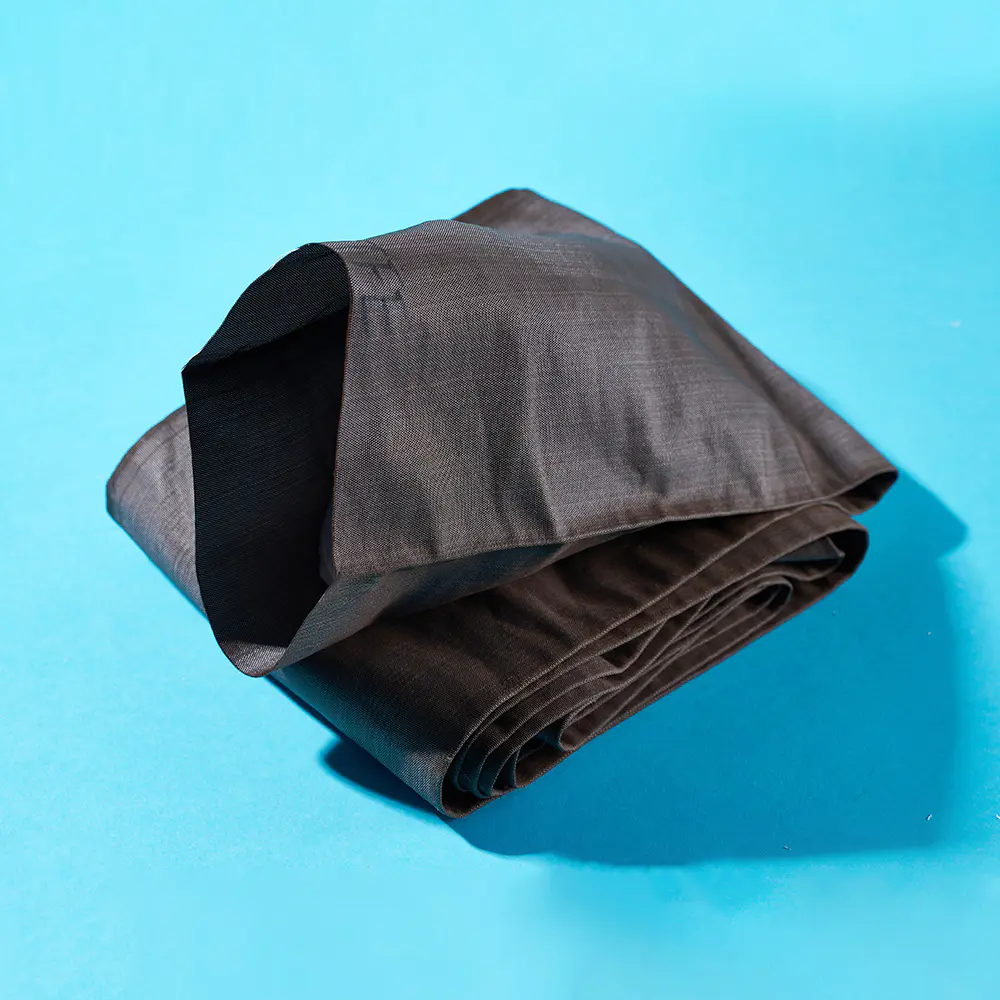
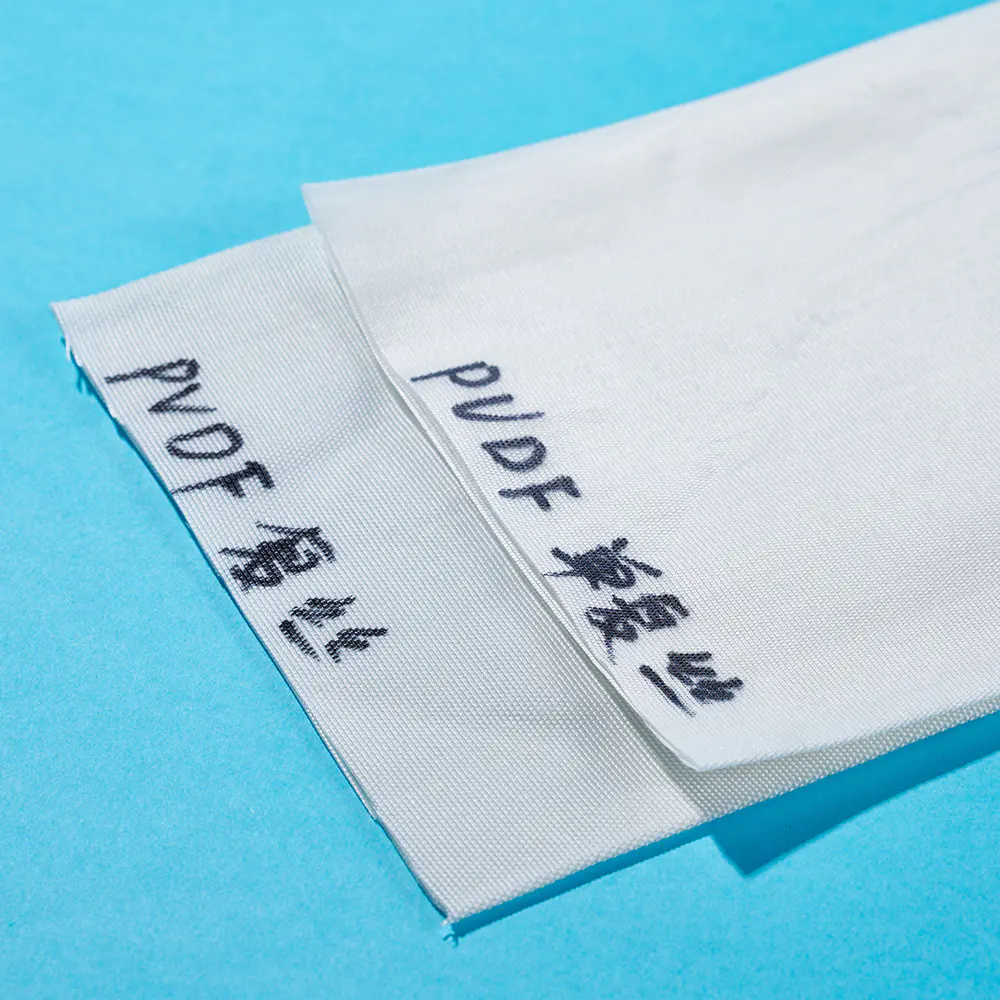
Polyester (PET) mesh filter screens have become one of the widely used filtration materials across a range of industrial and commercial applications. Made from woven polyethylene terephthalate (PET) fibers, these screens offer a consistent open-area structure, chemical resistance, and dimensional stability that make them suitable for liquid filtration, air filtration, printing processes, and separation tasks in manufacturing environments.
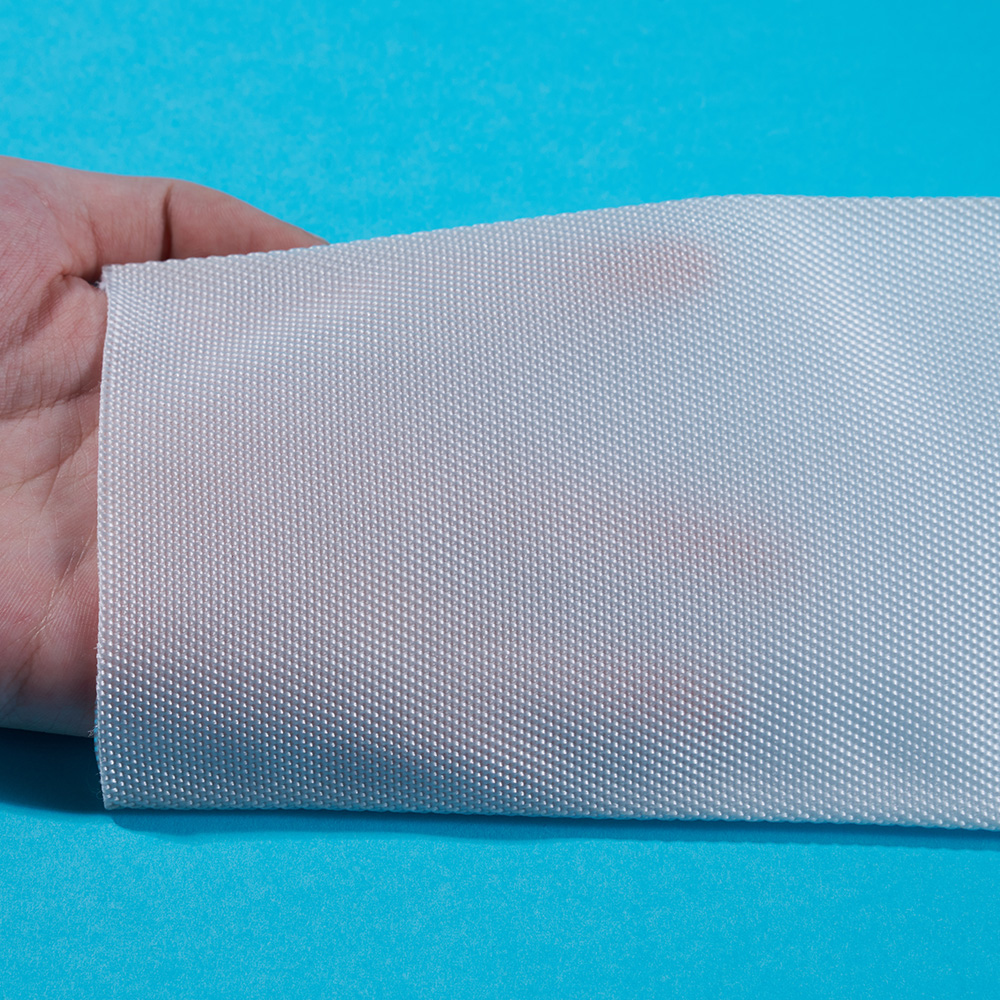
The material itself — polyethylene terephthalate — is a thermoplastic polymer from the polyester family. When processed into fine monofilament yarns and woven into mesh form, PET produces a filter screen with uniform apertures, predictable flow rates, and reliable mechanical strength. The woven structure can be engineered to different mesh counts, which directly determines the size of particles or substances that can pass through or be retained by the screen.
One of the notable characteristics of polyester mesh filter screens is their resistance to a broad range of chemicals. PET maintains its structural integrity when exposed to dilute acids, alcohols, and many common industrial solvents. This makes the material a practical choice in settings where chemical contact is unavoidable, such as food processing lines, chemical blending operations, and pharmaceutical production facilities.
Polyester (PET) mesh filter screens are produced in a variety of configurations. Mesh count — typically expressed as the number of openings per linear inch or per centimeter — ranges from coarse screens designed to intercept larger particles to fine-mesh versions capable of filtering very small contaminants. Thread diameter, weave pattern (plain weave, twill weave, or Dutch weave), and open area percentage are all parameters that manufacturers adjust to meet specific application requirements.
The physical properties of PET mesh also include low moisture absorption compared to natural fiber alternatives. This characteristic helps maintain consistent filtration performance even in humid or wet processing environments. The material does not swell significantly when wet, which preserves the aperture size over the screen's service life and contributes to stable filtration results.
In the printing industry, particularly in screen printing, polyester mesh serves as the carrier for ink transfer onto substrates. The mesh count and thread diameter determine ink deposit thickness and detail resolution. Screen printing operations commonly use PET mesh because of its dimensional stability under repeated tension cycles. Unlike some natural fabrics, polyester mesh resists elongation and retains the tension applied during screen preparation.
Industrial filtration applications for polyester (PET) mesh filter screens extend to water treatment, paper manufacturing, food and beverage processing, and electronics cleaning. Each sector has specific requirements for particle retention, flow rate, and chemical compatibility. In water treatment, for instance, filter screens may need to handle continuous flow of large volumes while resisting biofouling and chemical treatment agents. In electronics manufacturing, fine-mesh PET screens are used in cleaning and rinsing stages where particulate control is critical to product quality.
The manufacturing process for PET mesh screens typically involves monofilament extrusion followed by precision weaving on shuttle or rapier looms. Consistent yarn diameter and weave tension during production are essential to achieve the uniform aperture sizes that filtration performance depends on. After weaving, the fabric may undergo heat-setting to stabilize the structure and lock the weave geometry in place.
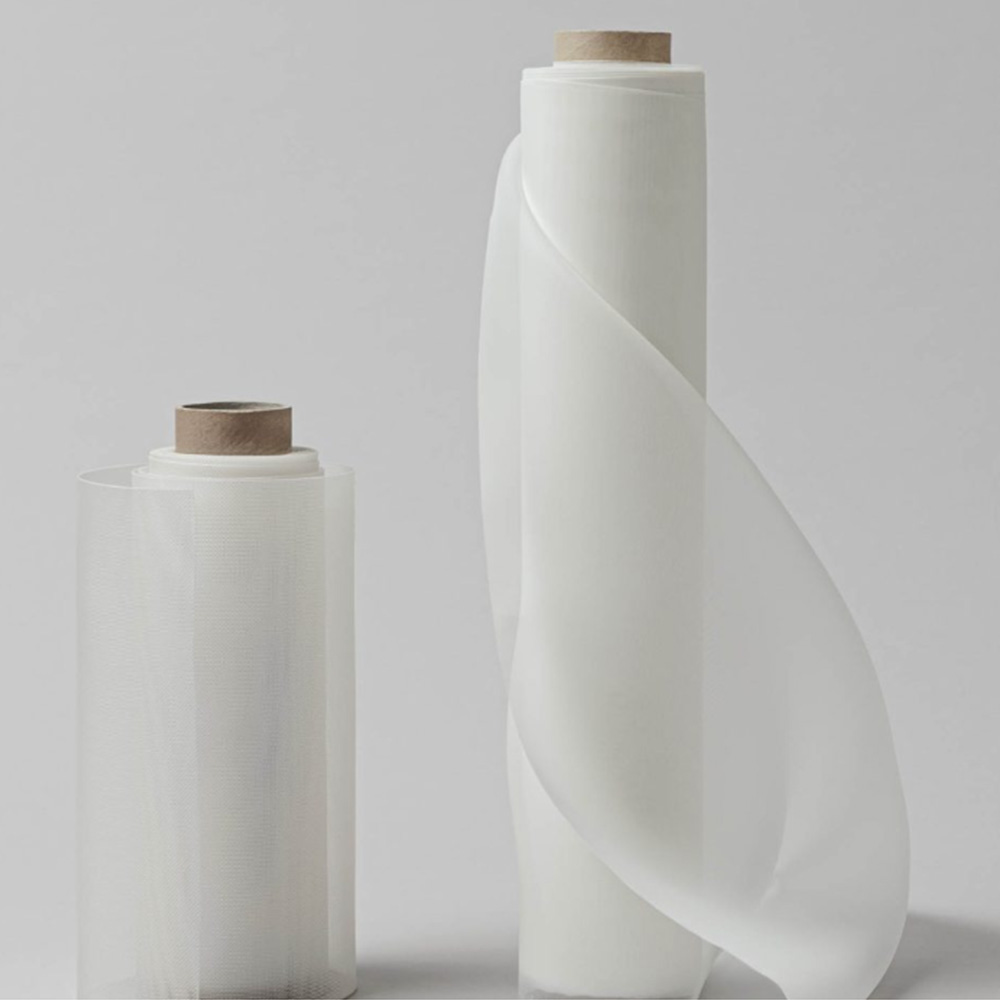
Polyester (PET) mesh filter screens are available in rolls, cut-to-size panels, or formed into filter bags and cartridges depending on the end-use requirement. Standard mesh widths and custom fabrications are both common in the market, with suppliers able to accommodate a wide range of dimensional and performance specifications for industrial buyers and OEM manufacturers.