عربى
عربى
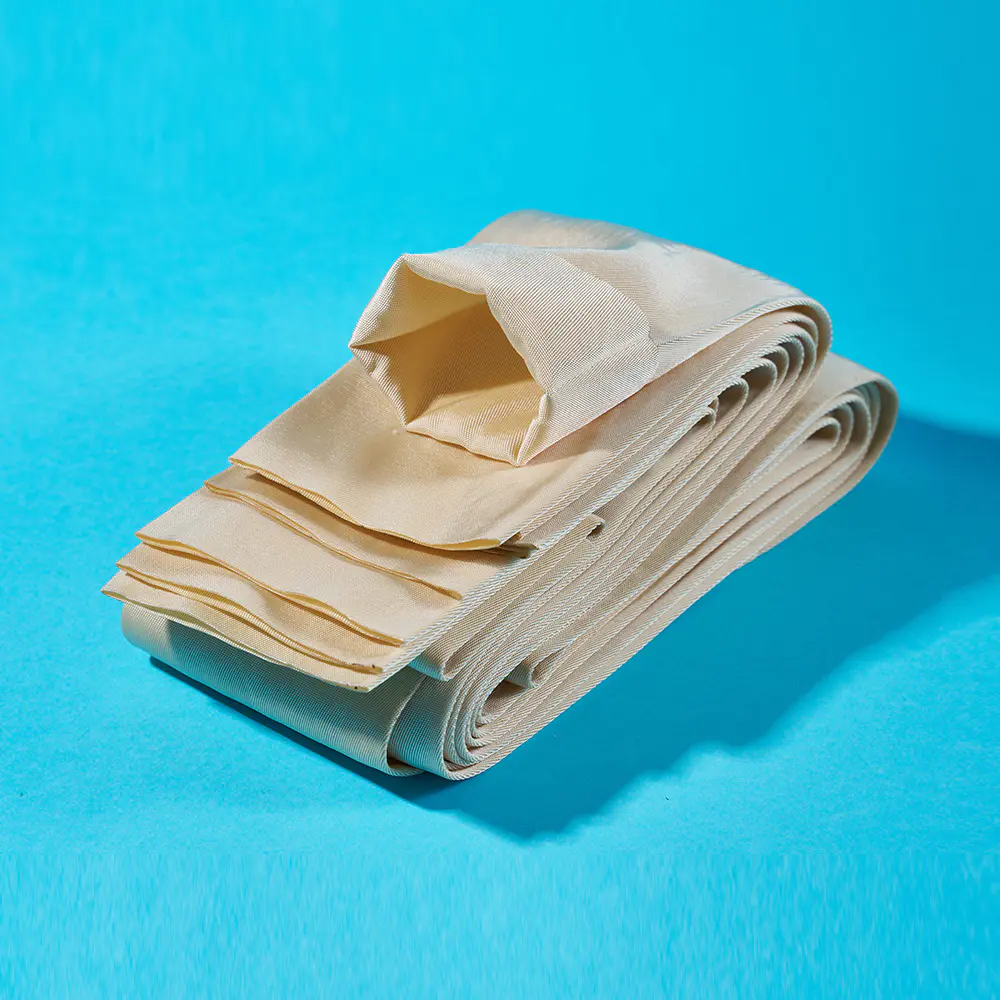
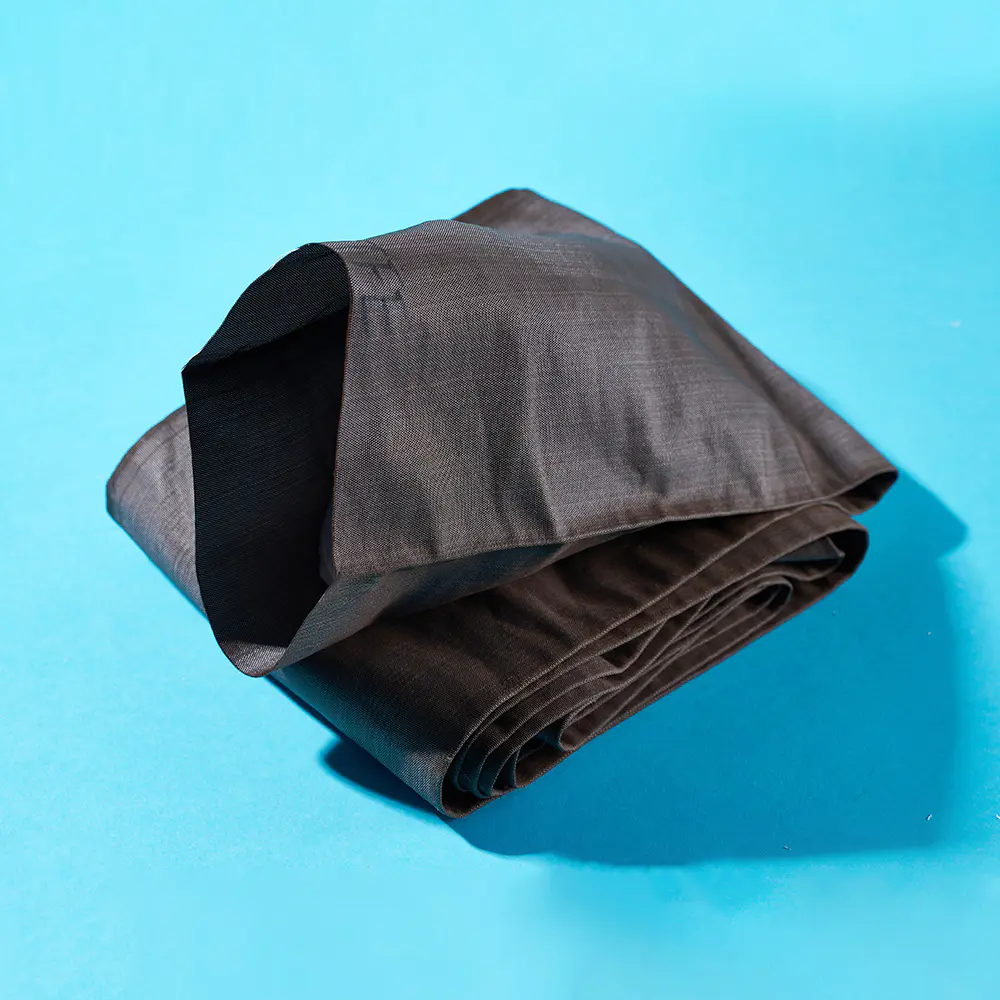
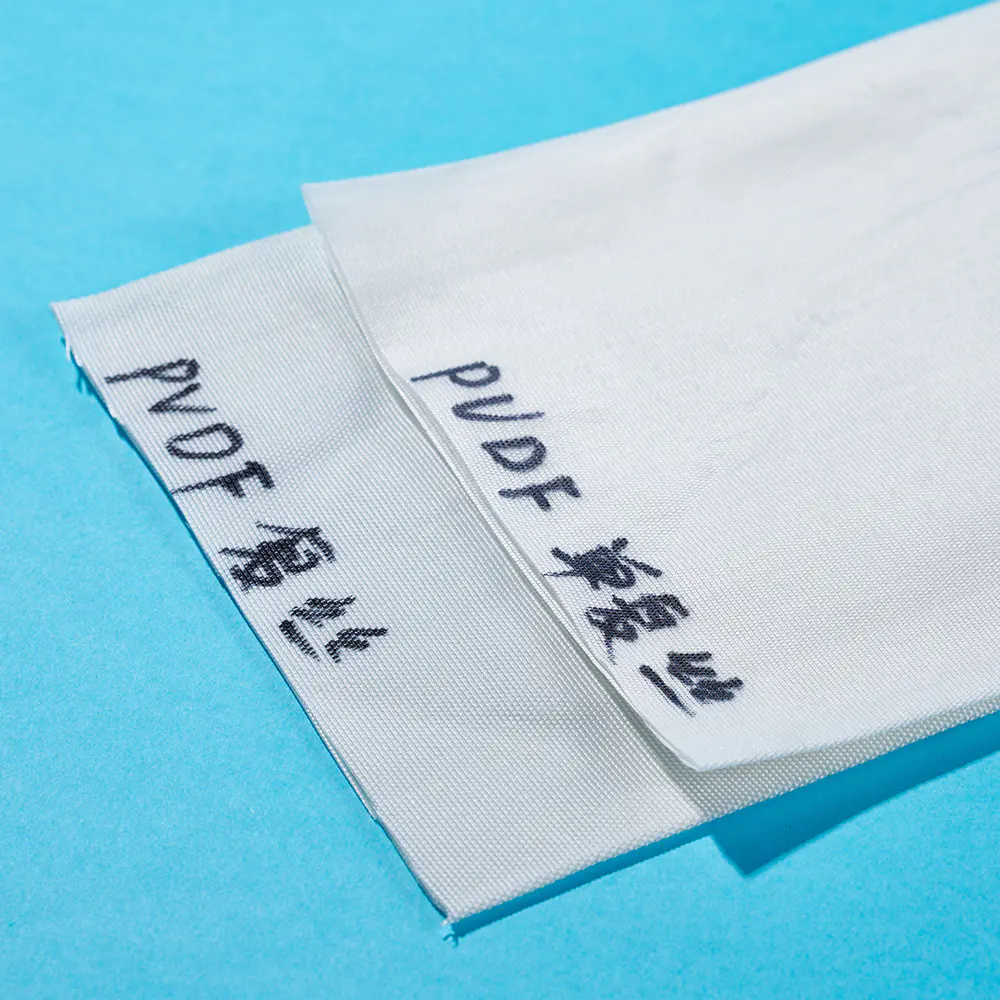
Multifilament filter fabric serves as a material in various filtration setups within manufacturing environments. Produced from multiple fine filaments twisted together, this fabric type supports the creation of filter media that handle particle separation in process flows. Manufacturers focus on consistent production to meet industrial requirements for durability and flow characteristics.
Production Processes for Multifilament Filter Fabric
Manufacturing of multifilament filter fabric begins with the extrusion of polymer filaments from raw resin materials. These filaments undergo twisting and plying to form multifilament yarns with controlled thickness and strength. Weaving mills then set up looms to interlace the yarns into fabric structures using plain, twill, or satin patterns.
Calendering and heat-setting steps follow weaving to stabilize the fabric dimensions and enhance surface smoothness. Finishing lines apply treatments that adjust permeability and mechanical properties. Automated quality control systems monitor thread count, weight, and uniformity throughout the production sequence to support batch consistency.
Technical Features in Fabric Construction
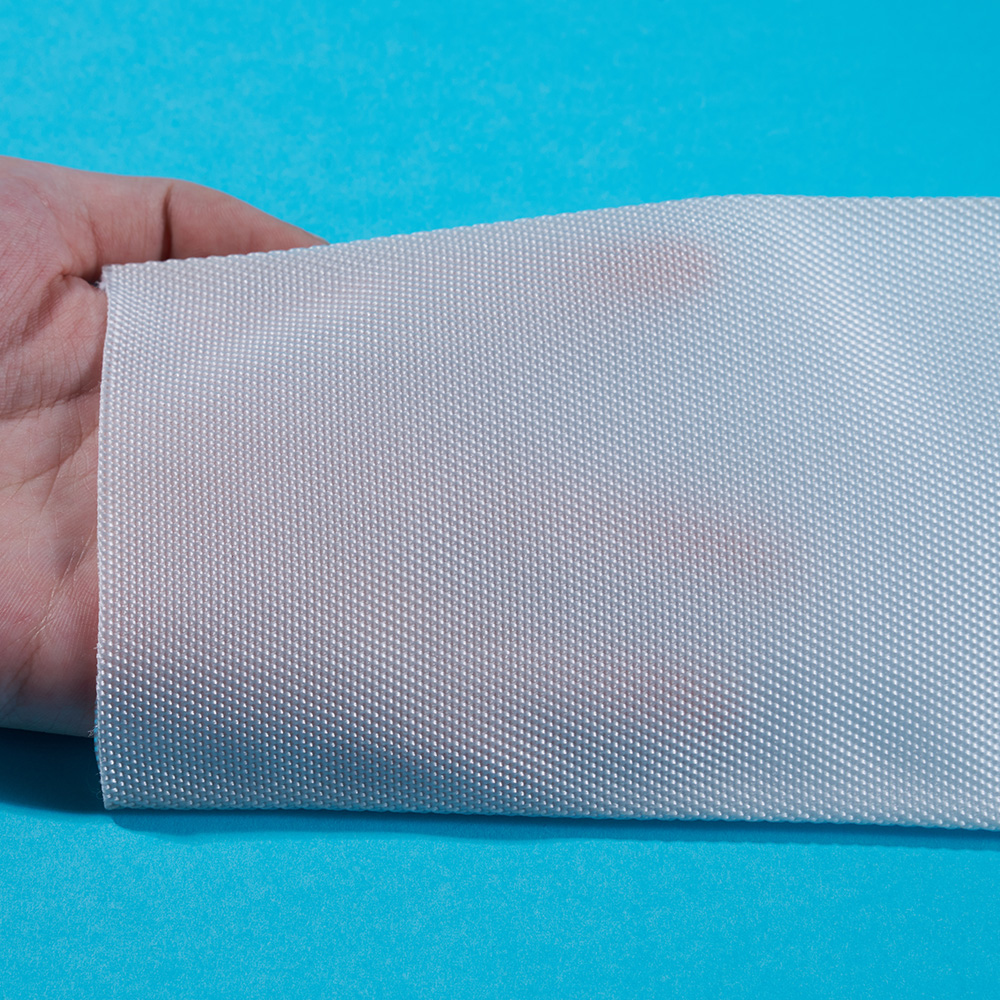
Multifilament filter fabric incorporates dense yarn arrangements that create uniform pore structures across the material. The twisted filament construction provides higher tensile strength compared to monofilament alternatives while maintaining flexibility. Fabric designs often feature smooth surfaces that reduce particle adhesion during operation.
Advanced loom technologies allow precise control over weave density and yarn tension, resulting in fabrics with tailored air or liquid permeability. Multi-layer configurations combine different filament counts to balance filtration efficiency and flow rates. These technical elements contribute to reliable performance in continuous industrial processing lines.
Material Selection and Manufacturing Techniques
Producers select synthetic fibers such as polyester, polypropylene, or nylon for multifilament filter fabric based on chemical compatibility and temperature resistance needs. The multifilament structure offers greater surface area per yarn, which influences particle capture characteristics. Spinning parameters determine filament diameter and twist levels to achieve desired fabric properties.
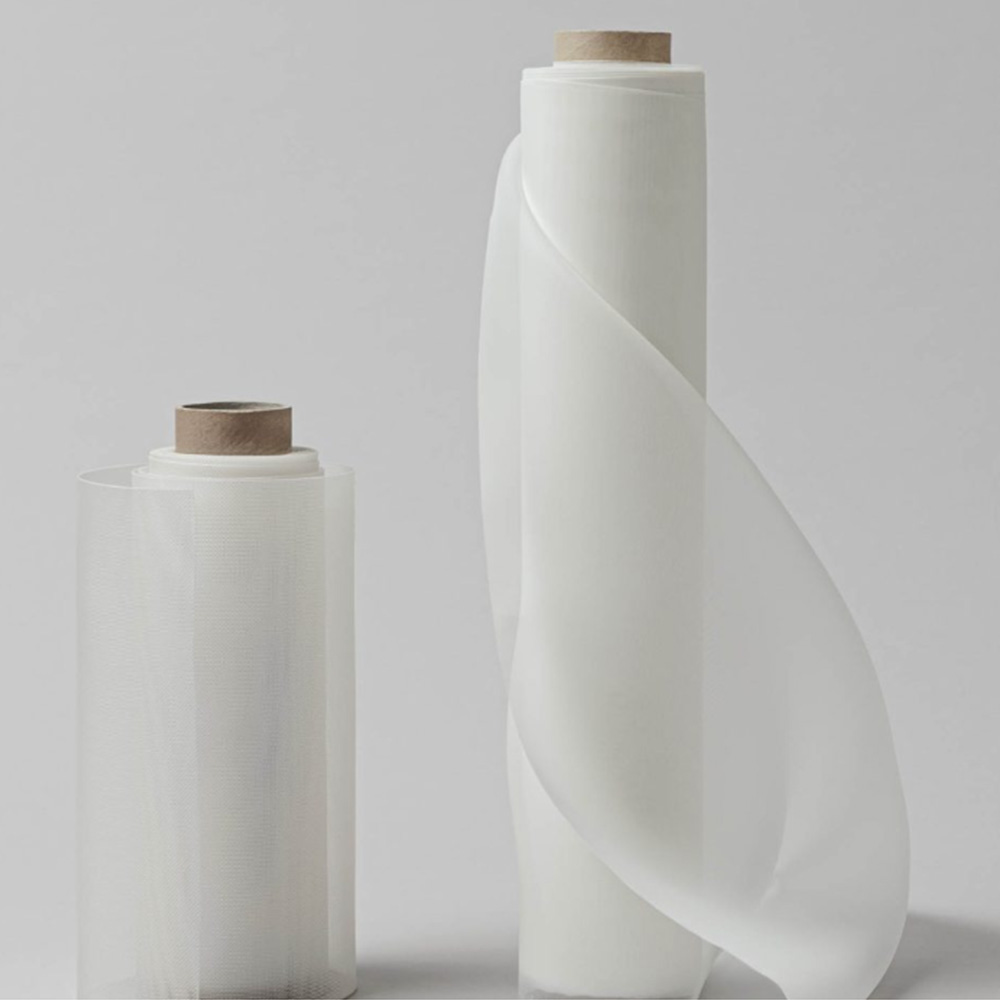
Weaving techniques emphasize high-speed shuttleless looms equipped with electronic monitoring for defect detection. Coating or impregnation processes add functional layers without compromising base permeability. These manufacturing methods enable production of fabrics in wide rolls suitable for large-scale conversion into filter elements.
Advantages in Production and Operational Efficiency
Multifilament filter fabric provides manufacturing advantages through its structural integrity during high-volume production. The fabric withstands tension in cutting and sewing operations with reduced risk of yarn separation. Consistent pore distribution supports predictable flow behavior in assembled filter units.
Technical advantages include good cake release properties due to the smooth multifilament surfaces, which facilitate cleaning cycles in process equipment. The material’s dimensional stability under varying pressures helps maintain seal integrity in filter housings. These characteristics allow integration into automated assembly lines with minimal adjustments.
Usage Aspects in Filtration Manufacturing
In usage, multifilament filter fabric forms the core media in bag filters, belt filters, and cartridge wraps across production facilities. The fabric handles repeated flexing and pressure differentials while supporting particle retention in liquid and gas streams. Manufacturers cut and fabricate the material into standard sizes or custom configurations for equipment compatibility.
Production teams value the fabric for its balance of strength and permeability, which supports extended service intervals in operational settings. Sewing and welding techniques join sections effectively, creating seams that match the base material performance. Roll stock from weaving factories supplies converter operations that transform the fabric into finished filtration products for industrial use.
Multifilament filter fabric continues to support manufacturing through its focus on production methods, technical construction, and operational characteristics. The combination of filament technology and weaving processes yields materials that integrate into filtration system assembly with consistent results. Industry producers emphasize these manufacturing and usage aspects to deliver fabrics suited for a range of industrial filtration requirements.