عربى
عربى
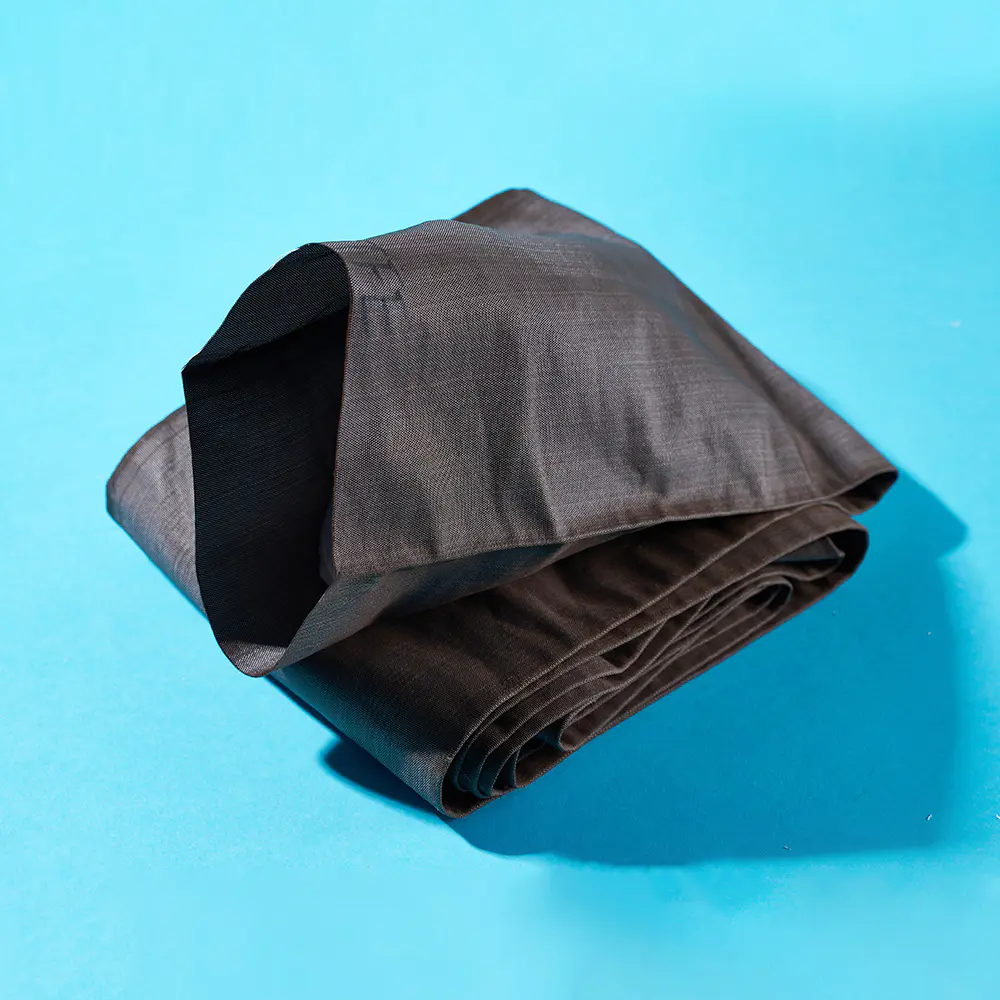
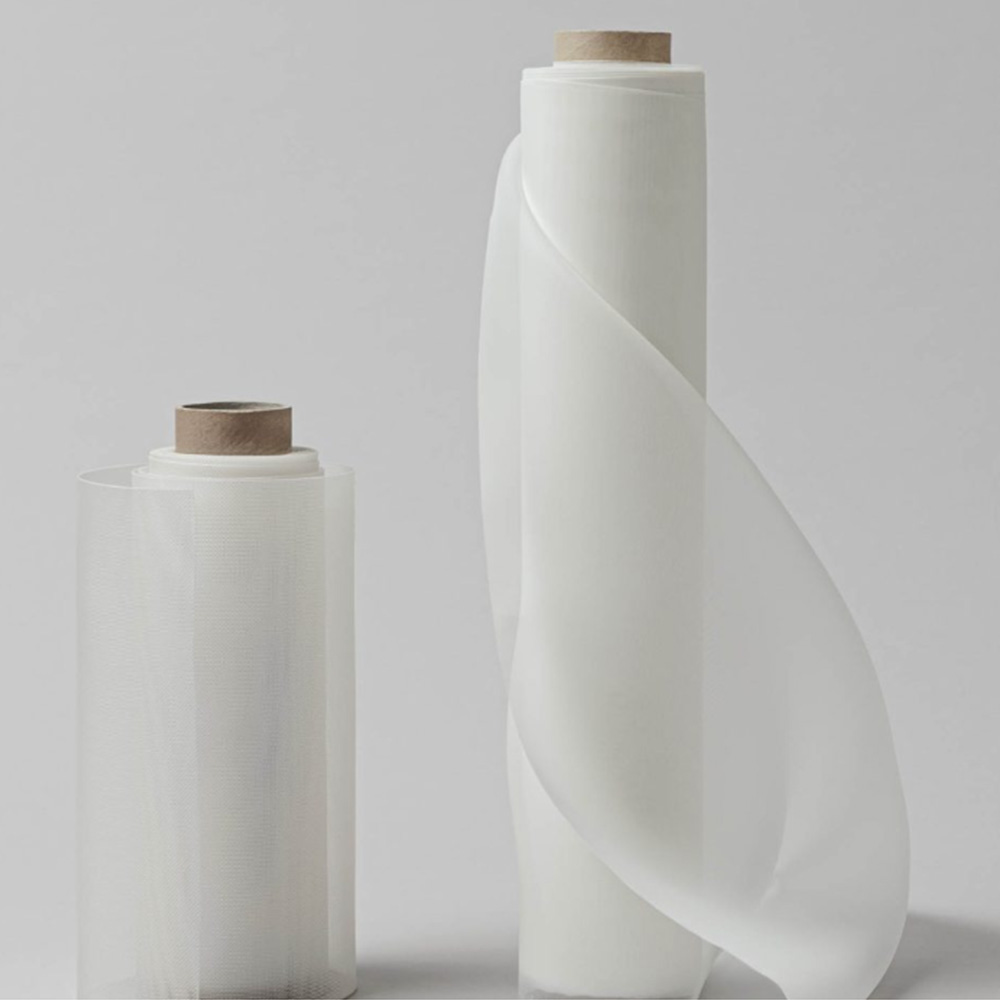
Backwash filter cloth serves as a key component in many industrial filtration systems. These cloths help manage the cleaning cycle in filters by allowing reverse flow to remove accumulated particles. Operators in various sectors rely on them to maintain consistent performance during ongoing operations. The cloth material captures solids while permitting liquid passage, and the backwash step dislodges debris to restore flow capacity.
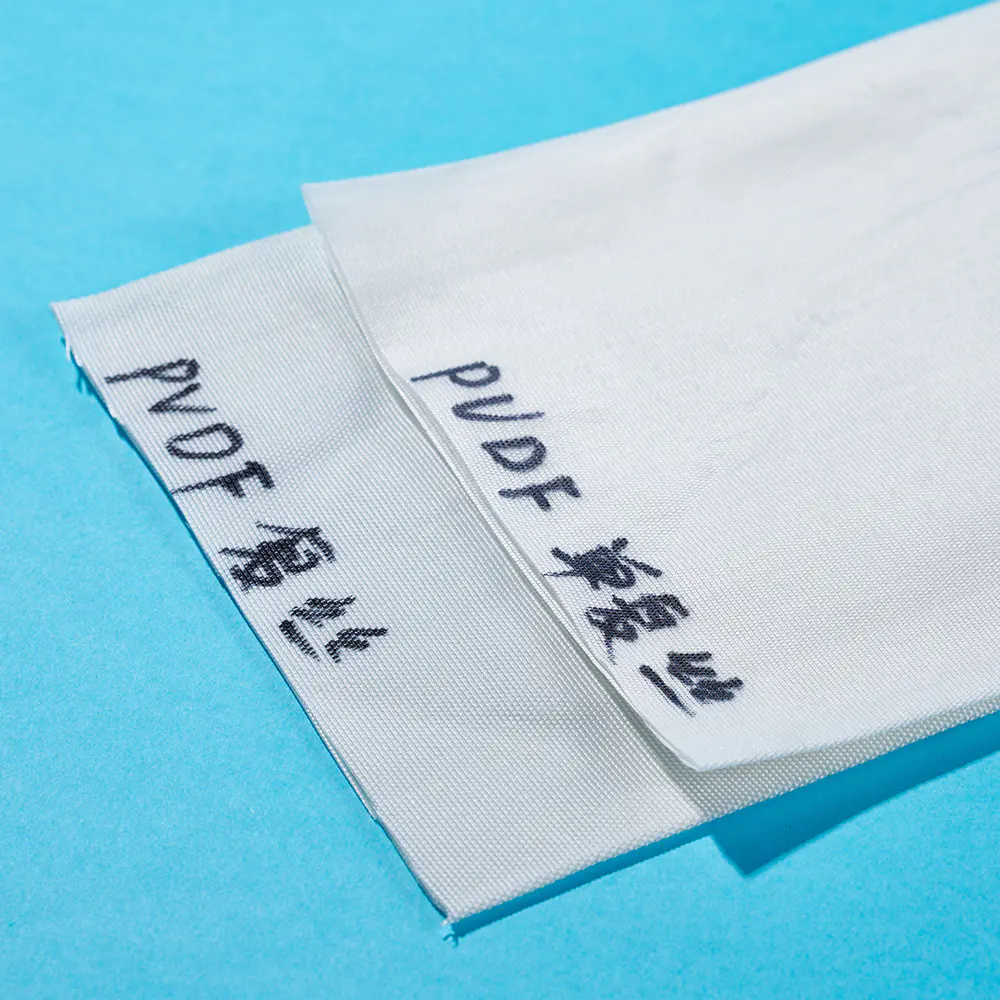
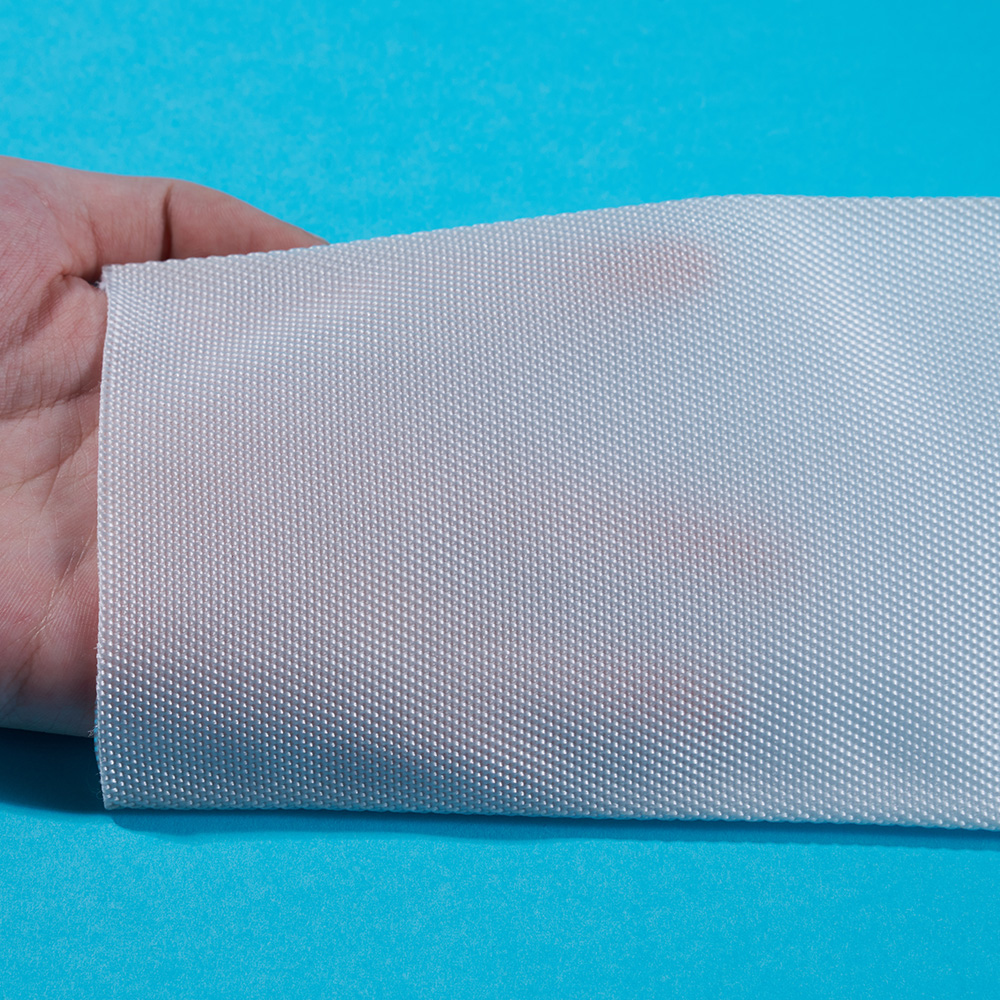
In practice, backwash filter cloth comes in different weaves and materials suited to specific process conditions. Manufacturers select fabrics based on factors such as particle size, flow rates, and operating temperatures. Common constructions include monofilament and multifilament options, each providing distinct drainage and retention characteristics. This flexibility supports use across a range of equipment types, from pressure filters to gravity systems.
Industries that handle large volumes of liquids often incorporate backwash filter cloth into their setups. For example, municipal water facilities use these cloths to process incoming supplies. Chemical plants apply them during product separation stages. Food processing operations employ similar filtration media to clarify liquids and protect downstream equipment. In each case, the cloth contributes to steady throughput without interrupting production lines for extended periods.
The backwashing process itself involves directing clean fluid in the opposite direction through the filter media. This action lifts and removes trapped solids, which then exit through discharge ports. Proper cloth selection helps ensure even distribution of flow and reduces the chance of channeling or uneven wear. Over time, consistent backwashing extends the service intervals between full media replacements.
Engineers pay attention to cloth permeability when designing filtration stages. Higher permeability options allow faster flow under lower pressure differentials, while tighter weaves deliver finer particle retention. Many facilities run trials to match cloth specifications with their particular slurry or suspension properties. This approach supports reliable operation across shifts and varying load conditions.
Backwash filter cloth also appears in mining and mineral processing activities. There, it handles abrasive slurries and helps separate valuable concentrates from waste streams. Textile producers continue to refine fabric treatments that improve resistance to mechanical stress and chemical exposure. These developments stem from ongoing collaboration between equipment makers and material suppliers.
Installation of backwash filter cloth typically follows standard procedures for the filter vessel in question. Operators secure the media within the support structure to prevent bypass or migration during cycles. Regular inspection of cloth condition provides feedback on process stability and highlights any adjustments needed for upstream changes.
The role of backwash filter cloth extends to pharmaceutical and biotechnology areas as well. There, controlled filtration helps meet purity requirements for intermediate and final products. The cloth acts as a physical barrier while allowing the backwash cycle to maintain sanitary conditions between batches.
Across these applications, the cloth contributes to overall system balance by managing differential pressures within acceptable ranges. Facilities monitor pressure trends to schedule backwash intervals that align with production demands. This practice helps avoid sudden drops in flow or unplanned downtime.
Material advancements in recent years have introduced variants with enhanced dimensional stability. These options maintain their structure after repeated backwash cycles, supporting predictable performance. Weave patterns and yarn selections play a part in balancing strength with openness for effective cake release.
Overall, backwash filter cloth remains a practical element in modern filtration strategies. Its integration into automated systems allows for timed or differential-pressure-triggered cleaning cycles. This supports continuous operation in facilities where reliability matters for daily output. As process requirements evolve, the cloth continues to adapt through refinements in construction and application methods.