عربى
عربى
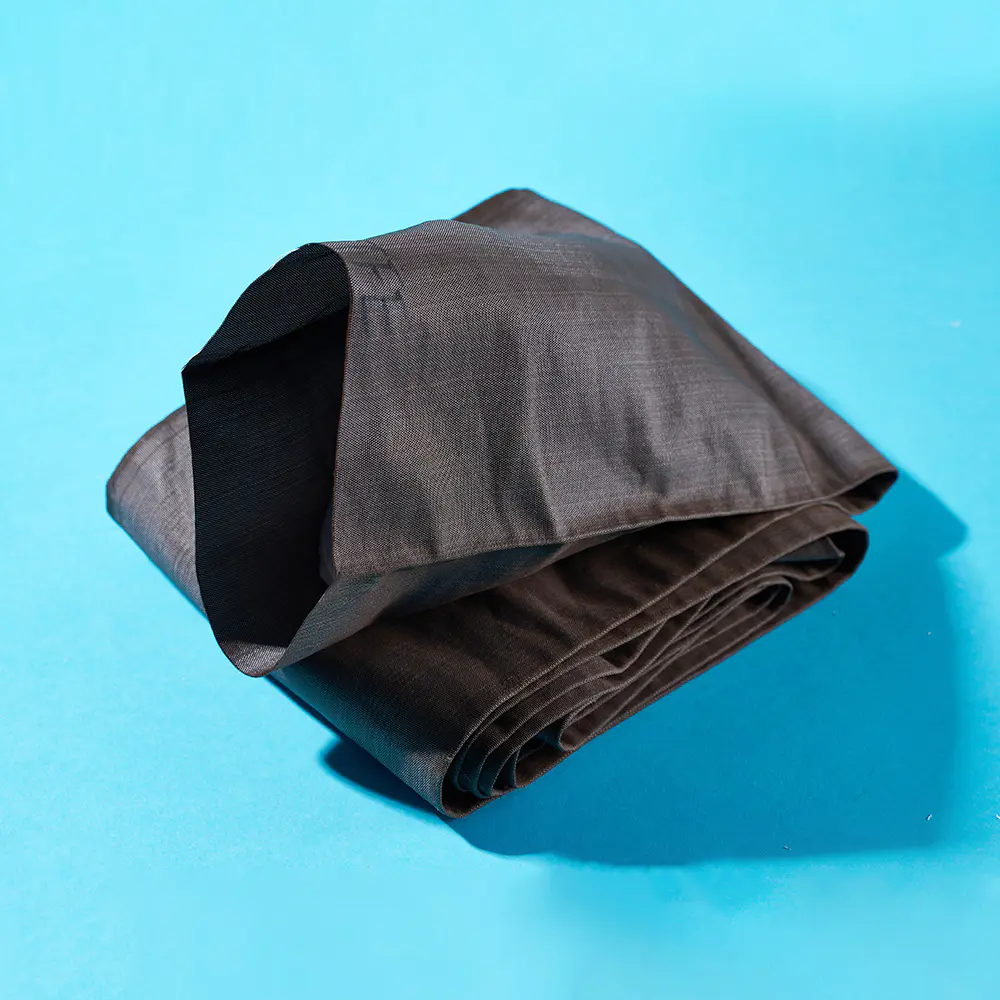
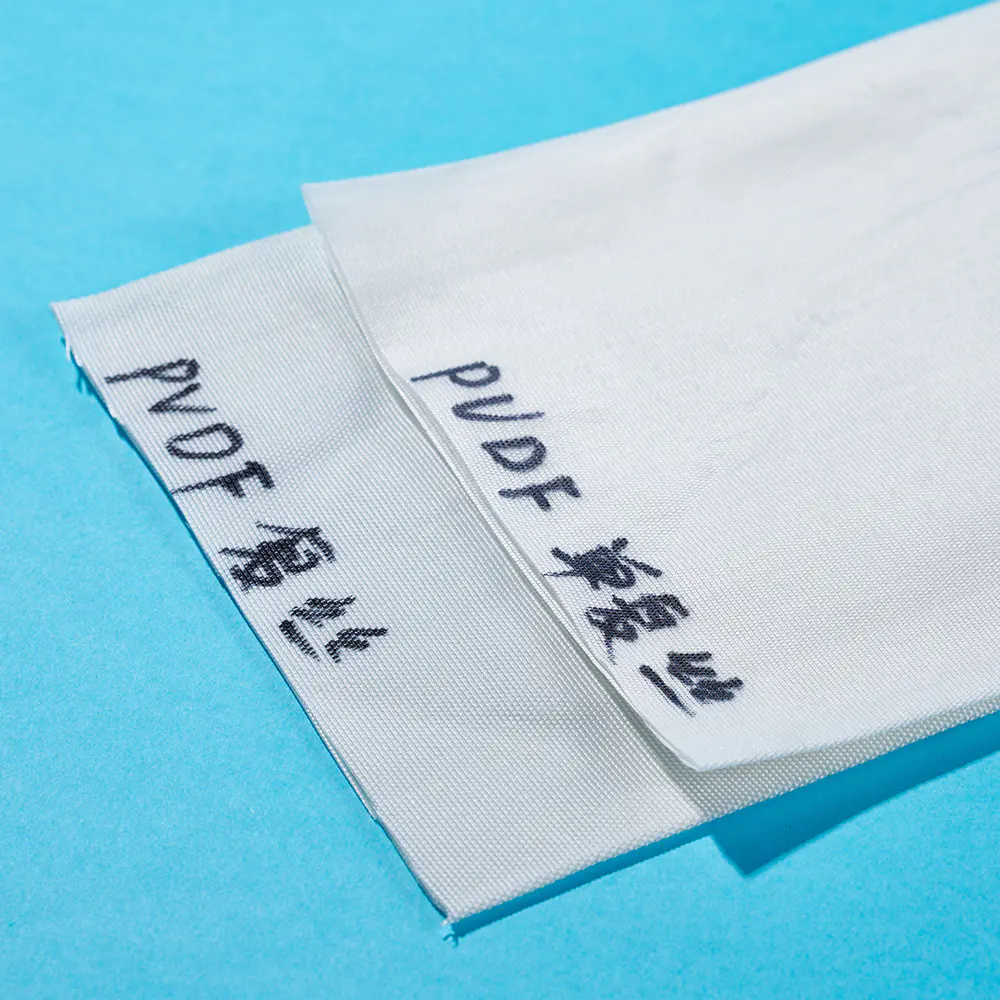
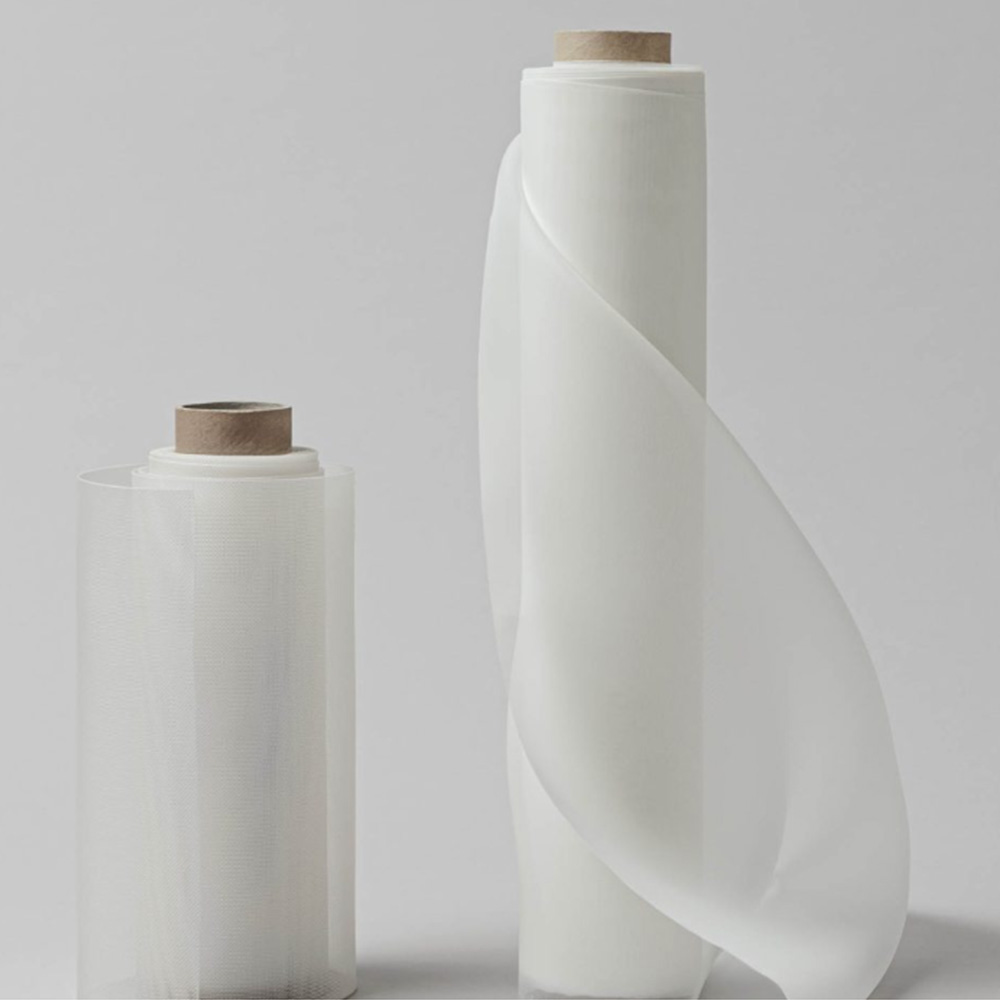
Polyvinylidene fluoride (PFA) woven filter mesh is gaining steady attention across industries that require reliable filtration under demanding chemical and thermal conditions. PFA, or perfluoroalkoxy alkane, belongs to the fluoropolymer family and shares many of the chemical-resistance properties associated with PTFE, while offering additional processing advantages that make it well-suited for woven mesh fabrication. As industrial processes grow more complex and the need for precise filtration increases, PFA woven mesh has established itself as a practical material choice in sectors ranging from semiconductor manufacturing to chemical processing.
PFA is a fully fluorinated polymer, meaning its molecular structure consists of carbon-fluorine bonds that are among the strongest in organic chemistry. This molecular composition gives PFA woven filter mesh a range of functional properties that distinguish it from mesh materials made of polyester, nylon, or polypropylene. The key material characteristics include:
- Chemical resistance: PFA is resistant to nearly all industrial acids, bases, and organic solvents, including concentrated sulfuric acid, hydrofluoric acid, and strong oxidizing agents. This makes the mesh suitable for filtration tasks where other polymer meshes would degrade or contaminate the process fluid.
- Thermal stability: PFA maintains its structural integrity across a broad temperature range, generally from below -200°C up to approximately 260°C, allowing it to function in both cryogenic and elevated-temperature processing environments.
- Low extractables: Because PFA is chemically inert, it releases very few substances into filtered fluids. This property is particularly valued in semiconductor fabrication and pharmaceutical processing, where even trace contamination can compromise product quality.
- Non-stick surface: The low surface energy of PFA reduces particle adhesion to the mesh surface, which helps maintain consistent flow rates and reduces the frequency of cleaning cycles in continuous filtration operations.
- Dimensional stability: PFA woven mesh retains its aperture geometry under mechanical stress and thermal cycling, contributing to consistent particle retention performance over extended use.
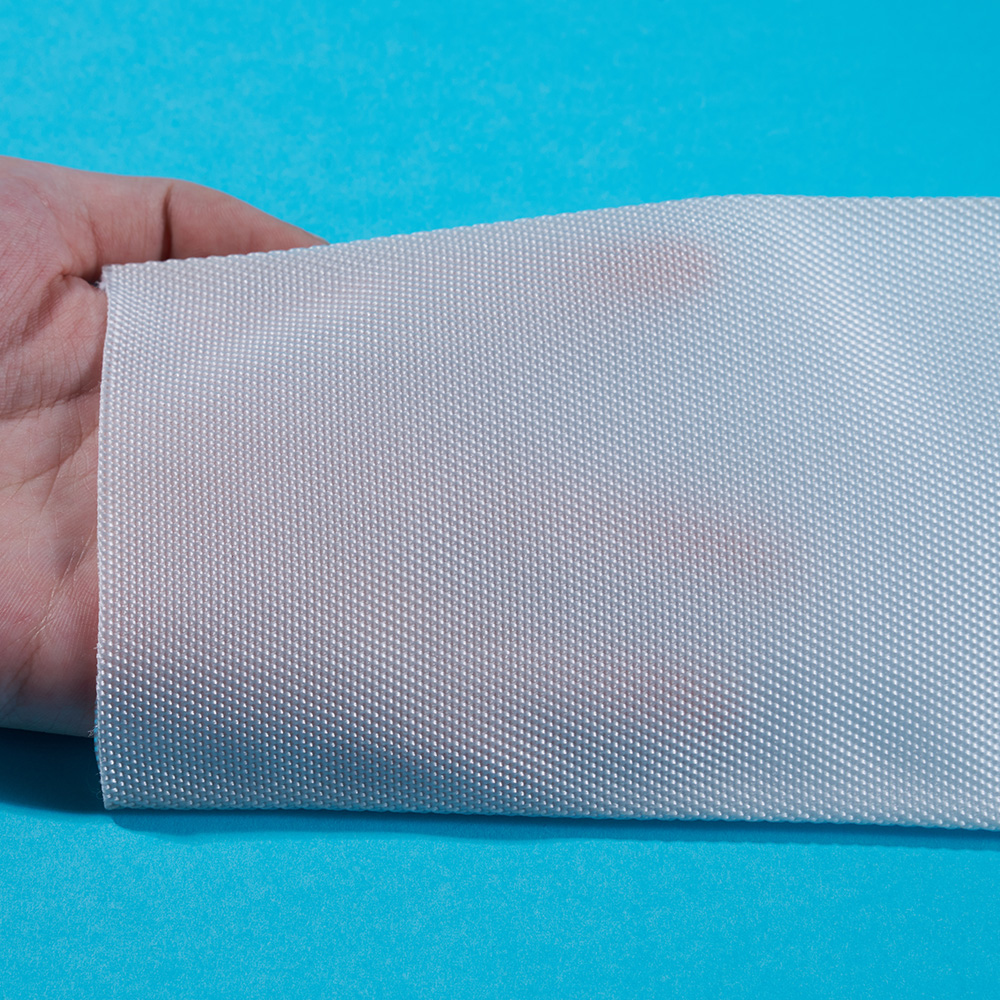
The woven structure of PFA filter mesh is produced by interlacing PFA monofilament yarns in defined patterns, with plain weave and twill weave being the two configurations used most commonly. Plain weave provides an even distribution of openings and is suited for general filtration tasks, while twill weave creates a denser fabric with finer filtration capability. The mesh count — the number of openings per unit length — can be adjusted during manufacturing to target specific particle sizes. Aperture dimensions, open area percentage, and wire diameter are all variables that influence both filtration efficiency and mechanical strength.
Chemical processing plants use PFA mesh in filter housings, strainer baskets, and inline filtration assemblies where corrosive media are handled continuously. The ability of PFA to withstand concentrated acids and chlorinated compounds without swelling, cracking, or releasing degradation products makes it a reliable choice in these environments. Pharmaceutical and biotechnology facilities also apply PFA woven mesh in filtration steps that require both chemical compatibility and cleanability.
The fabrication of Polyvinylidene Fluoride (PFA) Woven Filter Mesh requires specialized equipment due to the material's low friction coefficient and the precision needed to maintain uniform aperture dimensions. Monofilament yarns are extruded to controlled diameters before weaving, and tension management during the weaving process is critical to producing mesh with consistent openings across the full fabric width. Heat-setting after weaving stabilizes the woven geometry and relieves internal stresses introduced during production.