عربى
عربى
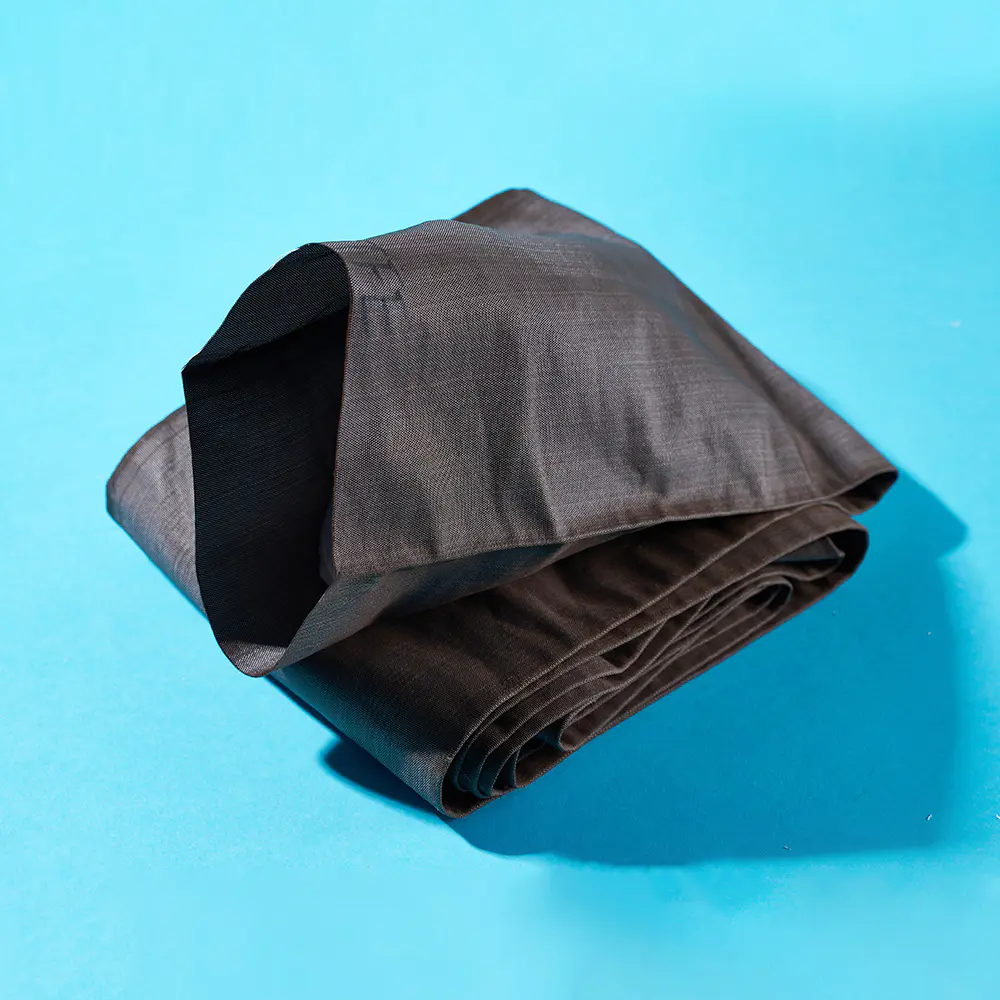
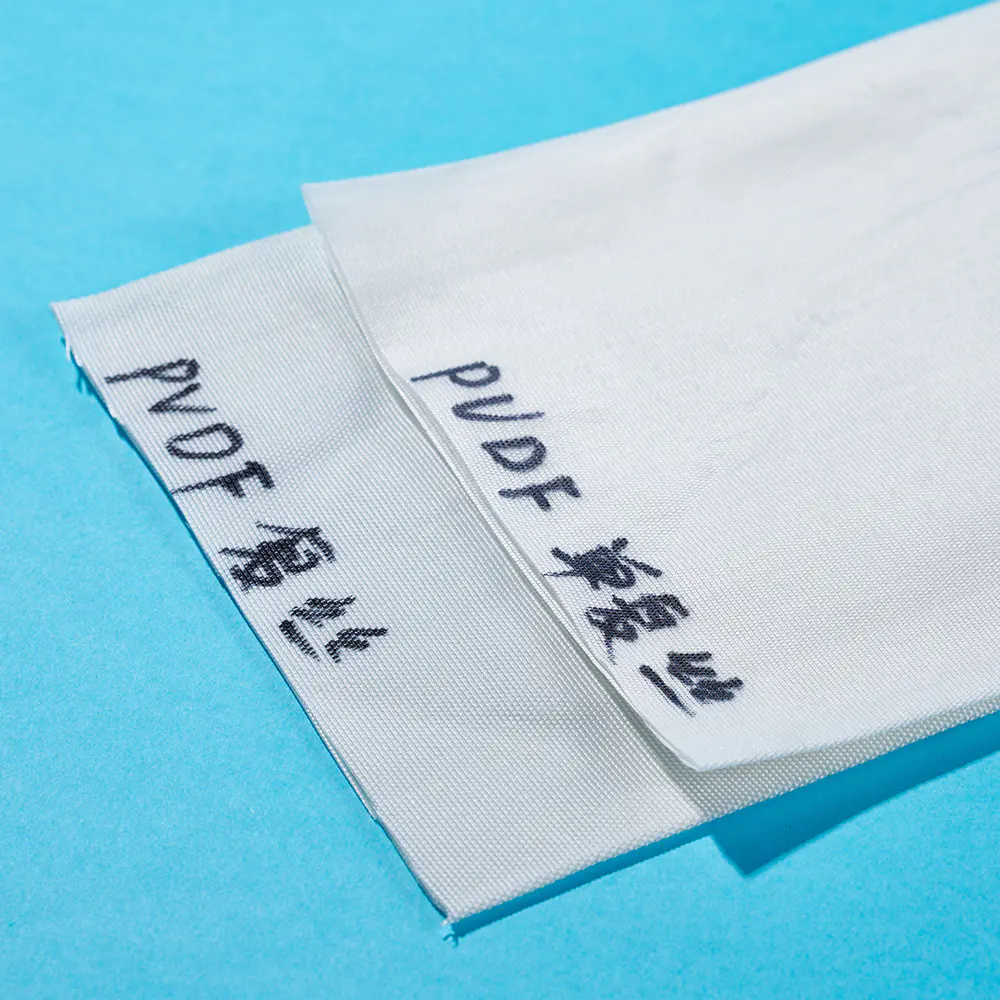
Polyester (PET) Mesh Filter Screen is made from polyethylene terephthalate, a synthetic polymer commonly used for textile and industrial mesh production. Its combination of stable dimensions, practical strength, and adaptable mesh structures makes it suitable for various liquid and material filtration tasks.
Mesh Structure Determines Filtration Performance
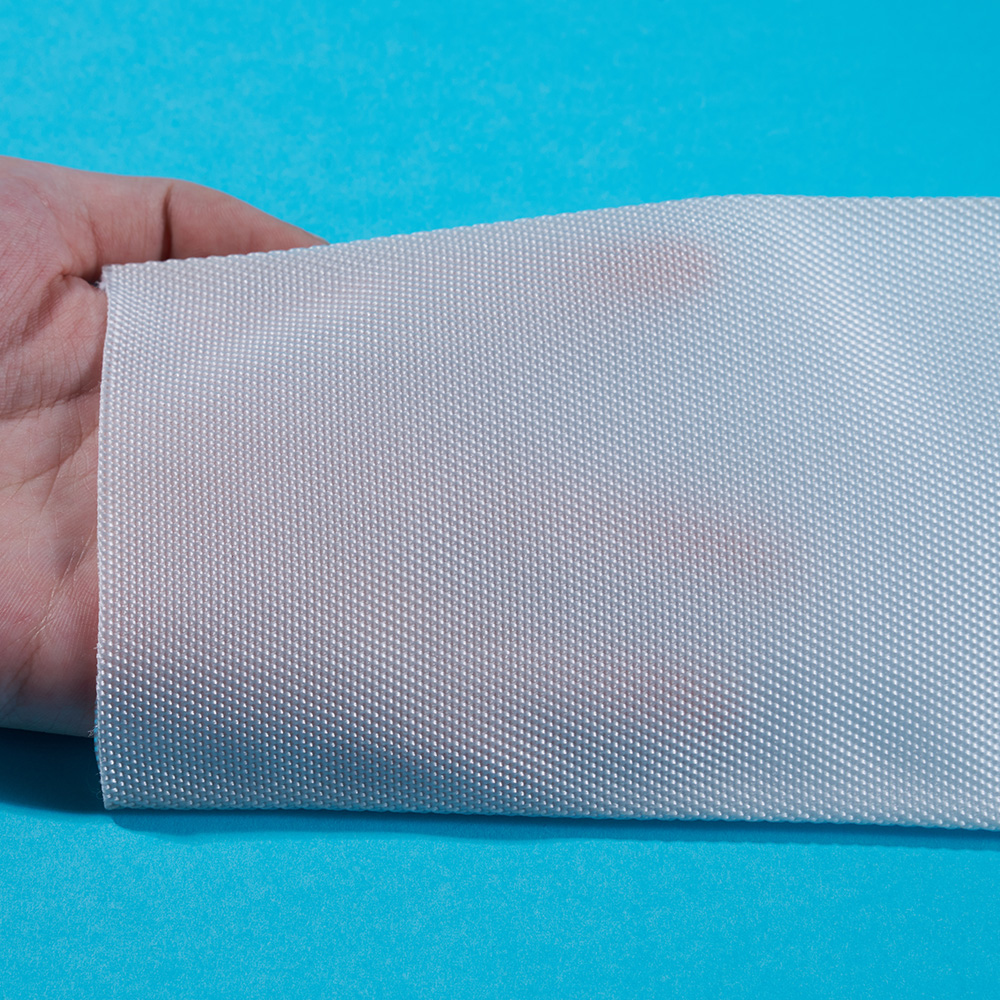
The structure of a filter screen begins with its mesh count, wire diameter, opening size, and weaving pattern. These elements work together to determine how material moves across the screen.
A finer mesh contains smaller openings and can separate smaller particles. A more open structure allows greater material flow and can suit processes where rapid passage is important. Manufacturers can select different mesh specifications according to the material being filtered and the required separation range.
The weaving method also affects screen behavior. Plain weaving is widely used because it creates a straightforward and consistent structure. Other weaving patterns can provide different opening shapes and surface characteristics for specialized filtration tasks.
PET Material Brings Practical Characteristics
PET is widely recognized as a versatile synthetic polymer. In mesh production, it can be formed into fine filaments that create a regular screen structure.
One useful characteristic is dimensional stability. A screen needs to retain its intended geometry during normal operation so that filtration openings remain reasonably consistent. PET mesh can also provide a smooth surface, which may help material move across the screen instead of becoming heavily caught within rough fibers.
Another feature is its relatively light structure. This can make cutting, shaping, and installation more convenient for equipment manufacturers and fabricators. Depending on the mesh specification, PET screens can also be produced in different widths, thicknesses, and opening configurations.
Common Industrial Uses
Polyester (PET) Mesh Filter Screen appears in a range of filtration and separation applications. Industrial users may select it for liquid filtration, particle separation, printing processes, food-related processing equipment, and various material handling systems.
In liquid filtration, the mesh can help remove suspended particles before a liquid enters another processing stage. The appropriate opening size depends on the type and size of particles that need to be separated.
In printing-related applications, polyester mesh has another role. Its stable woven structure can support controlled ink transfer across a printing surface. Different mesh counts can influence how much ink passes through the screen, making mesh selection an important part of process setup.
Custom Mesh Sizes Expand Application Options
Different industries rarely require identical filtration conditions. A screen used for coarse particle separation may have very different specifications from one designed for fine filtration.
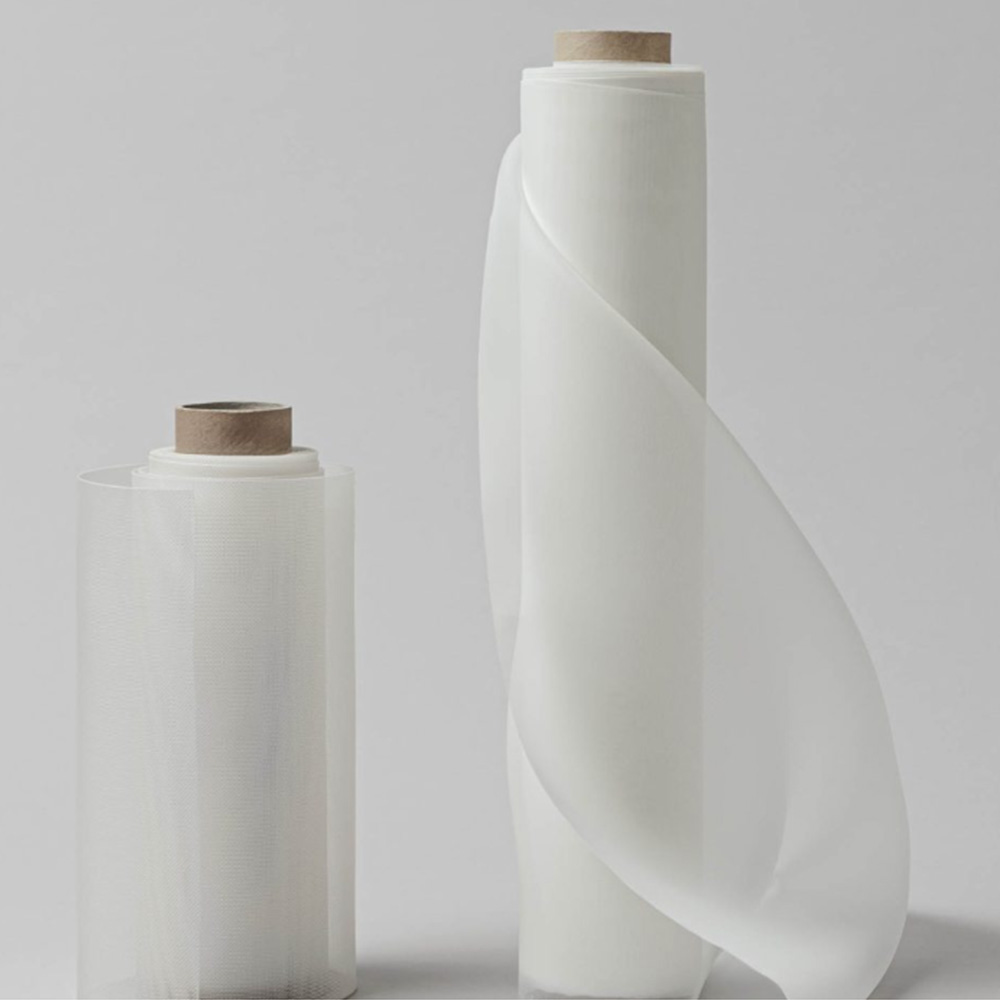
For this reason, manufacturers commonly produce Polyester (PET) Mesh Filter Screen in a range of mesh counts and opening sizes. Width is another important specification. Large rolls can be processed into smaller sections, discs, strips, or custom shapes according to equipment requirements.
Color can also vary depending on production needs. White, black, and other shades may be selected for visual identification or specific processing conditions. Edge treatment and cutting methods can also be adjusted for different installation formats.
Filtration Depends on Material Selection
Choosing a filter screen involves more than simply selecting a mesh number. The material being filtered, particle size, flow rate, screen dimensions, and equipment structure all influence the suitable specification.
For example, a process handling larger particles may require a relatively open mesh. A fine separation process may require a tighter structure. If the screen is too fine, material flow can become restricted. If the openings are too large, unwanted particles may pass through.
This makes specification matching an important step before production. Polyester (PET) Mesh Filter Screen can offer a practical range of configurations for users who need different combinations of filtration and flow characteristics.