عربى
عربى
Material Structure Supports Efficient Filtration
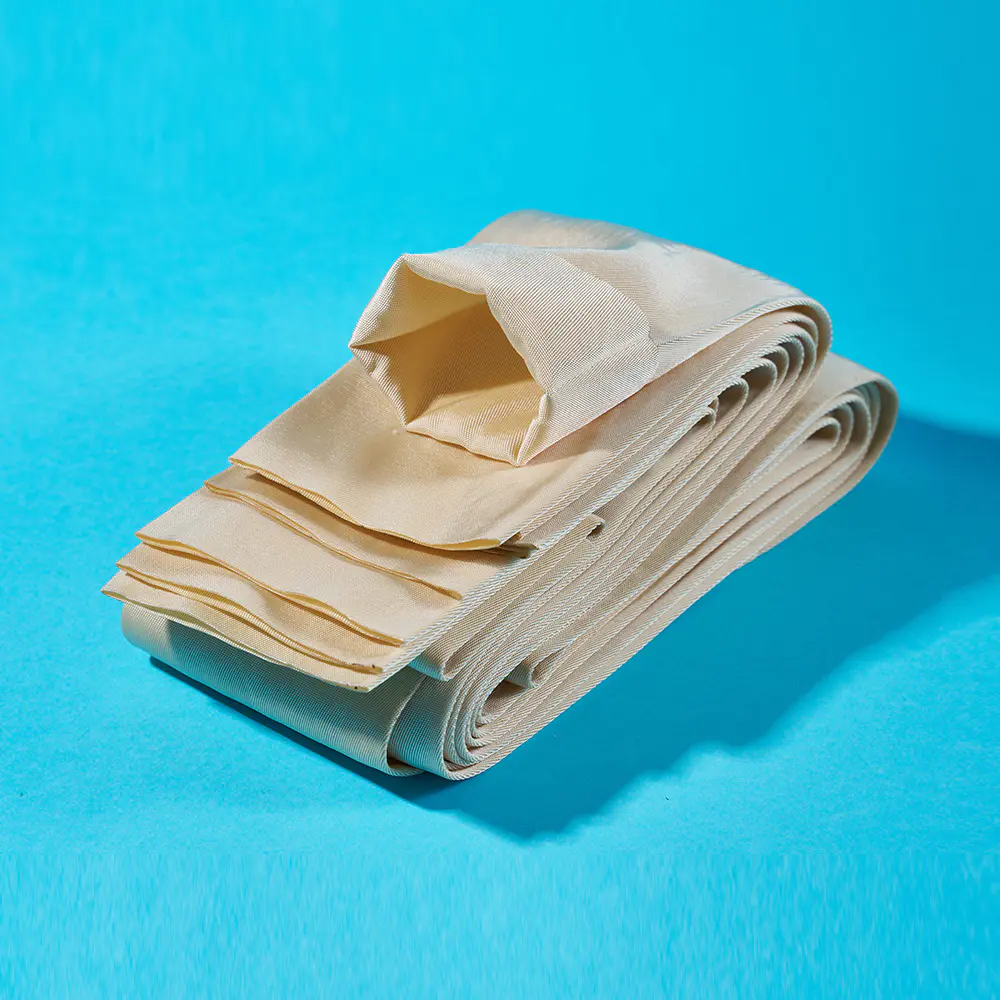
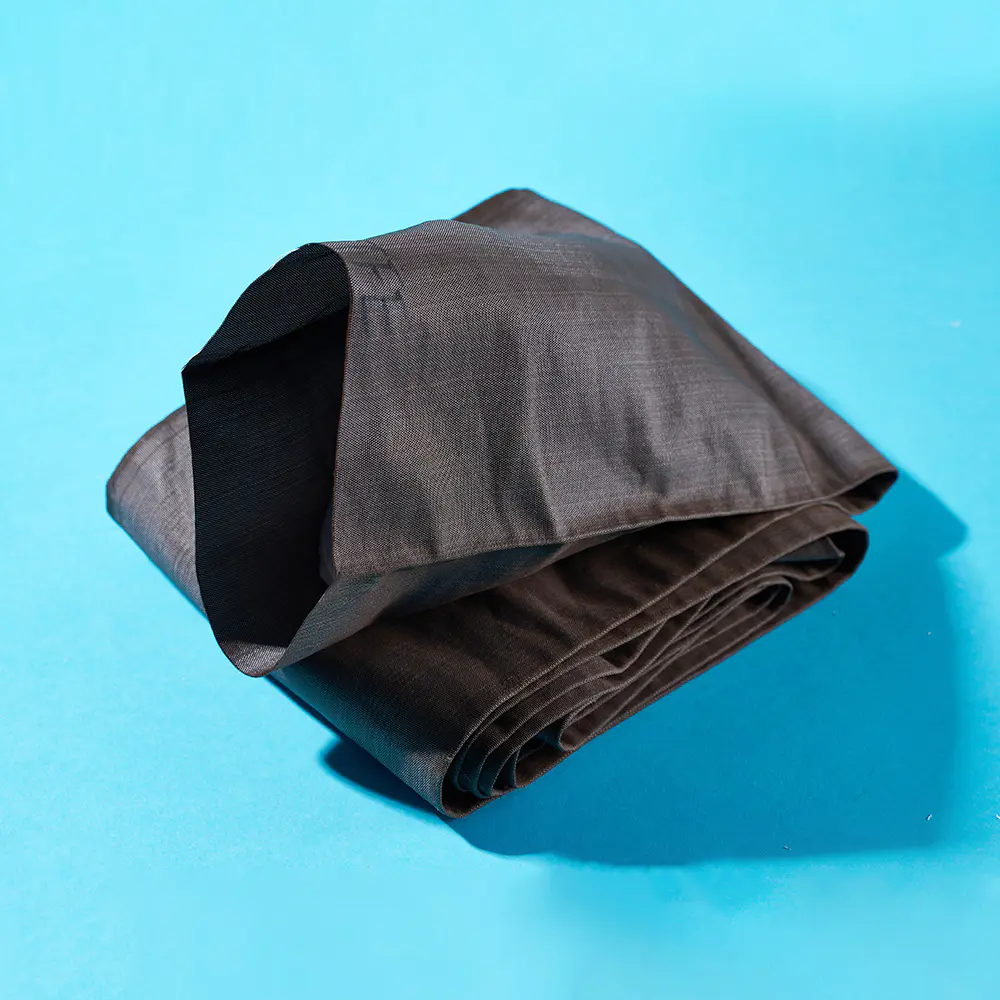
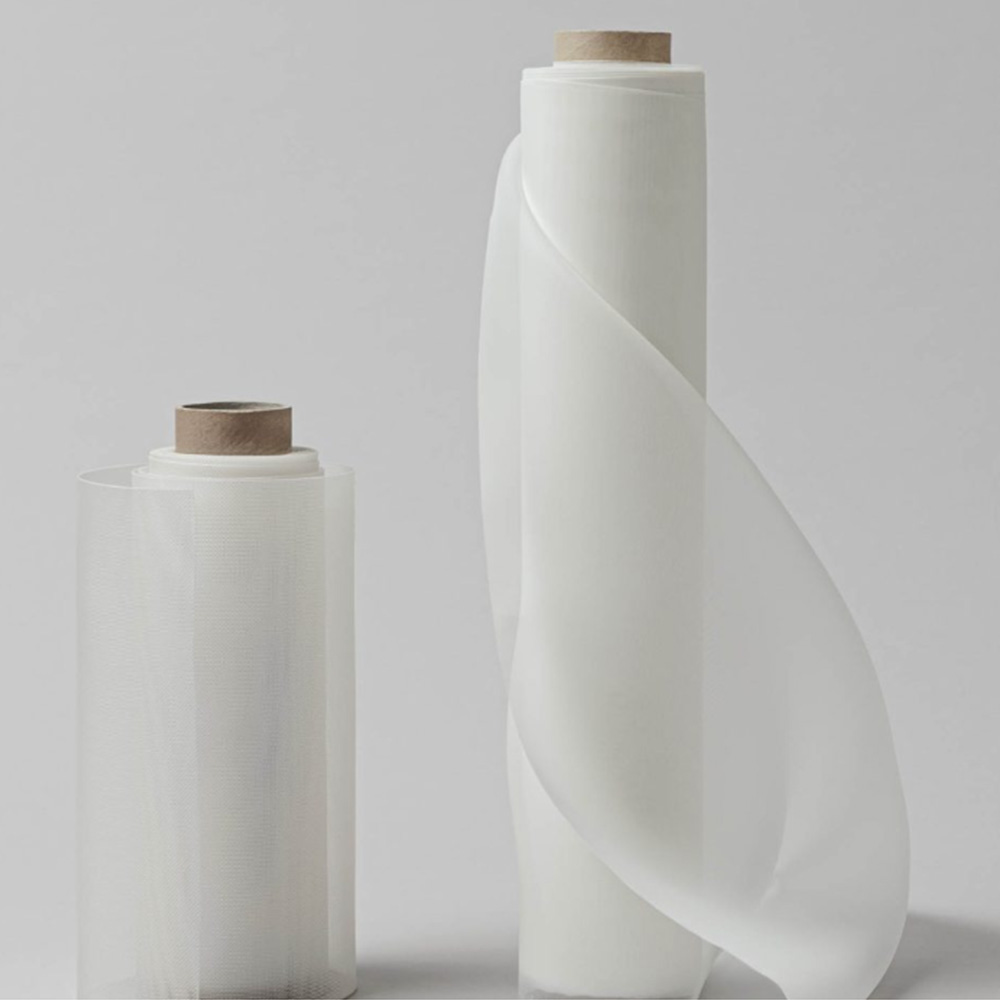
The structure of Backwash Filter Cloth directly affects filtration results. Different fiber materials, weaving methods, and surface treatments can influence how the cloth captures particles and maintains liquid flow.
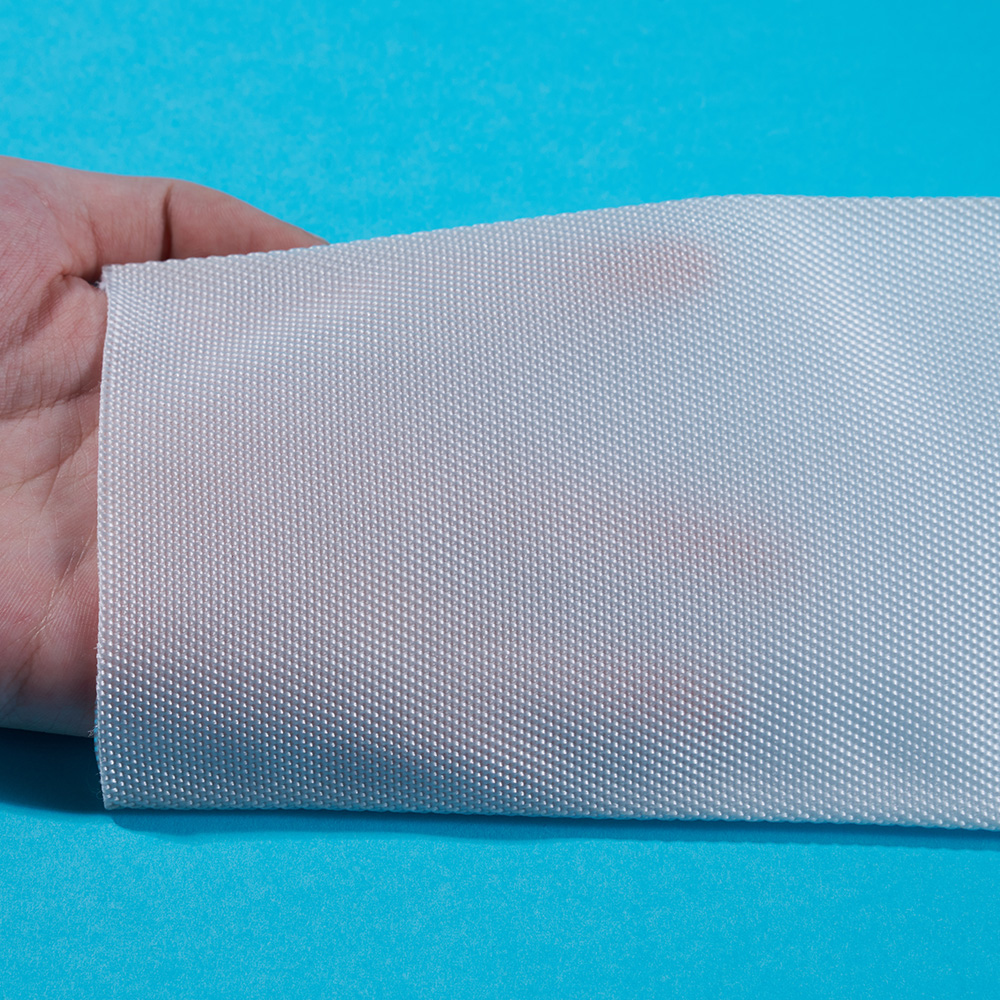
Common fabric structures include woven and non-woven designs. Woven filter cloth usually features organized fiber arrangements that provide stable openings for particle separation. Non-woven materials can offer different filtration characteristics based on fiber distribution and thickness.
The selection of fabric type depends on the working environment and filtration requirements. Different industries may choose different Backwash Filter Cloth designs according to liquid properties, particle sizes, and equipment specifications.
Role Of Backwash Filter Cloth In Automatic Cleaning Systems
Backwash filtration systems use reverse liquid flow to remove accumulated particles from the filter surface. During this process, the Backwash Filter Cloth needs to maintain its structure while allowing captured materials to separate from the fabric.
The cloth design influences how easily particles can be removed during the backwashing process. Proper fabric thickness, strength, and permeability help support stable system operation.
In industrial applications, filter cloth performance can affect the overall workflow of filtration equipment. A suitable Backwash Filter Cloth allows systems to handle repeated filtration cycles while maintaining consistent filtering conditions.
Manufacturing Process Of Filter Cloth Production
The production of Backwash Filter Cloth involves multiple steps, including fiber preparation, weaving, cutting, surface treatment, and quality inspection. Each stage affects the final fabric structure and application performance.
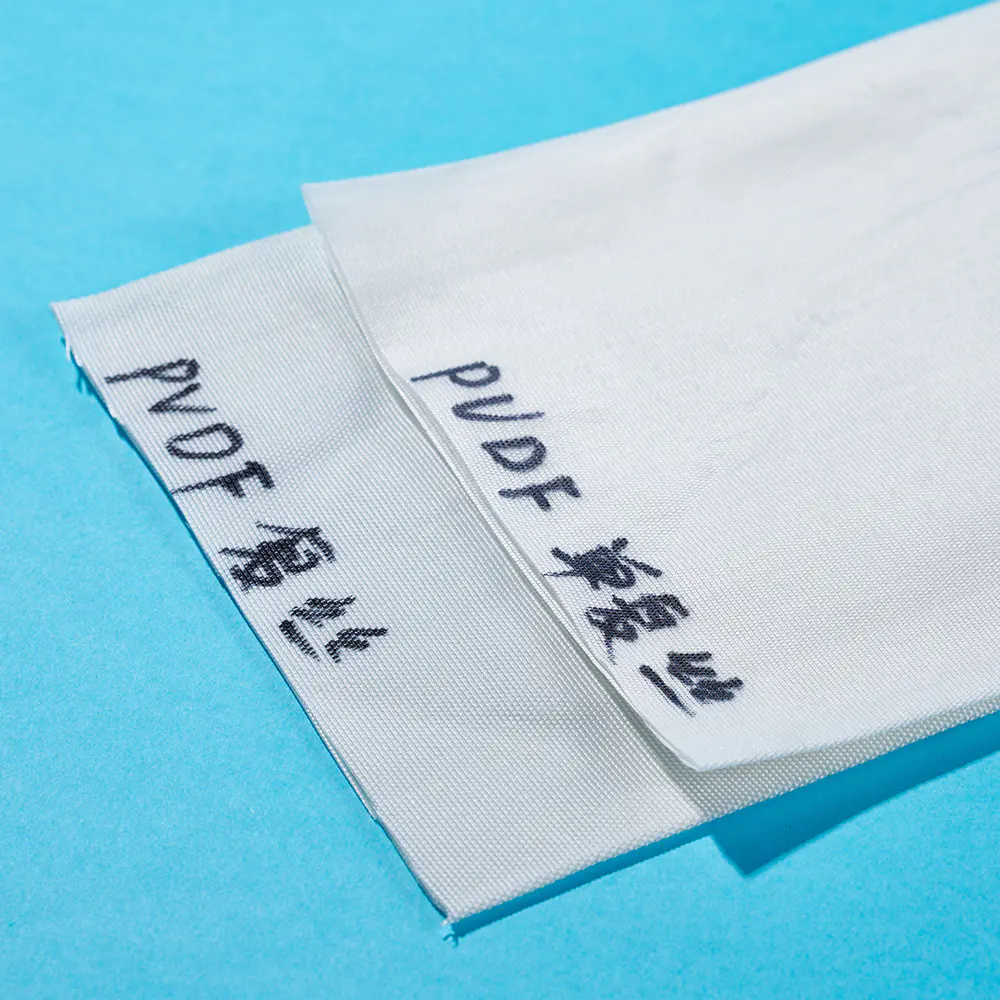
Manufacturers select suitable fibers based on different filtration needs. Polyester, polypropylene, and other synthetic materials are commonly considered for various industrial uses because they offer different levels of strength and chemical compatibility.
Advanced textile equipment helps create filter cloth with controlled thickness and consistent structures. Precise manufacturing processes allow different filter cloth specifications to match various filtration equipment designs.
Customization Meets Different Filtration Requirements
Different industries require different filtration solutions, so customized Backwash Filter Cloth options are widely used. Manufacturers can adjust fabric thickness, mesh opening, dimensions, and connection methods according to equipment requirements.
For example, some filtration systems need finer particle separation, while others focus on maintaining higher liquid flow rates. Customized fabric structures help users select suitable options for different working conditions.
The shape and size of filter cloth are also important factors. Some systems require circular filter elements, while others use rectangular or specially designed fabric components. Flexible customization supports various equipment designs.
Applications Across Multiple Industries
Backwash Filter Cloth is used in many fields that involve liquid filtration. Industrial water treatment systems, chemical processing equipment, food production facilities, and manufacturing processes may use this type of filter material.
In production environments, filtration systems help separate particles and improve process control. The filter cloth serves as a key filtering surface that supports stable liquid separation.
Food and beverage applications may require fabrics designed for specific processing conditions. Industrial users often select Backwash Filter Cloth based on filtration goals, equipment structure, and material compatibility.
Backwash Filter Cloth Creates Flexible Filtration Solutions
Backwash Filter Cloth plays an important role in modern filtration systems by combining fabric technology, material design, and practical applications. Its ability to support particle separation and repeated filtration processes makes it suitable for many industrial environments.
From material selection to customized manufacturing, every stage influences the final performance of filter cloth products. As filtration equipment becomes more diverse, Backwash Filter Cloth continues to provide adaptable options for different liquid filtration needs.