عربى
عربى
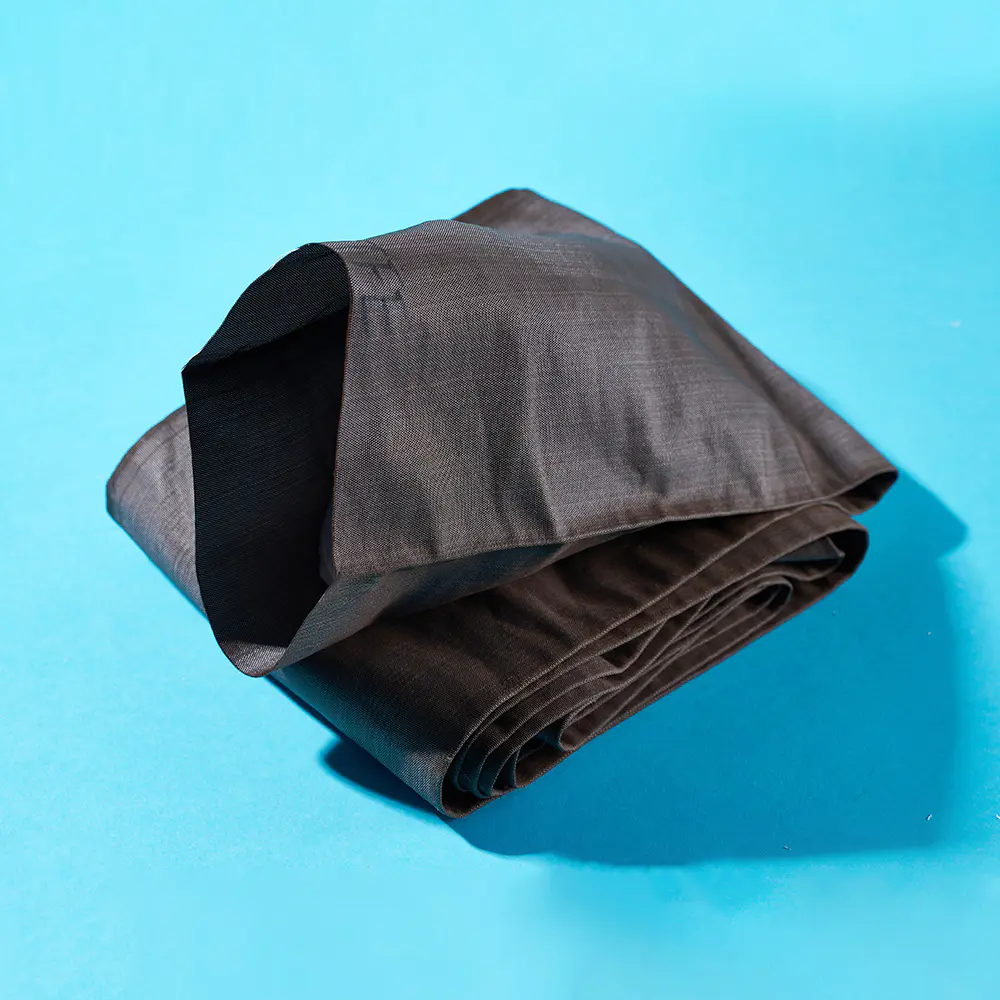
Filtration equipment plays an important role in separating solid particles from liquids, gases, and process materials across many industrial applications. Inside this equipment, filter media provide the actual separation surface. Basket Filter Cloth is one type of filter media designed to fit basket-shaped filtration structures and provide a fabric surface for particle separation.
What Is Basket Filter Cloth?
Basket filter cloth is a fabric filter medium formed or fitted into a basket-style configuration. The basket provides structural support, while the cloth creates the filtration surface.
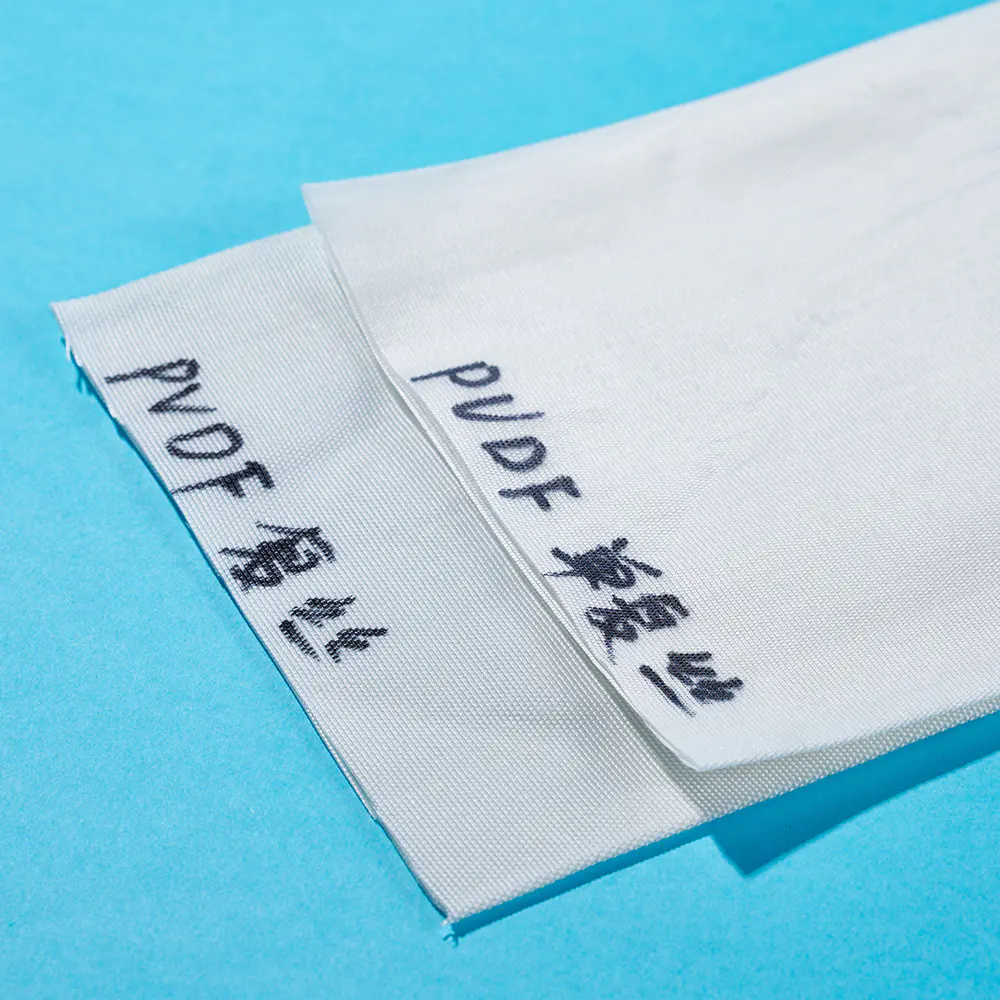
A Basket Filter Cloth can be produced from different synthetic fibers or other technical textile materials depending on the application. Common considerations include fiber diameter, weave structure, fabric thickness, and opening size.
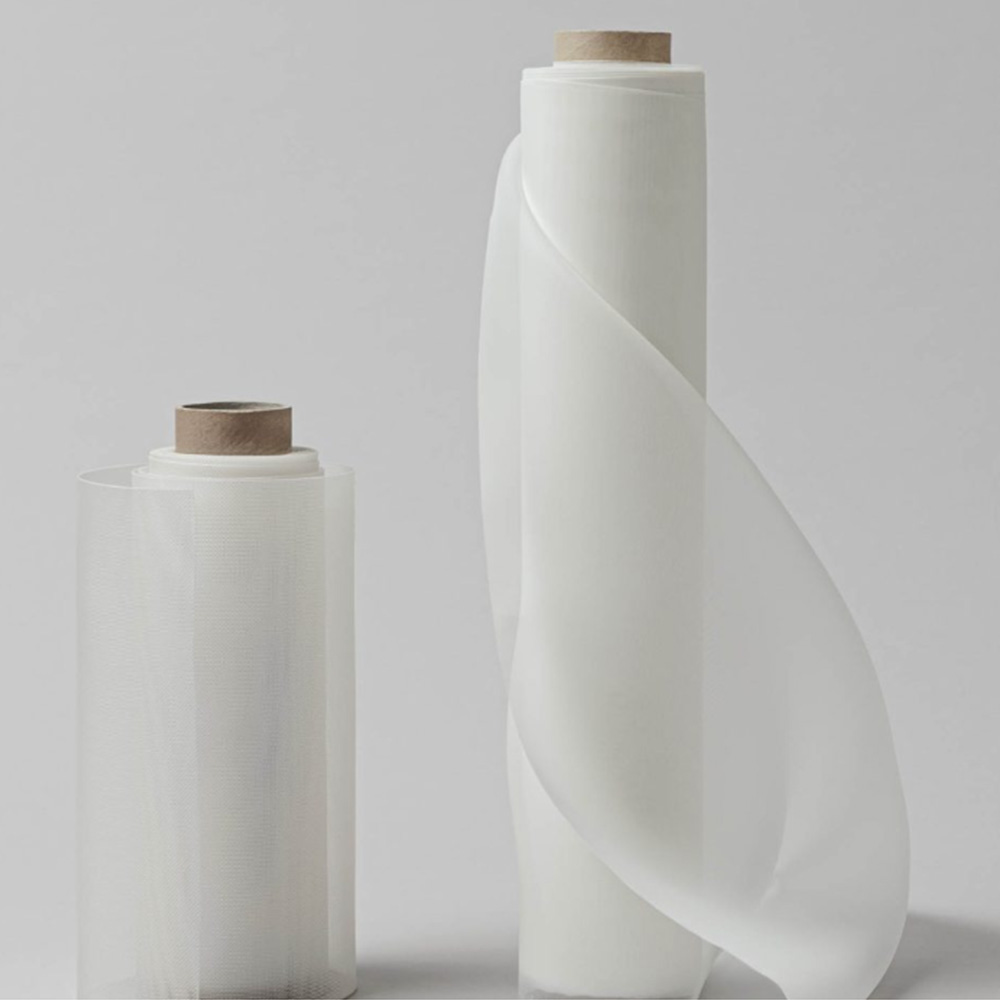
The fabric can be manufactured in different shapes and dimensions to match the filtration equipment. This flexibility allows filter cloth manufacturers to develop products for different basket designs.
Fabric Structure Controls Filtration
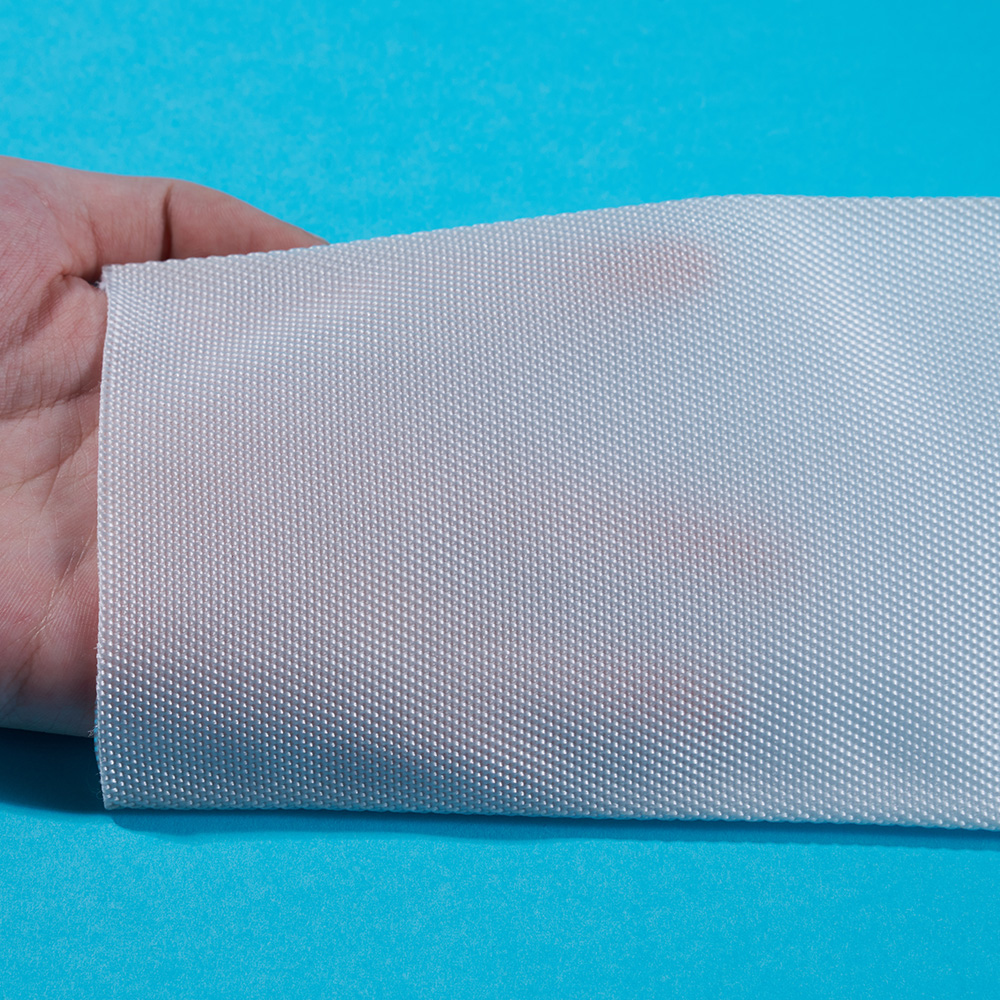
The weave pattern is an important part of filter cloth construction. Woven fabrics can use different arrangements of warp and weft yarns, creating specific openings across the filtration surface.
Plain weave, twill weave, and other textile structures can produce different combinations of strength, permeability, and particle retention.
For Basket Filter Cloth, the fabric structure needs to work together with the basket shape. A suitable material should maintain its form when fitted around the supporting structure and provide a consistent filtration surface.
Mesh Size Affects Particle Separation
Mesh size is closely connected to filtration performance. A finer fabric can capture smaller particles, while a more open structure allows larger particles and greater fluid movement.
When selecting Basket Filter Cloth, manufacturers and users generally consider the size of particles that need to be separated, the characteristics of the filtered material, and the required fluid flow.
Different applications can therefore require different mesh specifications. A cloth designed for coarse particle separation may look and behave differently from a fabric intended for finer filtration.
Material Selection Shapes Filter Design
Synthetic materials such as polyester, polypropylene, nylon, and other technical fibers can be used in industrial filter fabrics. Each material has different characteristics related to flexibility, strength, temperature resistance, and chemical compatibility.
A Basket Filter Cloth may also use a combination of fabric layers. One layer can provide mechanical support, while another layer provides the primary filtration surface.
The selection of textile material needs to match the operating conditions of the filtration equipment and the characteristics of the material being filtered.
Basket Shape Creates Structural Support
Unlike a flat filter sheet, a basket filter cloth needs to follow a three-dimensional structure. The cloth may be sewn, welded, formed, or otherwise assembled into a basket-shaped configuration.
The dimensions of the basket are important during production. Diameter, height, opening position, flange structure, and connection points can all affect the final product.
For Basket Filter Cloth, accurate dimensional design helps the fabric fit correctly around its supporting basket. Poor alignment can create gaps or uneven fabric tension.
Industrial Applications Require Different Configurations
Basket-style filtration can be found in areas such as chemical processing, food production, industrial liquids, water treatment equipment, and process filtration systems.
Each application can require a different filtration grade and fabric structure. Some systems focus on separating suspended particles, while others use filter baskets to capture solid materials during liquid processing.
This means Basket Filter Cloth can be developed in different sizes, fabric types, mesh specifications, and construction methods to suit different equipment designs.