عربى
عربى
Why Seamless Construction Matters Here
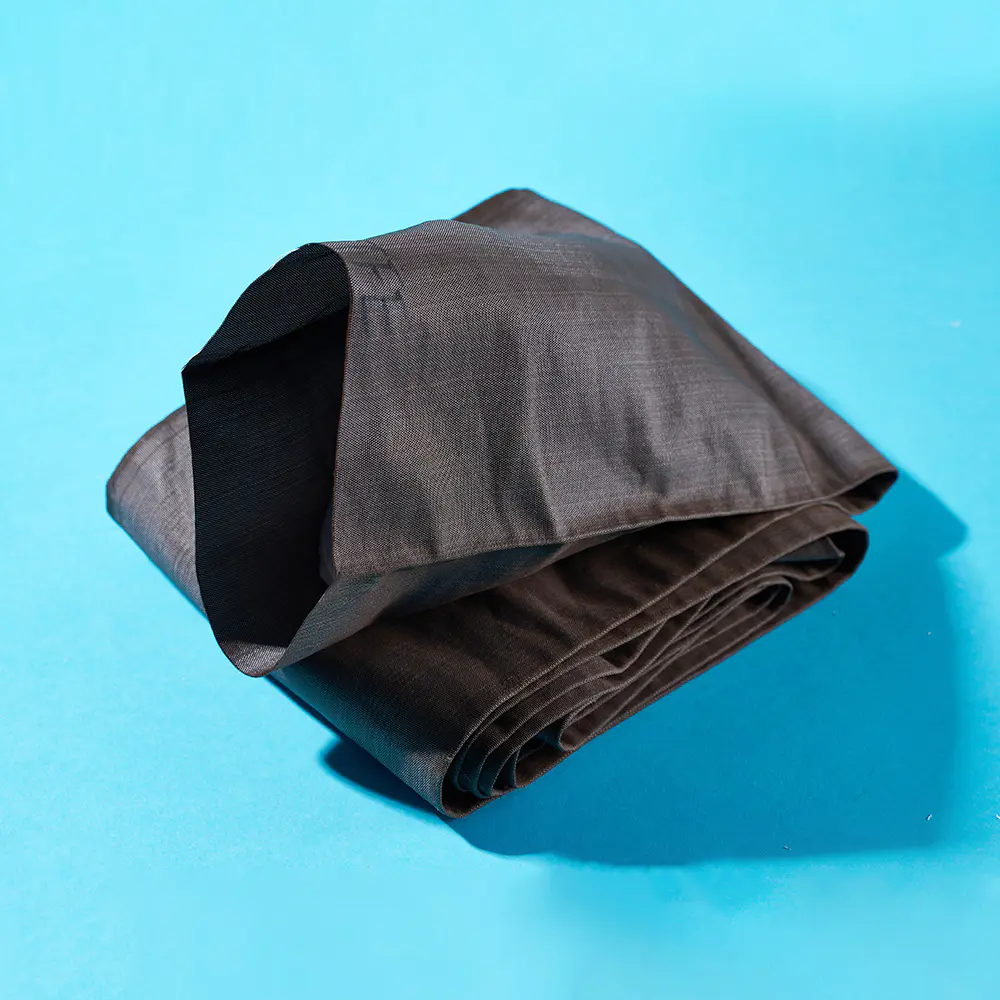
A regular flat filter fabric has to be cut and sewn into a tube shape to fit around a candle filter element, and that seam becomes a potential weak point where particles can slip through or where the fabric might wear faster under repeated pressure cycling. Polyamide (PA) seamless filter cloth for candle filter applications avoids this problem entirely by being woven directly in a tubular form on circular looms, so there's no stitched or bonded seam anywhere along the length of the fabric.
This seamless structure gives the finished sleeve consistent pore size and thickness all the way around, which matters for filtration accuracy. A seam, even a well-made one, tends to create a slightly different flow path than the surrounding fabric, and over many filtration cycles that inconsistency can show up as uneven particle capture or premature wear right at the stitch line.
Why Polyamide Is the Material of Choice
Polyamide, commonly known as nylon, brings a combination of properties that make it well suited to filter cloth applications. It resists abrasion reasonably well, which matters since candle filters often get backwashed or mechanically cleaned between cycles, putting repeated physical stress on the fabric surface. It also holds up against a range of common process chemicals, giving it broader compatibility than some natural fiber alternatives when filtering process liquids that vary in pH or solvent content.
Polyamide (PA) seamless filter cloth for candle filter elements also benefits from the fiber's flexibility, since the tubular fabric needs to fit snugly over a rigid filter core without excessive stretching or bunching. That flexibility helps the cloth conform closely to the shape of the underlying support structure, reducing gaps where unfiltered liquid could bypass the fabric layer entirely.
Weave Density and Micron Ratings
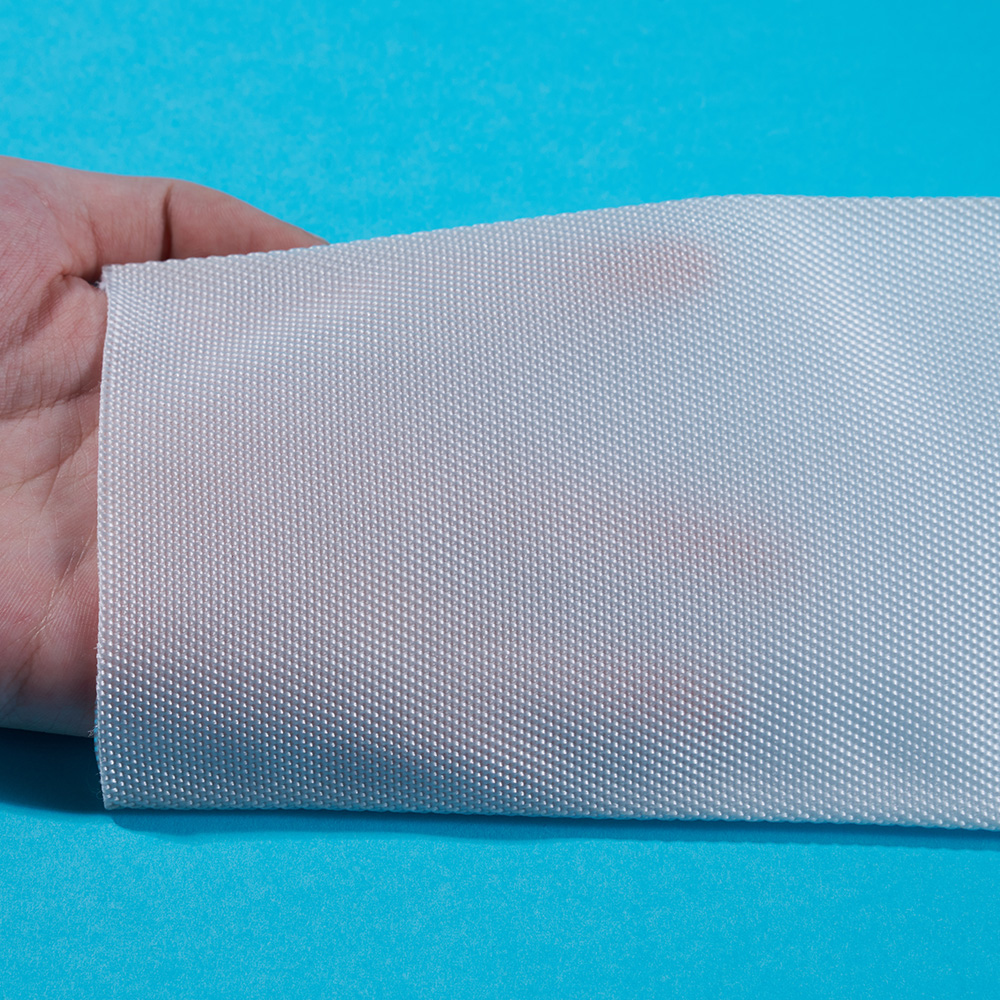
Buyers sourcing polyamide (PA) seamless filter cloth for candle filter use typically specify a micron rating, which tells them roughly what particle size the fabric will capture. Tighter weaves with smaller effective pore openings catch finer particles but can reduce flow rate through the fabric, so buyers often balance filtration precision against how quickly liquid needs to move through the system during a production run.
Weave density also affects how the fabric handles pressure differential across filtration cycles. A denser weave tends to hold up better under higher pressure but may need more frequent cleaning as particles build up on the surface faster. Buyers working with process engineers usually specify both micron rating and weave density together, since the two properties interact directly to determine how the finished filter performs under actual operating conditions rather than in isolation.
Sourcing Considerations for Industrial Buyers
Buyers ordering polyamide (PA) seamless filter cloth for candle filter systems in bulk often ask suppliers about tube diameter tolerance, since even small variations can affect how snugly the fabric fits over a filter core across a large batch of elements. Consistent diameter matters more in seamless tubular fabric than in flat sheet goods, since there's no cutting and resizing step to correct minor variance before installation.
Color coding sometimes comes up too, particularly for buyers managing filtration systems across multiple process lines, where different colored sleeves help operators quickly identify which micron rating or material grade is installed on a given filter without checking documentation. Suppliers who can maintain tight diameter and weave tolerances across repeat orders tend to become preferred partners for buyers running continuous industrial filtration operations that depend on predictable, drop-in replacement parts.