عربى

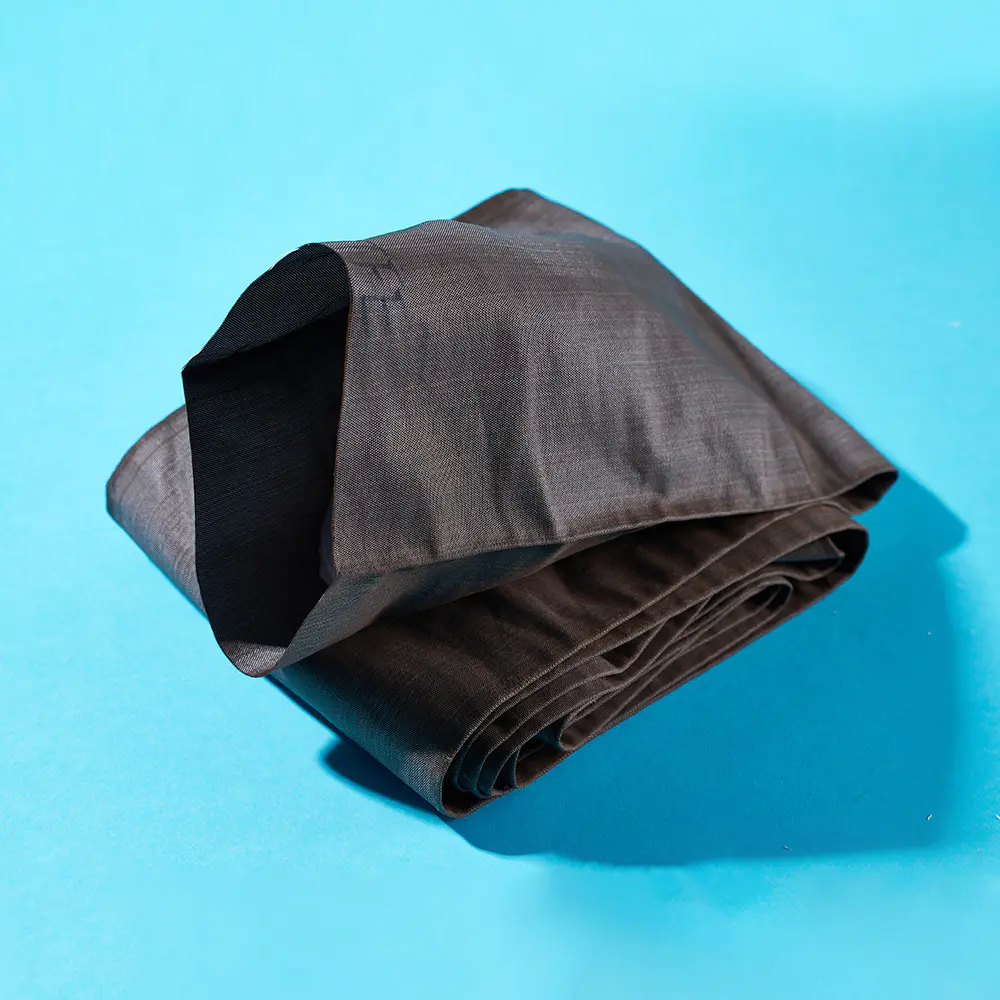
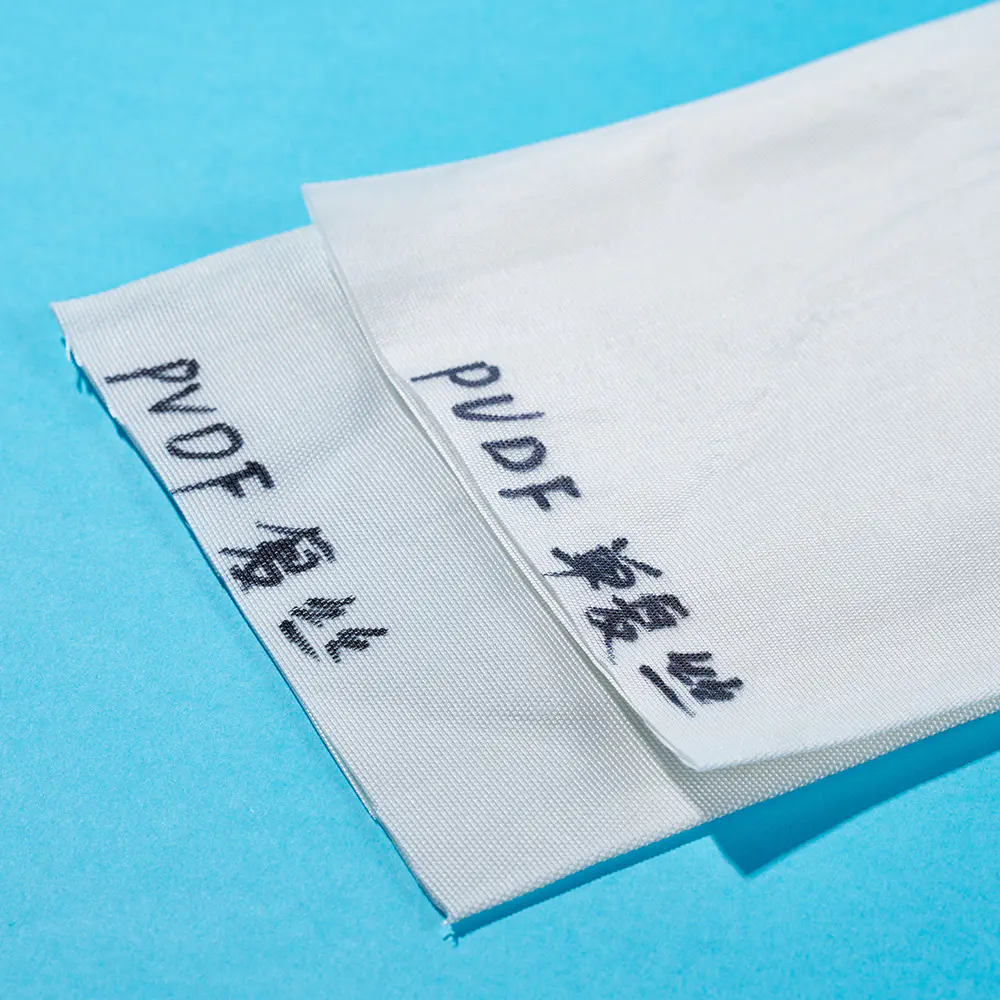
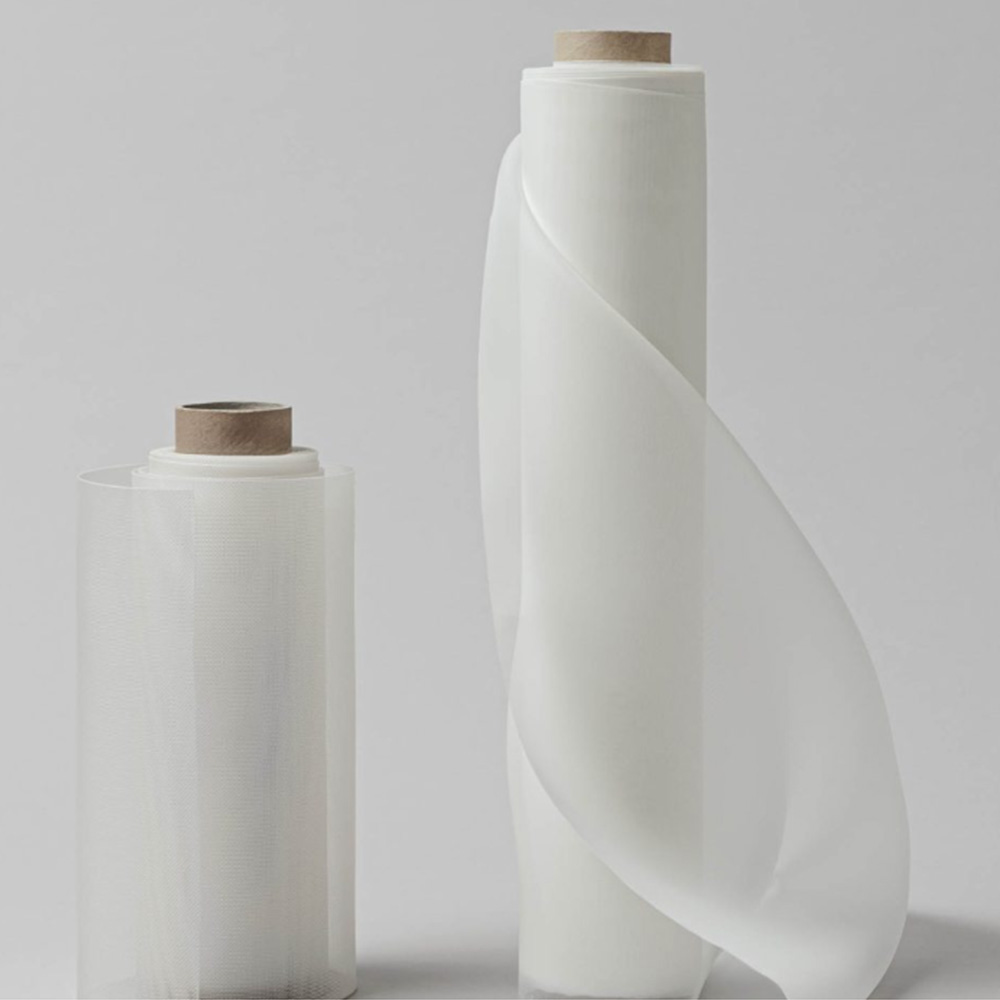
Industrial filtration systems often operate under demanding chemical and process conditions. In applications involving fine particles, corrosive liquids, or specialized process media, the filter material plays an important role in determining filtration performance. Candle filters use a cylindrical filter element to separate solid particles from liquids, making the structure and material of the filter cloth particularly important. Polytetrafluoroethylene (PTFE) Seamless Filter Cloth for Candle Filter is developed for these applications, combining the chemical characteristics of PTFE with a tubular textile structure.
Why Seamless Construction Matters
Traditional filter cloth may require cutting and stitching to create a cylindrical filter element. These joining areas can introduce structural differences compared with the main fabric body.
Seamless filter cloth is manufactured as a continuous tubular structure, reducing the need for longitudinal stitching. This construction provides a more uniform fabric body and helps simplify the preparation of cylindrical filter elements.
For candle filter manufacturers, the seamless design also offers greater flexibility when developing filter elements with specific diameters and lengths. Polytetrafluoroethylene (PTFE) Seamless Filter Cloth for Candle Filter is therefore relevant to equipment designs that require continuous tubular filtration media.
Fabric Structure and Filtration Characteristics
The textile structure directly influences how liquid passes through the filter cloth and how solid particles are retained. Weaving patterns, yarn arrangement, fabric density, and pore distribution all contribute to the filtration characteristics.
A tighter fabric structure may support the retention of finer particles, while a more open structure can provide different flow characteristics. The appropriate configuration depends on the particle size distribution, liquid properties, and operating conditions.
In Polytetrafluoroethylene (PTFE) Seamless Filter Cloth for Candle Filter, fabric construction needs to correspond with the filtration requirements of the equipment. Material selection and textile design are therefore closely connected.
How Seamless PTFE Filter Cloth Is Manufactured
Manufacturing begins with PTFE fiber or yarn preparation. The selected yarn is processed according to the intended tubular fabric specifications.
Specialized textile equipment forms the continuous cylindrical structure. During this stage, manufacturers control the fabric diameter, weaving pattern, density, and overall dimensions according to the product design.
Subsequent processing may involve fabric finishing, dimensional adjustment, and cutting to specified lengths. The production method depends on the required textile structure and the technical capabilities of the manufacturer.
For Polytetrafluoroethylene (PTFE) Seamless Filter Cloth for Candle Filter, consistency in tubular dimensions is particularly relevant because the fabric needs to fit the corresponding candle filter structure.
Chemical Resistance in Industrial Filtration
Chemical compatibility is an important reason for selecting PTFE-based filter media. PTFE has resistance to many chemicals, making it suitable for various industrial filtration environments.
This property is relevant to chemical processing, pharmaceutical production, and other specialized manufacturing operations where filtration media may contact aggressive process liquids.
However, actual material suitability depends on the chemical composition, concentration, temperature, and operating conditions involved. Polytetrafluoroethylene (PTFE) Seamless Filter Cloth for Candle Filter should therefore be specified according to the requirements of the intended process.
Matching Fabric Dimensions With Candle Filter Design
Candle filters are generally designed around elongated cylindrical filter elements. Their dimensions vary according to equipment configuration and processing capacity.
Important fabric specifications include tube diameter, wall structure, length, and textile density. These details influence how the filter cloth fits around the supporting structure and integrates into the filtration assembly.
Manufacturers may develop customized tubular dimensions based on equipment drawings or existing filter element specifications. This allows Polytetrafluoroethylene (PTFE) Seamless Filter Cloth for Candle Filter to correspond with different candle filter designs.
Customization and Cooperation With Filter Manufacturers
Industrial filtration projects often involve different equipment dimensions and operating conditions. Filter cloth manufacturers may provide customized tube diameters, fabric lengths, textile structures, and material specifications.
For overseas buyers, communicating equipment drawings, filtration requirements, and process information helps manufacturers understand the intended application. This technical exchange also supports coordination between textile production and candle filter assembly.
Polytetrafluoroethylene (PTFE) Seamless Filter Cloth for Candle Filter combines fluoropolymer material characteristics with continuous tubular fabric construction. Its structure, chemical compatibility, and customizable dimensions make it a specialized option within industrial filtration materials.