عربى

Filament Composition and Weave Structure
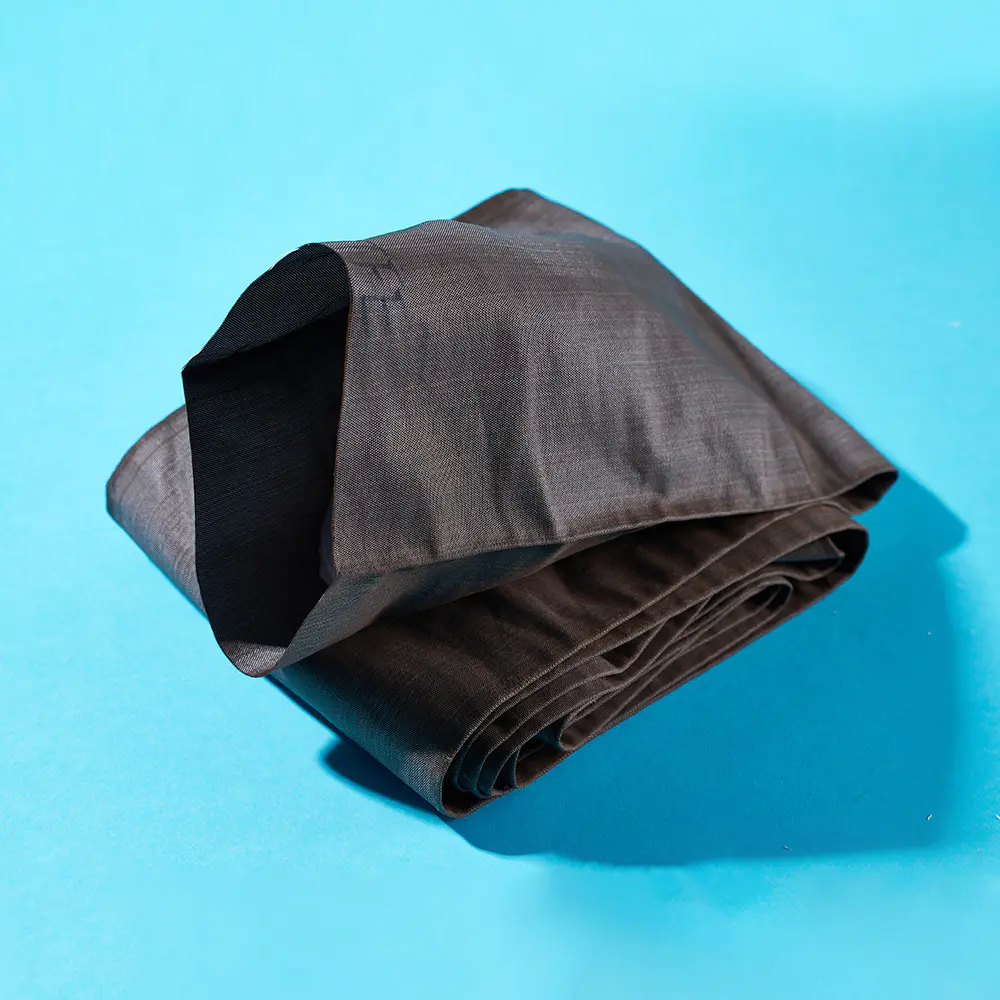
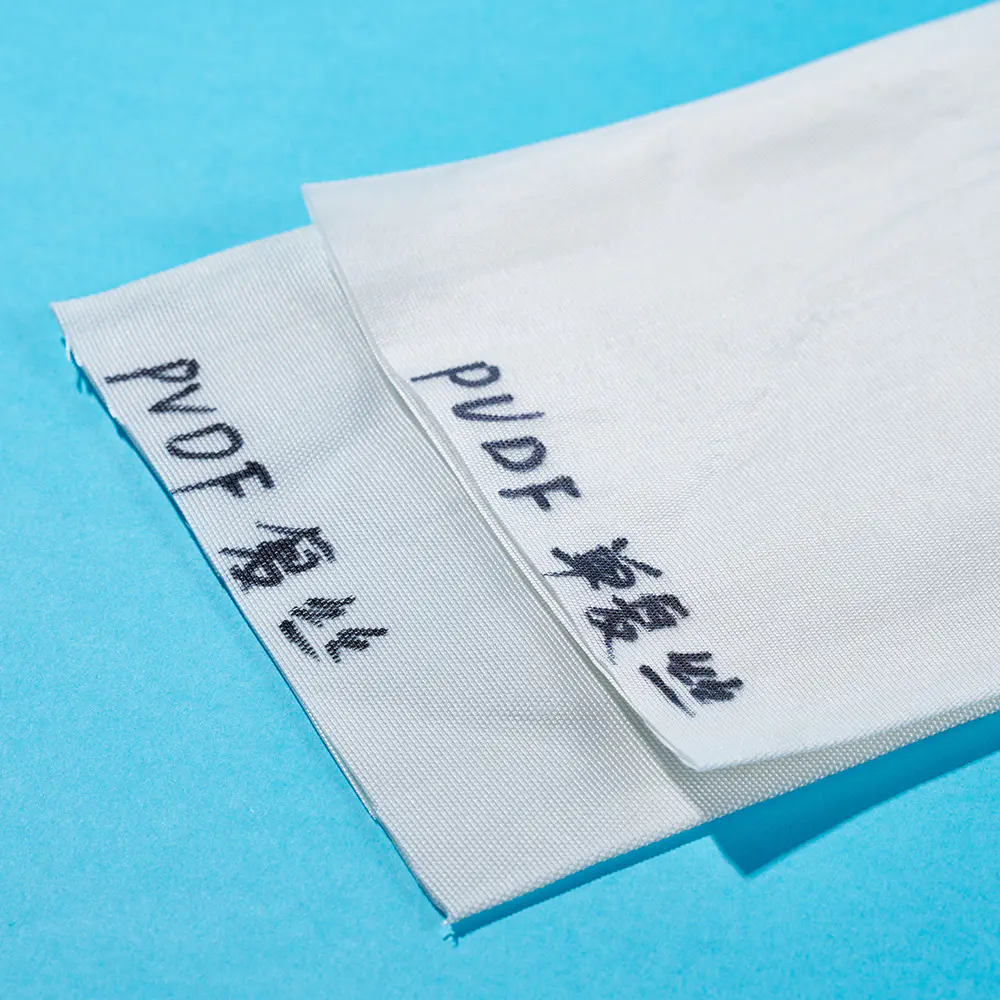
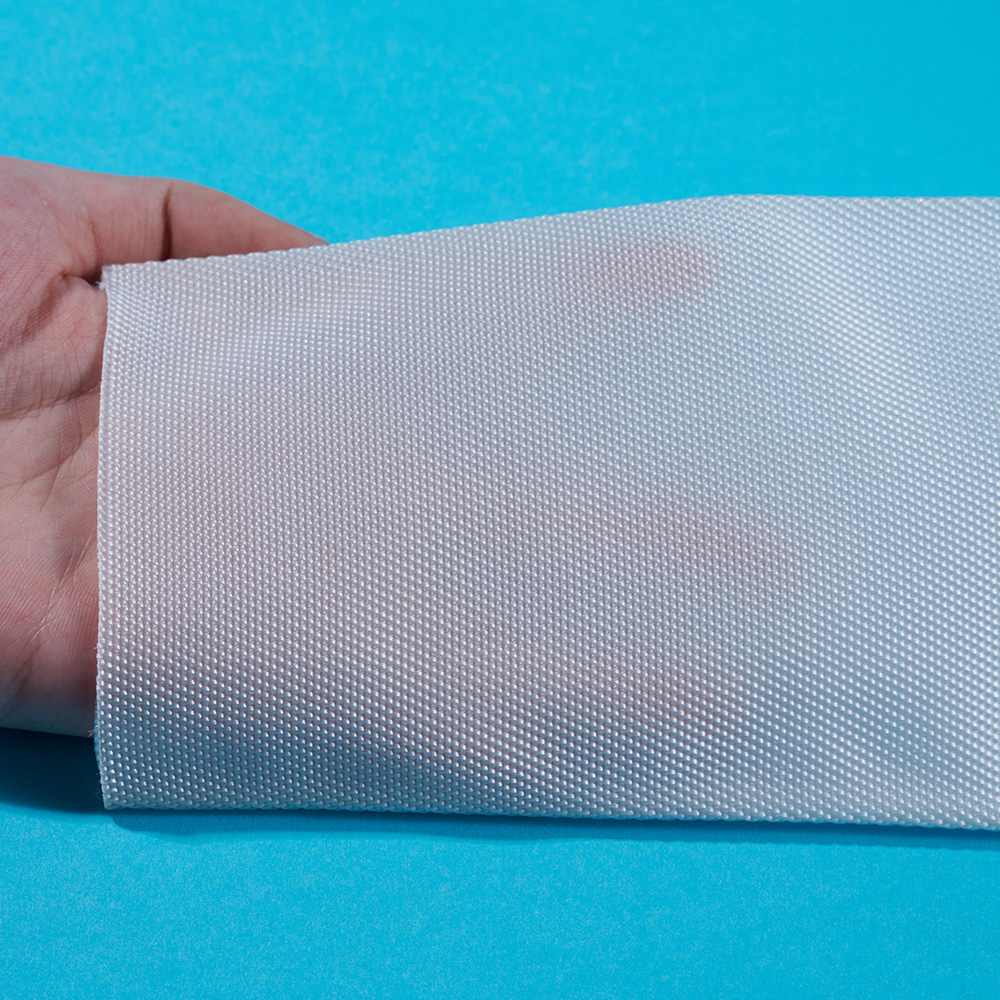
Monofilament Filter Screen is produced from individual continuous filaments rather than twisted multifilament yarns. Common polymers include polyester, polypropylene, and nylon, each selected for chemical compatibility and temperature range. The filaments are woven into plain, twill, or specialized patterns that create precise square or rectangular openings.
This single-filament construction reduces particle trapping within the yarn itself and supports consistent flow rates. Opening sizes can be specified across a wide micron range to match the particle size targeted for retention. The resulting mesh maintains dimensional stability during use in both liquid and air filtration systems.
Surface Characteristics and Flow Behavior
The smooth surface of each filament in a Monofilament Filter Screen limits adhesion of process materials. This characteristic helps maintain open area over longer operating periods compared with textured multifilament alternatives. Open area percentage is calculated from filament diameter and mesh count to balance throughput against retention efficiency.
Edge treatments and sealing options can be applied to the finished screen to prevent fraying or bypass. Thickness remains relatively low, allowing the material to be formed into bags, tubes, or flat panels. These surface and structural traits support reliable performance across repeated filtration cycles.
Industrial Process Applications
Monofilament Filter Screen appears in water treatment systems, chemical processing lines, and food ingredient preparation. It functions as a pre-filter, process filter, or final clarification layer depending on the mesh specification. In agricultural settings the material is used for irrigation filtration and seed cleaning.
Pharmaceutical and beverage operations also incorporate the screen for particle control during liquid transfer. The ability to select opening size and polymer type allows the same product family to serve multiple process stages. These varied uses demonstrate the practical range of Monofilament Filter Screen within manufacturing environments.
Mesh Count and Opening Precision
Mesh count defines the number of openings per linear inch and directly influences the retention capability of Monofilament Filter Screen. Higher mesh counts produce smaller openings for finer particle capture, while lower counts support higher flow volumes. Filament diameter is matched to the mesh count to achieve the target open area.
Tolerance on opening size is maintained through precise loom settings and filament diameter control. This precision supports process requirements where particle size distribution must stay within defined limits. Buyers can specify both nominal opening and allowable variation when ordering material for critical filtration steps.
Compatibility with Process Fluids
Different polymer bases for Monofilament Filter Screen offer resistance to acids, alkalis, solvents, and temperature extremes. Polyester versions suit many aqueous and mild chemical environments, while polypropylene provides broader chemical resistance in certain applications. Nylon options add toughness under mechanical stress.
The material can be supplied in roll form or fabricated into finished filter elements such as bags, cartridges, or disc screens. Compatibility data for the selected polymer helps match the screen to the process fluid and operating temperature. This matching step reduces the risk of premature degradation during continuous service.
Conversion and Custom Formats
Factories producing Monofilament Filter Screen can convert the woven mesh into a range of finished forms. Ultrasonic or thermal welding creates sealed seams for filter bags and tubes. Die cutting produces flat panels or shaped inserts for equipment housings.
Custom widths and lengths are available to match existing filter frames or process equipment. Edge reinforcement can be added where mechanical clamping or tensioning is required. Clear specification of finished dimensions and any secondary operations helps align the delivered product with the buyer’s installation requirements.
Monofilament Filter Screen continues to serve as a functional filtration medium across multiple industrial sectors. Its combination of precise openings, polymer options, and conversion flexibility supports consistent separation performance. When process lines require controlled particle retention and steady flow characteristics, this type of screen provides a practical material choice for ongoing operations.