عربى

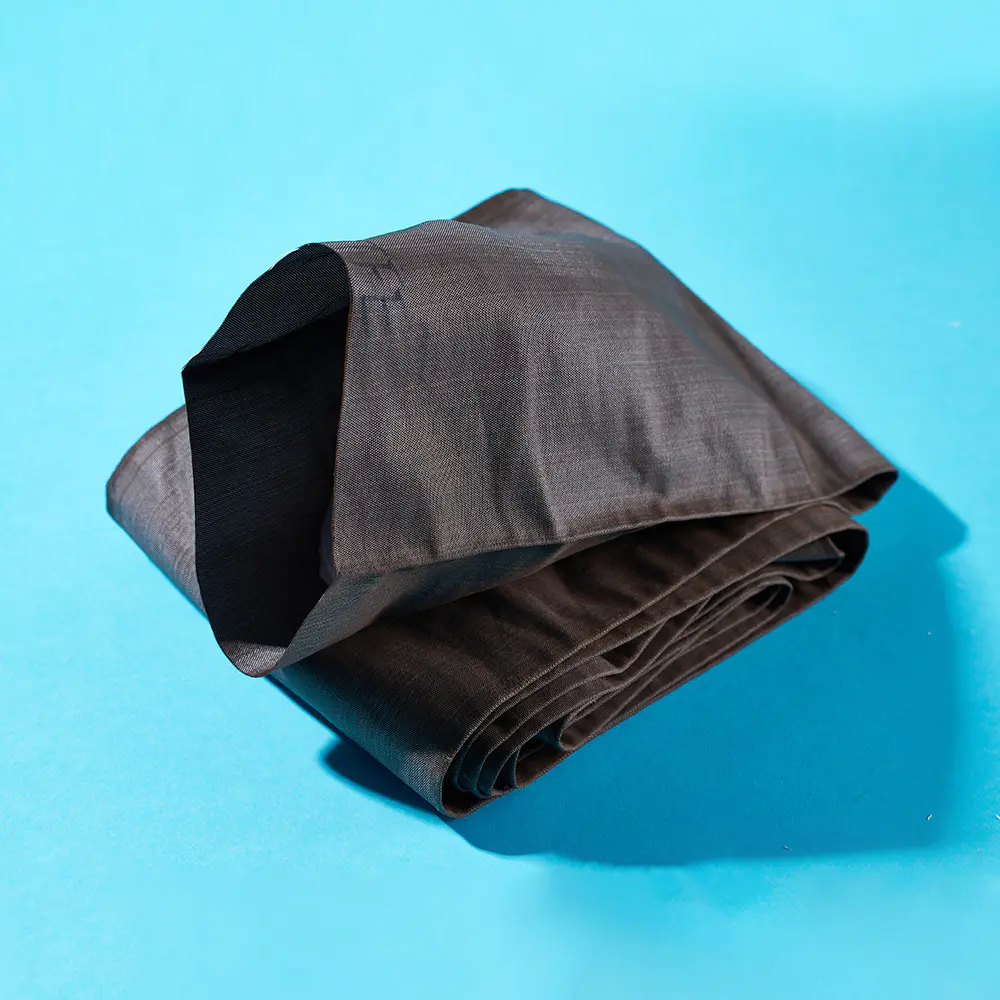
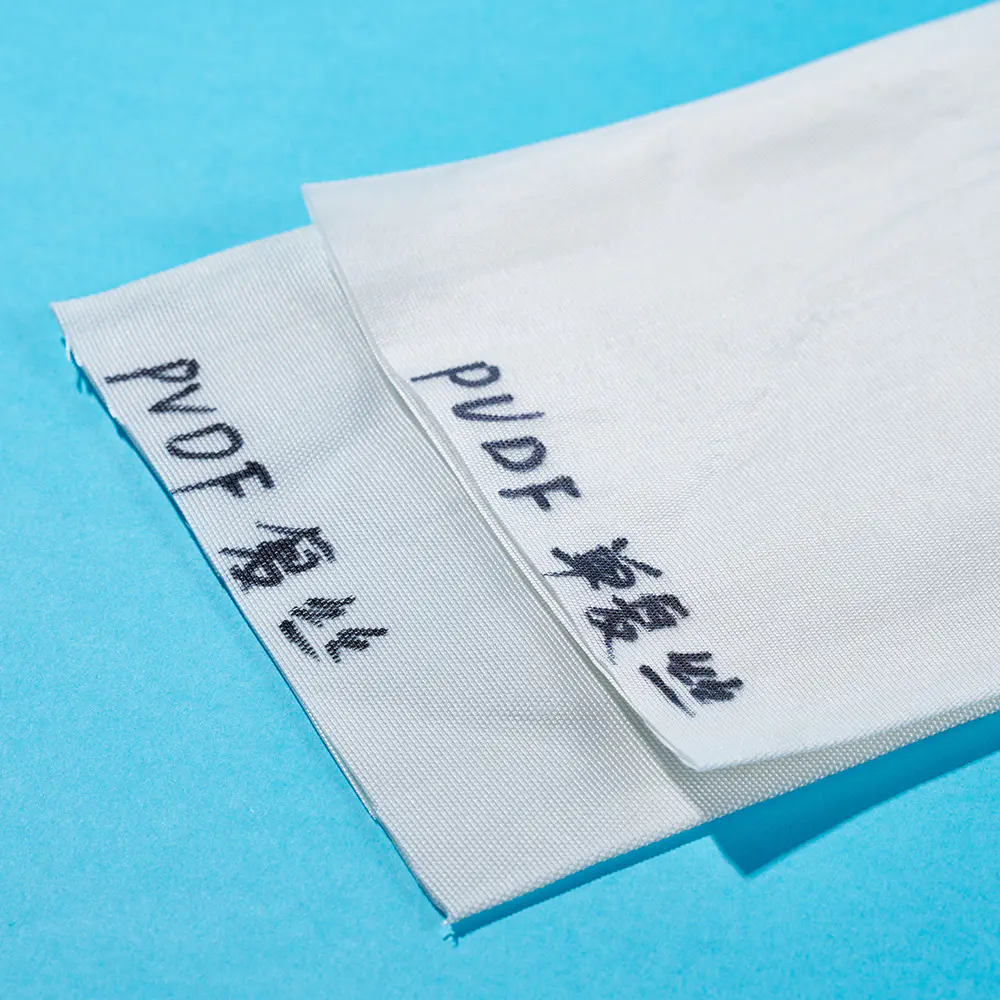
Polypropylene (PP) Mesh Filter Screen offers a polymer-based mesh solution for industrial separation tasks involving liquids and solids. Woven from polypropylene filaments, the material provides controlled openings and chemical resistance suited to a range of process environments.
Filament Material and Weave Construction
Polypropylene (PP) Mesh Filter Screen is formed from continuous polypropylene filaments that are woven into a stable mesh structure. The polymer itself resists many acids, alkalis, and solvents, which supports use in chemical and aqueous systems. Weave patterns such as plain or twill create uniform square openings that determine the particle size retained during filtration.
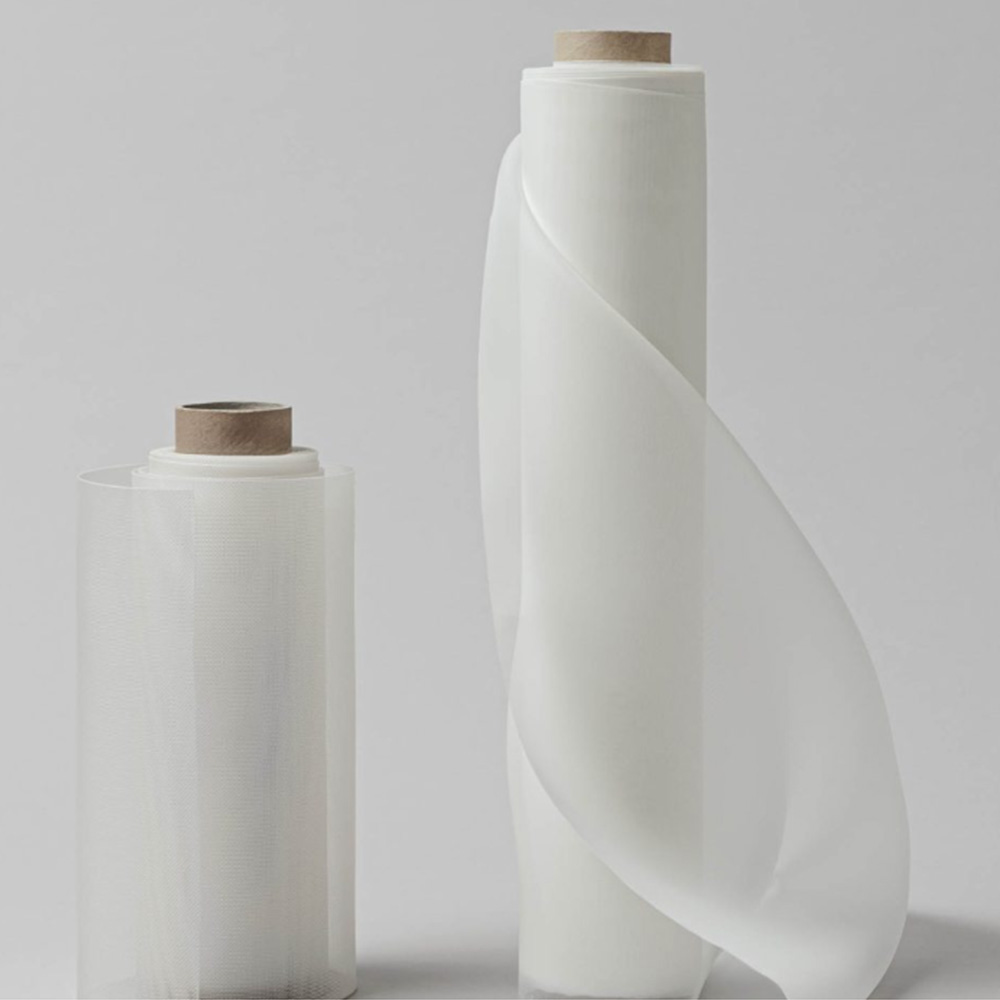
Filament diameter and mesh count are selected together to achieve the required open area and strength. This combination keeps the mesh dimensionally stable under normal operating pressures. The resulting fabric can be supplied in rolls or converted into finished filter elements according to process needs.
Opening Size and Flow Characteristics
Opening size in Polypropylene (PP) Mesh Filter Screen is defined by the mesh count and filament diameter. Smaller openings capture finer particles while larger openings allow higher volumetric flow. The smooth filament surface limits material buildup and helps maintain open area during continuous operation.
Open area percentage influences both throughput and pressure drop across the screen. Buyers can specify nominal opening size along with acceptable tolerance to align the mesh with process particle distributions. These geometric features support consistent separation performance across repeated filtration cycles.
Process Industry Applications
Polypropylene (PP) Mesh Filter Screen is used in water treatment systems, chemical processing lines, and food ingredient handling. It functions as a strainer, process filter, or clarification layer depending on the selected mesh. Agricultural operations also apply the material for irrigation filtration and seed processing.
In beverage and pharmaceutical intermediate stages the screen provides particle control during liquid transfer. The chemical resistance of polypropylene allows the same mesh family to serve in mildly aggressive fluid environments. These varied settings illustrate the practical utility of Polypropylene (PP) Mesh Filter Screen across manufacturing sectors.
Chemical Resistance Profile
Polypropylene provides inherent resistance to a broad range of aqueous and organic fluids within typical temperature limits. Polypropylene (PP) Mesh Filter Screen therefore suits many acid and alkali service conditions without rapid degradation. Temperature capability remains adequate for ambient and moderately elevated process streams.
The polymer does not absorb significant moisture, which helps preserve dimensional stability in wet environments. Compatibility with the specific process fluid guides the final material selection. This resistance profile supports longer service intervals in continuous filtration equipment.
Mesh Specifications and Order Alignment
Mesh count, filament diameter, and open area form the core specifications for Polypropylene (PP) Mesh Filter Screen. These parameters are matched to the particle size and flow rate of the target process. Roll width and length can be adjusted to suit cutting or fabricating equipment at the buyer’s site.
Factories produce both standard and custom mesh counts to cover common and specialized filtration requirements. Providing process details such as fluid type, temperature range, and target particle size assists in confirming the appropriate mesh configuration. This alignment supports efficient integration into existing filtration systems.
Polypropylene (PP) Mesh Filter Screen continues to serve as a functional filtration medium for industrial separation tasks. Its polymer properties, controlled openings, and conversion flexibility support steady particle retention and flow performance. When process lines require a chemically resistant mesh with defined geometry, this type of screen provides a practical material option for ongoing operations.