عربى
عربى
What a Sewing Unit Filter Bag Does
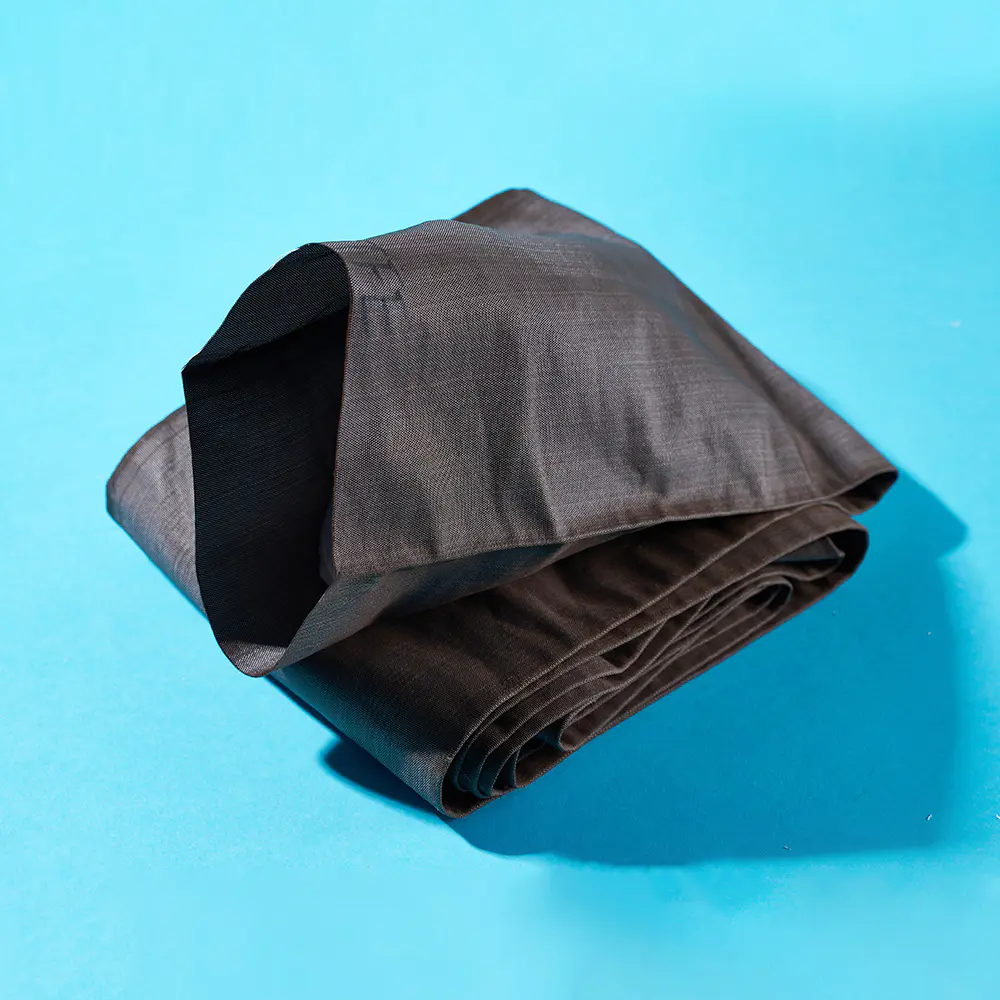
Dust collection systems pull air through fabric media that traps particles before clean air moves on. A sewing unit filter bag refers to a filter bag assembled by stitching fabric panels together rather than bonding them with heat or adhesive. Seams run along the length of the bag, joining flat fabric into a cylindrical or pocket shape that fits inside a baghouse frame or cage.
Sewn construction gives fabricators a way to work with a wide range of filter media, including heavier felt and woven fabrics that don't always bond cleanly under heat. Needle and thread pull double duty here — thread choice affects seam strength, and stitch pattern affects how tightly the seam holds under repeated pulse-jet cleaning cycles. A sewing unit filter bag built for continuous industrial duty needs seams that resist pulling apart under that constant flex.
How the Construction Process Works
Fabric rolls get cut to size before assembly begins, with panel dimensions matching the target bag length and diameter. Operators feed panels through industrial sewing machines designed for heavy fabric, running multiple stitch passes along seam lines for added strength. Bottom caps, top cuffs, and cage-support rings get attached during this stage too, turning flat fabric into a finished, ready-to-install filter bag.
Stitch density and thread type vary depending on fabric weight and expected operating conditions. Polyester thread works for moderate-temperature applications, while heavier felt bags handling abrasive dust sometimes call for reinforced double-stitched seams. Quality control at this stage focuses on seam consistency, since a weak stitch line becomes the first point of failure once the bag goes into service.
Materials Commonly Paired With This Method
Several fabric types pair naturally with a sewing unit filter bag approach, largely because sewn seams accommodate thicker or coarser weaves that welded seams struggle to handle cleanly:
- Polyester felt for general dust collection duty
- Fiberglass fabric for higher-temperature exhaust streams
- Aramid blends for abrasive or hot particulate loads
Fabric weight typically runs heavier in sewn bags than in bonded alternatives, since thicker felt holds up better under needle penetration without tearing along the seam. Coating options, such as PTFE membrane layers, sometimes get applied to the fabric surface before assembly, giving the finished bag added surface release properties once installed.
Industries That Rely on These Bags
Cement plants, foundries, grain handling facilities, and woodworking shops all generate fine particulate that needs capturing before exhaust air leaves the building. A sewing unit filter bag fits into pulse-jet or reverse-air baghouse systems across these settings, cycling through repeated cleaning pulses that knock accumulated dust off the fabric surface and back into a collection hopper.
Metalworking and mineral processing operations also depend on sturdy filter bags, given the abrasive nature of the particulate involved. Sewn seams tend to hold up under that abrasive load better than bonded alternatives in some fabric combinations, which pushes fabricators toward stitched construction when heavier or coarser media gets specified for a project.
Choosing the Right Filter Bag for Your System
Selecting a sewing unit filter bag starts from matching fabric type and bag dimensions to the baghouse equipment already installed. Cage diameter, bag length, and top cuff style all need to line up with existing hardware, so buyers typically supply exact measurements alongside operating temperature and dust characteristics when placing an order.
Airflow volume and cleaning cycle frequency also shape fabric selection. A system running near-continuous pulse cleaning puts more mechanical stress on seams than one cycling occasionally, so operators running heavier-duty baghouses often specify reinforced stitching or thicker felt from the start. Talking to a fabricator about actual operating conditions, rather than ordering a generic filter bag off a catalog page, tends to produce a better match between the finished product and daily plant demands.