عربى
عربى
Composition of the Material
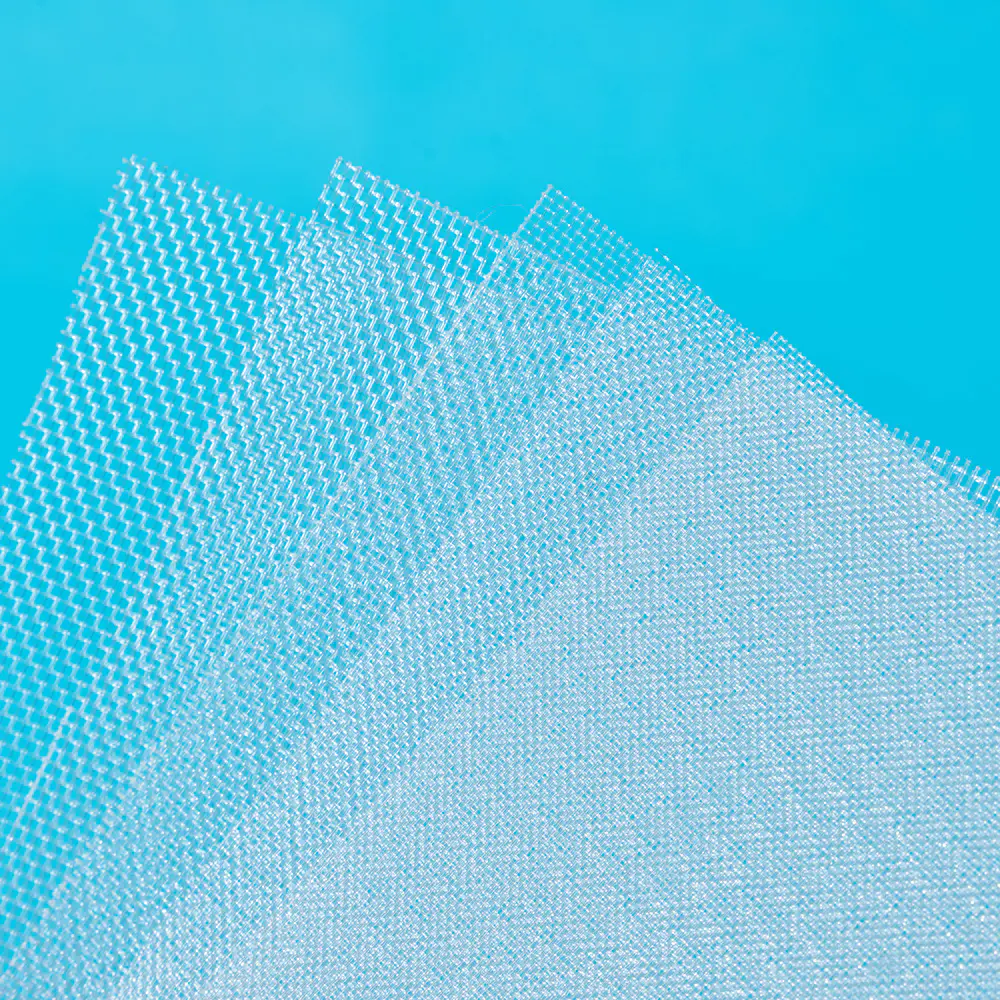
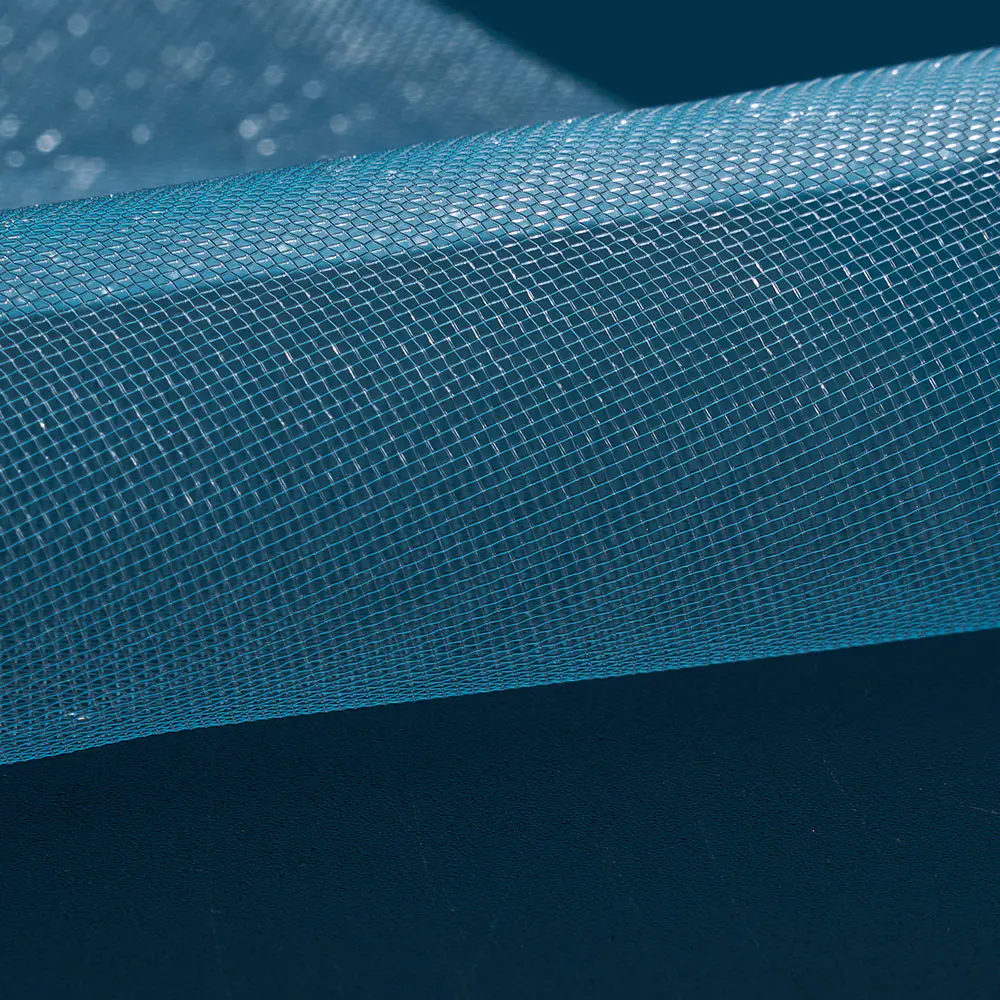
Manufacturers form multifilament filter textile by extruding synthetic polymers into numerous fine threads. These threads are then twisted into yarns or arranged in parallel groups before weaving or knitting. The multiple filaments within each yarn increase the surface area available for particle capture. Common base materials include polyester, polypropylene, and other polymers chosen for chemical resistance and mechanical strength under operating conditions.
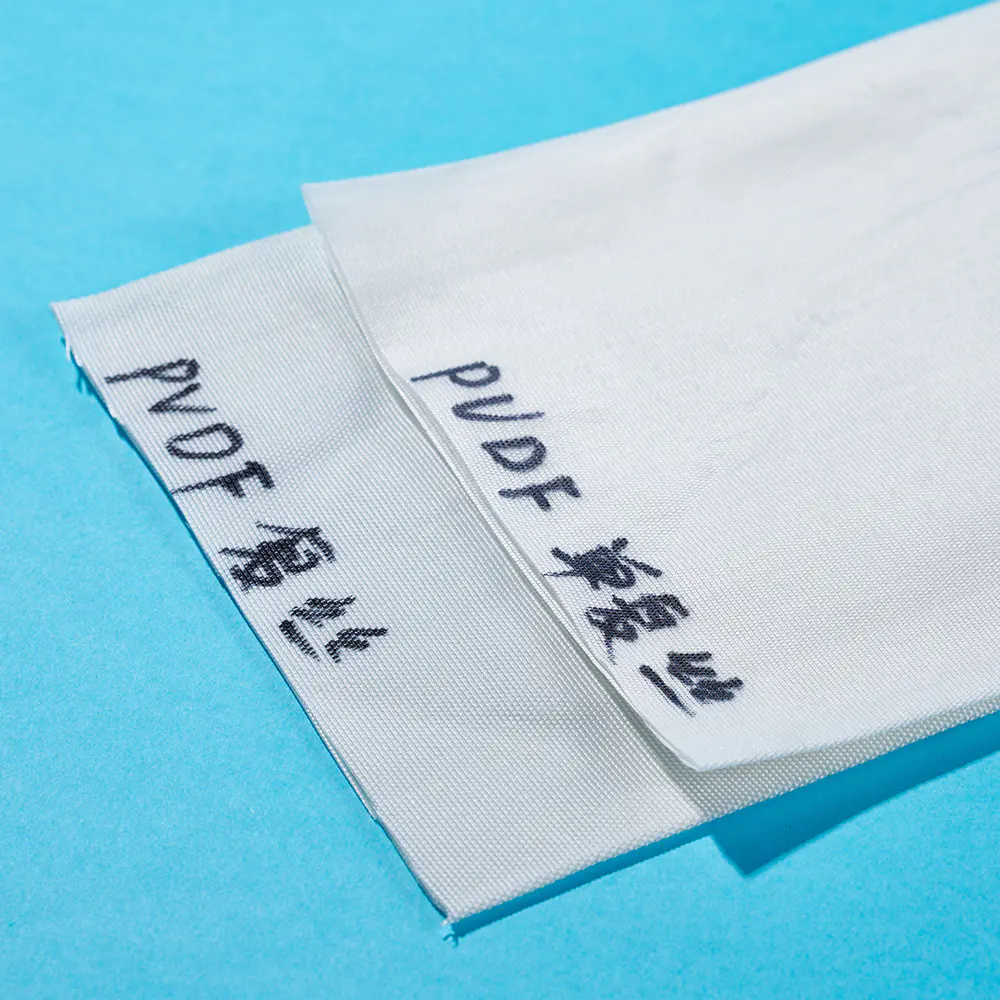
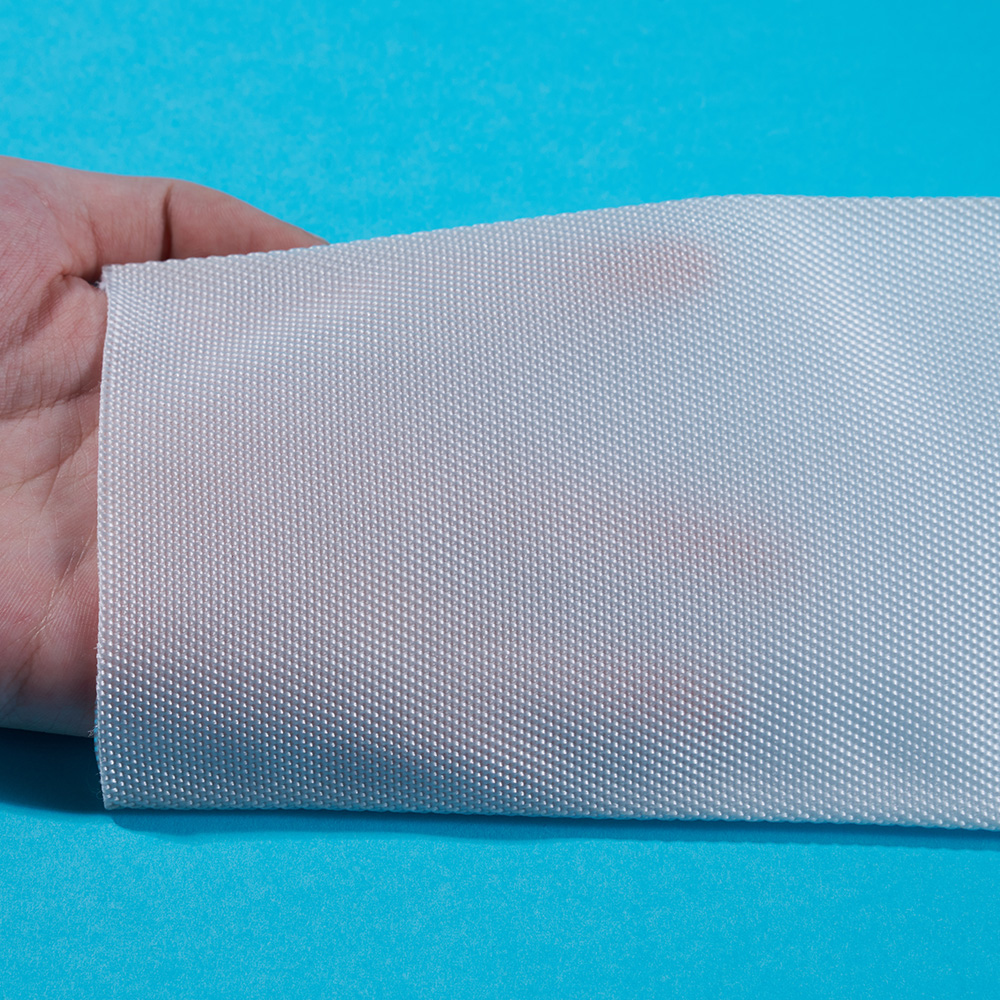
The textile can be produced in various weaves such as plain, twill, or satin. Each weave pattern influences the size and distribution of the pores. In a plain weave the filaments cross at right angles in a simple over-under pattern, producing relatively uniform openings. Twill weaves create diagonal lines that can offer greater flexibility and different flow characteristics. The choice of weave depends on the particle size range and the fluid viscosity the system will handle.
Typical Industrial Settings
Multifilament filter textile finds use in process filtration across several sectors. In chemical processing it separates catalysts or precipitated solids from reaction mixtures. Food and beverage plants employ it for clarifying juices or removing fine solids from process water. In metalworking operations the same type of media helps clean coolants and cutting fluids by capturing metal particles and grinding debris.
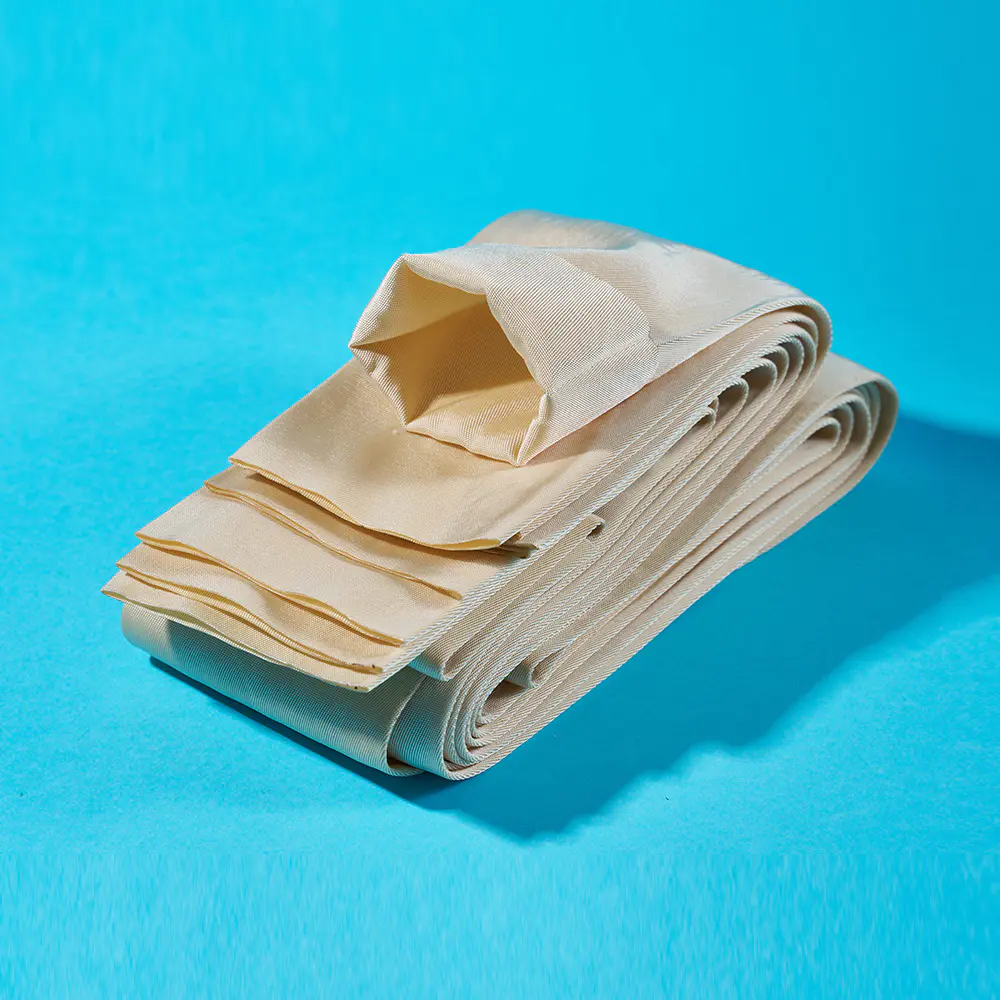
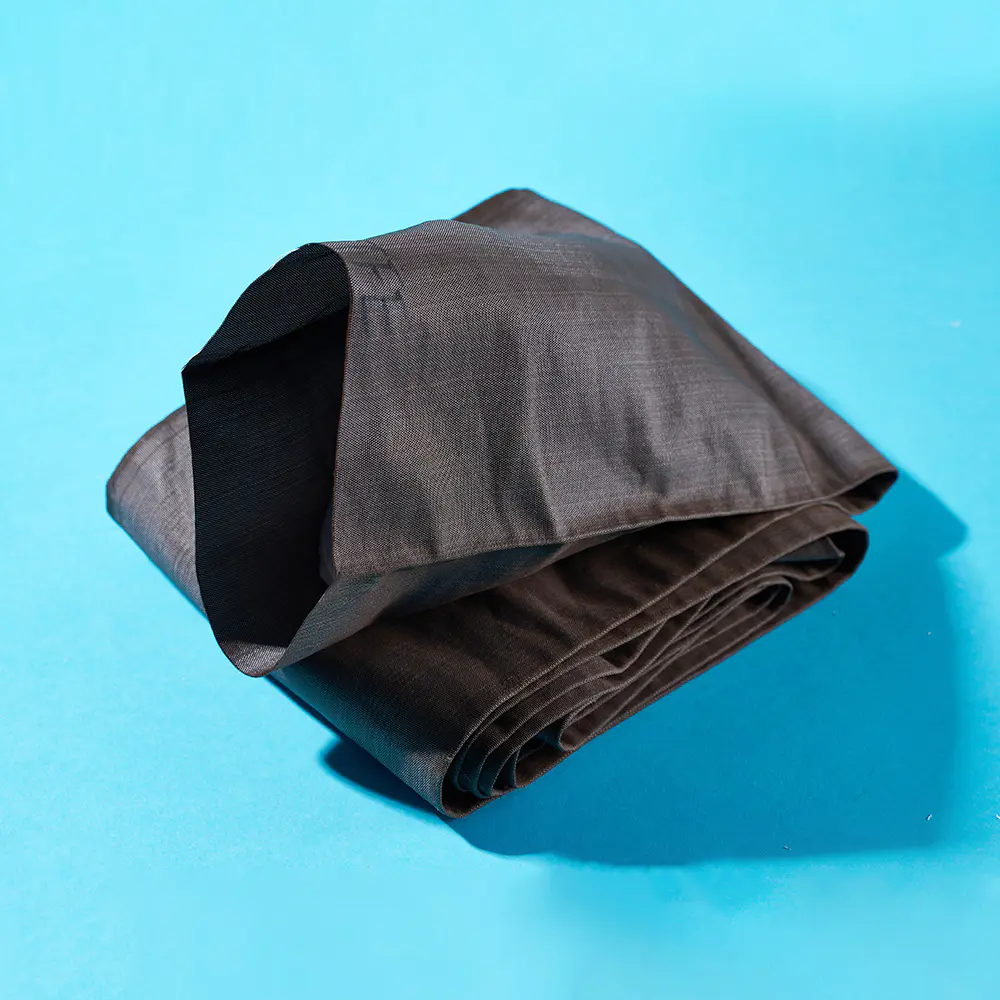
The textile can be fabricated into filter bags, cartridges, or flat sheets that fit into existing housings. Bag filters made from multifilament filter textile are common in systems that handle moderate solid loads. Cartridge formats allow higher surface area in a compact volume. Flat sheets serve in plate-and-frame or belt filter presses where the media must withstand mechanical pressure during cake formation and discharge.
Structural Advantages in Operation
One practical feature of multifilament filter textile is the balance between strength and porosity. The multiple filaments share the mechanical load, giving the fabric resistance to tearing under tension. At the same time the spaces between filaments remain open enough for acceptable flow rates. This combination supports repeated use in systems that cycle between filtration and cleaning phases.
The surface texture created by the grouped filaments can also influence cake release. In some applications a relatively smooth outer surface helps the collected solids detach more readily during backwashing or mechanical removal. Interior filaments continue to provide depth filtration, so overall retention stays consistent across cycles.
Factors in Material Selection
Engineers match the multifilament filter textile to process conditions by considering filament diameter, yarn construction, and finishing treatments. Finer filaments produce smaller effective pore sizes and higher particle retention. Coarser constructions favor higher flow and greater dirt-holding volume. Heat-setting or calendaring can stabilize the fabric dimensions and adjust surface smoothness.
Chemical compatibility remains essential. The polymer must resist degradation from the process fluid at the expected temperature. Mechanical strength must also match the differential pressure and any flexing that occurs during operation. Once these parameters are defined, the textile can be cut and sewn or welded into the required filter element shape.
Multifilament filter textile provides a versatile option for industrial solid-liquid and solid-gas separation. Its multi-strand construction creates a network suited to particle capture, while the choice of polymer and weave allows adaptation to varied process demands. When matched to the fluid, solids, and operating pressures of a given system, the material contributes reliable filtration performance in everyday industrial service.