عربى

How Woven Filter Mesh Supports Process Control
Filtration is an important step in many industrial processes, from separating suspended particles in liquid streams to screening materials during production. The mesh structure, polymer properties, and opening size all influence how a filter performs under specific operating conditions. Selecting a suitable material requires an understanding of both the process medium and the required filtration result.
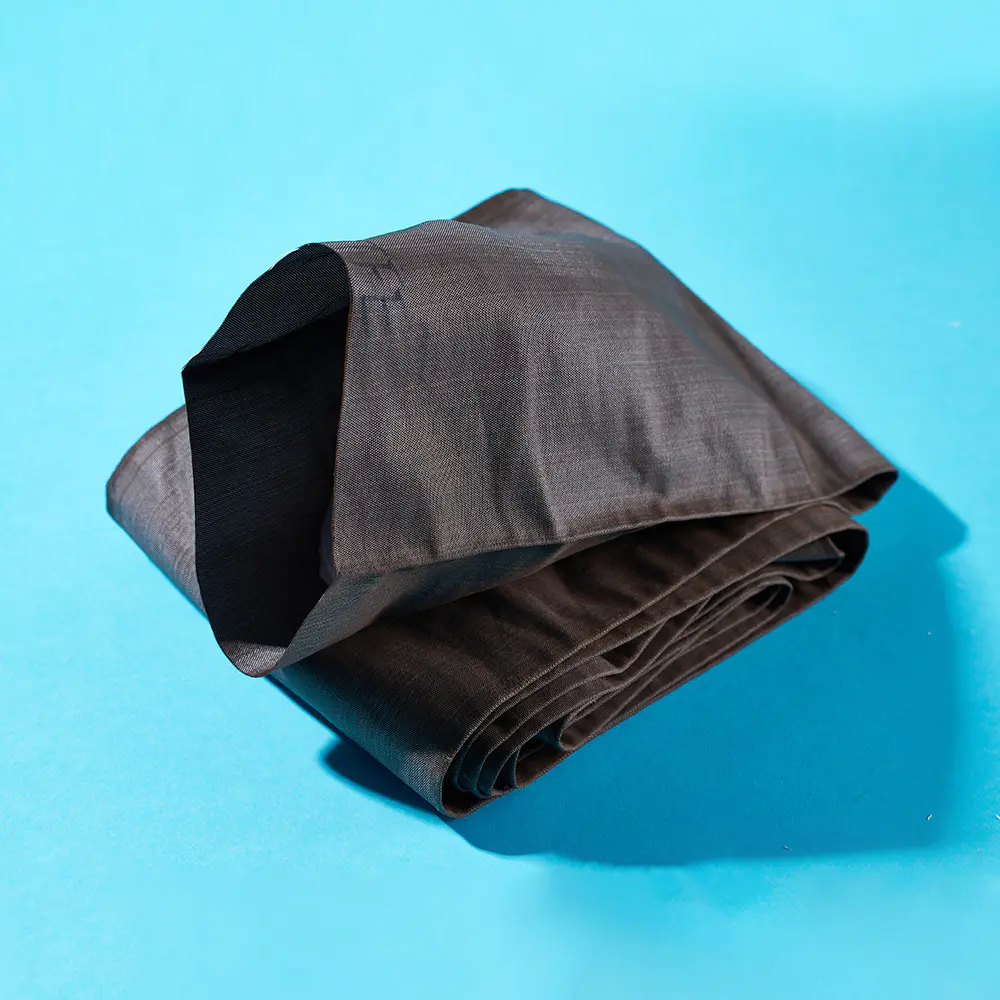
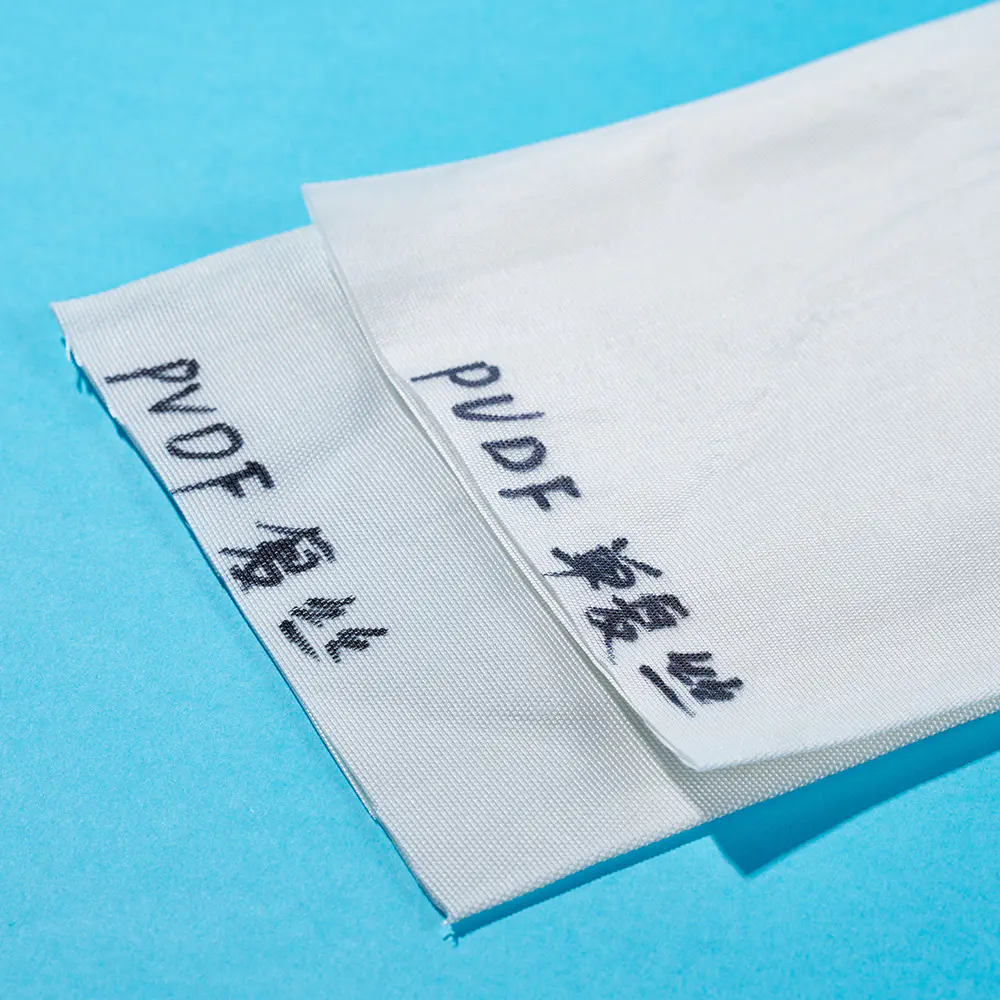
Polyvinylidene Fluoride (PFA) Woven Filter Mesh is a term used to describe polymer-based woven filtration media, although the material name requires clarification. PFA generally refers to perfluoroalkoxy alkane, while polyvinylidene fluoride is commonly abbreviated as PVDF. These are different fluoropolymers with distinct properties. Manufacturers and purchasers should confirm the intended polymer before specifying a mesh for industrial use.
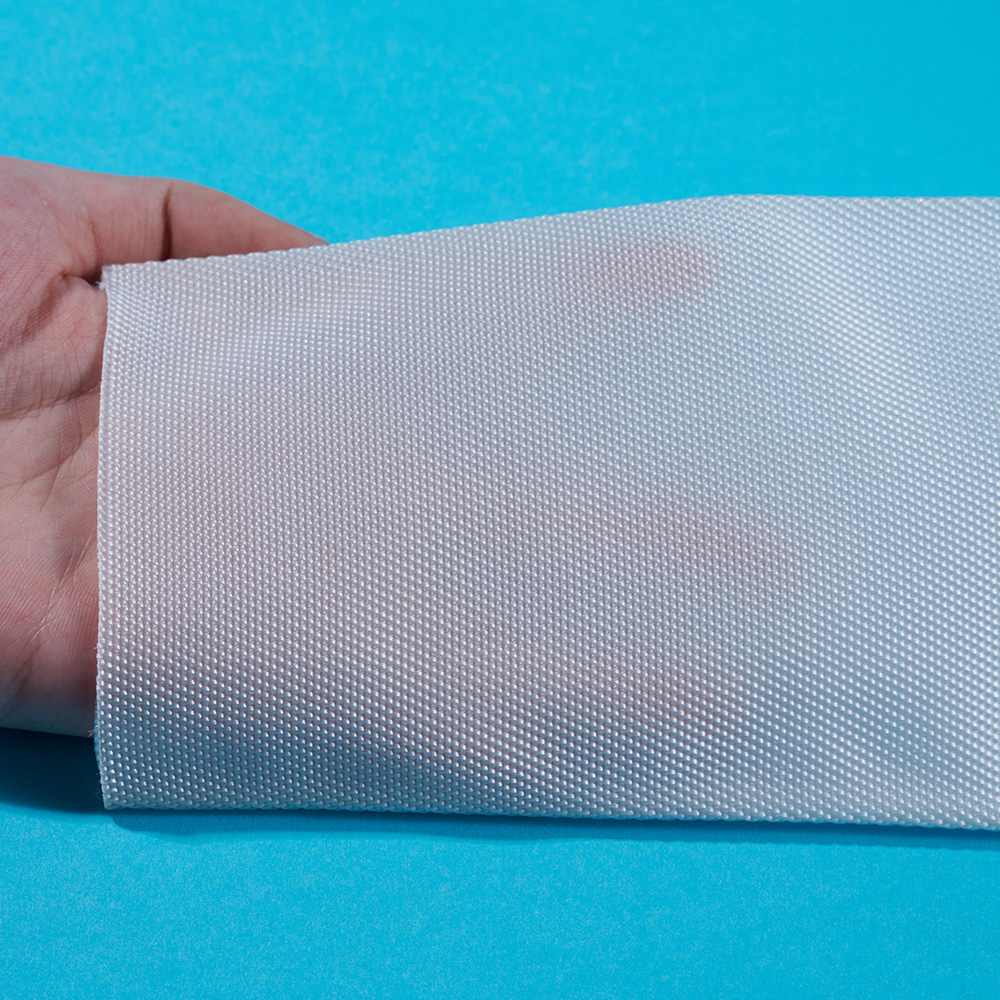
Woven filter mesh is produced by interlacing strands in a regular pattern. This structure creates openings that allow fluid or gas to pass while retaining particles according to the mesh design. The final performance depends on material selection, strand diameter, weave pattern, and opening dimensions.
Why Polymer Selection Matters
Industrial filtration media may encounter chemical solutions, process liquids, elevated temperatures, or repeated pressure changes. Polymer selection affects how the mesh responds to these conditions.
PFA is known for its chemical resistance and ability to perform in demanding thermal environments. PVDF also offers chemical resistance and mechanical properties that make it suitable for various industrial applications. However, their behavior differs according to the specific chemical, temperature, concentration, and operating conditions.
When evaluating Polyvinylidene Fluoride (PFA) Woven Filter Mesh, technical specifications should identify the actual polymer rather than combine two different material names. This distinction helps prevent confusion during product sourcing and supports more accurate comparisons between filtration products.
Other material characteristics to consider include:
- Chemical compatibility: Whether the polymer can withstand the process medium under actual operating conditions.
- Temperature range: The temperatures encountered during filtration and processing.
- Mechanical strength: The ability of the woven structure to withstand expected loads.
- Dimensional stability: The capacity to retain its intended shape during use.
These factors help determine whether a particular mesh construction fits the requirements of an industrial process.
Weave Structure and Filtration Accuracy
The weave pattern determines how strands cross each other and how openings are distributed across the mesh surface. Plain weave is commonly used for regular filtration structures, while other weave configurations may be selected for specific mechanical or flow requirements.
Mesh count is one specification used to describe woven filter products. It generally refers to the number of openings or threads within a defined length, depending on the manufacturer's convention. However, mesh count alone does not fully describe filtration performance.
Opening size and strand diameter are also important. Two meshes with the same nominal mesh count may have different openings if their strand diameters differ. For applications requiring consistent particle separation, manufacturers should provide clear aperture dimensions and relevant tolerance information.
Polyvinylidene Fluoride (PFA) Woven Filter Mesh specifications should therefore describe the weave structure and actual polymer grade alongside the nominal mesh count. This information gives process engineers a clearer basis for evaluating filtration capacity and particle retention.
Industrial Applications Across Different Processes
Polyvinylidene Fluoride (PFA) Woven Filter Mesh can serve in filtration and separation operations across chemical processing, liquid handling, laboratory equipment, and specialized manufacturing. The appropriate configuration depends on the material being filtered and the conditions in which the mesh operates.
Potential applications include:
- Chemical processing: Screening selected process liquids and separating suspended particles where polymer compatibility has been established.
- Industrial liquid filtration: Supporting filtration stages in production lines that handle compatible liquids.
- Laboratory equipment: Providing a defined mesh opening for selected separation procedures.
- Specialized manufacturing: Serving as a screening layer in equipment designed for particular process materials.
The exact suitability of a fluoropolymer mesh depends on its verified composition and operating specifications. A product described with an unclear material designation should be reviewed before it is assigned to a particular process.