عربى

In filtration plants, the fabric doing the actual separating rarely gets attention. Multifilament Filter Cloth works quietly inside filter presses, belt filters, and dust collectors, holding back solids while liquid or air passes through. Buyers who understand yarn construction and weave structure tend to place orders with fewer surprises.
Fiber and Yarn Basics
At the material level, Multifilament Filter Cloth is defined by its yarn: many fine continuous filaments, twisted or bundled together, then woven into fabric. Polyester and polypropylene dominate industrial orders because they combine strength with broad chemical tolerance. Polyester handles higher temperatures and resists stretching under load, while polypropylene shrugs off acids and alkalis that would weaken other fibers. Nylon appears where abrasion resistance matters, and specialty fibers serve niche processes with extreme conditions.
Yarn construction carries its own variables. Filament count, twist level, and single versus ply structure all change how the yarn packs into a weave. A loosely twisted yarn builds a more permeable fabric; a harder twist produces a denser, smoother surface. After weaving, heat setting stabilizes the structure so the cloth holds its dimensions under tension on the machine instead of elongating cycle after cycle.
Weave Patterns and Fabric Structure
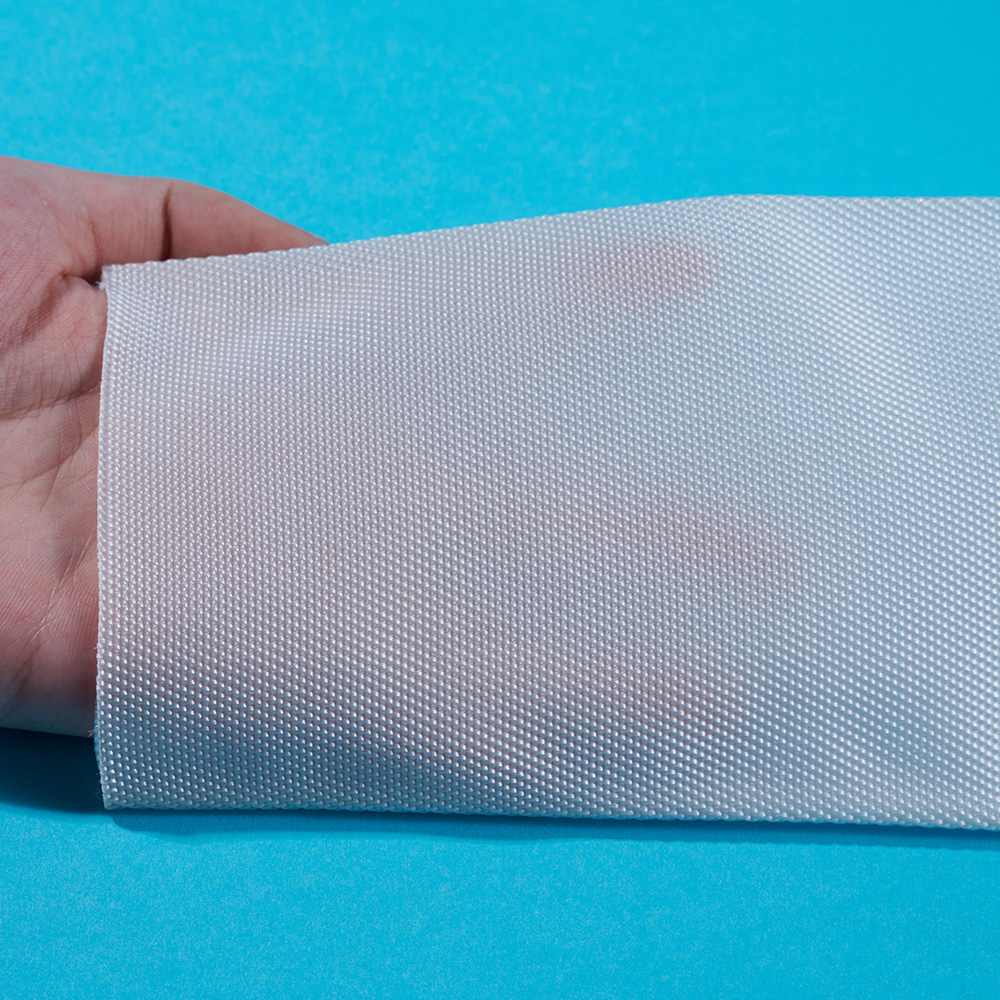
Weave choice shapes what Multifilament Filter Cloth can do in the field. Plain weave, with its simple over-under pattern, gives a tight and stable surface suited to fine particle retention. Twill weaves trade some tightness for flexibility and improved cake release, which suits sticky solids. Satin weaves create a very smooth face that releases filter cake cleanly, a property valued in short-cycle operations where every second of discharge time counts.
Structure is quantified through thread count, yarn diameter, and air permeability measured in liters per square meter per second. These numbers let engineers match fabric to process without guesswork. A cloth with high permeability processes volume quickly but may let fine particles pass; a dense cloth retains fines but loads the pump harder. Heat setting and calendering then lock the chosen structure in place before the cloth is cut and edged.
Filtration Behavior in Service
Once installed, Multifilament Filter Cloth must balance two jobs at once: retaining solids and letting fluid through. During a cycle, particles accumulate on the cloth surface and form a cake layer that does much of the actual filtering. The cloth's surface texture influences how that cake builds and, just as importantly, how it releases when the cycle ends. A surface that releases cleanly shortens discharge time and keeps cycles consistent.
Two failure modes drive specification work. Blinding occurs when fine particles lodge deep in the weave and gradually choke permeability, so yarn fineness and weave openness must match the particle size distribution. Mechanical issues—tracking problems on belt filters, seal leaks at gaskets—often trace back to edge finishing and dimensional stability rather than the weave itself. Suppliers address both through finishing choices and precise edge treatments.
Applications Across Industries
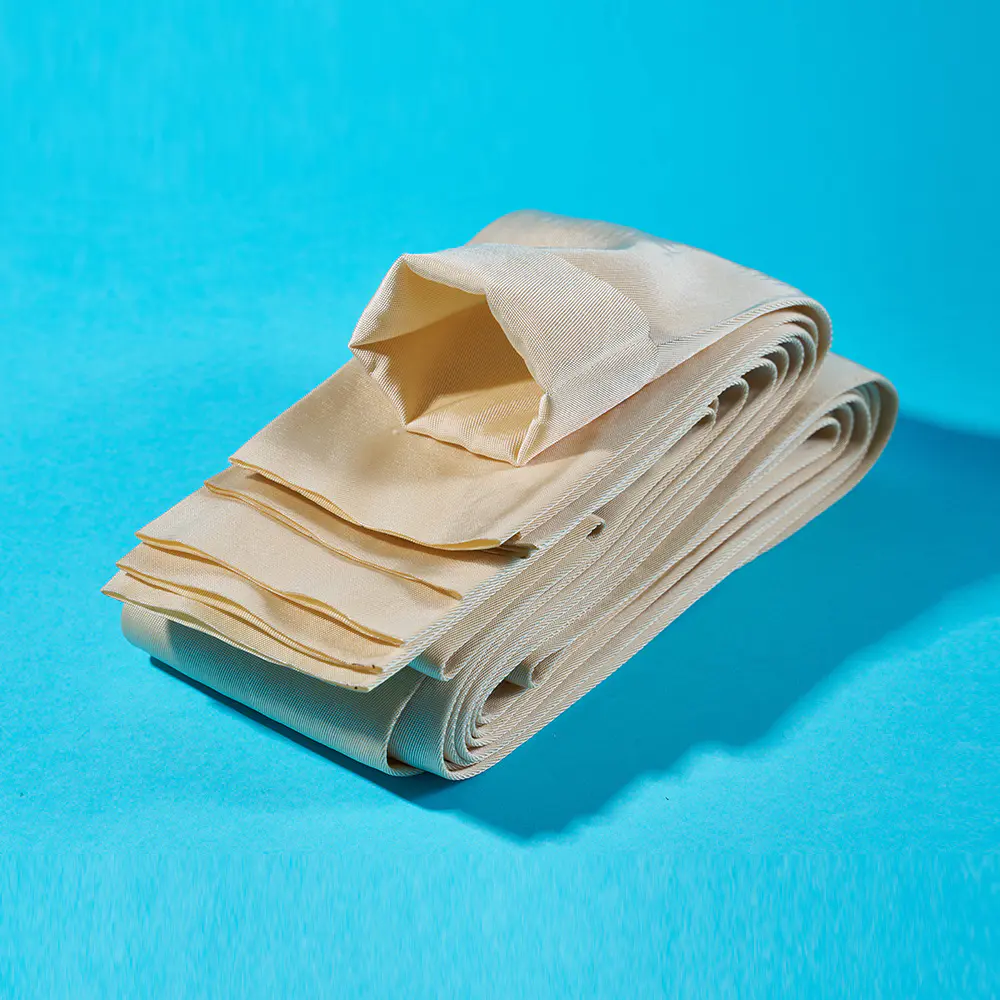
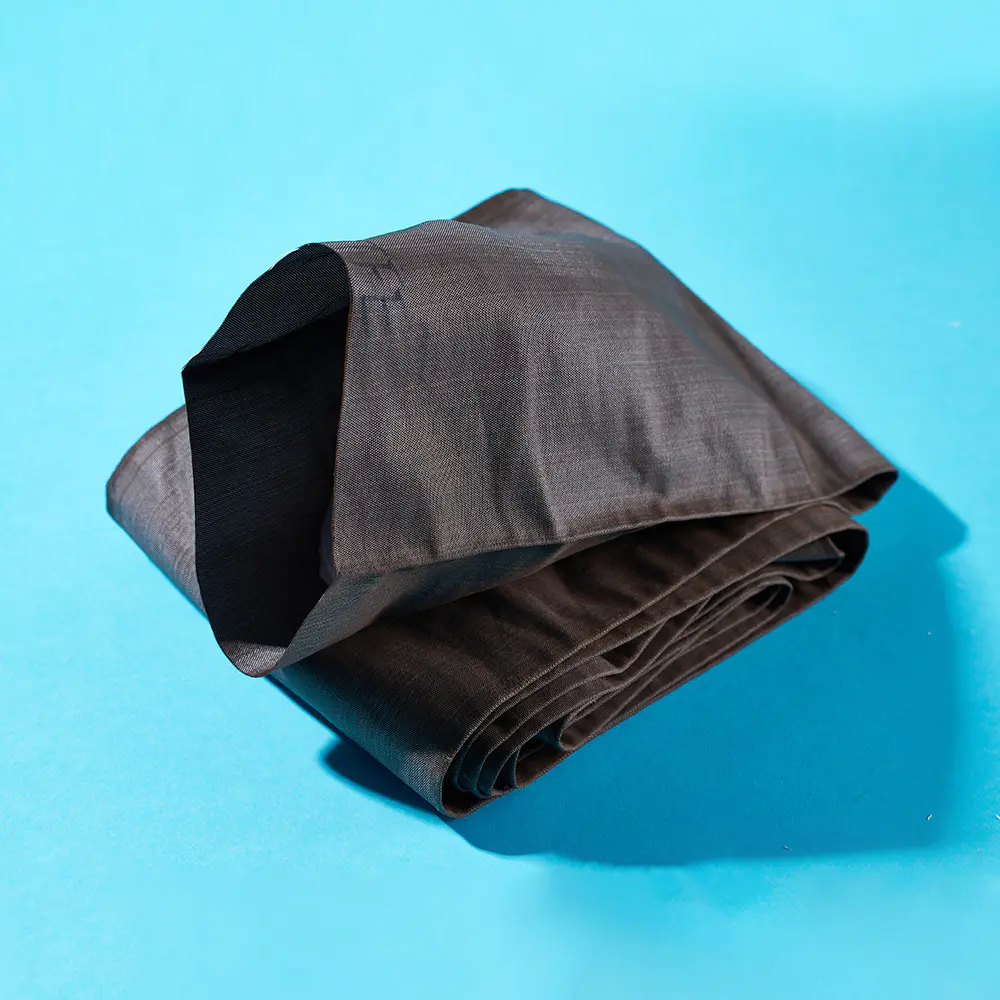
Demand for Multifilament Filter Cloth spans a wide industrial map. Mining operations dewater tailings and concentrates in large filter presses. Chemical processors separate catalysts and crystalline products. Food producers clarify starches, juices, and edible oils using fibers chosen for their process compatibility. Municipal and industrial facilities dewater sludge before disposal or further handling. Cement plants and foundries capture dust in baghouse systems built from the same woven technology.
Each setting pulls specifications in a different direction. Abrasion from mineral slurries pushes buyers toward heavier yarns and robust weaves. Aggressive chemistry pushes fiber selection toward polypropylene or specialty polymers. Short, fast cycles reward smooth satin surfaces, while long cycles with heavy cakes favor the strength of plain and twill weaves. This variety explains why suppliers keep dozens of base constructions in production at any time.