عربى
عربى
Filtration Starts With the Mesh
When an industrial filtration process produces an inconsistent result, attention often goes straight to the machine. Yet the screen itself can have a significant influence on what passes through and what stays behind.
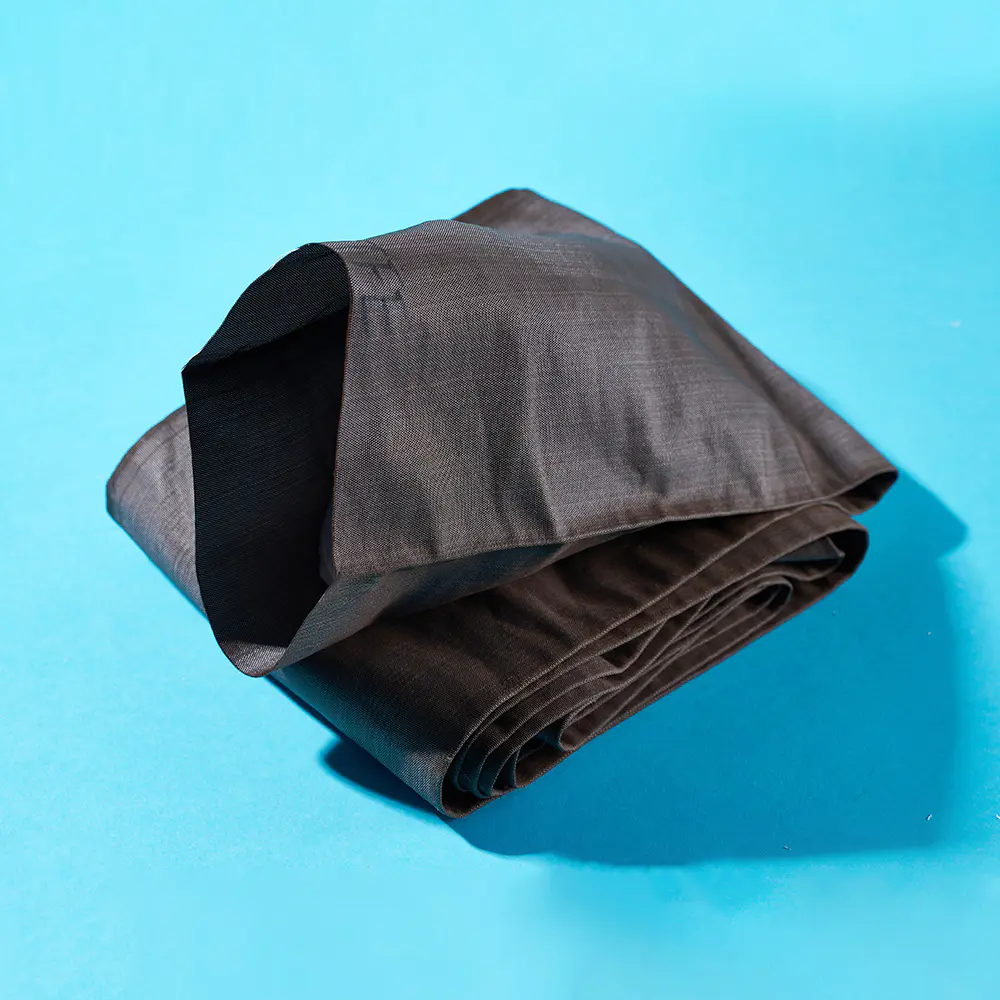
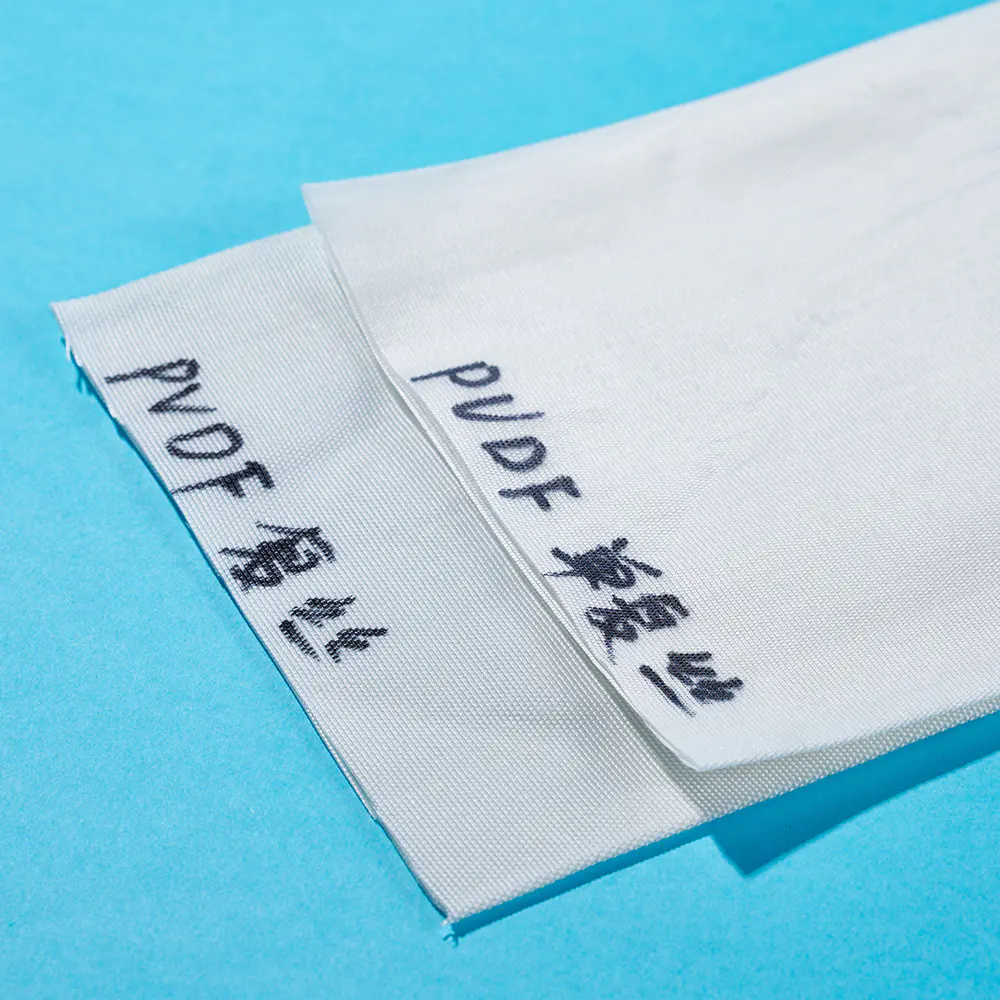
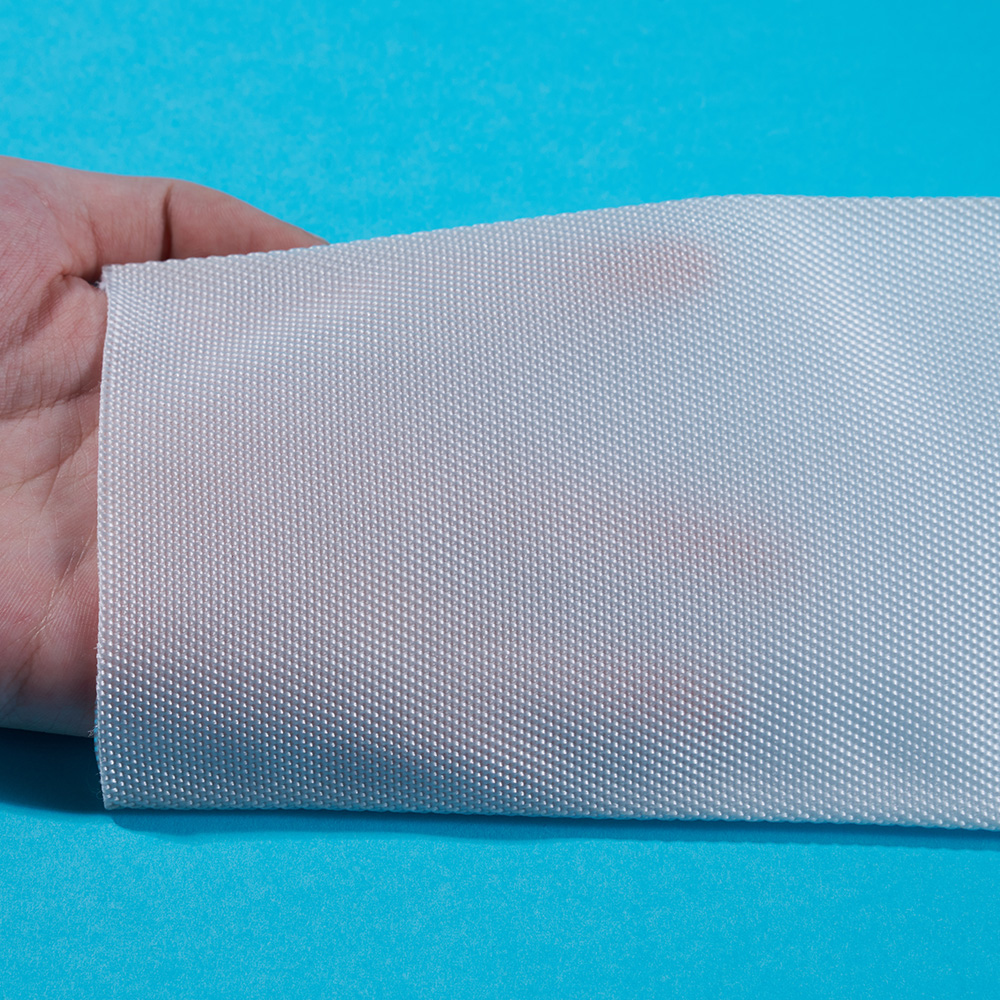
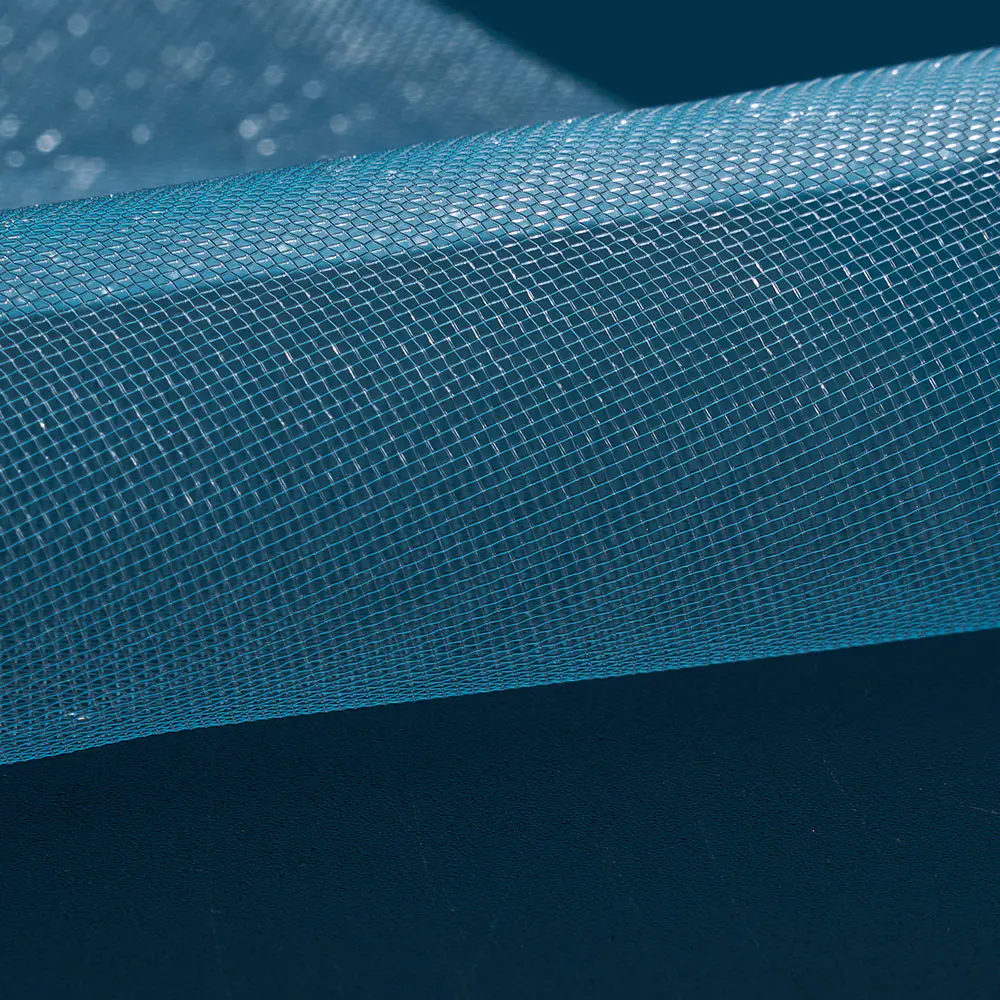
A Monofilament Filter Screen takes a relatively straightforward approach. Each mesh wire is formed from a single continuous filament rather than several smaller filaments twisted together. This gives the mesh a clear and regular opening structure that can be useful when particle separation needs to remain consistent across a working area.
The concept sounds simple, but the details behind that simple structure are where things become interesting.
One Filament Creates a Different Mesh Structure
Traditional textile structures can use multiple strands to form individual yarns. Monofilament mesh takes another route. Each wire acts as an individual element within the woven structure.
The result is a screen surface made from clearly defined openings. Mesh count, filament diameter, weaving pattern, and opening size all influence how material interacts with the screen.
For manufacturers, controlling these dimensions is an important part of production. A small change in filament diameter can alter the available opening area, screen density, and overall mechanical characteristics.
That is why Monofilament Filter Screen is not simply a matter of choosing a mesh number. The relationship between wire diameter and opening size also needs consideration.
Surface Smoothness Changes Material Flow
One interesting feature of monofilament mesh is its relatively smooth wire surface.
During filtration, particles come into contact with the mesh as material moves across the screen. A smooth surface can reduce places where particles become trapped compared with a more complicated yarn structure.
This characteristic can be useful in processes involving powders, liquids, coatings, inks, chemicals, food-processing materials, and other industrial substances.
The screen opening also has a role in material flow. When openings are uniform, particles encounter a more predictable screening surface. This can make the separation process easier to control.
Mesh Opening Is More Important Than It Looks
Two screens can appear almost identical at first glance yet behave differently during filtration.
The reason may come down to the relationship between mesh count and filament diameter. Increasing the number of openings does not automatically produce the same filtration behavior because the thickness of the filament also changes the available open area.
Manufacturers therefore produce Monofilament Filter Screen in different mesh configurations for different separation requirements.
Fine mesh can target smaller particles, whereas larger openings allow greater material flow. The appropriate structure depends on the substance being processed and the desired separation range.
Where the Screen Meets the Machine
A filter screen rarely works alone. Its performance is also influenced by the equipment surrounding it.
In industrial machines, mesh may be installed across frames, filter plates, cylindrical structures, or other supporting components. The screen needs to fit the intended geometry without changing the designed opening pattern.
This is particularly relevant for custom industrial equipment. A screen designed for one machine may require different dimensions from a screen used in another.
For this reason, commercial buyers often look beyond mesh count when selecting Monofilament Filter Screen. Width, length, roll format, opening size, filament diameter, and weaving structure can all become part of the specification.
Printing and Screening Are Two Different Jobs
The same basic mesh concept can appear in applications that do not look related at first.
Screen printing, for example, relies on controlled openings to regulate the movement of ink. Industrial filtration uses mesh openings to separate particles or substances.
The underlying principle is similar: the screen creates a controlled passage.
This explains why monofilament mesh appears across different manufacturing fields. Its predictable structure can be adapted to processes where repeatable openings matter.
The appeal of Monofilament Filter Screen comes partly from its uncomplicated construction. A single filament forms each mesh wire, yet that basic idea creates plenty of room for engineering choices.