عربى
عربى
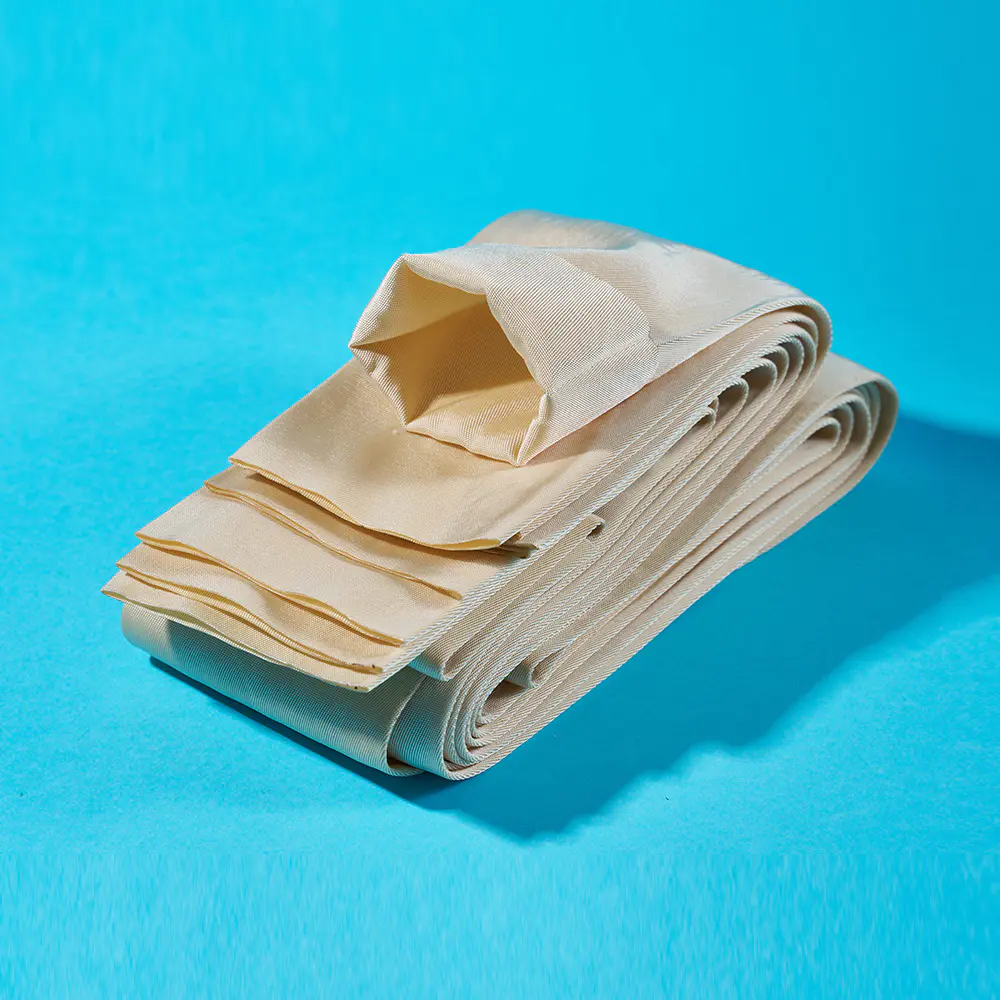
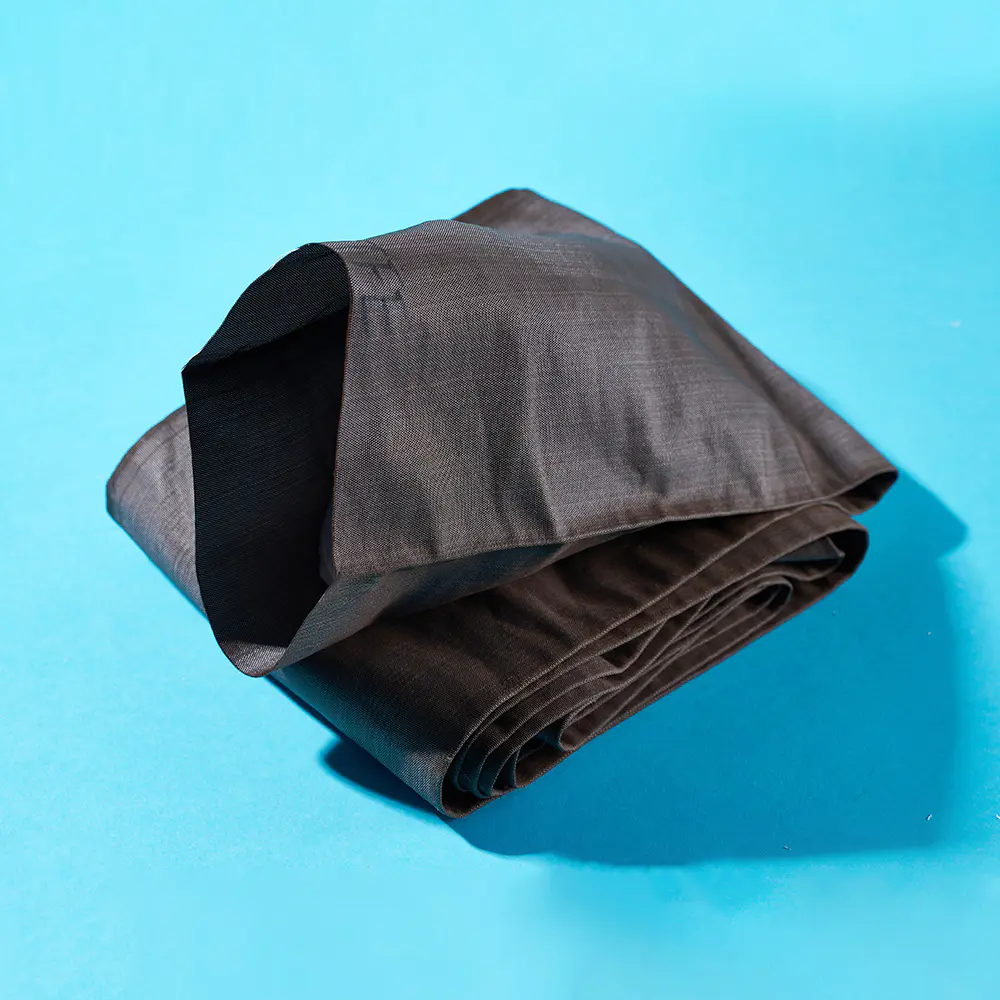
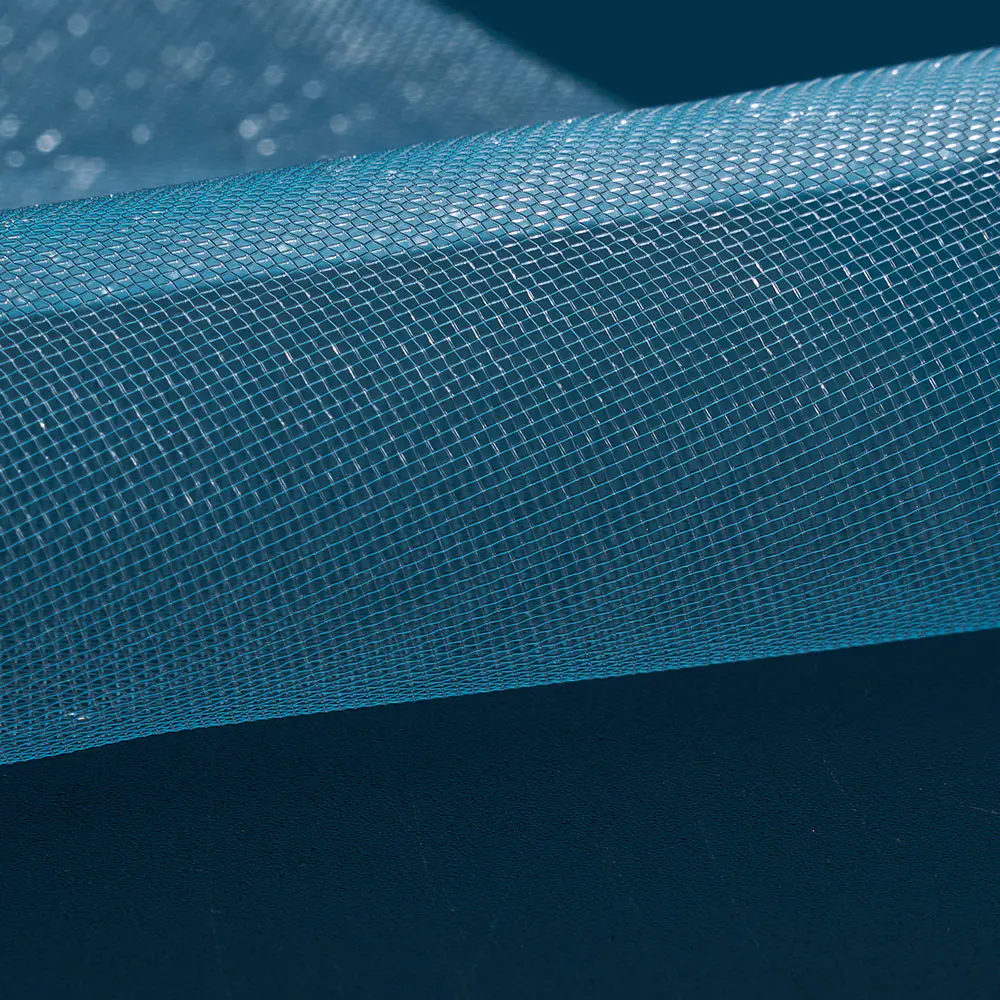
Every filter press has a spot where things tend to go wrong first — and it's usually the seam. A conventional filter cloth is woven flat and then joined at the edges to form a loop or sleeve, and that joint, however carefully sewn, is a break in an otherwise continuous weave. PPS seamless filter cloth removes that joint entirely, weaving the fabric as one continuous tube from the start. It sounds like a small manufacturing detail. In practice, it changes how the cloth behaves under pressure.
Why the Seam Was Ever a Problem
A stitched or glued seam introduces a few things a plain weave doesn't have: extra thread bulk, a slight thickness change, and a line along which fibers have been pierced or bonded rather than woven through. Under repeated pressure cycles in a filter press, that seam area tends to wear faster than the surrounding fabric. Particles can also work their way through stitch holes more easily than through the tight weave elsewhere on the cloth, which shows up as reduced filtration precision right at that seam line over time.
Seamless construction avoids the issue at the source — there's no joint to wear, no stitch holes to leak through, and no thickness variation running down one edge of the cloth.
What PPS Brings to the Fabric Itself
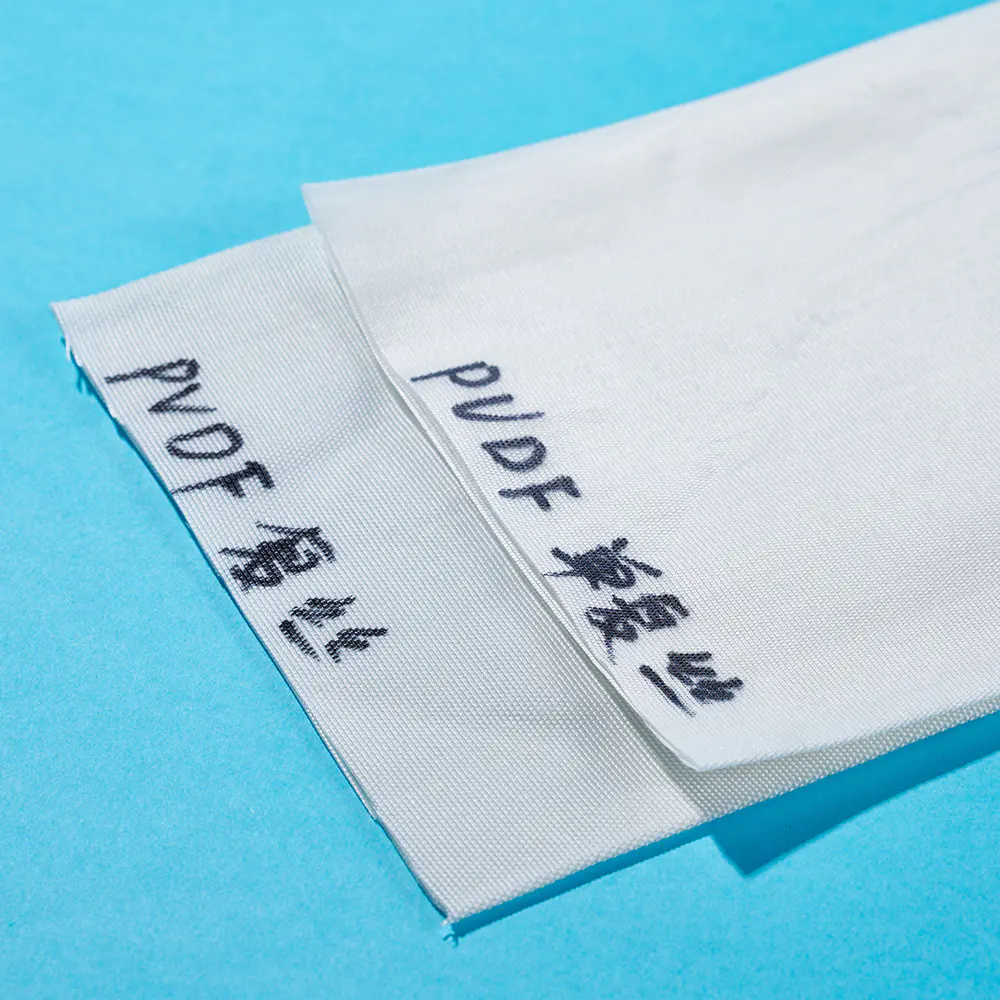
PPS, short for polyphenylene sulfide, is the fiber material the cloth is woven from, and it's chosen for filter applications largely because of how it handles conditions that would degrade more common fibers:
| Property | PPS Behavior | Why It Matters in Filtration |
| Heat resistance | Stable at elevated temperatures | Handles hot slurry and process fluids |
| Chemical resistance | Resists acids and oxidizing agents | Suits aggressive industrial liquids |
| Hydrolysis resistance | Stable in prolonged moist conditions | Reduces fiber breakdown in wet cycles |
| Dimensional stability | Low shrink/stretch under load | Keeps pore structure consistent |
Combined with seamless weaving, these properties mean the cloth isn't just avoiding one weak point — it's built from a fiber that doesn't degrade quickly under the exact conditions filter presses create.
How Seamless Weaving Actually Works
Rather than weaving a flat sheet and sewing the edges together, seamless filter cloth is produced on circular or tubular weaving equipment that forms the fabric as a continuous loop from the outset. The weft threads run in a spiral or circular pattern rather than back and forth across a flat width, which is what eliminates the need for a joining seam at all.
This method does place some constraints on production — tube diameter and length are set by the weaving equipment, so custom sizing sometimes involves matching to available loom dimensions rather than arbitrary measurements. Buyers requesting non-standard sizes usually work with the manufacturer early to confirm what's achievable on existing equipment before finalizing an order.
Weave Density and Permeability Tradeoffs
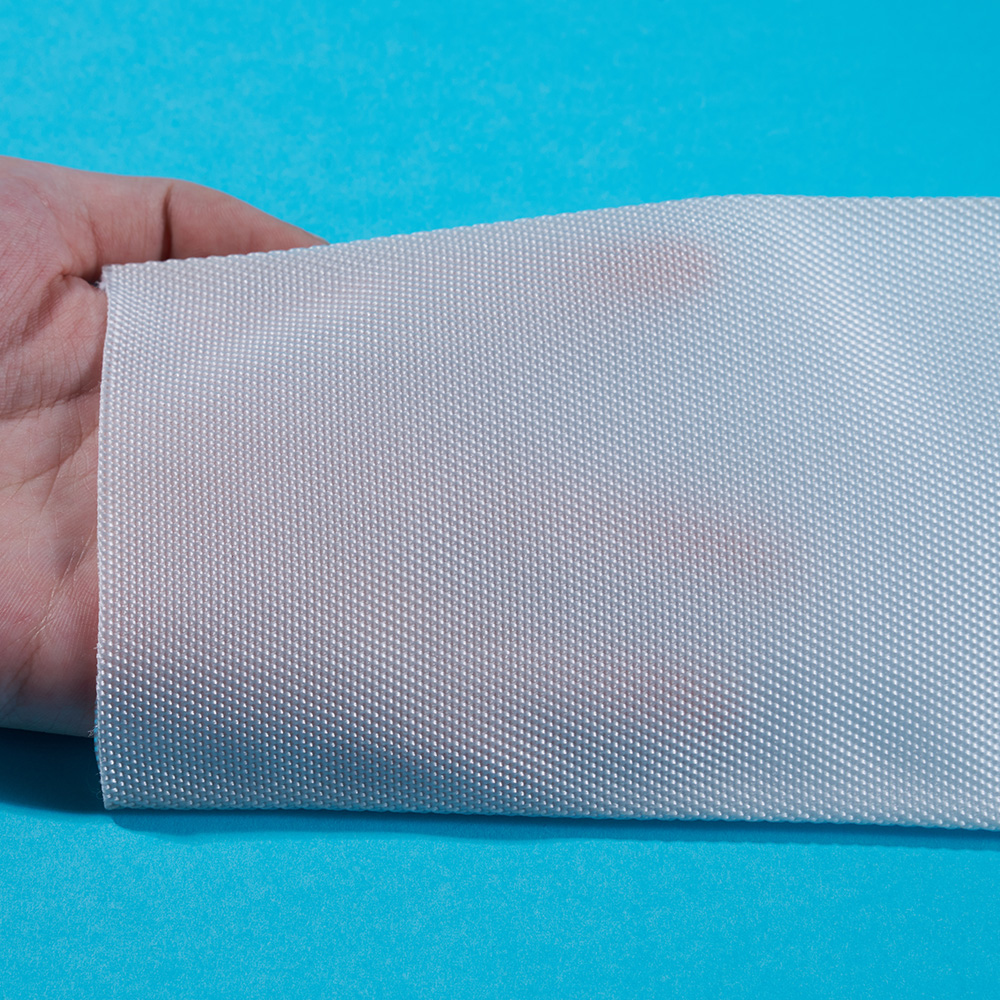
Buyers selecting a PPS seamless filter cloth generally balance two competing needs: tighter weaves catch finer particles but slow down filtration flow, while looser weaves move liquid faster but let more fine material through. Getting this balance right depends heavily on the specific slurry — particle size distribution, liquid viscosity, and desired cake dryness all pull the ideal weave density in different directions.
Manufacturers producing seamless PPS cloth typically offer a range of mesh counts and weave patterns to match these variables, and buyers often request lab-scale filtration tests on their actual process slurry before committing to a specific weave for full production runs. That testing step tends to catch mismatches — a weave that performs well on paper but clogs faster than expected with a particular slurry — before it becomes a plant-floor problem.