عربى
عربى
Material Characteristics of the Cloth
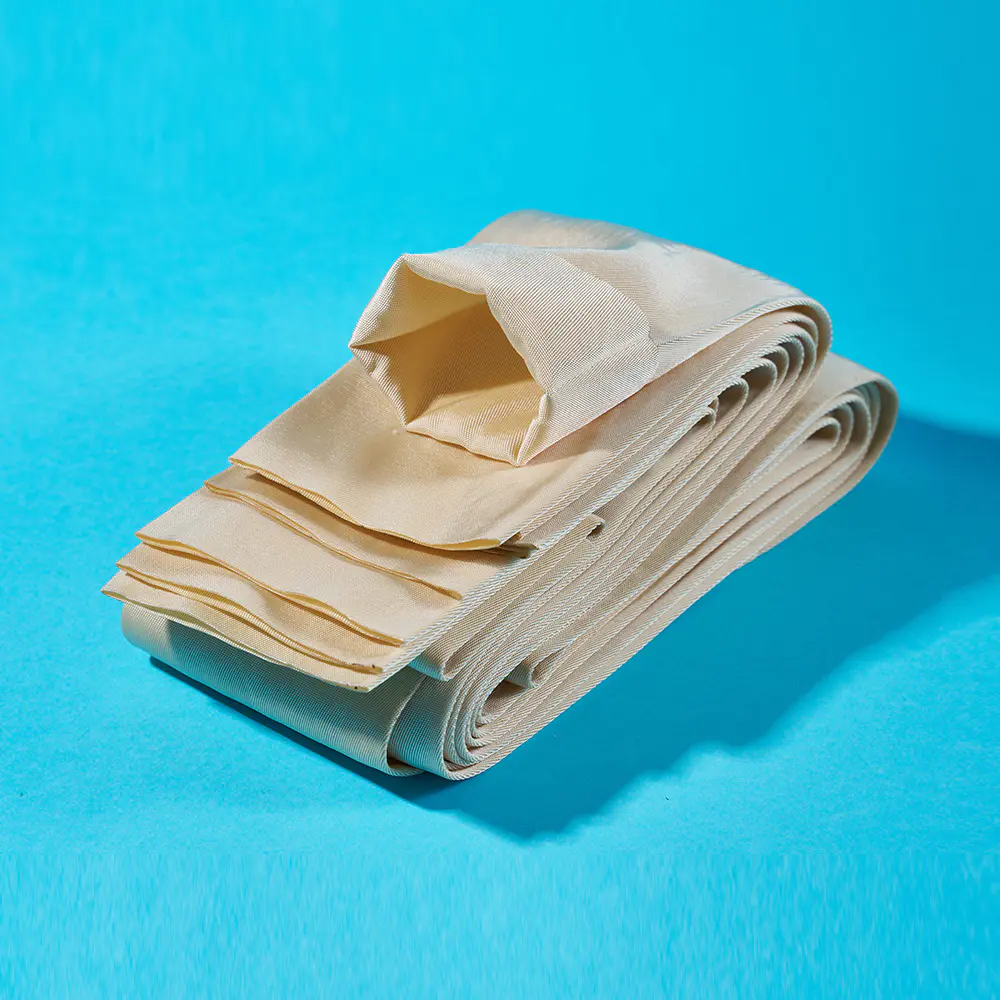
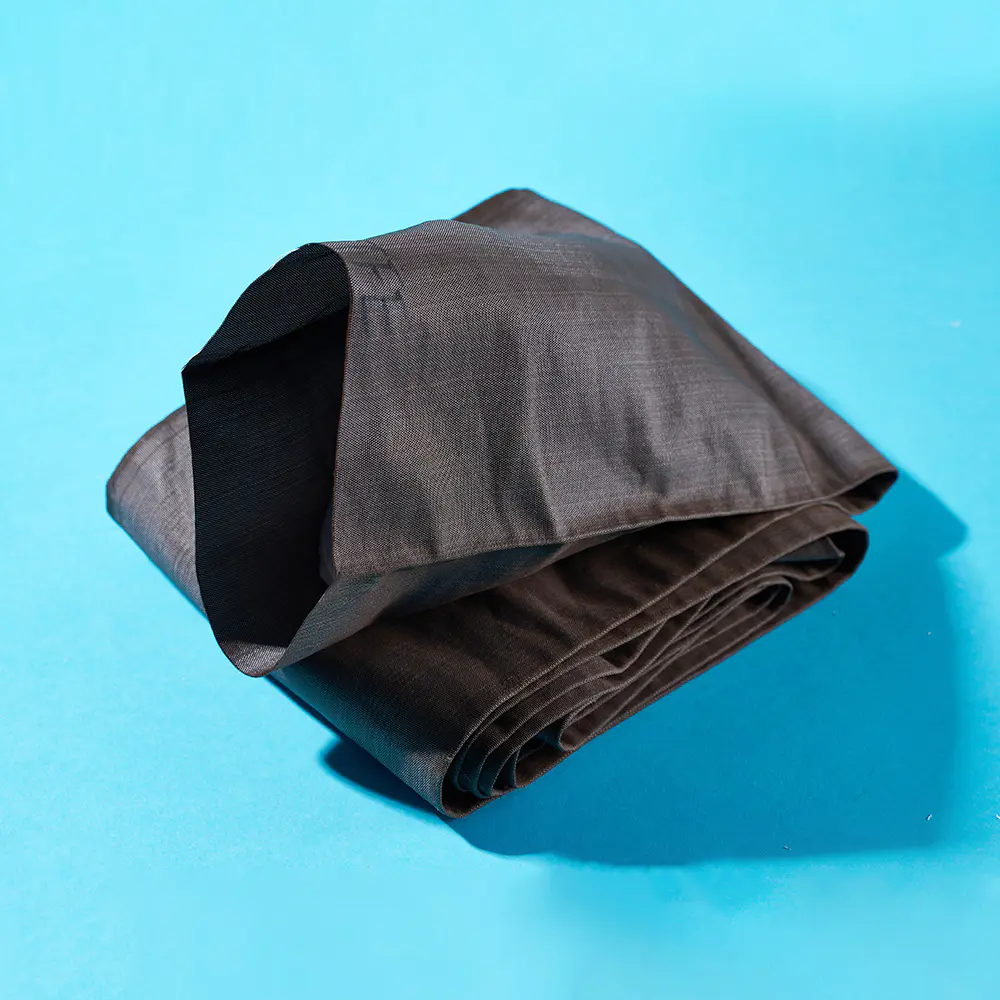
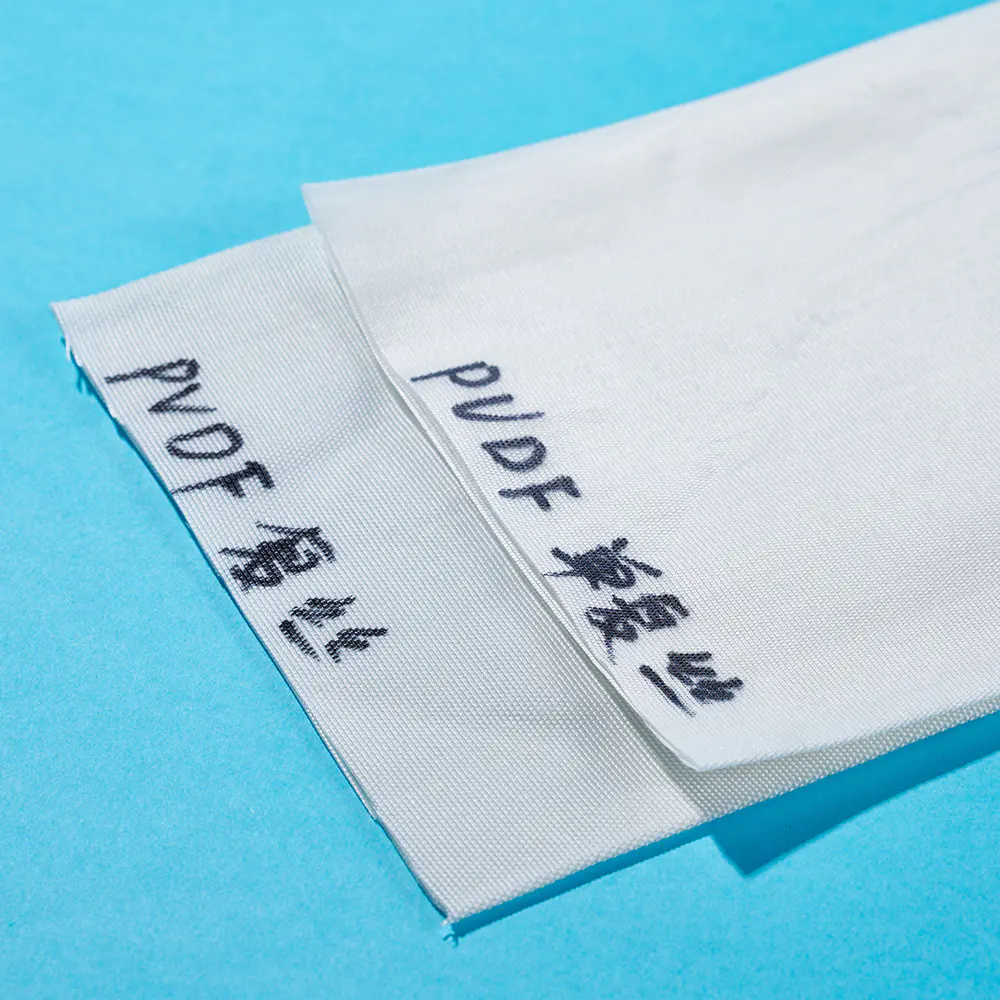
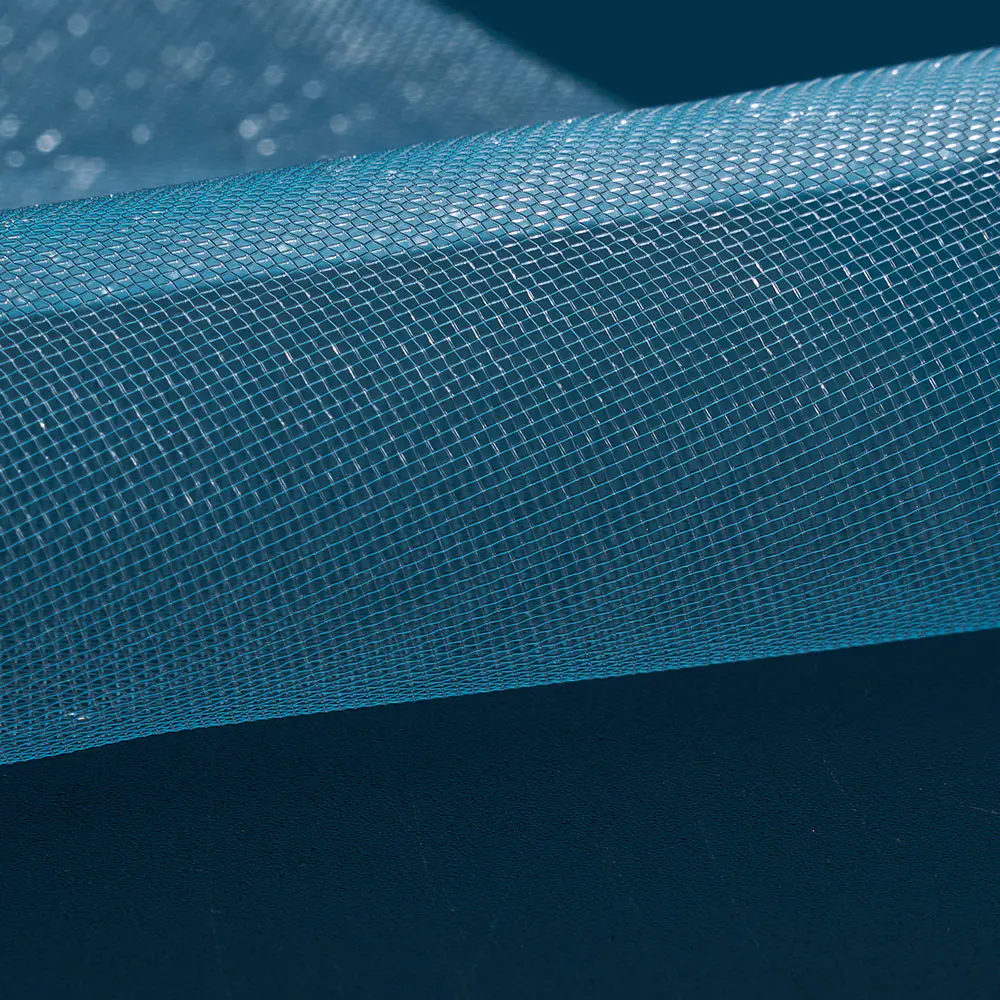
Polypropylene offers chemical resistance to many acids, alkalis, and organic solvents commonly found in process streams. The polymer remains stable across a practical temperature range for industrial filtration. In the form of a polypropylene (PP) seamless filter cloth for candle filter, the fabric is produced as a continuous tube or sleeve that matches the diameter of the candle element.
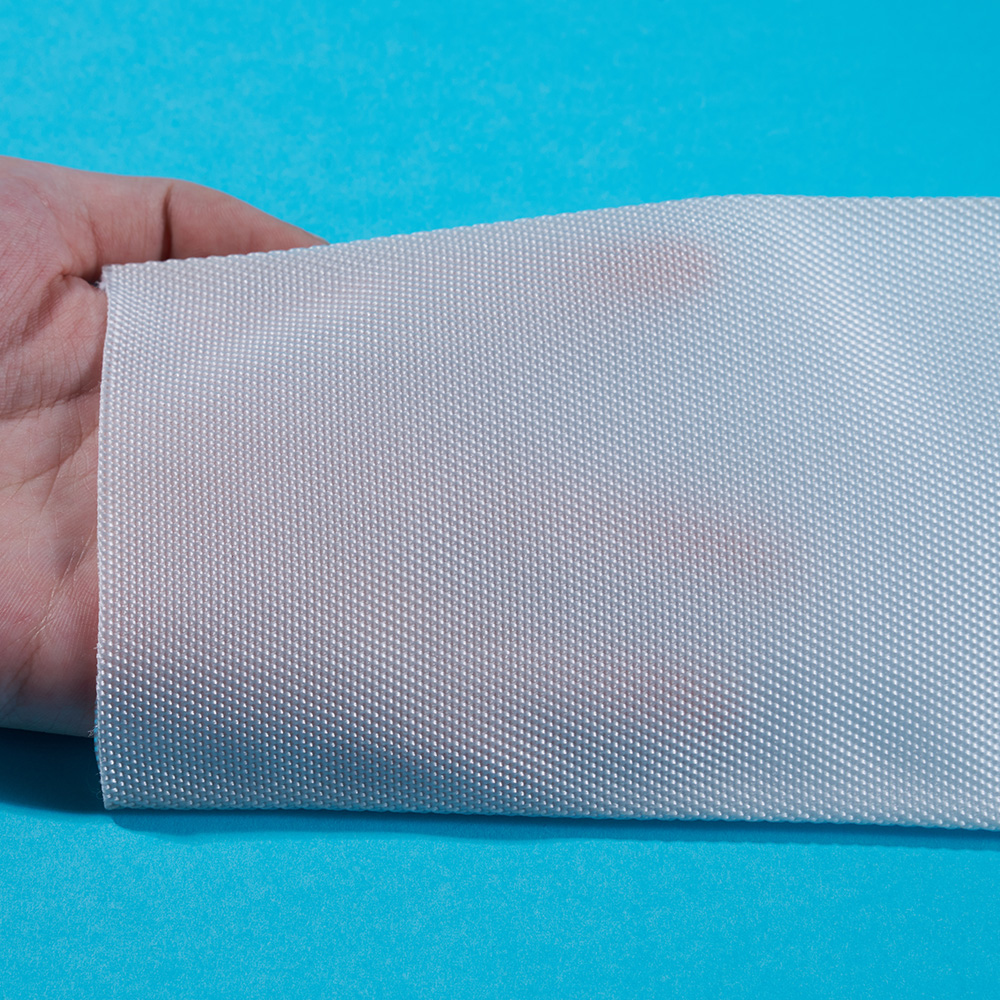
Filaments or yarns of polypropylene are woven or knitted into a structure with controlled pore size. The absence of seams means the cloth maintains uniform thickness and porosity around the full circumference. This consistency supports even cake formation along the length of the candle.
Role Within Candle Filter Operation
In a typical candle filter, multiple tubes hang or stand inside a pressure vessel. Each tube is covered with the filter cloth. Feed slurry enters the vessel, and liquid passes through the cloth into the hollow candle while solids collect on the outer surface. The polypropylene (PP) seamless filter cloth for candle filter acts as the primary barrier that determines particle retention.
Because the cloth forms a continuous cylinder, there are no overlapping edges or sewn lines that might restrict flow or create preferential paths. Fluid moves radially through the fabric into the candle interior and then to a common outlet manifold. When the solid layer builds to a set thickness, the system isolates the vessel and removes the cake by reverse flow, vibration, or gas blow-back.
Structural Advantages of Seamless Form
Seamless fabrication starts from a tubular weave or from a flat fabric joined by thermal welding that leaves no needle holes. The result is a smooth cylindrical surface that fits tightly over the support core of the candle. Uniform tension around the tube helps the cloth stay in place during pressure cycles.
The polypropylene material contributes flexibility that allows the cloth to expand slightly under pressure and return to shape afterward. This elasticity supports repeated cake discharge without permanent deformation. The smooth surface of many polypropylene weaves also assists in releasing the accumulated solids during the cleaning phase of the cycle.
Particle Retention and Flow Behavior
Pore size in a polypropylene (PP) seamless filter cloth for candle filter is selected according to the particle distribution in the process slurry. Finer weaves capture smaller solids; more open constructions favor higher filtrate rates when coarser particles dominate. The multi-filament or mono-filament yarns create a network that retains particles both on the surface and within the depth of the fabric.
As the cake layer develops, it becomes the secondary filter medium and further improves clarity of the liquid. The underlying cloth continues to provide mechanical support and consistent drainage paths. Pressure drop across the cloth and cake is monitored so operators can decide when to end the filtration cycle.
Practical Considerations for System Use
Temperature and chemical composition of the process fluid guide the selection of polypropylene grade. The cloth must retain its dimensional stability and strength under the operating pressure. Length and diameter of the cloth sleeve are cut to match the specific candle dimensions used in the filter vessel.
Installation involves sliding the sleeve onto the support tube and securing the ends. Once in place, the assembly is ready for the first filtration cycle. The continuous surface of the seamless cloth reduces the chance of local blinding that can occur near stitched areas in conventional fabrics.
A polypropylene (PP) seamless filter cloth for candle filter combines the chemical resistance of polypropylene with a joint-free tubular form suited to candle-style filtration. The material supports consistent particle capture, even cake distribution, and reliable liquid drainage in industrial solid-liquid separation processes that rely on tubular filter elements.