عربى

Understanding the Role of Filter Cloth
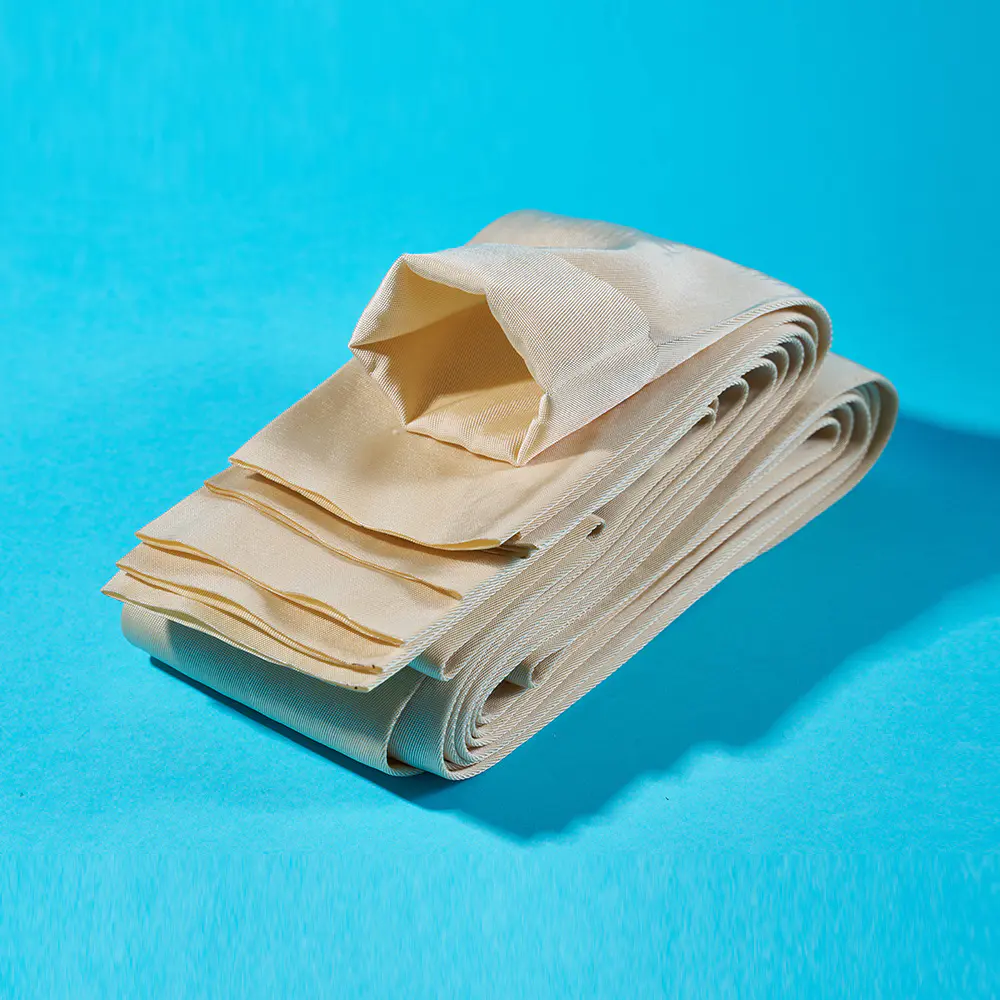
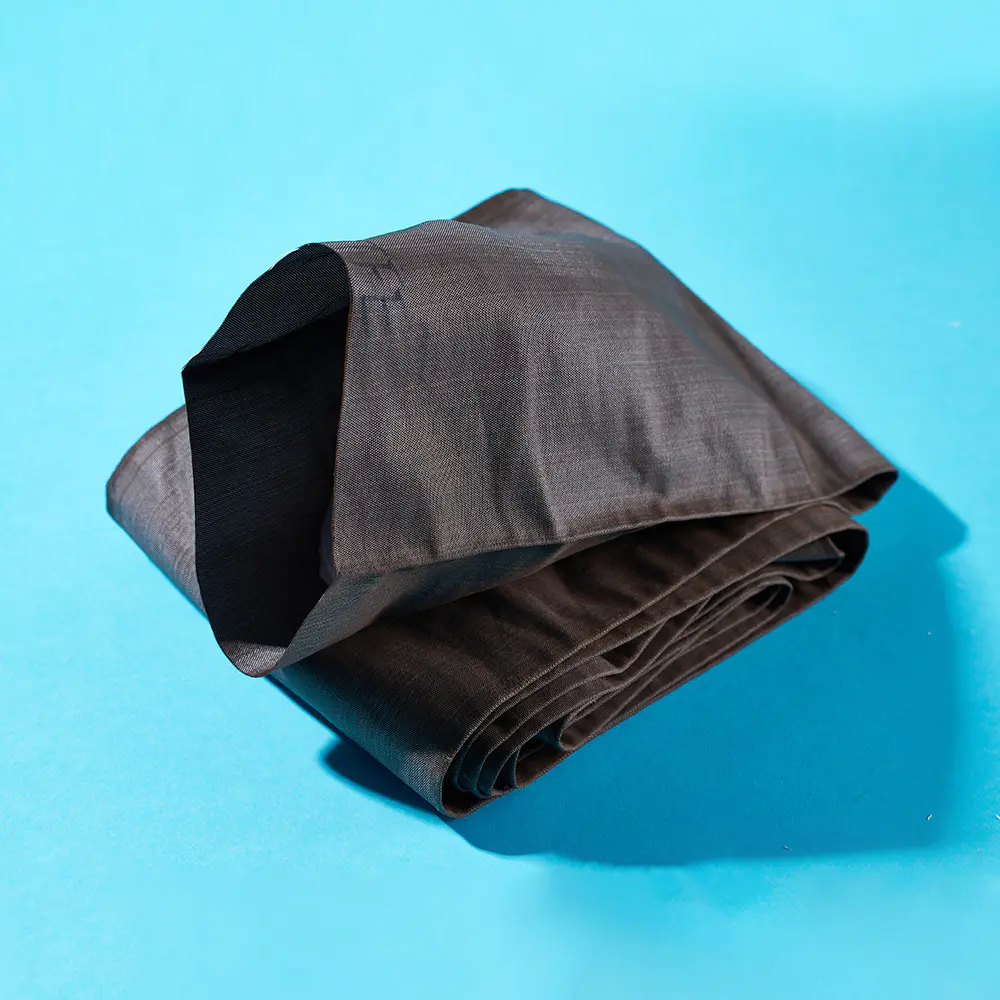
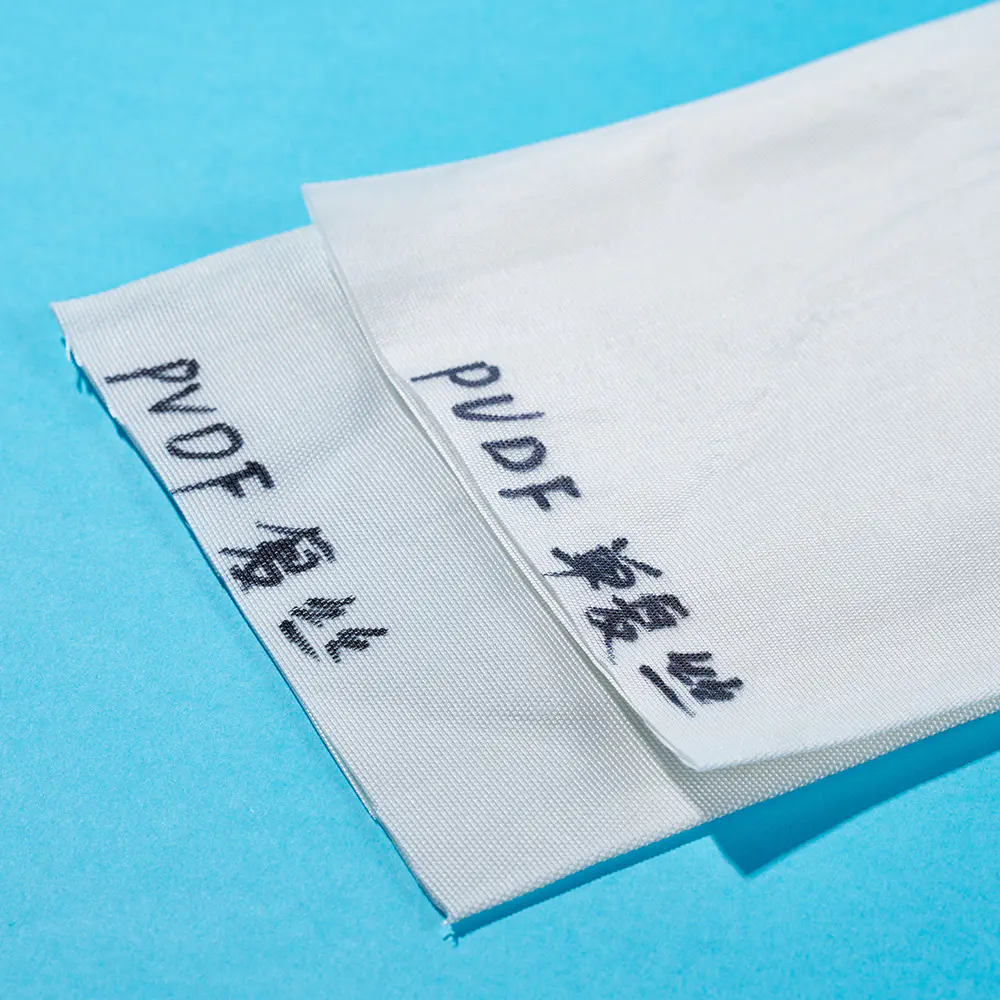
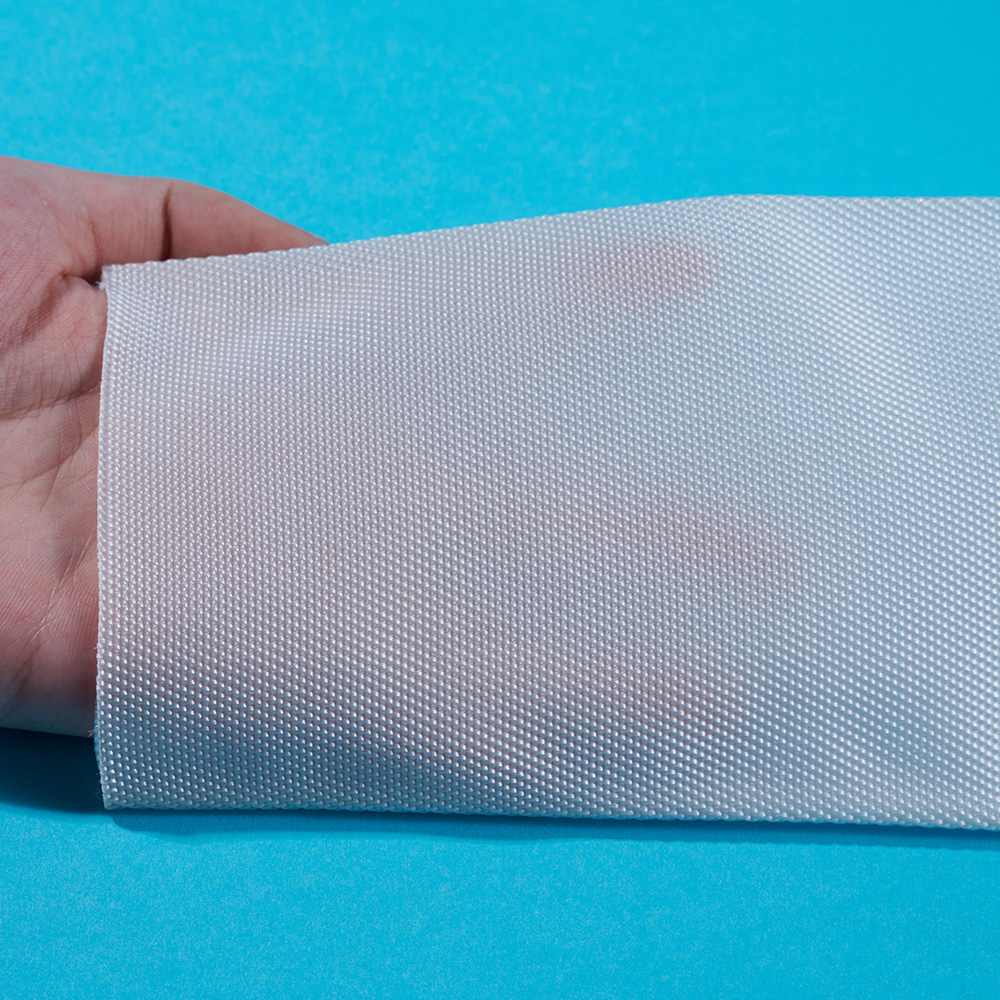
Industrial filtration often involves a simple challenge: how can a liquid pass through a filter while suspended solids remain behind? The answer depends on several factors, including the filter material, pore structure, liquid properties, and operating conditions. In systems designed for repeated filtration cycles, Backwash Filter Cloth plays a practical role in separating particles and supporting the release of accumulated solids during backwashing.
Unlike filtration materials used only in basic screening, filter cloth must work as part of a larger system. Its structure influences liquid flow, particle retention, and the interaction between the filter surface and the material being processed.
Common Industrial Applications
Backwash filtration can be used in processes where liquid and suspended solids need to be separated repeatedly. The exact equipment configuration varies with the characteristics of the incoming liquid and the required filtration result.
Typical application areas include:
- Water treatment systems: Separating suspended particles from process water.
- Chemical processing: Filtering liquid streams that contain solid residues.
- Food and beverage production: Handling selected process liquids where the equipment and filter material are suitable for the application.
- Industrial manufacturing: Supporting liquid separation in production processes involving suspended solids.
In these settings, Backwash Filter Cloth forms one part of the filtration arrangement. The tank, flow controls, pressure conditions, and backwashing mechanism also influence overall performance.
What Affects Filtration Performance?
Several operating factors determine how a filter cloth performs in an industrial system.
First, particle size distribution influences how solids collect on the surface and within the material. Second, liquid viscosity affects the force needed to move liquid through the cloth. Third, the concentration of suspended solids can influence how quickly resistance builds during filtration.
The backwashing method also matters. Reverse-flow direction, flow intensity, and cycle duration affect how accumulated particles detach from the filtering surface. If the cleaning flow is poorly matched to the cloth and collected solids, some particles may remain trapped.
When evaluating Backwash Filter Cloth, engineers can consider these factors together rather than selecting a material based on pore size alone.
Choosing a Cloth for a Specific Process
Different production lines have different filtration targets. One application may require fine particle retention, while another may place greater emphasis on liquid throughput or the release of solids during backwashing.
A practical selection process begins with the liquid composition, particle characteristics, operating temperature, and equipment design. The required filtration level and the available backwashing conditions should also be considered.
Suppliers and equipment engineers can use these details to compare cloth materials and configurations. For systems that run repeated filtration cycles, Backwash Filter Cloth should be evaluated under conditions that reflect the actual process, including both normal filtration and reverse-flow operation.
Frequently Asked Questions
Does backwash filter cloth remove every suspended particle?
No. Particle retention depends on the cloth structure, particle size, and operating conditions. Very fine particles may pass through some materials.
Is backwashing suitable for every filter cloth?
No. The cloth and filtration equipment must be designed to support the intended backwashing method. Compatibility depends on material properties and system conditions.
Why does liquid flow change during filtration?
As solids accumulate on the filtering surface, resistance to flow can increase. The degree of change depends on the particle load, liquid properties, and filter structure.