عربى
عربى
Multifilament Filter Textile in Industrial Filtration
Many processing plants depend on filter media that can separate solids from liquids day after day. Multifilament Filter Textile stands out as a woven fabric made from twisted bundles of fine filaments. It offers a balance of particle capture and durability that fits into filter presses and other equipment. Procurement teams in chemical plants, mining operations, and food processing look for these textiles when they need consistent performance in high-volume filtration setups.
What Goes Into Multifilament Filter Textile
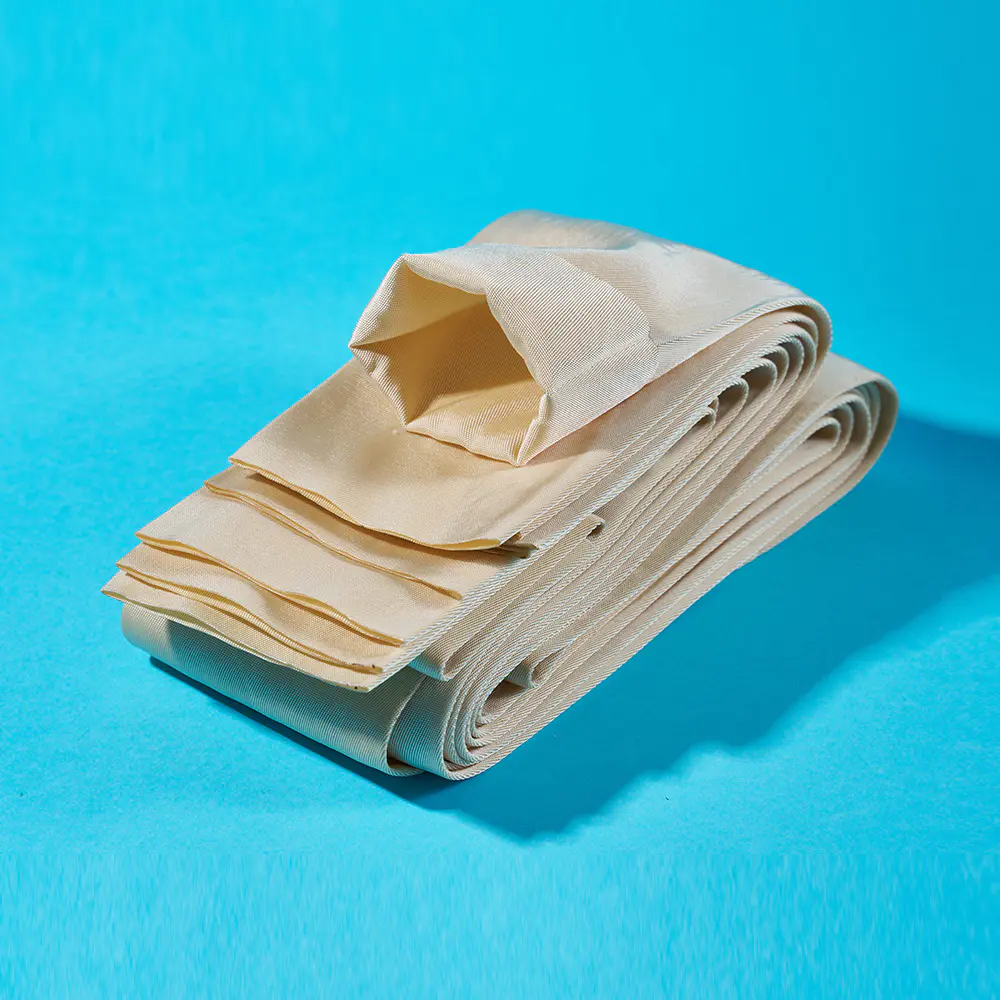
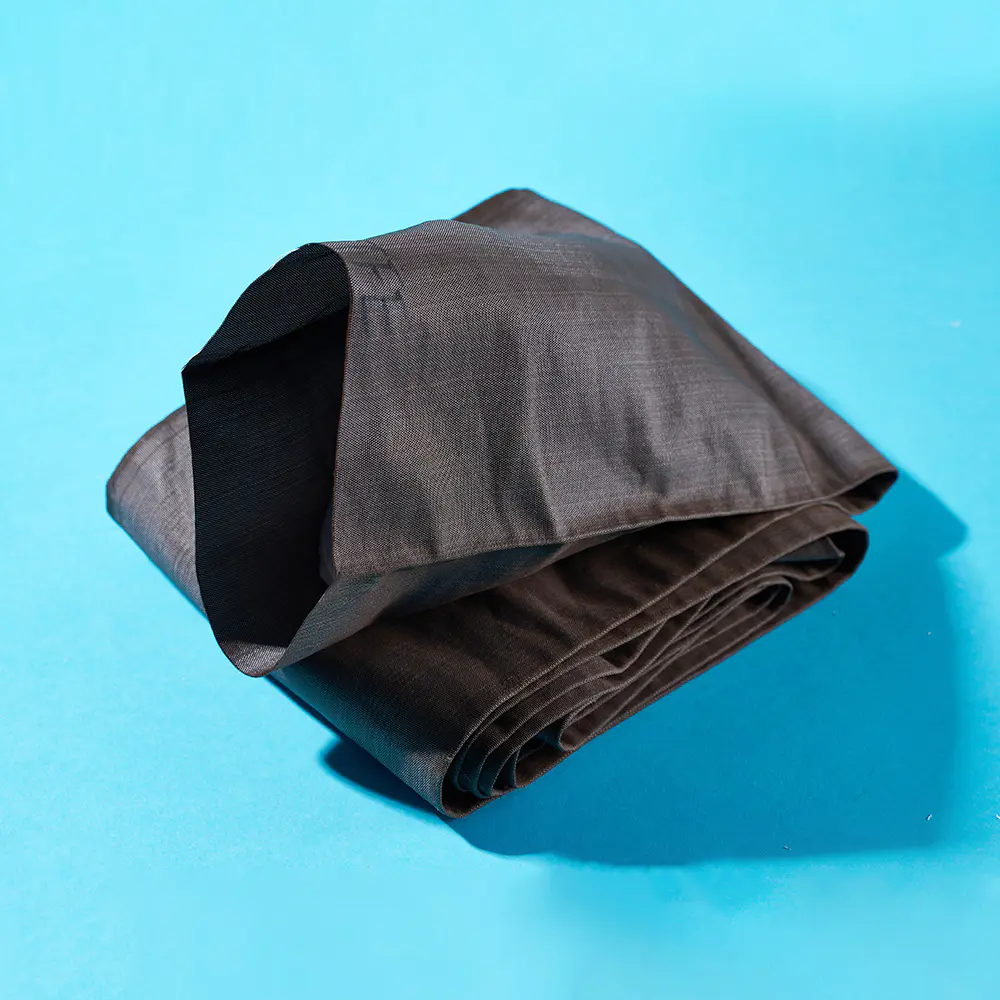
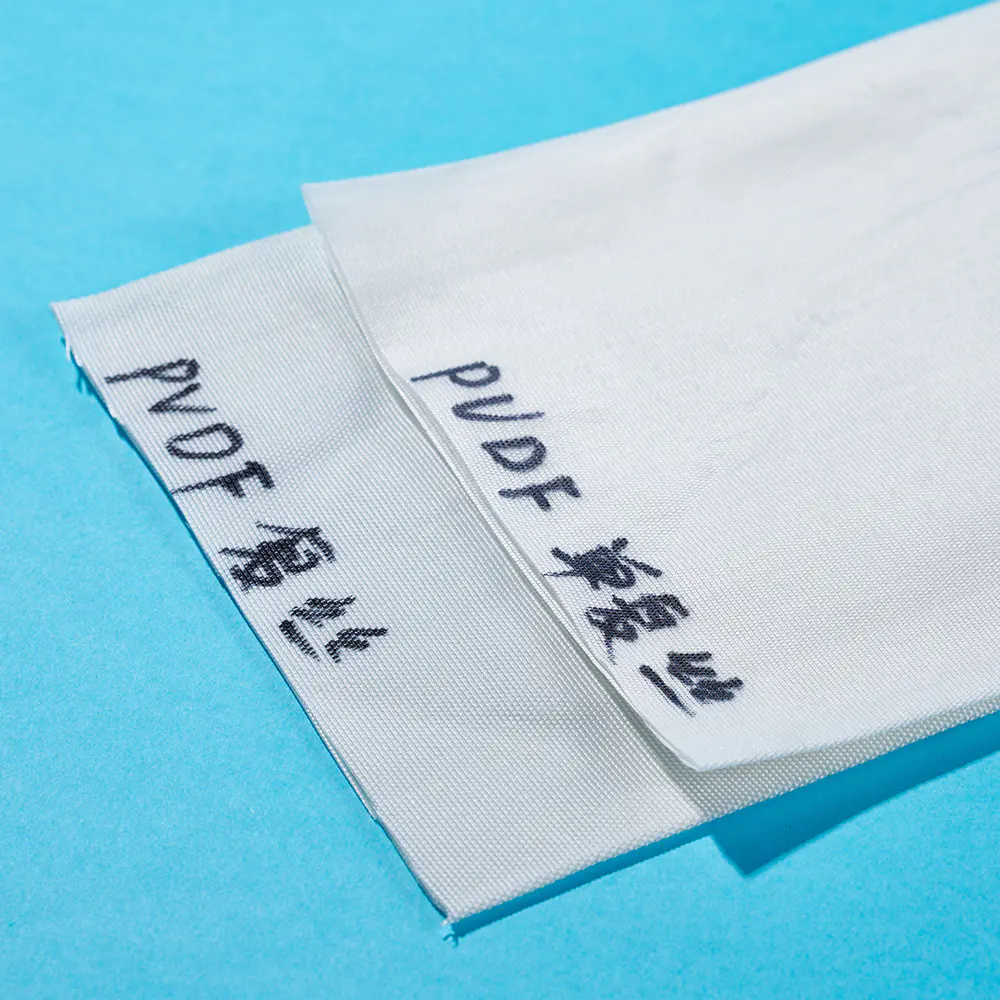
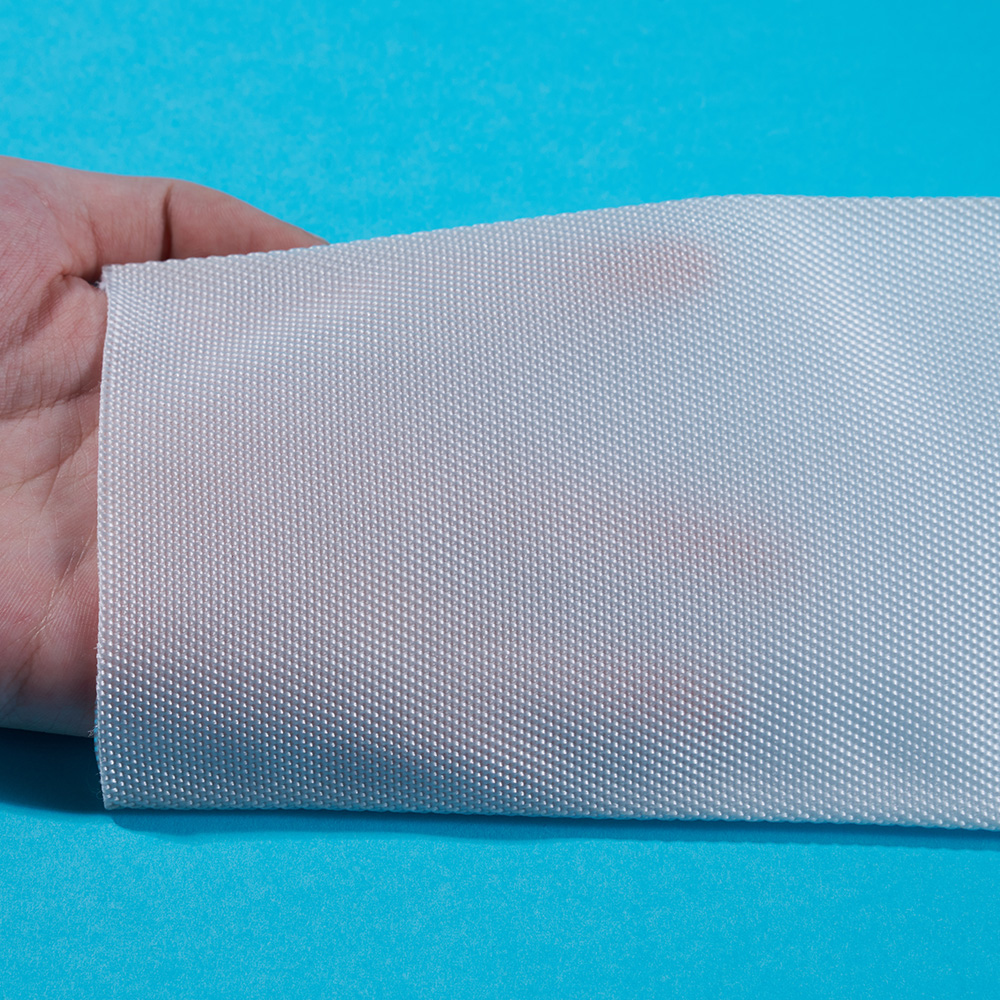
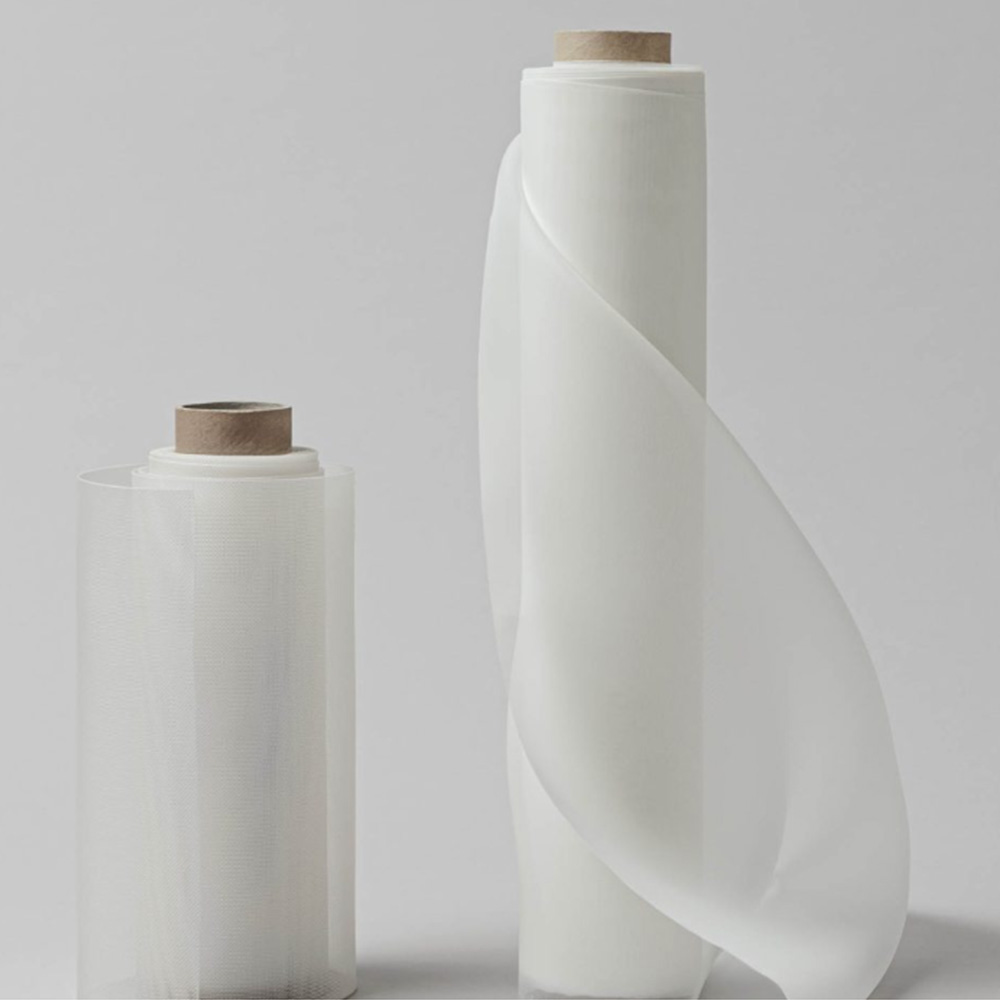
Multifilament Filter Textile starts with synthetic yarns where multiple fine filaments twist together before weaving. Common base materials include polyester and polypropylene, chosen for their chemical resistance and mechanical properties. The twisting creates a textured surface with many small openings that trap particles effectively.
Weavers adjust the yarn count, weave pattern, and fabric weight to match specific process conditions. This construction gives the textile more surface area compared to single-strand options. Buyers often request samples based on micron ratings and flow rates listed in supplier data sheets.
How Multifilament Filter Textile Works
The fabric sits in filter presses or belt filters, where slurry pushes through under pressure. Liquid passes on through while solids gradually build up as cake on the surface. The twisted filaments create irregular paths that catch fine particles without blocking flow too quickly, at least in most applications where cake buildup stays manageable.
Air permeability and tensile strength both play a real role in cycle times, more than plants sometimes account for upfront. Operators keep an eye on pressure differentials to gauge when cleaning or replacement actually makes sense, rather than working off a fixed schedule alone. The textile's structure holds up across repeated use cycles before any noticeable wear starts showing, which is part of why the weave pattern gets so much attention during sourcing.
Common Applications in Processing
Multifilament Filter Textile sees regular use in chemical manufacturing where it separates products from reaction mixtures. Mining operations apply it during tailings dewatering and mineral extraction steps. Food and beverage plants use compatible grades for clarifying juices or processing starches.
In pharmaceutical intermediates, the fabric helps meet purity targets through reliable solids retention. Wastewater treatment facilities incorporate it in sludge handling systems. The textile’s flexibility allows sewing into custom shapes for different press sizes and configurations.
- Handles a range of pH levels in chemical streams
- Supports good cake discharge in many setups
- Works with both vacuum and pressure filtration equipment
Sourcing Multifilament Filter Textile for Plants
Procurement focuses on roll widths that minimize waste during cutting and sewing. Suppliers provide fabrics with reinforced edges or coatings for longer service in demanding environments. Consistent quality across shipments reduces downtime from unexpected variations.
Teams review weave patterns like plain or twill based on how easily the cake releases. Many operations keep spare sets on hand and rotate them during scheduled maintenance. The material integrates into existing filtration workflows without requiring major equipment changes.
Multifilament Filter Textile continues to serve as a dependable option for solid-liquid separation across industries. Its construction delivers the retention and strength needed for daily production targets. Buyers find it practical when scaling filter operations or replacing worn media in established systems.